- BlackVoter.Org
- Posts
- B
B

BlackVoter.org
January 15, 2026

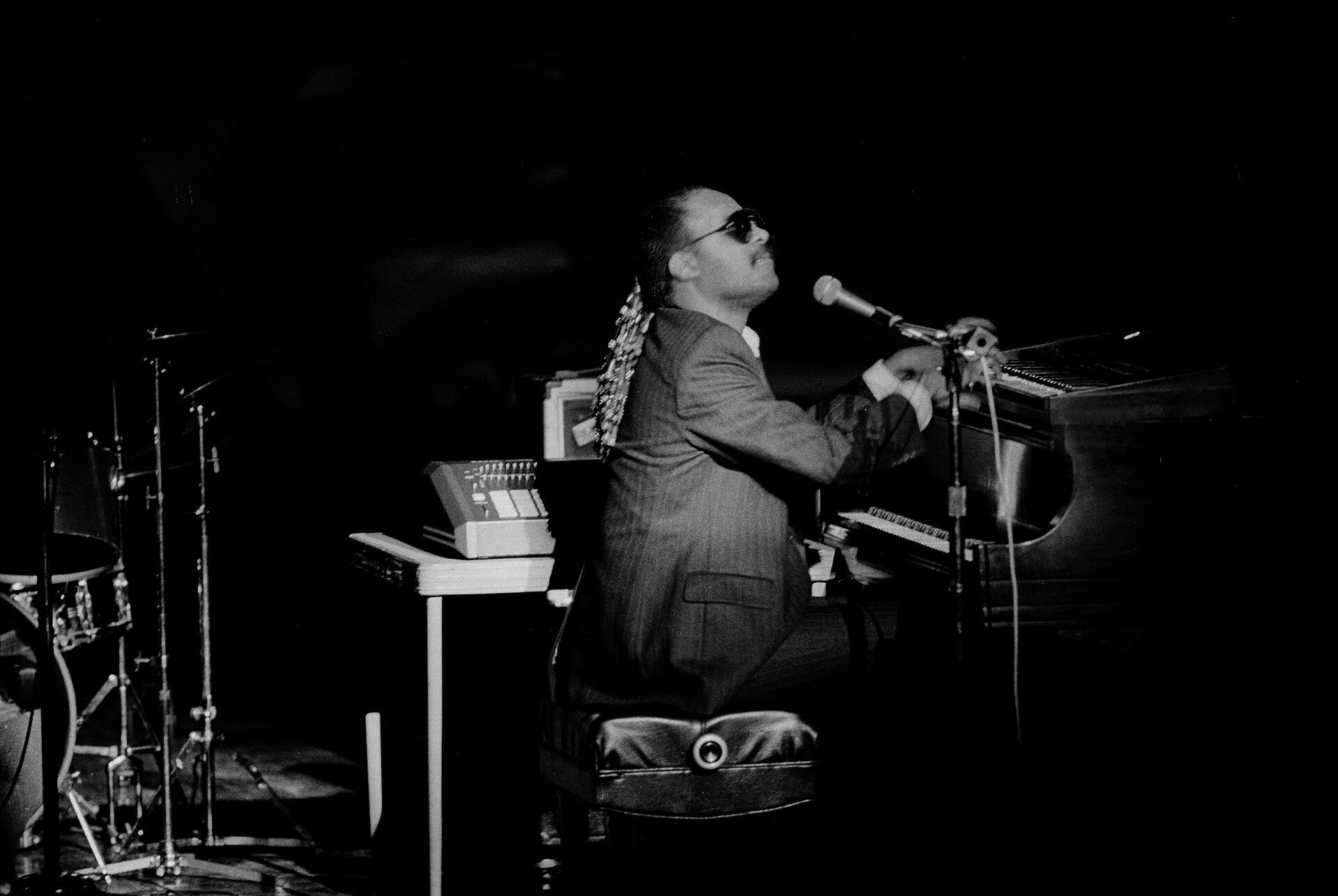
In a compelling exploration of Martin Luther King Jr.’s legacy, Capital B News discusses the ongoing challenges to his memory and achievements.
Initially championed by iconic figures like Stevie Wonder, who famously rallied for MLK Day, King’s contributions are increasingly under threat today. Recent actions by the Trump administration have removed MLK Day from recognized free national park days and sought to undermine voting protections established by the Voting Rights Act of 1965.
Historians warn that resistance to King’s vision of equality and justice remains strong, reflecting an enduring discomfort with his calls for broad economic justice. As we observe the struggles for civil rights in modern America, the article underscores that the fight for King’s ideals is far from over, reminding us of the importance of actively engaging with his legacy and the values he stood for.

In a striking intersection of politics and academia, Harvard's Black dean, Gregory Davis, was ousted amid escalating pressures from the Trump administration's war on equity. His dismissal followed the revival of social media posts he made during the George Floyd protests, which criticized systemic racism and law enforcement.
This controversial decision comes against a backdrop of sweeping executive orders aimed at dismantling diversity and inclusion programs across institutions, fostering an environment where universities feel compelled to silence Black voices. Davis, who dedicates his work to examining bias in academia, expressed deep regret over the abrupt termination, which displaced his family with little warning.
His experience mirrors a broader national trend where Black speech is permanently scrutinized while white grievances take precedence. Ultimately, this story underscores the ongoing struggle for equity and the chilling effects of politicized oversight on educational institutions.


Black History Month, celebrated every February, has roots tracing back to 1926 when historian Dr. Carter G.
Woodson launched Negro History Week. Despite facing significant barriers—being born to illiterate former slaves and having limited formal education—Woodson earned advanced degrees and recognized the absence of African American contributions in mainstream narratives.
His initiative aimed to educate the public about Black history and was backed by the Association for the Study of African American Life and History, which he founded. Following his death in 1950, his fraternity, Omega Psi Phi, advocated for expanding the celebration to a month.
In 1976, President Gerald Ford officially recognized Black History Month, and since then, every U.S.
president has carried on this vital tradition. Woodson's legacy endures through various scholarly resources, shining a light on the rich history and contributions of African Americans.

In a powerful exploration of the ongoing struggle for Black political power, the article highlights the insidious effects of white backlash in America. As the Supreme Court deliberates on Louisiana v.
Callais, the potential dismantling of crucial protections in the Voting Rights Act raises alarm bells. Advocates warn that this could lead to a significant decline in minority representation in Congress, echoing the dark days of disenfranchisement post-Jim Crow.
The narrative weaves in historical context, recalling figures like George Henry White, who foresaw the resilience of Black Americans to rise again. The stakes are high; losing Section 2 protections could dilute Black voices in legislative processes, reversing decades of hard-won gains.
As the article urges the next generation to prepare and combat this impending crisis, it emphasizes the importance of maintaining political representation and advocating for civil rights amid systemic challenges. Will Black America once again “rise like a phoenix”? The future depends on it.

Brigadier General Enoch “Woody” Woodhouse II, a legendary Tuskegee Airman, celebrated his remarkable 99th birthday in Quincy, surrounded by friends, family, and fellow patriots. Known for breaking barriers as one of the first African American aviators in the Army Air Corps during World War II, Woodhouse remains an inspiring symbol of resilience and courage.
Surrounded by heartfelt tributes, including a giant gingerbread cookie fashioned in his likeness, local officials hailed his contributions as pivotal in the fight against racism and for civil rights. With a lifetime of stories, laughter, and wisdom, Woodhouse emphasizes the importance of survival over revenge amid his reflections on a life well-lived.
He hopes to leave a legacy not just as a hero but as a kind and compassionate individual. As two cities proclaimed January 14th “Woody Woodhouse II Day,” his presence continues to touch lives, evoking awe and inspiration in each encounter.

In a recent interview with the New York Times, former President Donald Trump stirred controversy by claiming that white individuals have experienced unfair treatment since the enactment of the Civil Rights Act in 1964. Trump asserted that affirmative action policies have led to "reverse discrimination," preventing deserving white students from gaining college admission or job opportunities.
While he acknowledged that the Civil Rights Movement accomplished significant advances, he maintained that it also harmed many individuals. His remarks come amid a broader crackdown on diversity, equity, and inclusion initiatives during his administration, a movement he and his supporters are keen to advance.
However, NAACP President Derrick Johnson countered Trump’s claims, emphasizing that there is no evidence supporting the idea that white men have been discriminated against due to these civil rights measures. The debate continues to fuel discussions on race, equity, and justice in America.
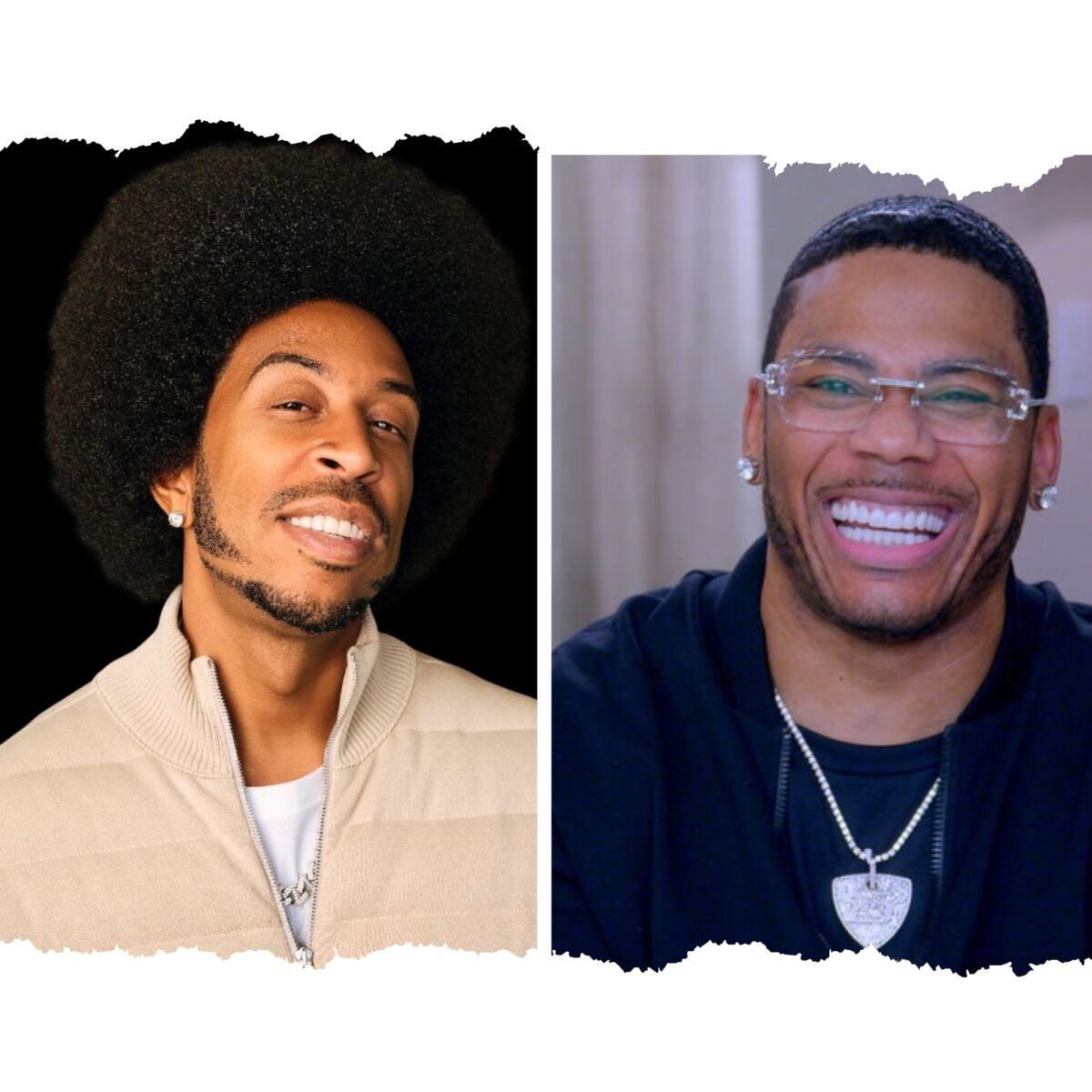
Ludacris and Nelly are feeling the heat after being announced as performers at the upcoming "Rock the Country" festival, dubbed the "MAGA Music Fest." This country-heavy lineup, featuring names like Kid Rock and Jason Aldean, has sparked outrage across social media as fans question why the rappers are aligning themselves with such a politically charged event.
Many are quick to point out the contrast between Ludacris's past support for progressive causes and this new gig. Critics are voicing their frustration, describing the festival as a haven for the MAGA movement, echoing sentiments of previous artists who faced backlash for similar associations.
While Nelly has previously walked a fine line between genres and politics, fans are urging both artists to rethink their choices and consider the potential repercussions of performing in this charged atmosphere. As the conversation heats up, it raises questions about the impact of political affiliations on artistic choices.