- BlackVoter.Org
- Posts
- BlackVoter.Org
BlackVoter.Org

BlackVoter.org
March 09, 2026

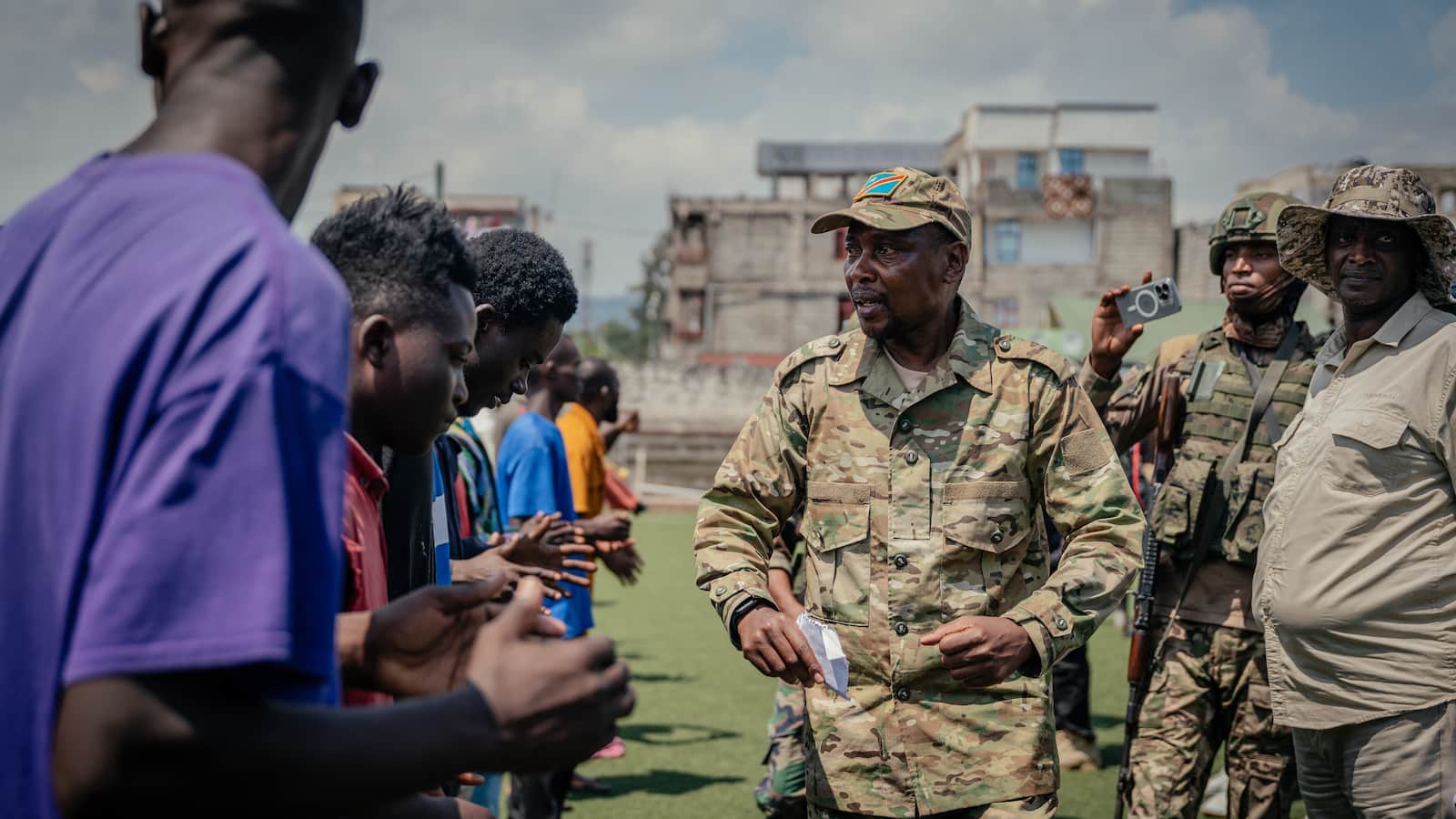
In a striking twist, President Donald Trump has claimed to have resolved the long-standing conflict between Rwanda and the Democratic Republic of Congo, boasting about his success in brokering peace. However, U.
S. sanctions reveal a different story, indicating that Rwandan-backed militants quickly disregarded the Trump-negotiated peace accord after its announcement.
As Trump seeks accolades for ending global conflicts, his administration admits that the violence continues unabated, casting doubt on his diplomatic achievements. This juxtaposition reflects the complexities of international relations and the challenges of peace-making, especially as tensions rise in other regions, like the Middle East.
With the true status of the Rwanda-Congo war unfolding against a backdrop of political posturing, the path to genuine peace remains as elusive as ever.
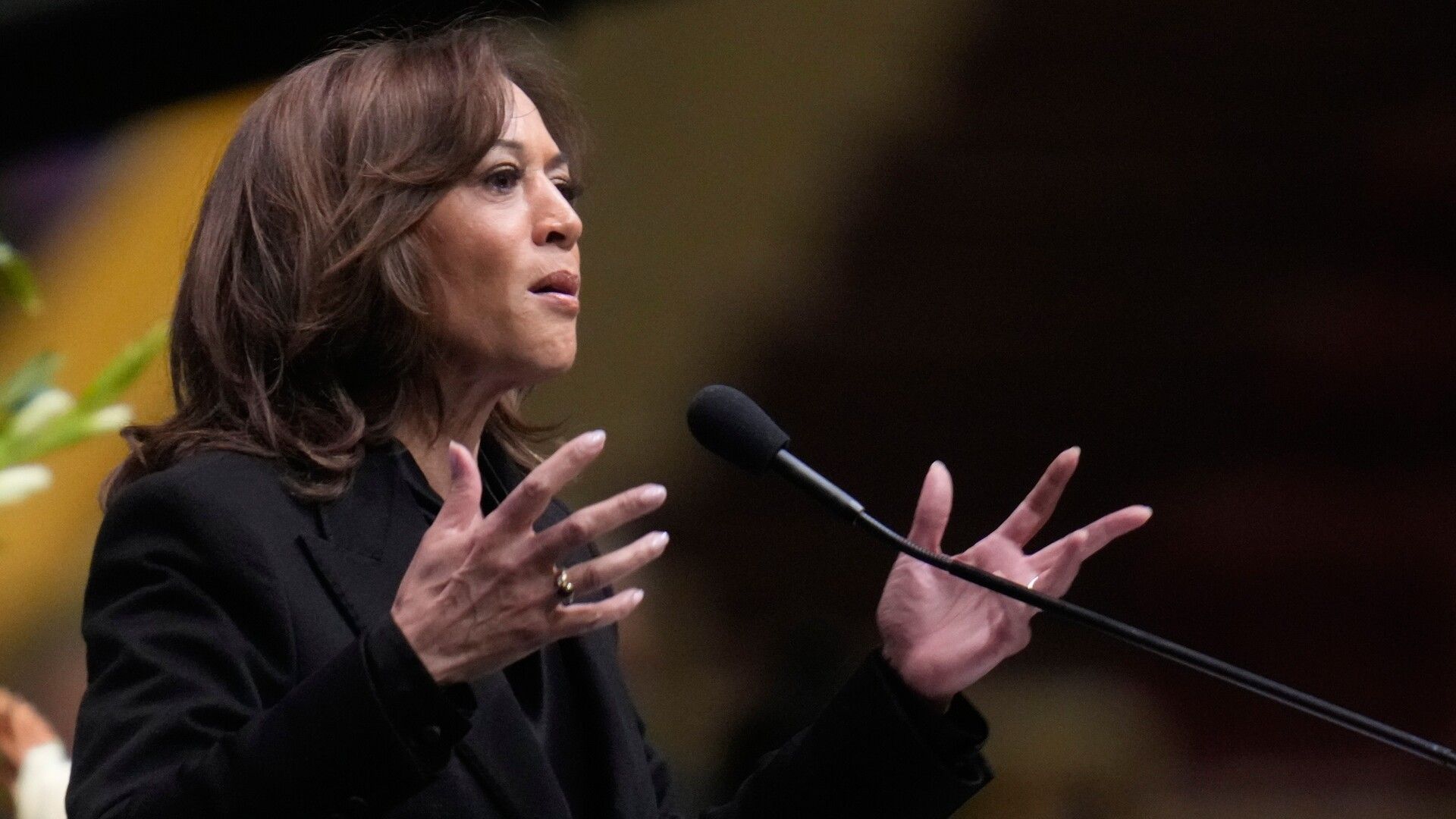
Journalist Stella Escobedo didn’t hold back in her critique of Kamala Harris following the Vice President's speech at Jesse Jackson's memorial. She accused Harris of being inauthentic, pointing out what she described as a classic "word salad" that lacked genuine connection.
Escobedo emphasized that Harris's speech felt more like political theatre than heartfelt homage, with phrases that seemed convoluted and overly crafted. As America continues to navigate complex social issues, the expectations for leaders to convey sincerity have never been higher.
Escobedo's remarks highlight a growing concern: that political figures must strike a balance between eloquence and authenticity to truly resonate with the public. The critique stirs the conversation about the importance of genuine communication in politics, especially when honoring pivotal figures like Jackson, whose legacy calls for a more heartfelt tribute.
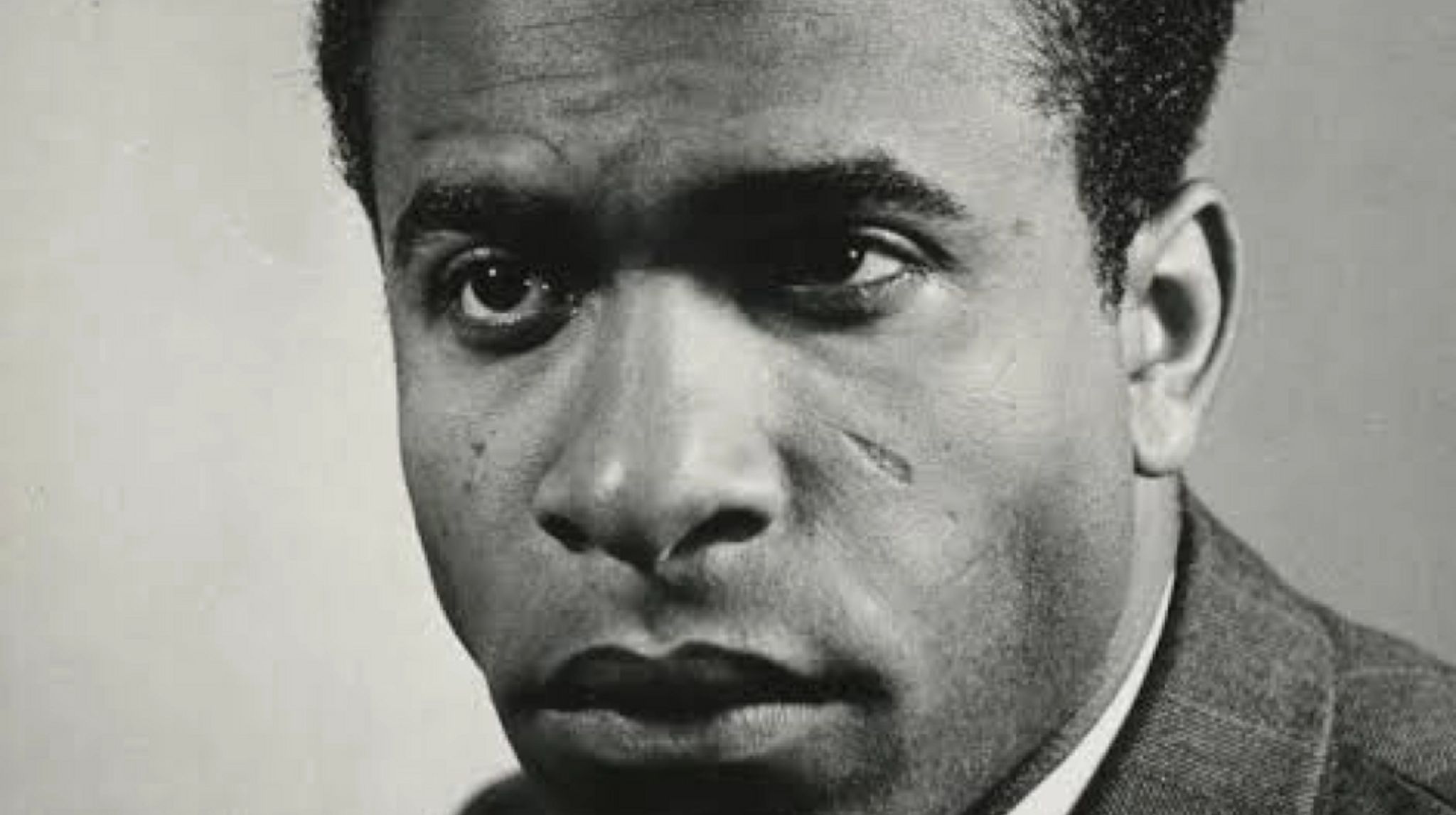
Frantz Fanon: The Revolutionary Voice Behind Global Black Resistance from Martinique to the Panthers
From the rich historical tapestry of Martinique to the revolutionary ethos of the Black Panther Party, Frantz Fanon's anti-colonial thought has profoundly influenced global Black resistance movements. Martinique, with its legacy of resilience against colonial domination, produced pivotal intellectual figures like Fanon and Aimé Césaire, whose ideas resonate globally, especially in the U.
S. Fanon's seminal work, "The Wretched of the Earth," served as a foundational text for the Black Panther Party, shaping their strategies against systemic oppression through armed self-defense and community empowerment.
As Martinique commemorated Fanon's 2025 centenary, it celebrated his lasting impact on discourse around race and liberation. This cultural connection is mirrored in the vibrant expressions of Martinican identity, ranging from music to language, drawing parallels to African American cultural forms.
Ultimately, both communities embody a shared narrative of resilience, where cultural and political resistance continues to flourish amidst history’s challenges.
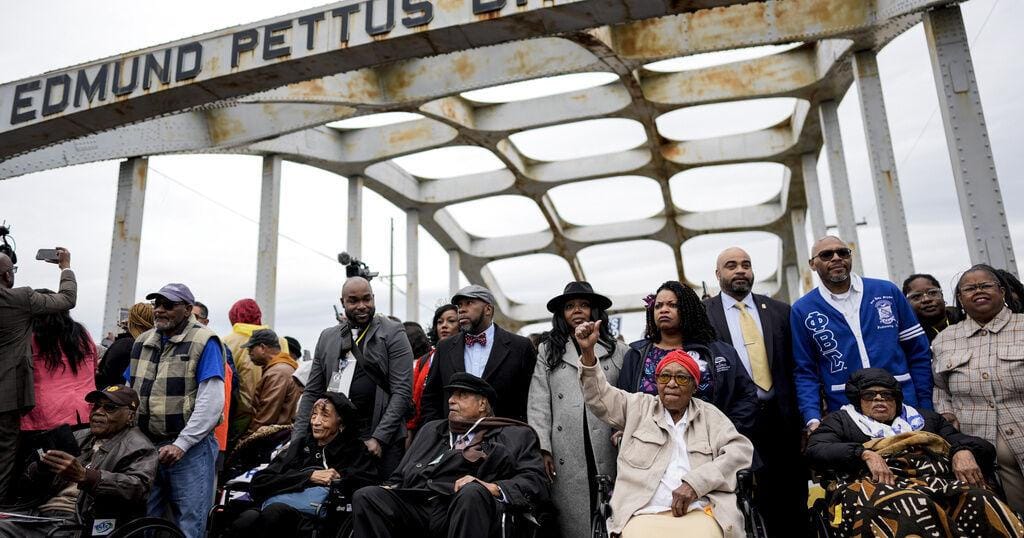
Bernard LaFayette, a pivotal figure in the fight for voting rights, has passed away at the age of 85. A driving force behind the Selma voter registration campaign that set the stage for the Voting Rights Act of 1965, LaFayette's activism began in the early 1960s as he co-founded the Student Nonviolent Coordinating Committee.
He bravely faced violence and intimidation while working to empower African Americans in Selma, ultimately shaping the movements that would gain national attention. His commitment to nonviolence and equality was evident throughout his life, from his involvement in the Freedom Rides to his role in the Chicago Freedom Movement.
LaFayette's life was a testament to the power of compassion over conflict, teaching lessons of strength and courage that resonate today. A true champion of civil rights, his legacy will continue to inspire future generations in the pursuit of justice and equality.
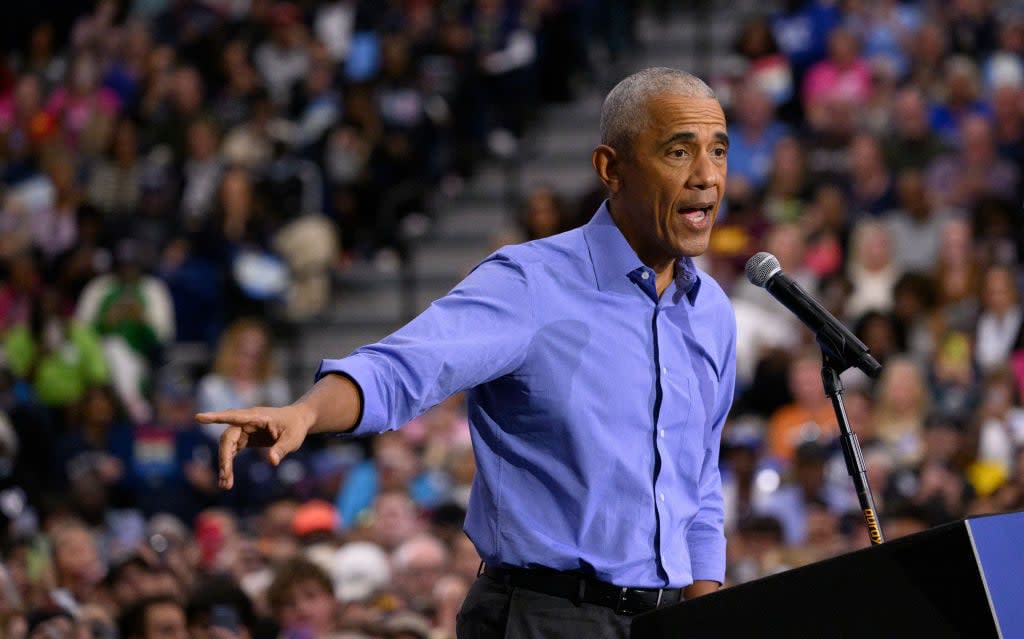
A recent survey shows that Black voters are eager for a more aggressive approach to counteract Donald Trump's second term. Though they feel the detrimental effects of his administration, barriers remain for mobilization ahead of the 2026 midterms.
Conducted by HIT Strategies and The Black Opposition Coalition, the survey of 1,000 registered Black voters highlights their divided sentiments: while some actively resist, a significant number are on the sidelines, fearing retaliation or disengagement. Many voters express frustration with their leadership, desiring leaders who “fight fire with fire” against harmful policies.
The survey identifies five key strategies for motivating Black voters, emphasizing relatable messengers and real-life impacts of policies. Interestingly, a young Black millennial father emerged as the most compelling voice for mobilization, demonstrating the power of personal stories.
Overall, Black Americans are ready to rally, but they seek bold action and clear communication from their leaders.
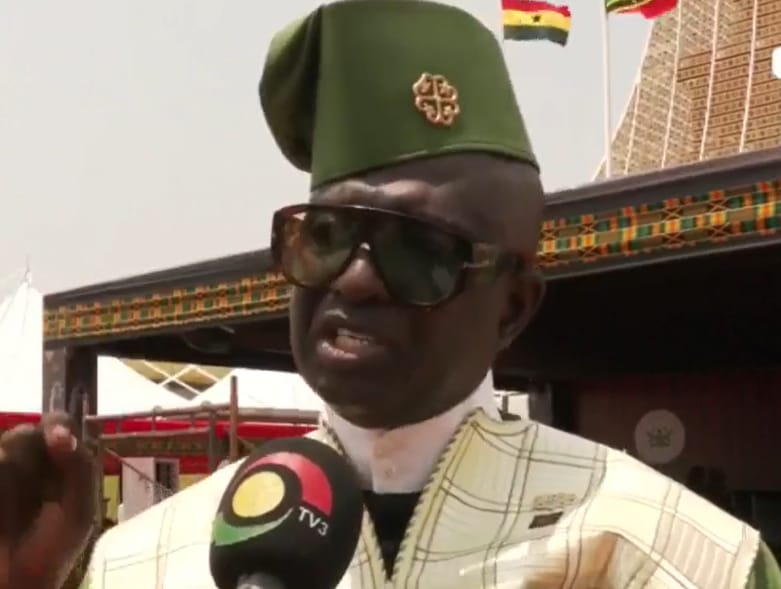
Kwasi Kyei Darkwah, affectionately known as KKD, has ignited a vital conversation on reparations for the transatlantic slave trade, calling it the “gravest crime against humanity.” In a compelling interview, he insisted that mere apologies from nations that benefited from centuries of slavery are insufficient; concrete actions and restitution are essential for true closure.
KKD emphasized that acknowledgement of past wrongs must lead to reparations, much like validation seen in other historical injustices. He urged Africans to demand justice actively, rather than passively waiting for favors, and welcomed Ghana's initiative to present this pressing issue to the United Nations.
Highlighting the importance of education, he called upon historians and media to raise awareness about the impact of slavery. With a potent mix of urgency and hope, KKD insists it’s time for definitive action to honor the suffering endured by millions and secure justice for future generations.
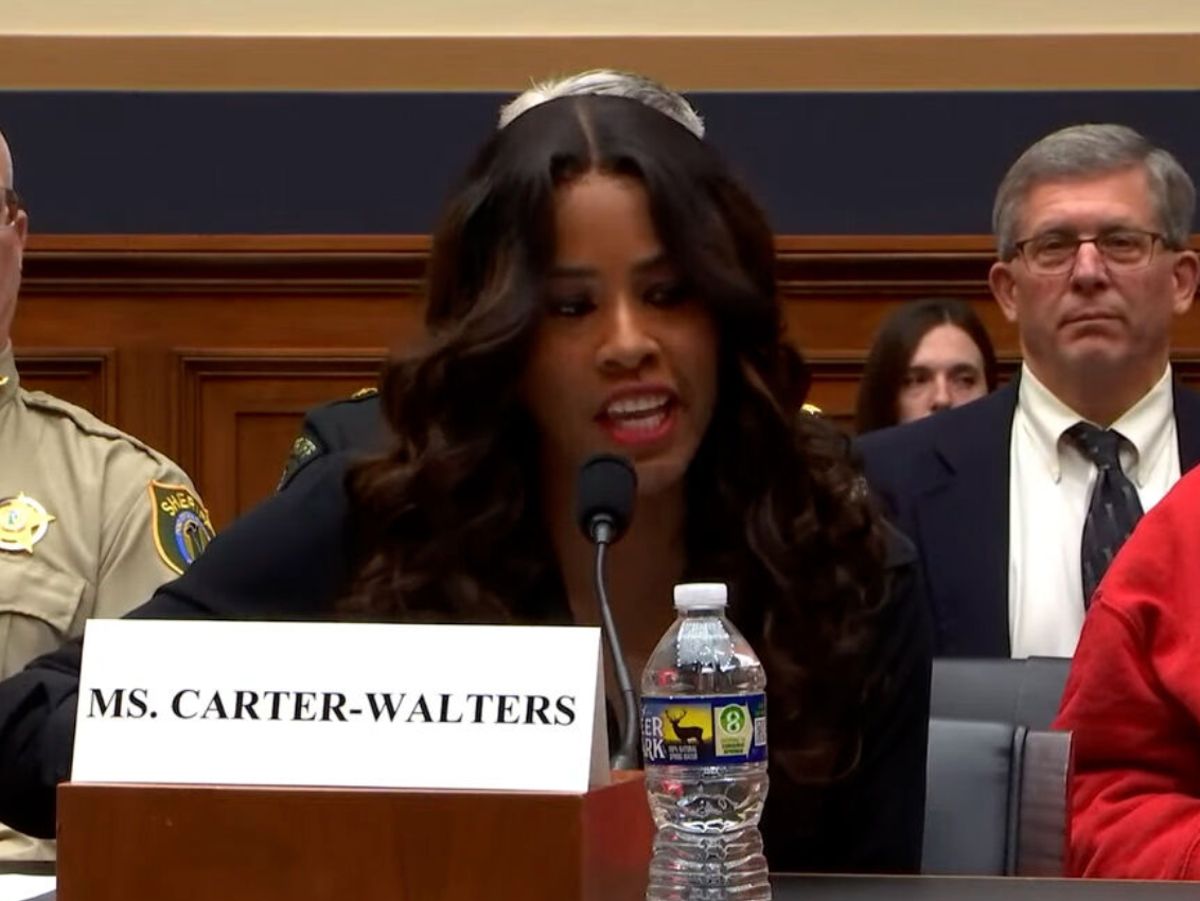
In a surprising twist, Black influencer Danielle Carter-Walters claims she inspired Donald Trump’s recent comments about “beautiful African-American ladies” urging him to send federal troops to Chicago. After Trump’s Oval Office statements, Carter-Walters, co-founder of the grassroots group Chicago Flips Red, expressed excitement, believing his words were a direct acknowledgment of her and her organization’s calls for government intervention in crime rates.
"We’ve been asking for it in our videos," she said, celebrating what she sees as a breakthrough. However, Trump's troop deployment threatens to ignite tensions, with local leaders including Illinois Governor J.
B. Pritzker and Chicago's Mayor rejecting any federal takeover and asserting that Chicago won’t back down to what they characterize as tyranny.
The ongoing political drama continues to unfold as the Pentagon plans potential deployments while the Windy City stands firm against Trump’s controversial approach.
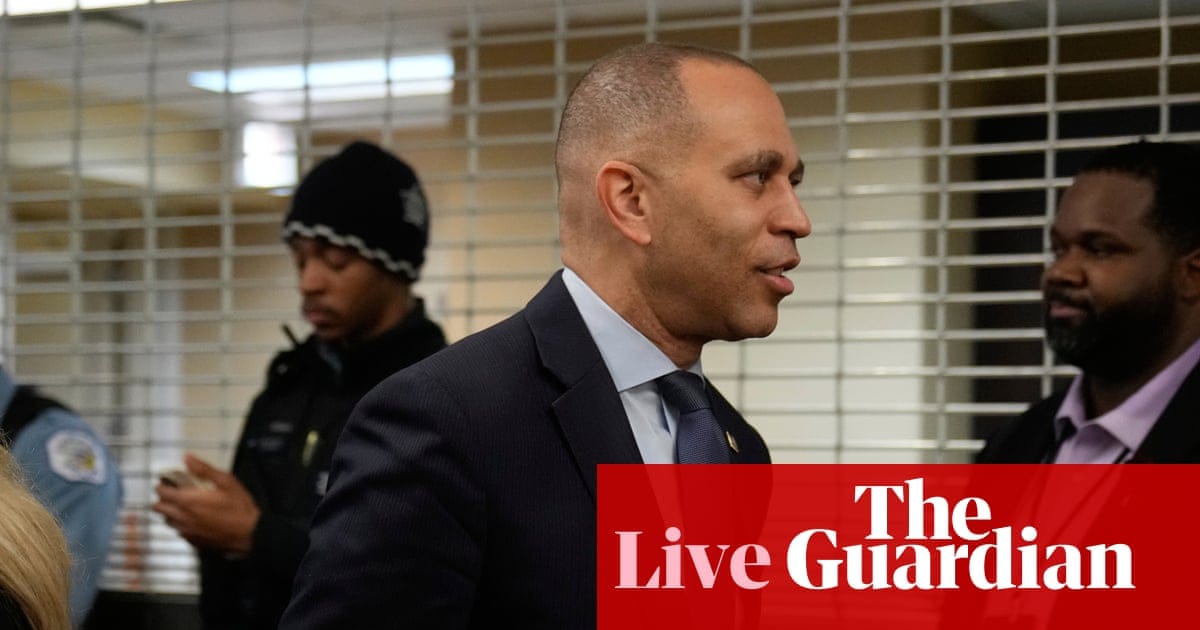
In a critical moment for U.S.
politics, House Minority Leader Hakeem Jeffries emphasizes that simply changing leadership at the Department of Homeland Security (DHS) won’t reopen the government or restore funding. Jeffries made headlines while addressing the urgent need for accountability at the Immigration and Customs Enforcement (ICE), advocating for it to operate on par with other law enforcement agencies instead of using taxpayer money to cause harm.
This comes amidst growing tensions within the Republican party, particularly concerning White House adviser Stephen Miller's influence, as Senator Thom Tillis calls for his resignation for contributing to the administration's controversial immigration policies. As global oil prices spike amid escalating military conflicts and domestic stability remains tenuous, the pressure mounts for a more effective and ethical DHS.
The unfolding drama captures the ongoing struggle for leadership and accountability within the tumultuous landscape of American governance.