- BlackVoter.Org
- Posts
- BlackVoter.Org
BlackVoter.Org

BlackVoter.org
May 30, 2026

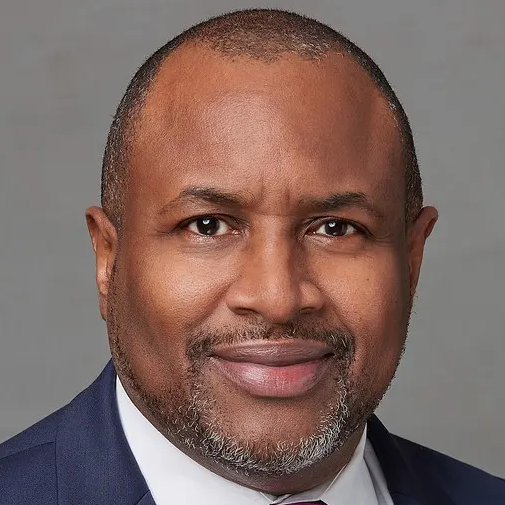
Three remarkable Black scholars have recently embraced new roles in higher education, showcasing their dedication and expertise. Andre E.
Johnson is now the director of graduate studies in the communication and film department at the University of Memphis, where he explores the powerful intersections of rhetoric, race, and religion. Meanwhile, Taylor L.
Whitehead has been elected president of the HBCU Band & Orchestra Directors’ Consortium, building on his rich experience as assistant director at Virginia State University. Lastly, Paul Joseph López Oro has been promoted to associate professor of Africana studies at Bryn Mawr College, where he dives into the complexities of Black Latin American movements and queer feminisms with his upcoming book set for release.

A pivotal court case that significantly altered voting rights in North Carolina will soon be honored with a historical highway marker. The Bazemore v.
Bertie County Board of Elections case began in May 1960 when Nancy Bazemore, an African American woman, faced discriminatory voter registration practices influenced by a biased literacy test. Despite being denied registration, Bazemore’s unwavering determination led to a lawsuit that ultimately reached the North Carolina Supreme Court.
In 1961, the court ruled in her favor, exposing the test’s unconstitutionality and sparking discussions on racial discrimination in voting. This landmark decision highlighted the ongoing struggles against disenfranchisement in the South and served as a precedent in the fight for voting rights.
The dedication ceremony for the marker will take place this Sunday at the intersection of West Watson and Sterlingworth streets in Windsor, commemorating this crucial chapter in civil rights history.

In "The Power of the Black Vote," Pastor J. Edgar Boyd emphasizes the pivotal role that Black Americans have played in shaping the nation, yet highlights the struggle they faced in achieving the rights they helped build.
From the historical exclusion outlined in the Declaration of Independence to the fierce resistance against their voting rights, Boyd chronicles how generations of activists, like Dr. Martin Luther King Jr.
, fought for equality and secured the Voting Rights Act of 1965. Today, the right to vote remains a vital tool for Black Americans, especially in shaping policies affecting their communities.
With an eye on California's upcoming governor's race, Boyd advocates for informed voting, urging Black Californians to play an active role and consider candidates like Tom Steyer, who commit to addressing issues such as economic inequality and criminal justice reform. Ultimately, he calls for the legacy of past sacrifices to inspire present action, reinforcing that Black voting power can indeed change history.


Ayuba Suleiman Diallo’s harrowing journey from prince to slave and back again is a captivating tale of resilience and charisma. Born in modern-day Senegal, Diallo was kidnapped and sold into slavery while on a trading mission.
Unlike many others, he managed to escape his brutal circumstances within two years, aided by his knowledge of languages and noble background that intrigued British sailors. Diallo became a celebrity in England, challenging the stereotypes of Africans at the time.
His experiences, highlighted in an exhibit at the American Revolution Museum in Yorktown, Virginia, emphasize his resistance to enslavement and the broader narrative of African experiences during the Atlantic slave trade. Historian Harvey Bakari, along with curator Sarah Meschutt, draws attention to Diallo’s unique status, showcasing how his education and identity as a prince captured the imagination of many, ultimately leading to his successful return home.

A growing movement among Black New Yorkers is advocating for cash reparations as a vital step toward justice for historical injustices like slavery. During a recent public hearing by the New York State Community Commission on Reparations Remedies, attendees emphasized the necessity of direct financial compensation to address the ongoing impacts of racial discrimination.
Advocates argue that $800,000 per foundational Black American could help alleviate financial hardships and promote community stability. Many speakers, including supporters of the “United States Freedmen Project,” highlighted the distinction between descendants of enslaved individuals and other African Americans, advocating for reparations based on lineage.
They believe that cash payments are essential as a starting point to address broader issues like education and policing reform. Assemblymember Michaelle Solages reinforced the importance of community input in crafting comprehensive reparations legislation, echoing calls for accountability and recognition of historical wrongs.

In a recent episode of "Straight Shooter," Stephen A. Smith responded to a jab from comedian Kevin Hart during his Comedy Central Roast, where Hart jokingly placed Smith on a “Mount Rushmore” of those who “hate black people.
” Expressing that the comment “stung” because of his respect for Hart, Smith emphasized his affection for the comedian while also defending himself against a broader narrative. He revealed that he’s faced criticism from within the Democratic Party for his refusal to conform politically, declaring that this backlash has only fueled his ambitions, hinting at a possible future run for political office or a role as a debate moderator in the 2028 elections.
Smith's engaging commentary continues to stir the pot, as he invites listeners to join the conversation on pivotal issues affecting politics and culture today.

In a poignant reflection on the ongoing struggle for civil rights, the article chronicles the bittersweet journey of Dr. Press Robinson Sr.
, a pivotal figure in Louisiana’s fight for equitable electoral representation. After decades of legal battles, Robinson, now 88, witnessed the dismantling of his hard-won victories, particularly following the Supreme Court’s damaging ruling in Louisiana v.
Callais, which eroded protections in the Voting Rights Act. The decision allows gerrymandering that minimizes Black voter influence, reigniting systemic racism.
Robinson, alongside others from the civil rights movement, confronts the reality that their lifelong efforts are being erased, leaving many feeling disillusioned yet determined. As demographics shift, the stakes remain high, underscoring the need for vigilance against complacency in the fight for equality.
The article powerfully illustrates that the battle for justice is far from over, appealing to readers to reconsider the implications of these judicial changes on democracy.