- BlackVoter.Org
- Posts
- BlackVoter.Org
BlackVoter.Org

BlackVoter.org
June 30, 2026


Colorado’s Democratic primaries showcase a fierce battle between seasoned incumbents and insurgent progressives. In key races, veteran lawmakers like Rep.
Diana DeGette and Sen. John Hickenlooper face challengers inspired by a new wave of democratic socialists, such as Melat Kiros and Julie Gonzales.
These insurgents rally around progressive ideals and aim to challenge the establishment’s political status quo. Meanwhile, Democrats vie in swing districts and statewide races, debating experience versus activism, with candidates like Attorney General Phil Weiser and Sen.
Michael Bennet exchanging sharp critiques. The primaries offer a snapshot of a party at a crossroads—whether to maintain experienced leadership or embrace energetic newcomers eager to shake up Colorado politics.
While some races remain tight, the results could reshape the Democratic landscape heading into the midterms, fueling a broader national shift towards progressive influence within the party.

This compelling article celebrates the 60th anniversary of the Black Panther Party, exploring its revolutionary legacy and its relevance today. Scholars Dr.
Joy James and Dr. K.
Kim Holder reflect on how the Panthers' radical socialism and community-centered activism contrasted sharply with contemporary reformist movements like DSA and Black Lives Matter, which they see as co-opted by capitalism and institutional politics. They emphasize the importance of grassroots community organizing, autonomous institutions, and a Panther-inspired mentality to truly challenge systemic oppression.
The discussion warns against glorifying icons and warns how mainstream movements have become absorbed into the system, diluting their radical potential. Overall, it calls for a renewed vision rooted in Black communalism and revolutionary struggle—an urgent reminder that lasting change requires more than electoral politics; it demands creating independent, self-sufficient communities and confronting imperialism head-on.


Despite over 160 years since slavery's abolition, anti-Black racism remains deeply embedded in the U.S.
economy. Scholars Michelle Holder and Jeannette Wicks-Lim explain how systemic racism is rooted in historical policies that justified slavery and continue to benefit white dominance today.
Racism acts as a political tool, assigning positive value to whiteness and negative to Blackness, perpetuating disparities in jobs, wealth, education, and health. Black Americans face persistent barriers to economic mobility, from discriminatory hiring practices to wealth exclusion.
Ending this entrenched inequality requires profound political will and acknowledgment that race is a social construct designed to uphold white privileges. Their insights reveal that dismantling racial disparities demands a radical redistribution of resources and a collective understanding of racism’s origins—showing how the fight for racial justice remains urgent, even centuries after abolition.

Black women have long been pivotal in shaping civil and human rights in the U.S.
Their legacy, rooted in trailblazers like Ida B. Wells and Maria W.
Stewart, continues through modern activists such as Alicia Garza and Stacey Abrams. From leading protests and community organizing to influencing international conversations at the UN, they employ diverse strategies to combat racism, inequality, and systemic oppression.
The movement for justice is a shared history of resilience, innovation, and unwavering commitment to building a more equitable world. Celebrating their contributions reminds us that the fight for dignity, freedom, and justice persists today—built on the powerful foundations laid by generations of Black women activists.
Their enduring legacy inspires ongoing efforts to challenge injustice and push for systemic change worldwide, emphasizing that the quest for a just society remains a vital, collective pursuit.

Evanston's recent reparations program, offering $25,000 checks to Black residents harmed by historic housing discrimination, is criticized as ineffective and morally misguided. Curtis Hill argues that cash payouts can't undo decades of systemic injustices or appropriately identify who qualifies.
The scheme's racial criteria simplify complex histories, risking lawsuits and unfairness while ignoring root issues like economic mobility and cultural shifts. Instead of monetary reparations, Hill advocates for real solutions such as enforcing equal rights, promoting education, supporting family stability, and upholding the rule of law.
He warns that paying for past wrongs with taxpayer dollars fosters division and resentment rather than healing, emphasizing that true justice comes from addressing current inequalities and opportunities. Ultimately, Hill contends that Evanston’s approach is more about feel-good gestures than meaningful change, urging communities to focus on practical reforms that uplift everyone rather than perpetuating racial division through financial compensation.

Black athletes have long been at the forefront of fighting for voting rights, from Octavius Catto’s sacrifices in the 1870s to modern icons like LeBron James founding More Than A Vote. Throughout history, figures like Joe Louis, Jackie Robinson, Muhammad Ali, and Jesse Jackson used their platforms to challenge systemic voter suppression and advocate for civil rights.
Today, college athletes and professional stars continue this legacy, mobilizing communities and pushing for institutional change, such as formal voter registration efforts and civic engagement funds tied to NIL revenue. Their activism underscores a powerful tradition: Black athletic excellence is intertwined with the fight for democracy and racial justice.
These athletes harness their influence not just to win games but to champion a more equitable America—turning attention, power, and visibility into meaningful change. Their ongoing fight reminds us that sports have long been a stage for social justice and progress.
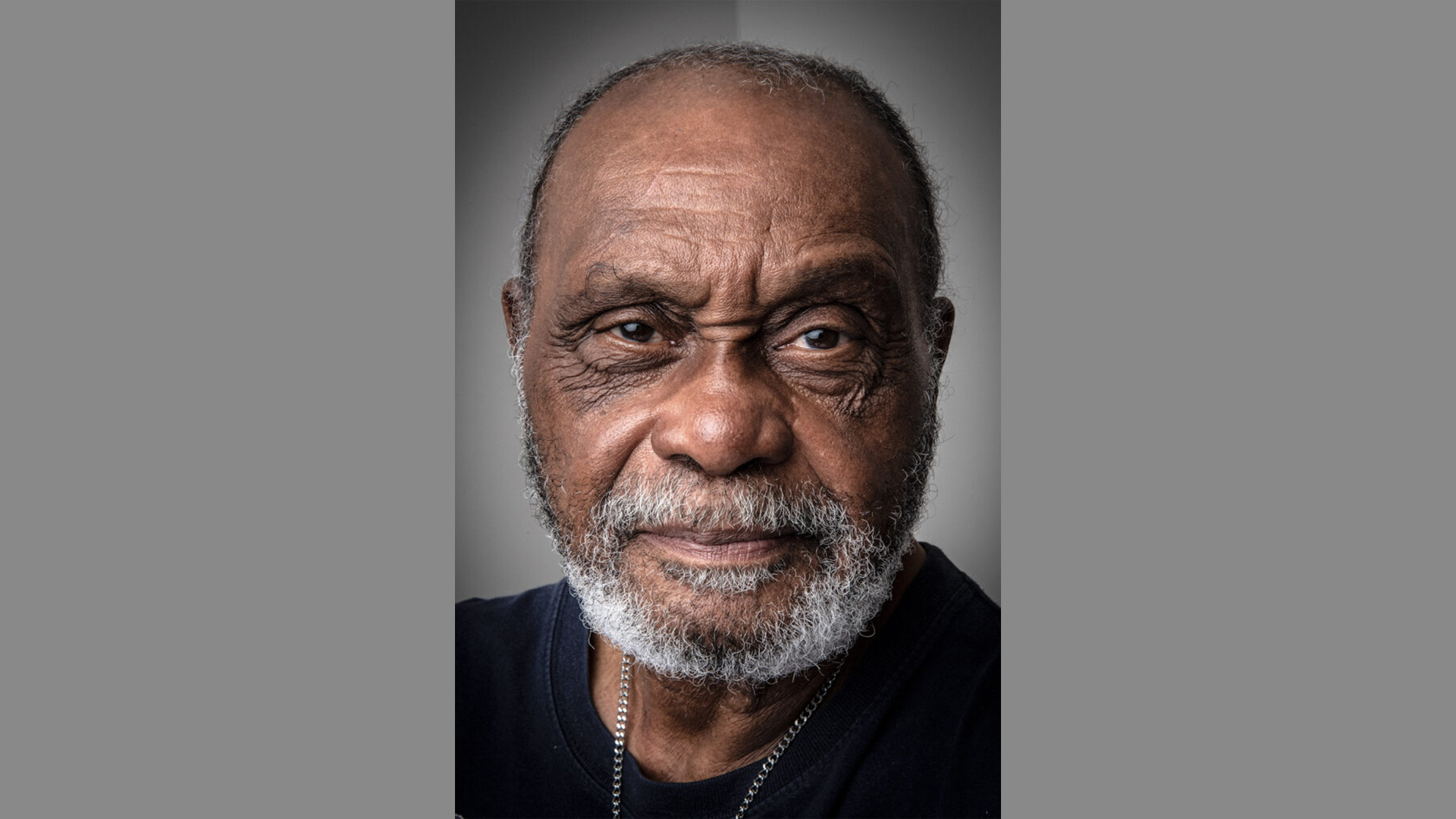
As America nears its 250th birthday, Civil Rights leader Rev. Peter Johnson reflects on a nation built on both achievement and ongoing struggle.
Despite painful history marked by slavery, segregation, and voter suppression, Black Americans have continuously fought to realize the promise of freedom and justice. Johnson honors those who marched for change, often risking everything for democracy.
While celebrating progress—like groundbreaking leaders and expanded opportunities—he warns against complacency, emphasizing the dangers of division, forgetfulness, and erasing history. With hope as his guiding light, Johnson urges Americans to confront their flaws honestly and build a more inclusive future.
His legacy of faith and perseverance reminds us that progress is never automatic but requires courage and collective effort. At this pivotal moment, he chooses hope over fear, confident that the best chapters of America’s story are still yet to come.