- BlackVoter.Org
- Posts
- BlackVoter.Org
BlackVoter.Org

BlackVoter.org
March 13, 2026

In a significant move for U.S.
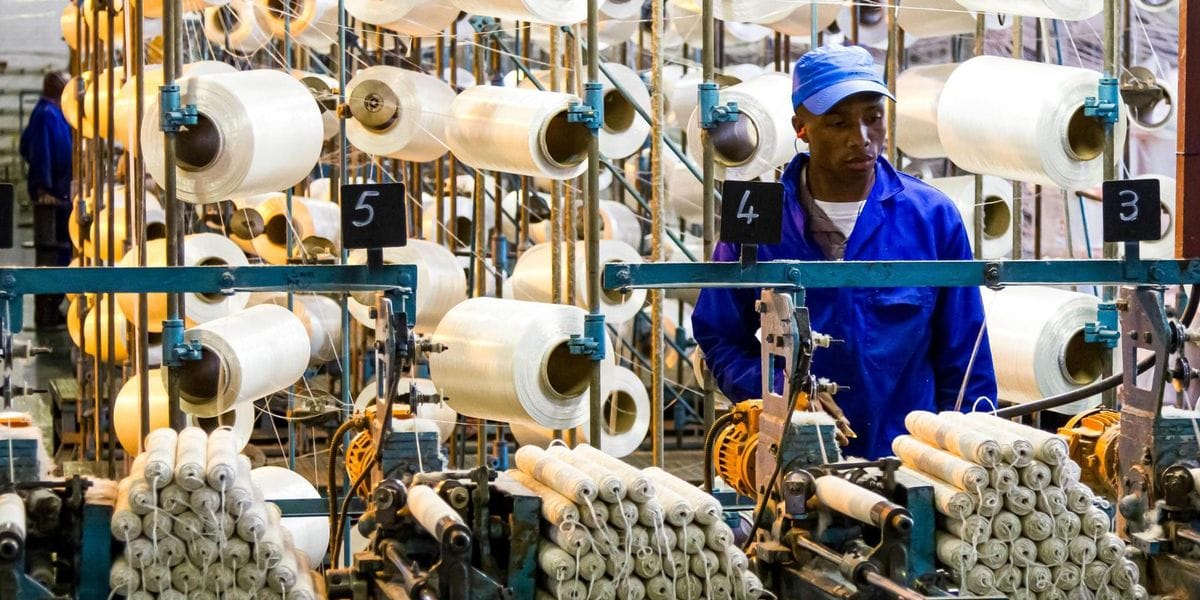
-Africa trade relations, the House of Representatives has approved the AGOA Extension Act, which will prolong the African Growth and Opportunity Act (AGOA) for three more years, ending in 2028. This bipartisan bill garnered substantial support, with 340 votes in favor.
AGOA facilitates over 1,800 African products to enter the U.S.
duty-free, benefiting key export sectors like textiles and oil. Although the agreement's efficacy has sparked debate, it remains a powerful gesture of U.
S. commitment to Africa amidst rising Chinese influence.
The bill, introduced by Representative Jason Smith, will now head to the Senate, potentially setting the stage for further discussions about U.S.
trade strategies in the Global South, especially as President Trump expresses cautious support for short-term renewals despite his general opposition to such deals. The future of AGOA—and its implications for African economies—hangs in the balance as the debate unfolds.

As the U.S.
escalates its military involvement by striking Iran, Americans express a mix of emotions ranging from confusion to concern. Many supporters of President Trump, who promised to avoid foreign wars, feel conflicted.
Some, like Nelson from Michigan, question the rationale behind risking American lives over unclear objectives, particularly with rising gas prices threatening the economy. In contrast, others see intervention as a necessity to combat terrorism, emphasizing human rights abuses in Iran.
Democrats, including Kathryn from Tennessee and Latim from Minnesota, voice fears about a potential “forever war” and its implications for domestic safety and attention to critical issues at home. Shana from Missouri worries about escalating conflict and the prospect of drafts, reflecting the wariness felt by many Americans.
Overall, the divided reactions highlight a nation grappling with the ramifications of renewed military engagement.
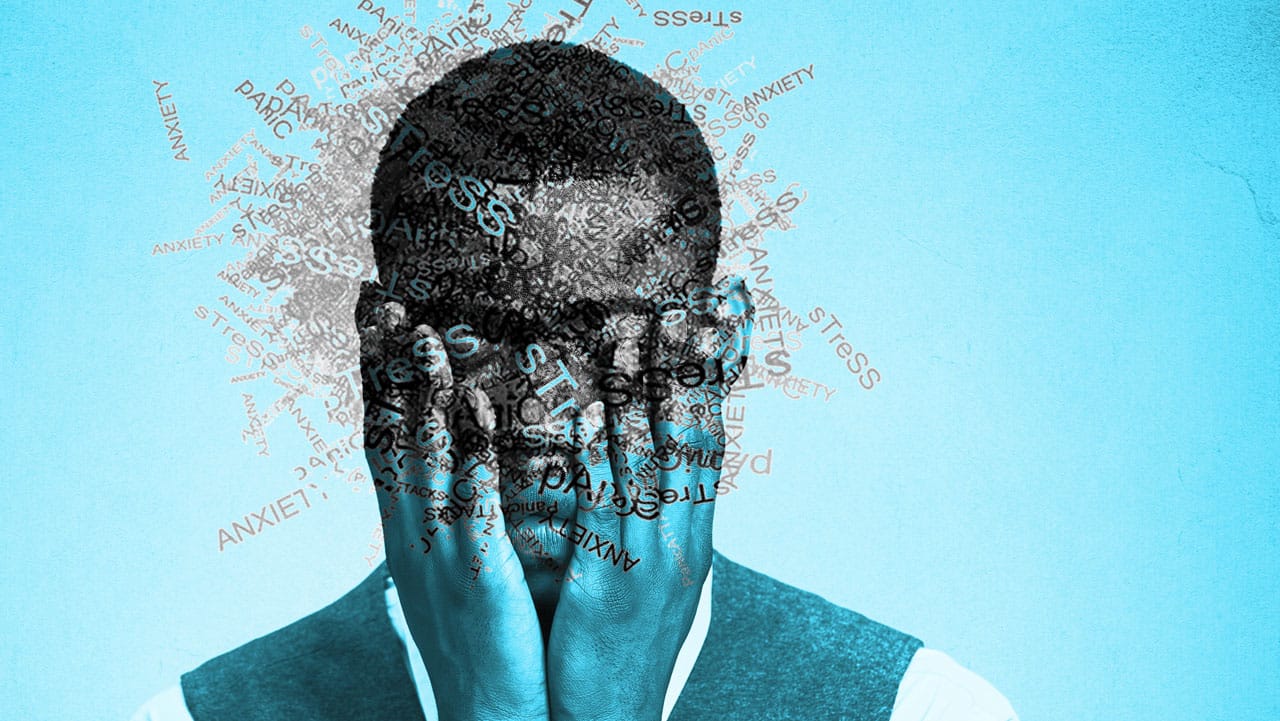
Breaking Silence: Riverside's Black Citizens Demand Mental Health Support Amidst Racism’s Heavy Toll
Riverside’s African American Citizens Panel recently convened to tackle the pressing issue of mental health in the Black community, exposing the often-overlooked impact of systemic racism. Panelists, spanning generations, shared their experiences coping with daily stressors linked to racism, economic hardship, and inadequate healthcare access.
They highlighted the urgent need for culturally competent mental health support integrated into familiar community spaces, such as barbershops and churches, rather than cold clinical settings.
Panelists called for open dialogues within families, mental health education in schools, and more Black therapists in healthcare systems.
Their powerful message is clear: it's time to confront the roots of mental distress driven by systemic racism and to invest in community-led solutions for healing. The Riverside community envisions a supportive framework that centers on Black humanity, promoting resilience and fostering a thriving future for generations to come.
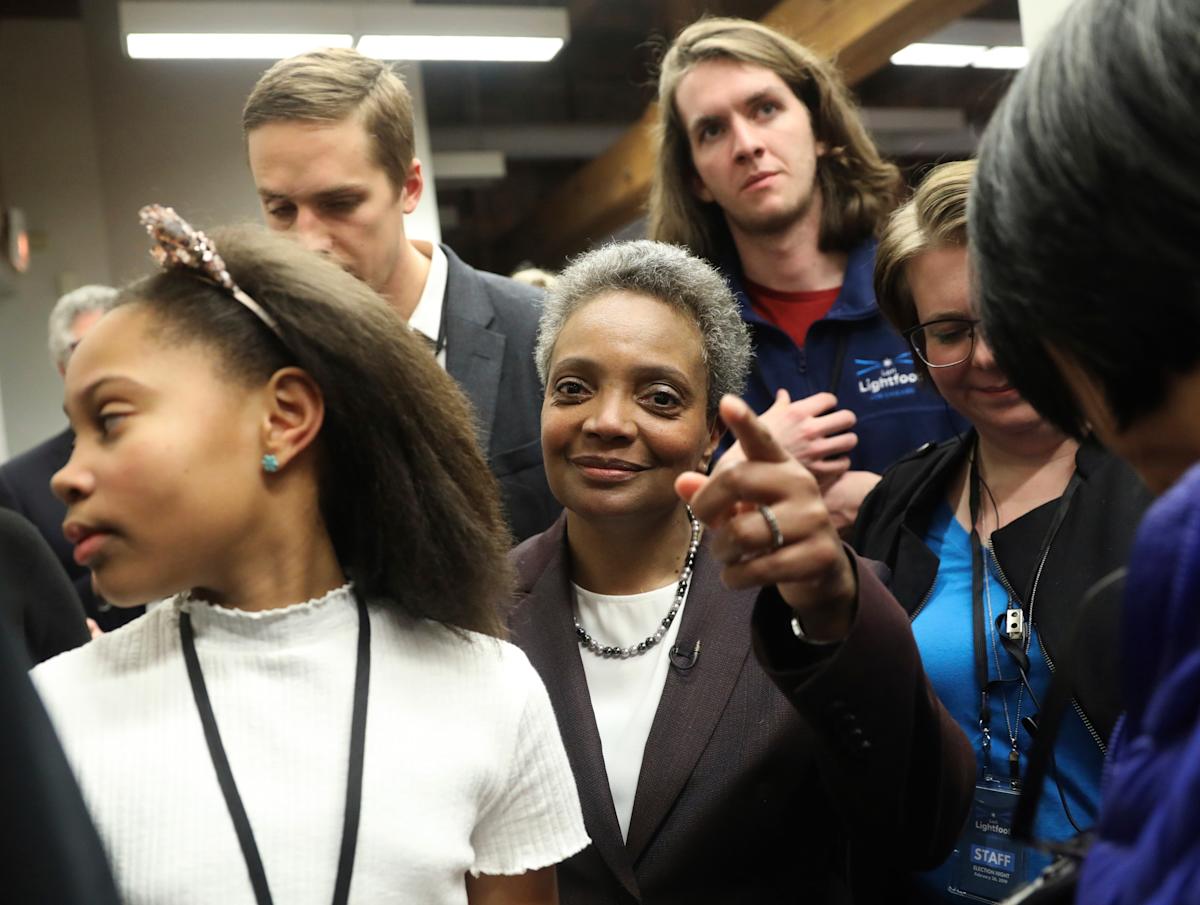
In a historic Chicago mayoral runoff, two black women—Lori Lightfoot and Toni Preckwinkle—are set to face off for the city's highest office, marking a significant moment in the politically charged landscape of Chicago. Lightfoot, an outsider and former prosecutor, has gained traction through her reformative stance on police accountability, fueled by the tragic shooting of Laquan McDonald.
In contrast, Preckwinkle brings insider experience as Cook County’s president and a longtime city council member. Despite their shared identities and progressive platforms, they represent starkly different political backgrounds and strategies.
Both candidates reflect the increasing power of black women in politics, echoing a wave of change seen across the nation. While they may have edged into the runoff with only a third of the vote collectively, their candidacies challenge stereotypes and pave the way for broader representation in a city long marked by racial divisions.
/
/
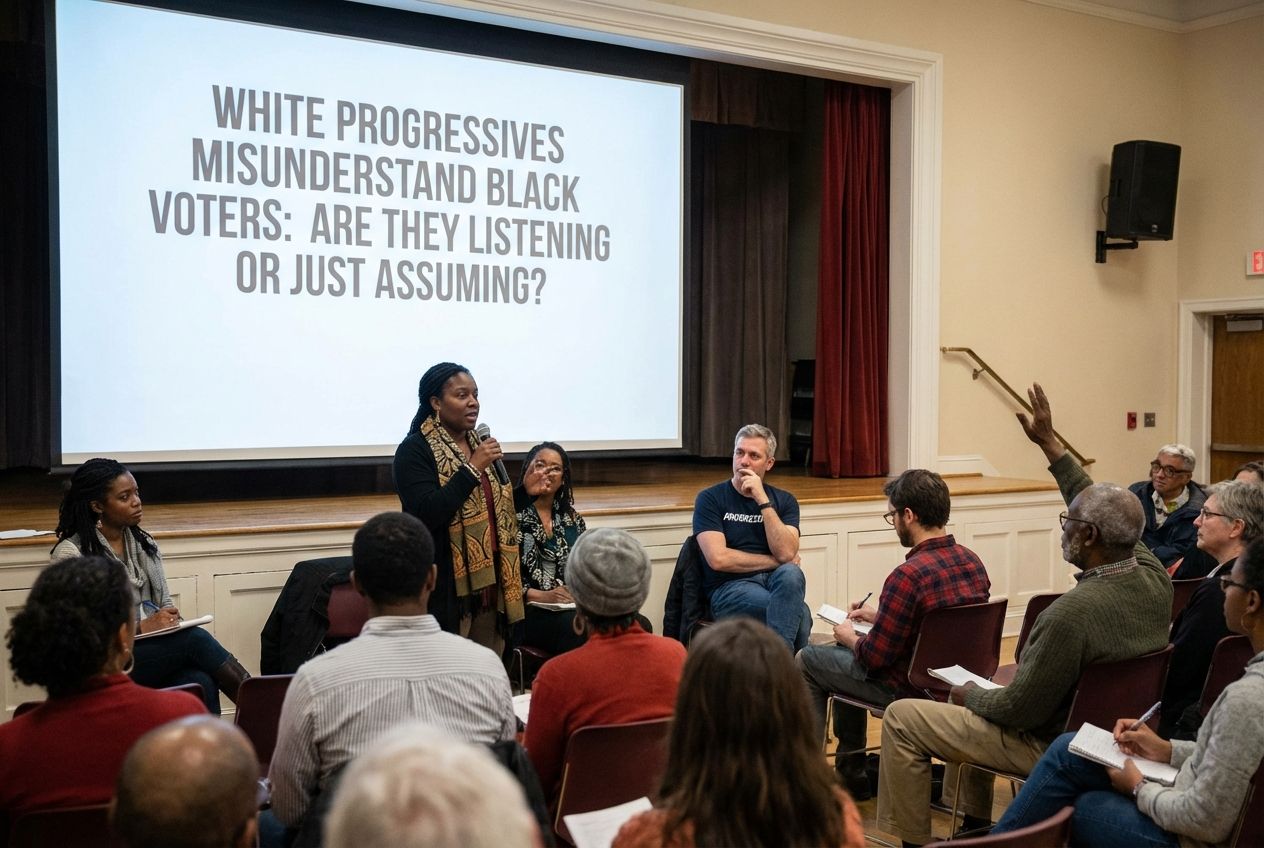
The article critiques the disconnect between white progressives and Black voters, revealing a persistent pattern of misunderstanding. Highlighting the work of Christian Lander, it addresses the tendency of white liberals to assume a monolithic perspective for Black Americans, often shaped by stereotypes rather than genuine engagement.
Post-George Floyd, many progressives rushed to back the "defund the police" narrative, despite significant polling indicating that a majority of Black Americans actually support police presence in their neighborhoods. The piece suggests that white liberals often "downshift" their language when interacting with Black citizens, missing crucial insights about their values and priorities.
By recognizing the complex diversity of thought within Black communities, progressives can better understand issues that matter to these voters, such as school choice and economic opportunities. Ultimately, the article calls for mutual respect and honest dialogue to bridge this cultural divide, reminding that the narrative shouldn't revolve solely around white perspectives.
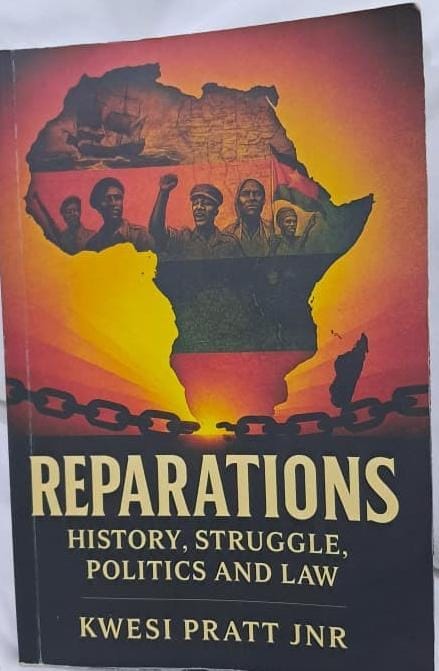
In "Reparations: History, Struggle, Politics and Law," Kwesi Pratt Jnr. delivers a powerful examination of the reparations movement, arguing that reparations are not acts of charity but overdue justice for the historical injustices of colonization and slavery.
By tracing a continuum from transatlantic enslavement to contemporary systemic inequities, Pratt advocates for a comprehensive understanding of reparations that encompasses not only financial compensation but also recognition, dignity, and cultural restoration. Highlighting examples from history and comparative international cases, he asserts that reparations must include the restructuring of global systems that perpetuate inequality.
The book challenges conventional narratives and stresses the necessity of addressing African agency in resistance against oppression. With the momentum for reparations growing globally, Pratt’s call for a united front among African nations resonates powerfully, asking how long justice can be delayed and urging transformative action toward a fairer world.
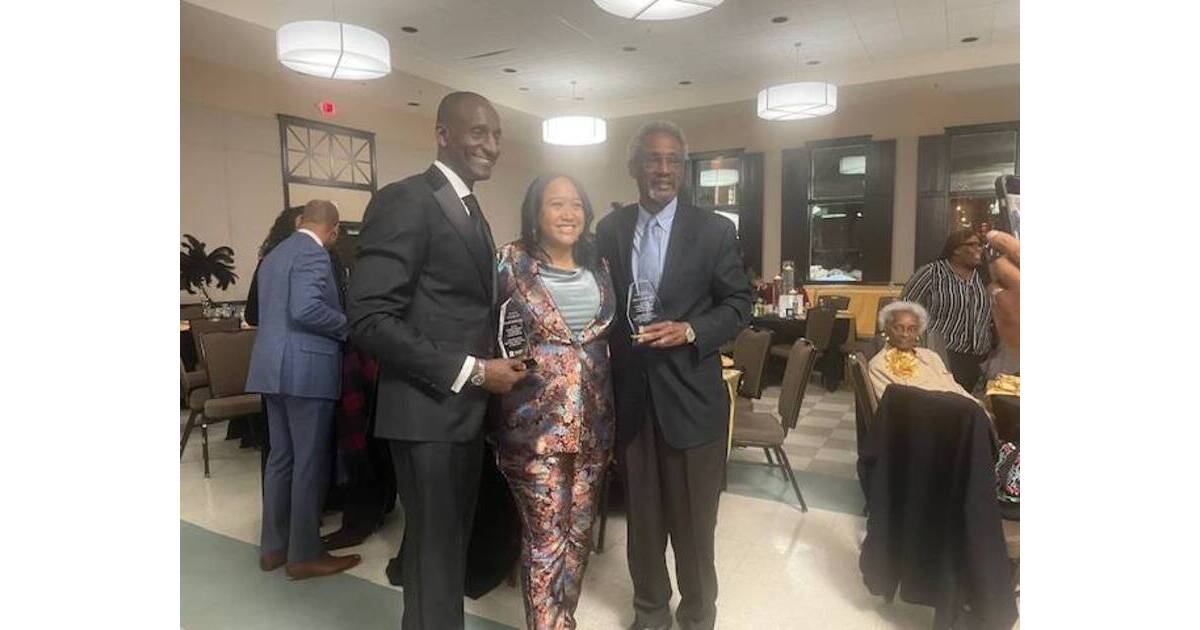
At the recent Black History Month celebration in Plainfield, NJ, leaders from Rutgers University came together to honor the rich tapestry of Black history while inspiring hope for the future. The event, marked by powerful speeches and reflections, emphasized the importance of understanding historical struggles to foster resilience and progress.
Attendees were captivated by poignant stories of perseverance and the vital role education plays in uplifting communities. The celebration not only recognized the achievements of Black individuals throughout history but also encouraged active participation in shaping a more equitable society.
With an engaging mix of remembrance and forward-thinking dialogue, the event served as a reminder that while the past informs our present, hope and collective action will pave the way for a brighter tomorrow. As Rutgers leaders illuminated their vision for the future, they reinforced the commitment to creating a just world for all.
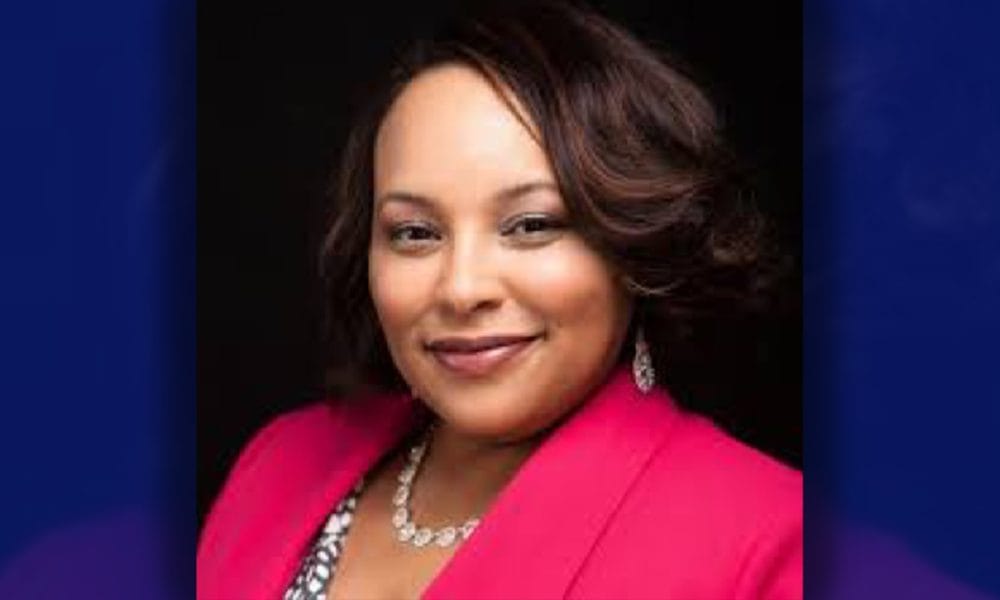
Shanna Ward’s quest to uncover her family's roots led her to the inspiring story of her ancestor, John T. Ward, a former enslaved child who became a successful entrepreneur and a conductor on the Underground Railroad.
After over a decade of genealogical exploration, Shanna published The Bequest of John T. Ward, highlighting his journey from slavery to founding one of America's oldest Black-owned businesses in 1881, the Ward Transfer Line.
John T. Ward not only fought for freedom but also emphasized economic independence, managing to survive and thrive amidst severe societal obstacles.
Shanna discusses the importance of passing down these stories to empower future generations and fill the gaps left by history. Her journey reflects a broader trend of African Americans reclaiming their family narratives, renewing a sense of identity that was fragmented by slavery.
Through her book, Shanna aims to educate and inspire others about the legacy of Black resistance and resilience in America.