- BlackVoter.Org
- Posts
- BlackVoter.Org
BlackVoter.Org

BlackVoter.org
February 24, 2026

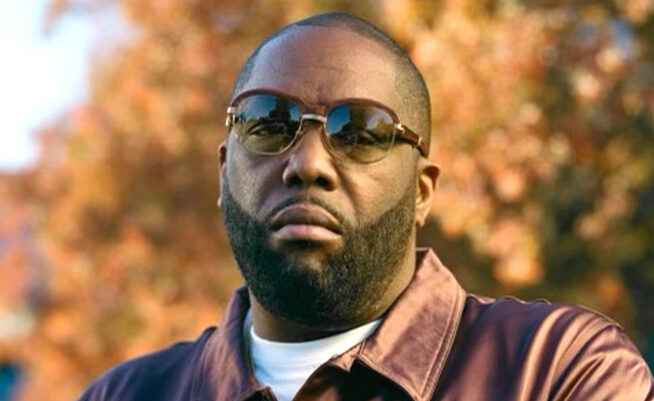
The Atlanta Hawks are gearing up to celebrate Black History Month with a thrilling game on February 26th, featuring renowned hip-hop artist Killer Mike. The event promises to honor the rich legacy of the Black community through exciting halftime tributes, storytelling, and community activities.
Fans will receive unique long-sleeve t-shirts designed by local artist Charlie Palmer, while Killer Mike and DJ Greg Street will take center stage to highlight the evolution of Atlanta's hip-hop scene. Throughout the game, attendees will witness live art from muralist Charity Hamidullah and can look forward to special giveaways celebrating influential works in Black literature.
Additionally, the Hawks are partnering with Patchwork City Farms for a pre-game initiative to uplift grassroots excellence in the community.
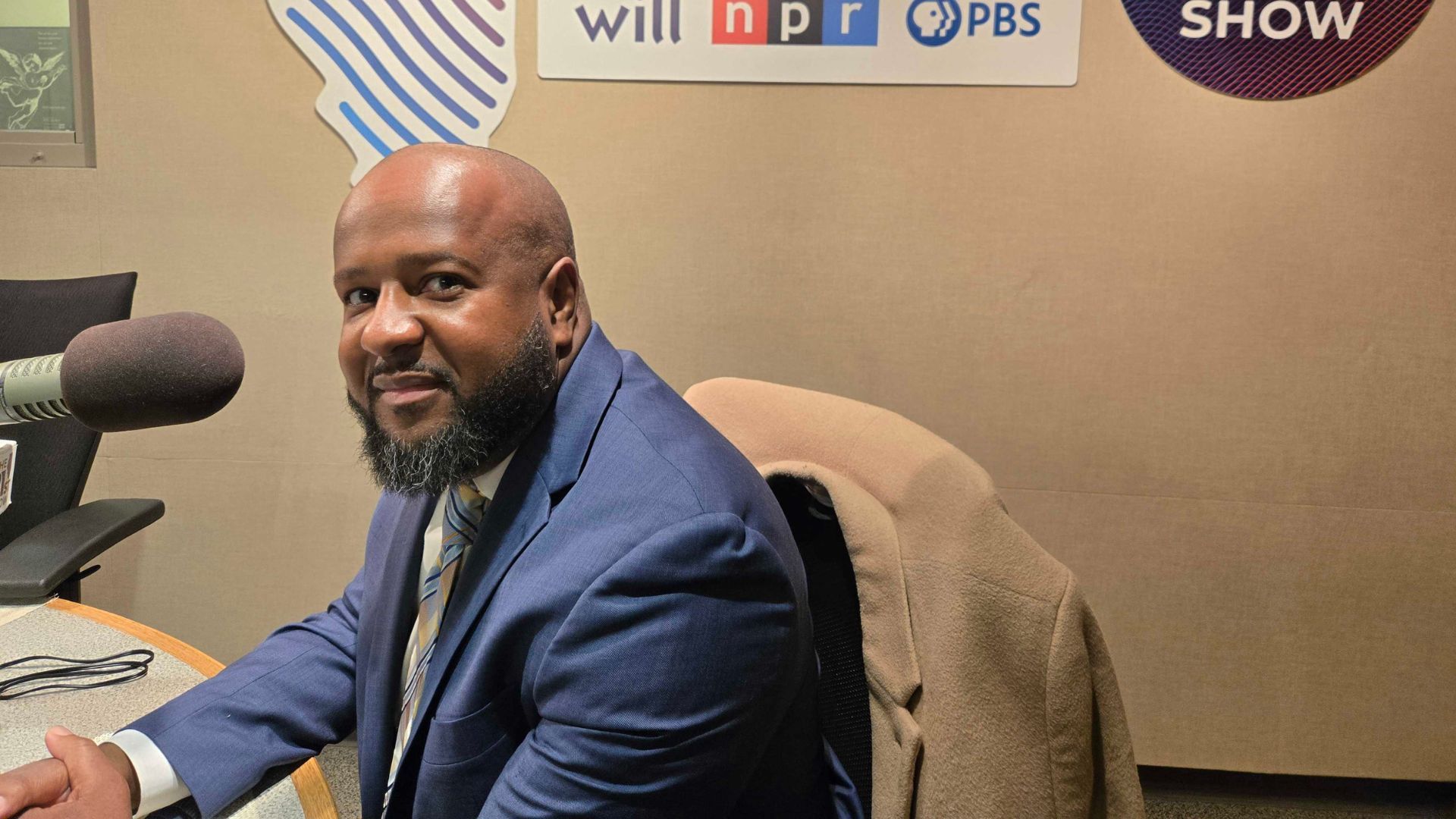
Democratic Senate hopeful Sean Brown is making waves in the Illinois primary race, focusing on critical issues like immigration, universal healthcare, and the influence of money in politics. A native of Chicago’s South Side and a seasoned lawyer, Brown emphasizes a nuanced approach to immigration enforcement, suggesting that changes to ICE operations are essential without outright abolition.
He advocates for a universal healthcare plan that allows individuals the choice between a public option and private insurance, maintaining coverage for all while fostering market competition. Brown, who prides himself on transparency, highlights his self-funded campaign, ensuring that his financial backers are individual donors rather than corporate PACs with vested interests.
As Illinois prepares for the March 17 primary, Brown’s candidacy resonates with voters seeking a fresh perspective and a commitment to principled politics.
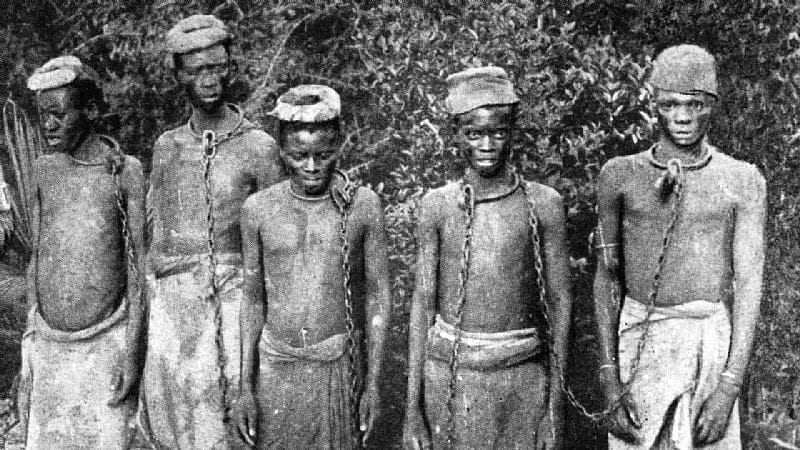
The debate over slavery reparations continues to ignite passionate discussions about justice and accountability. As the legacy of centuries of forced labor and racial oppression lingers, the question arises: should governments compensate the descendants of enslaved individuals? Since the abolition of slavery in 1865, promises of restitution have often faded, leaving many to grapple with systemic inequalities.
Supporters argue for reparations as a moral responsibility to address historical injustices and acknowledge ongoing economic disadvantages faced by Black communities. They point to international precedents, like Germany's reparations for Holocaust survivors, as compelling examples.
Conversely, critics contend that modern taxpayers shouldn’t shoulder the cost of past transgressions, raising concerns about eligibility and funding. Recent discussions have gained momentum, with legislative efforts and local initiatives exploring essential reparative measures.
The ongoing dialogue reflects a collective struggle to confront the past and advocate for a more equitable future.
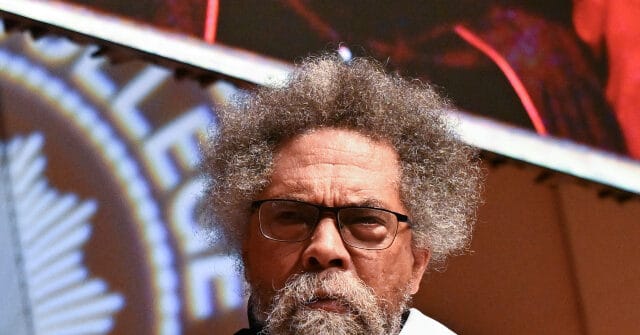
Political activist Cornel West has called out California Governor Gavin Newsom for his insensitive remarks to Black voters, emphasizing the importance of a more compassionate dialogue. West expressed his frustration over Newsom’s reference to low SAT scores during a recent speech in Georgia, suggesting that such comments reinforce harmful stereotypes rooted in white supremacy.
He encouraged Newsom to take a more humanistic approach by relating to Black voters on shared experiences rather than reducing complex identities to test scores. Even as Newsom attempted to defend his comments by pointing to his dyslexia, critics—including rapper Nicki Minaj—argued that his approach only further alienated the community.
Eminent voices like podcaster Charlamagne tha God questioned Newsom’s political aspirations, indicating a potential backlash against his perceived patronizing attitude. As debates continue, the conversation highlights the crucial need for authenticity and respect in political discourse.
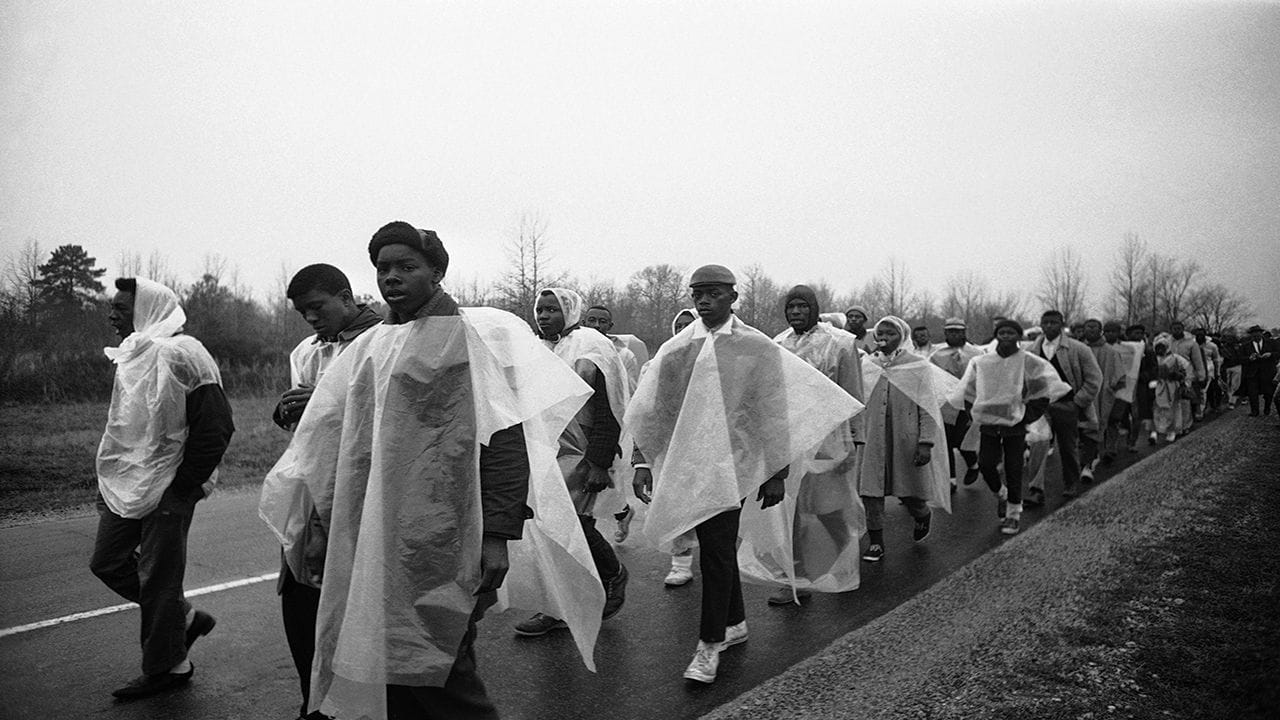
The Selma-to-Montgomery march in 1965 stands as a beacon of courage in the struggle for civil rights, propelled by a tragic event when a peaceful protest in Marion, Alabama turned violent. In response, Martin Luther King Jr.
organized this pivotal march to raise awareness about the systemic denial of voting rights for African Americans. Beginning on March 1, participants braved pouring rain, wearing makeshift rain gear as they set forth on a journey filled with challenges.
Despite relentless attempts by segregationists to derail them, and with growing national support, the march successfully concluded on March 25. This indomitable spirit was pivotal in the passage of the Voting Rights Act of 1965, a landmark legislation that empowered millions and struck down discriminatory practices like literacy tests.
The march not only highlighted the injustices of its time but also forged a path toward equality, showcasing the unwavering resilience of the Black community.
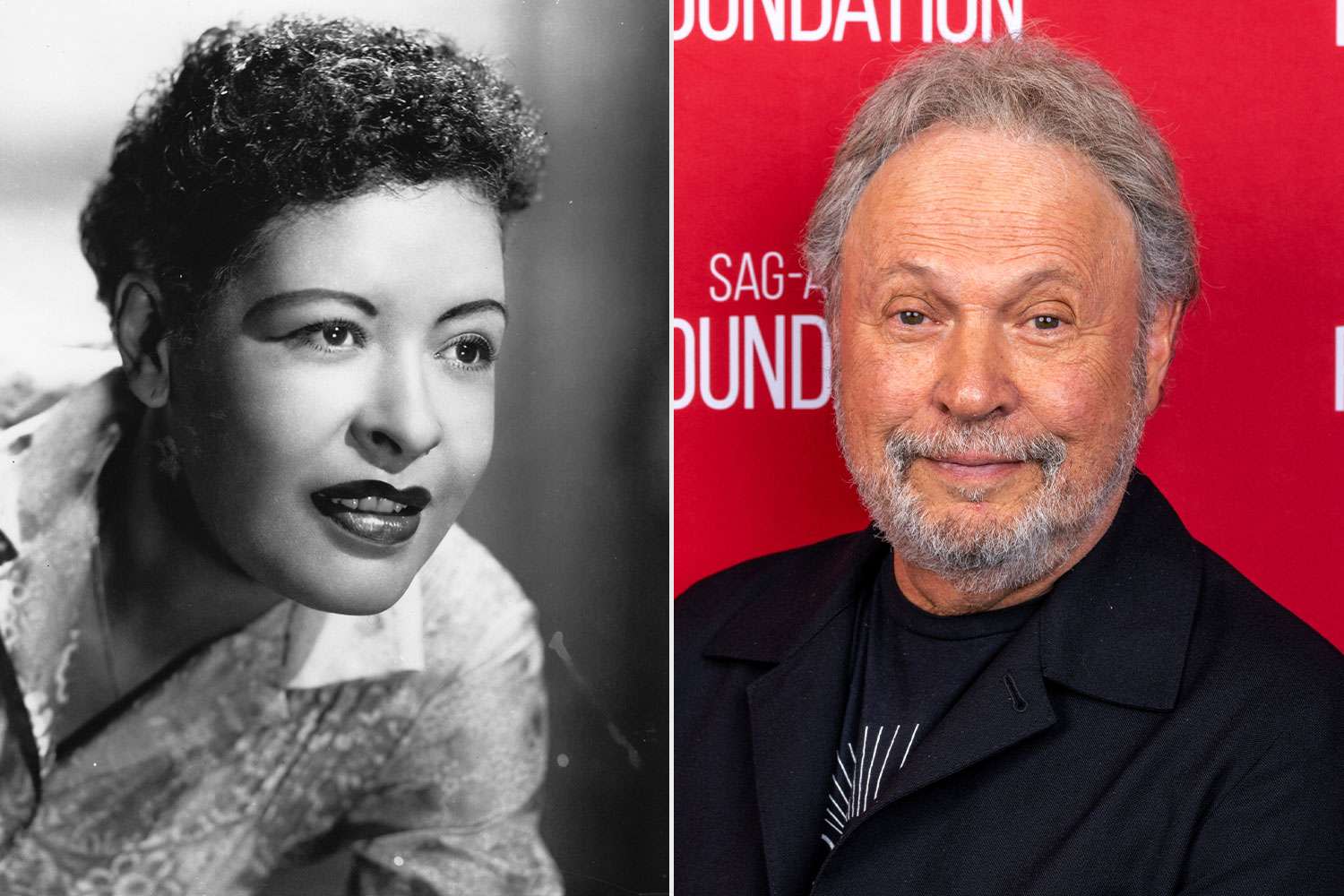
Billie Holiday, a towering figure in American music, made waves with her iconic protest song "Strange Fruit," produced by Milt Gabler—Billy Crystal's uncle. This haunting ballad, released in 1939, addresses the horrors of lynching and became a powerful anthem for the Civil Rights Movement.
Gabler recognized its importance when Holiday first performed it in his family store, leading him to record it despite widespread rejection from other labels. "Strange Fruit" not only showcased the collaboration between Black and Jewish artists but also stirred outrage and censorship, ultimately becoming Holiday's biggest hit.
Featured in the PBS docuseries “Black & Jewish America: An Interwoven History,” the song symbolizes the shared struggles of marginalized communities and highlights the profound impact of music in advocating for social justice. Gabler and Holiday's legacy continues to resonate, reminding us of the power of art to challenge injustice and promote unity.
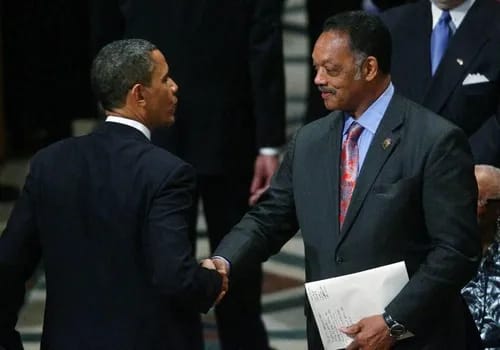
Jesse Jackson's impact on American politics and society is undeniable, as he blazed trails not just for Black Americans, but for Hispanic, LGBTQ, and other marginalized communities. His groundbreaking presidential campaigns in 1984 and 1988 challenged the status quo at a time when Black representation in government was virtually non-existent.
Jackson’s advocacy for a "rainbow coalition" highlighted the interconnected struggles of various groups, while his populist message resonated with white working-class voters feeling left behind. As we face a resurgence of divisive politics under Donald Trump, it's imperative to remember Jackson's role in shaping an inclusive America.
Dean Baker reflects on these pivotal changes, emphasizing that much of what we cherish today was instigated by Jackson's tireless efforts. Despite his imperfections, Jackson's legacy is a reminder of the progress made and the ongoing battles to defend it in the face of regression.