- BlackVoter.Org
- Posts
- BlackVoter.Org
BlackVoter.Org

BlackVoter.org
December 17, 2025

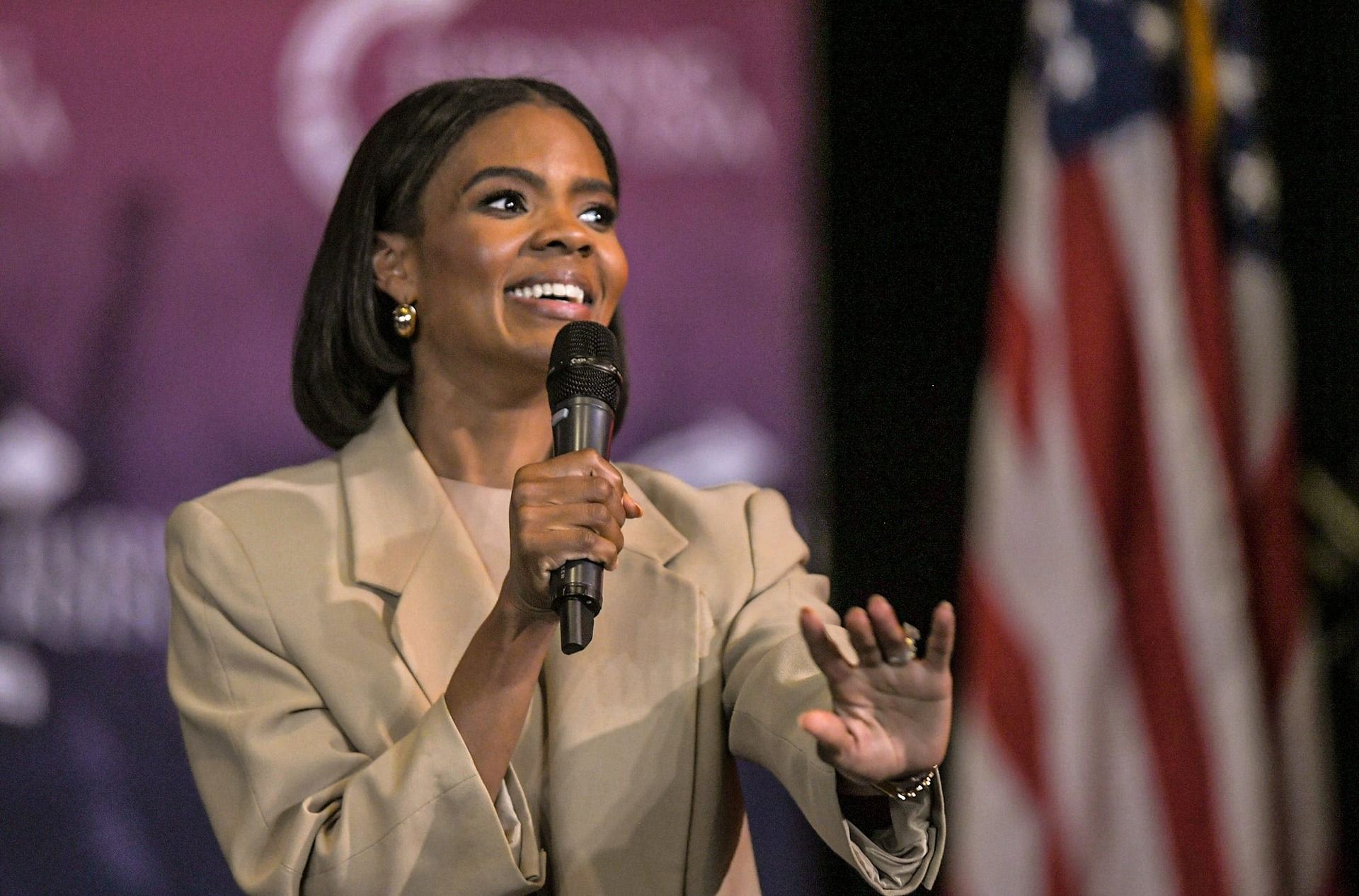
In a fiery podcast episode, Candace Owens reiterated her controversial conspiracy theories surrounding the death of Charlie Kirk despite a lengthy conversation with his widow, Erika Kirk. Owens remains unswayed, expressing suspicions about connections to Turning Point USA and even hinting at involvement from Israel and other nations.
While Erika brought documentation to debunk Owens’ claims, the meeting failed to quell her assertions, leading Owens to dismiss the evidence as "fake." The fallout from Owens' comments has sparked significant debate within the conservative community, with mixed reactions from other influencers.
As tensions mount, Owens’ audience has shown disappointment over the lack of confrontation they anticipated, reflecting the increasingly polarized discourse in the aftermath of Kirk's tragic death. With her relentless promotion of unsubstantiated claims, Owens continues to fuel divisions while challenging authority figures within her own political sphere.
/


The fascinating but tragic tale of Private Fitz Lee, a blind Black soldier, shines a light on history's complexities and injustices. After bravely serving in the late 1800s and rescuing fellow soldiers during the Cuban conflict, Lee received a Medal of Honor but faced a grim fate: he died homeless and forgotten just weeks after his discharge.
For over a century, his story was largely overlooked until the Pentagon unearthed him for an unusual purpose amidst ongoing changes to military names. Originally linked to Confederate general Robert E.
Lee, an Army base in Virginia was renamed Fort Gregg-Adams. Under the Trump administration’s controversial reversal, it was renamed Fort Lee, ostensibly in honor of Private Fitz Lee.
This twist raises questions about memorializing a soldier who represents resilience amid adversity while also highlighting a troubling legacy and the struggle for recognition within the military.
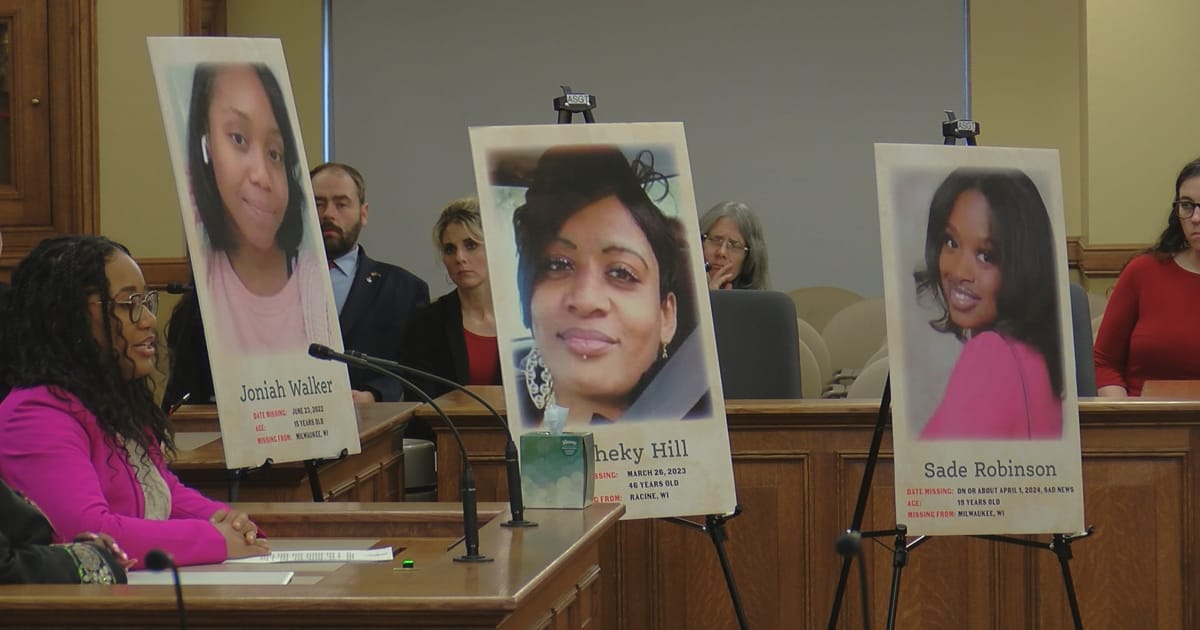
State Rep. Shelia Stubbs is on a mission to address the alarming rates of missing and murdered African American women in Wisconsin.
Highlighting the urgent need for action, she is advocating for a task force dedicated to collecting data, tackling violence, and supporting victims' families. During a recent public hearing at the Capitol, she received backing from various supporters, including Republican Senator Jesse James and Madison Police Chief John Patterson, who stressed that the task force represents a proactive step for law enforcement.
Despite previous efforts to pass similar legislation since 2021, Stubbs remains determined, emphasizing that society cannot afford to wait for another tragedy. The initiative aims to create better communication and collaboration with families affected by these cases, as echoed by mothers who bravely shared their stories.
This bill represents hope for change and a commitment to improving outcomes for vulnerable communities.
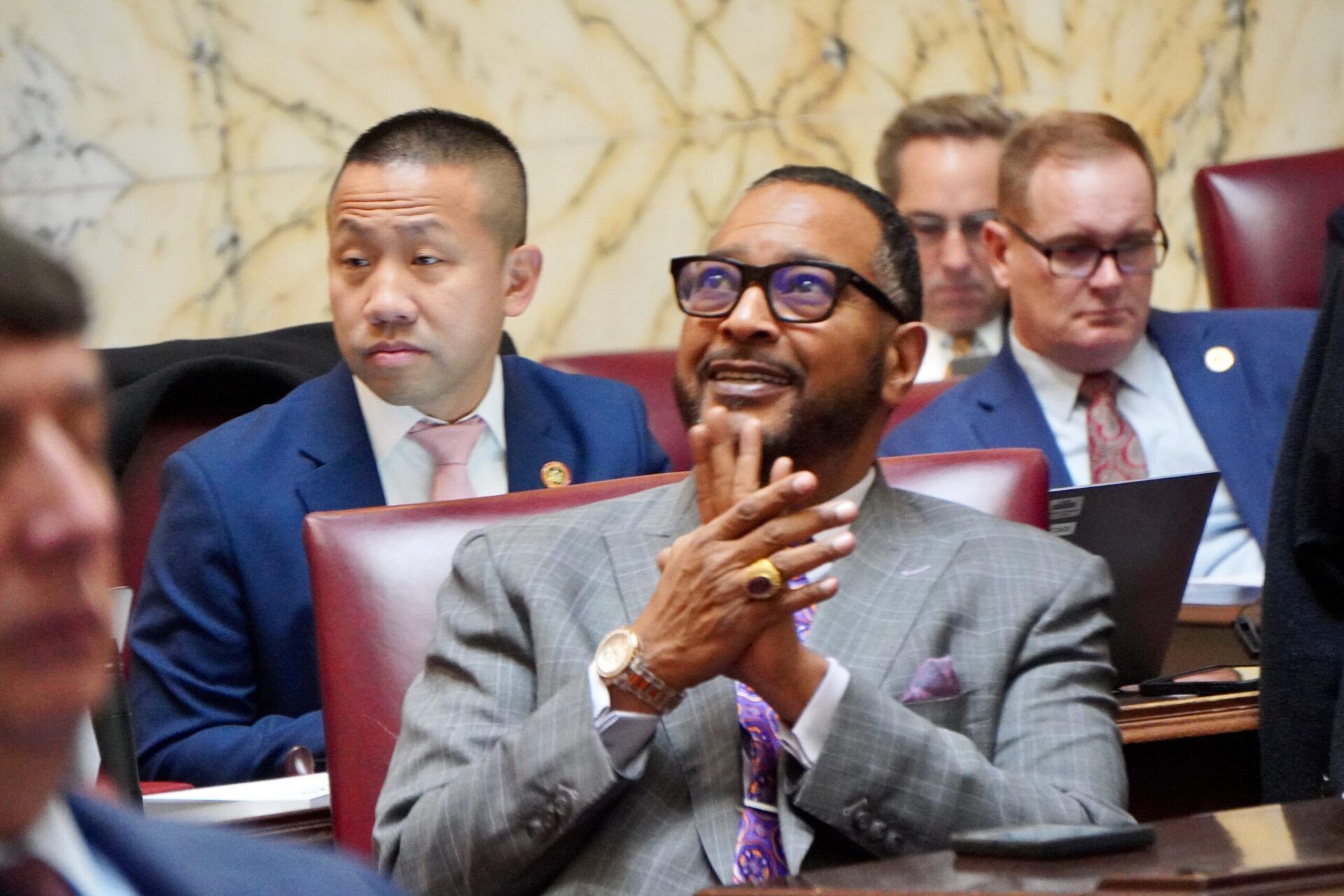
In a landmark decision, Maryland's legislature has successfully overridden Governor Wes Moore's veto, leading to the establishment of a Maryland Reparations Commission. This pivotal bill, championed by the Legislative Black Caucus, aims to evaluate historical policies from 1877 to 1965 that contributed to racial discrimination.
The commission will consist of 23 members tasked with researching systemic injustices and recommending reparative actions ranging from apologies to financial support. The governor's veto, which took many by surprise, sparked immediate outrage and a commitment from lawmakers to reverse it.
In a spirited session, 31 Democrats joined forces to champion the override amidst vibrant debates on historical accountability. Senator C.
Anthony Muse expressed gratitude for the long-awaited decision, emphasizing the commission's potential to illuminate critical issues of racial inequity. As Maryland embarks on this journey of truth and accountability, it sets a precedent for reparative justice across the nation.

In "What People Don’t Understand About Black Nationalism," The Atlantic highlights the remarkable yet often overlooked figure of Audley Moore, an influential Black nationalist activist. A new biography by Ashley D.
Farmer sheds light on Moore’s relentless fight for Black self-determination, reparations, and the complexities of her advocacy through various political landscapes—from Garveyism to communism. The article emphasizes how Moore, born in 1898 to a wealthy family, navigated personal tragedies and societal challenges, aligning with diverse groups to champion causes like fair housing and labor rights.
Despite her significant contributions and mentorship of figures like Malcolm X, Moore's narrative has faded from civil rights history due to her radical approaches. Farmer's research restores Moore to her rightful place, showcasing her as a pivotal force in the struggle for Black liberation, reminding readers that diverse paths can lead to shared goals of freedom and justice.

In "Five Reasons Black/African People Should Be in Solidarity with Venezuela," Djibo Sobukwe passionately advocates for Afro-descendant communities to unite with Venezuela’s Bolivarian Revolution. He highlights that the revolution is deeply tied to anti-imperialist efforts and the empowerment of Afro-descendants, who have historically faced exploitation.
Since Hugo Chávez's leadership, significant strides have been made in recognizing Afro-Venezuelans and improving their conditions, such as establishing cultural awareness and debt repayment initiatives, particularly towards Haiti. Sobukwe emphasizes that Venezuela has supported not only its own African-descended population but also extended solidarity to countries like Cuba, which has historically aided Africa.
The article calls for solidarity against U.S.
imperialism, urging Black communities to refuse complicity in the violence of hybrid warfare. In recognizing shared struggles against oppression, Sobukwe inspires a collective movement toward liberation across the Global South.

In a vibrant farewell address at City Hall, Mayor Eric Adams wrapped up his four-year tenure, infused with his signature hip-hop flair. Emphasizing the accomplishments of his administration, he urged New Yorkers to remember his legacy beyond recent challenges, including his indictment.
"We cannot control the price of bread, but darn it, we put bread back in the pockets of working-class people," Adams declared. To commemorate his leadership, Adams and his deputy mayors buried a time capsule containing tokens like an asylum seeker ID, a graduation tassel, and a mini Staten Island Ferry, symbolizing key moments in the city’s history.
As he bids farewell to public office, his next adventure remains a mystery, with a personal trip to Mexico on the horizon. Adams leaves behind a tale of resilience and progress, encouraging New Yorkers to keep pushing forward.
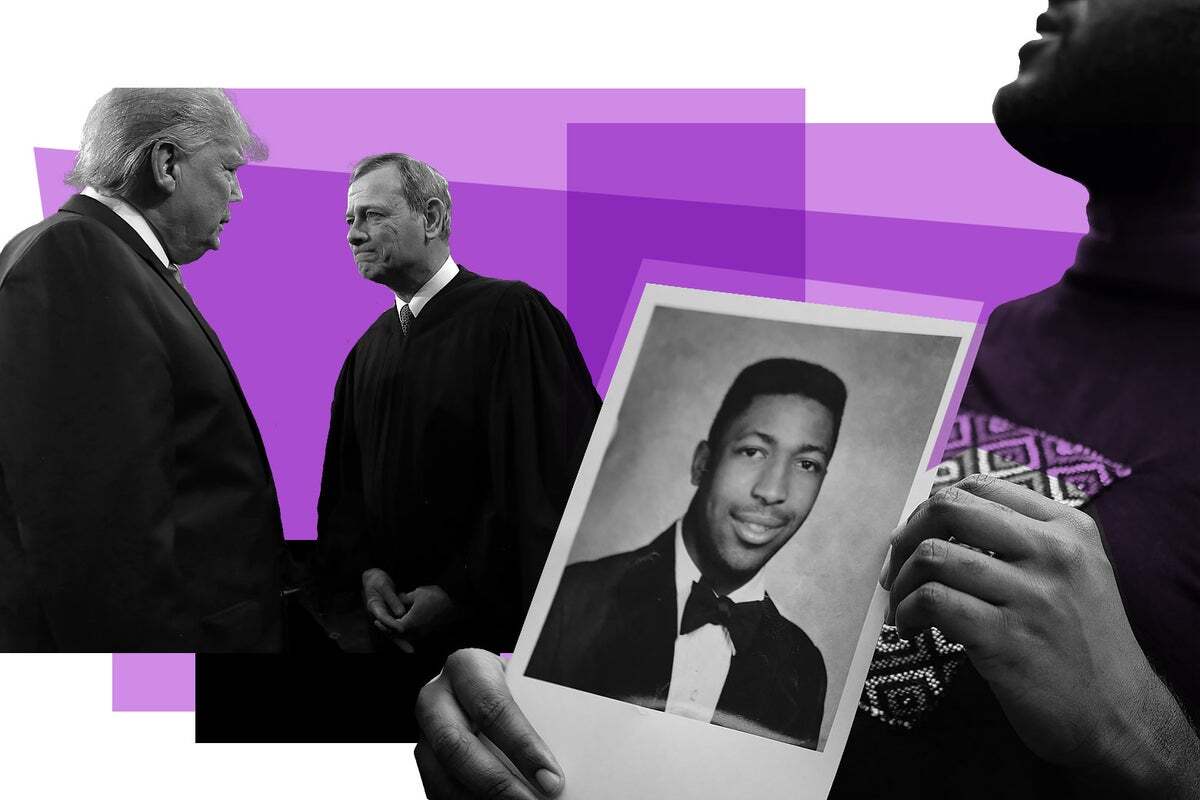
In the gripping analysis by Dahlia Lithwick, she explores why Democrats hesitate to directly address the source of Donald Trump's political might: the pervasive and often uncomfortable reality of race in America. Lithwick's conversation with civil rights attorney Sherrilyn Ifill reveals a disturbing trend of normalization and complacency in American society, particularly concerning important issues around race and institutional power.
She emphasizes that while many yearn to return to a simpler past, such as the Obama era, this longing blinds us to urgent contemporary realities, including the Supreme Court's shifting role in democracy. The article underscores the necessity of acknowledging racism's insidious influence, especially as it acts as a central element fueling Trump's machinations.
Lithwick encourages readers to recognize the urgent need for engagement and action, warning that underestimating these challenges could lead to disastrous consequences for democracy.