- BlackVoter.Org
- Posts
- BlackVoter.Org
BlackVoter.Org

BlackVoter.org
February 02, 2026


In her engaging piece, Abigail Henry shares her innovative “jawn of engagement” technique for teaching Black history in a lively, impactful way. Drawing from her experiences as a Schomburg Fellow and former high school teacher, she emphasizes the importance of starting with an open class discussion that challenges students to predict, reflect, and connect personally to historical events before diving into key texts.
This approach not only spurs critical thinking but encourages students to grapple with issues of race and identity—making history resonate deeply. Through real examples, such as lessons on the 1944 Philadelphia Transit Strike and discussions on influential Black figures, Henry invites educators to adopt this strategy and tailor it to their unique contexts.
With a sprinkle of Philadelphia slang and a focus on fostering intellectual curiosity, her insights are a refreshing call to create robust discussions around Black history in today's classrooms.

Looking for a city where Black women can truly thrive financially? A recent analysis by MoneyGeek reveals the top 25 U.S.
cities that offer the best opportunities for financial success and community support. Leading the pack are Southfield, Michigan, and Pearland, Texas, both suburbs of larger metropolitan areas.
The Southern region shines with 13 cities in the top 25, creating a promising landscape for Black women to flourish. However, challenges remain; cities like Minneapolis and Miami show severe income disparities and socio-economic hurdles that Black women face.
The study emphasizes the importance of safety, access to education, and community presence as key factors for success. Advocates recommend investing in education, building a personal brand, and striving for ownership to overcome barriers and achieve financial independence.
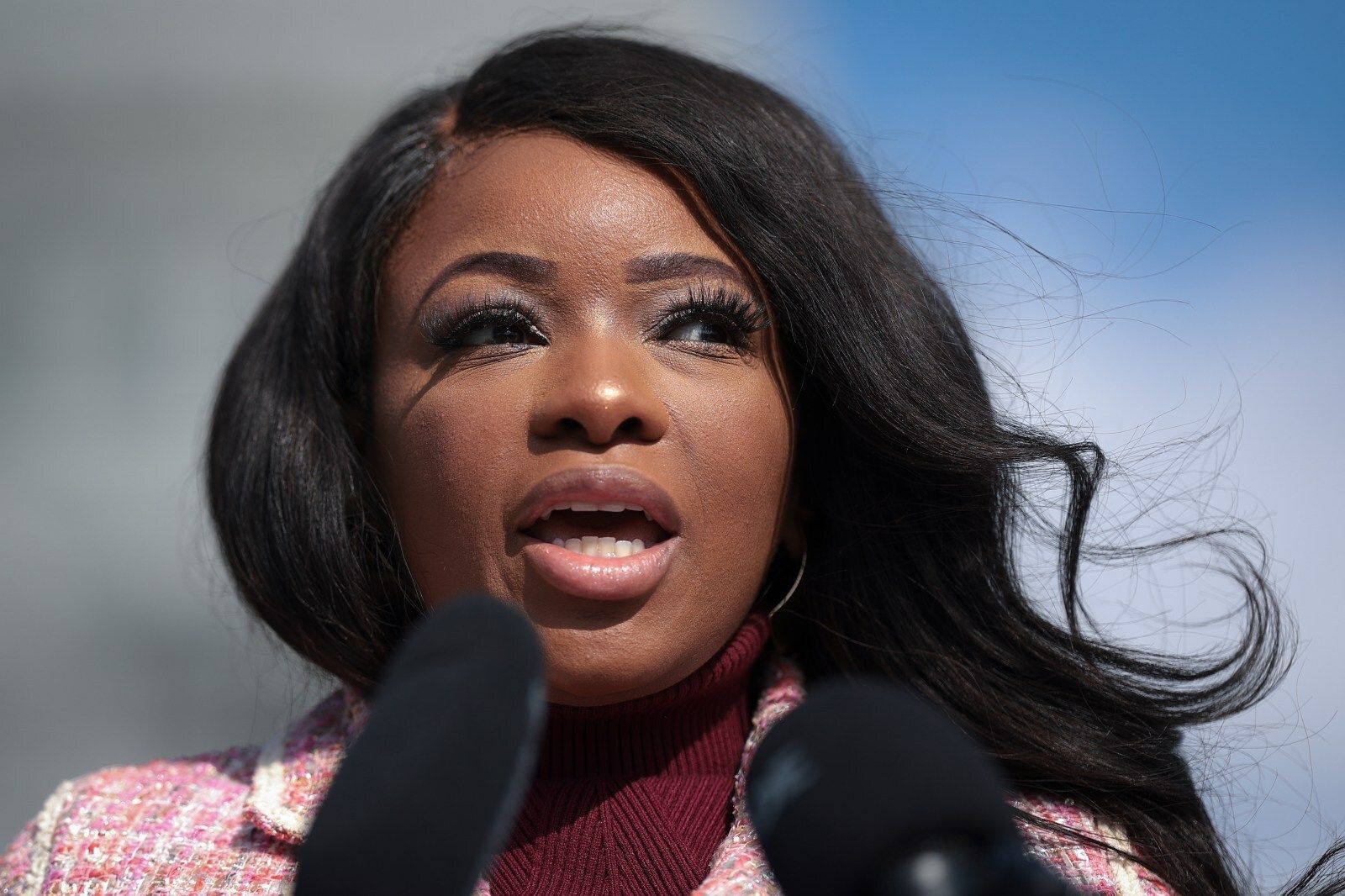
In the Texas Democratic primary, U.S.
Representative Jasmine Crockett and state legislator James Talarico are neck-and-neck, each vying for a chance to challenge Republican Senator John Cornyn in the pivotal 2026 midterms. A recent poll shows Crockett with a slim one-point lead (38% to Talarico's 37%), while 21% of voters remain undecided.
Both candidates are popular among Democrats, but debates over electability loom large. Talarico argues he can attract disillusioned Trump voters, while Crockett's supporters feel her potential candidacy as a Black woman raises unfair doubts about her viability.
Experts highlight the challenges both candidates face in mobilizing their bases while appealing to a broader electorate. As the primary approaches, tension may arise within the party, particularly if Crockett's supporters feel sidelined.
Observers anticipate a substantial impact on the general election, suggesting this contest could reshape Texas’ political landscape.
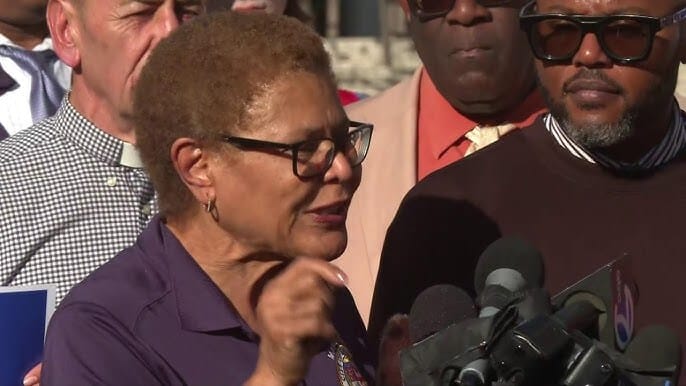
In a bold response to alarming arrests of Black journalists Don Lemon and Georgia Fort in Minnesota, Los Angeles Mayor Karen Bass rallied local officials and media representatives to address the issue head-on. Framing the arrests as a grave threat to democratic oversight and Black civic voice, Bass emphasized the need for robust protection of First Amendment rights, particularly for Black media professionals who bravely document societal injustices.
The meeting triggered an impassioned discussion about resistance, resilience, and the state of press freedom during an era of increased attacks on journalists. As community leaders unite against this trend, they seek legislation to combat the intimidation of Black voices in the media.
This show of solidarity is vital in a landscape where Black journalists face unprecedented challenges and threats, highlighting the necessity of defending their rights and preserving the integrity of journalistic work.

In the face of new dietary guidelines that promote costly foods, the article highlights the urgent need for food justice, particularly in Black communities facing food insecurity. It reflects on historical activism from the civil rights era, notably the Women of Operation Breadbasket, who fought against poor-quality food in their neighborhoods.
Through compelling campaigns, such as the Bad Meat Campaign, they challenged grocery stores to prioritize safe and nutritious food, turning supermarkets into battlegrounds for civil rights. Their legacy inspires modern movements striving to reshape food access and justice, emphasizing that food equity is a right, not a privilege.
As community-driven initiatives like the National Black Food and Justice Alliance emerge, today's activists draw from this rich history to confront systemic inequities and advocate for sustainable, equitable food systems. Remembering and learning from past struggles is an essential step toward a healthier future for all.

In a thought-provoking exploration, Psychology Today delves into the backlash faced by Black celebrities like Nicki Minaj, Snoop Dogg, and Stephen A. Smith, who are accused of "selling out.
" This critique stems from a strong desire within the Black community for solidarity, especially when individual actions seem to diverge from collective interests. The article explains how policing behavior is meant to preserve cultural unity, but it also reveals a tension between personal freedom and a perceived obligation to the community.
Minaj's support of MAGA and Snoop's participation in Trump events have sparked outrage, highlighting the complex relationship between celebrity identity and societal expectation. Likewise, Smith’s outspoken criticisms have led to accusations of racial betrayal.
Ultimately, the article emphasizes that while these celebrities assert their individual rights, the community's mixed reactions reflect deeper anxieties about racial allegiance and representation. The conversation continues to evolve, revealing the diverse attitudes within the Black community.
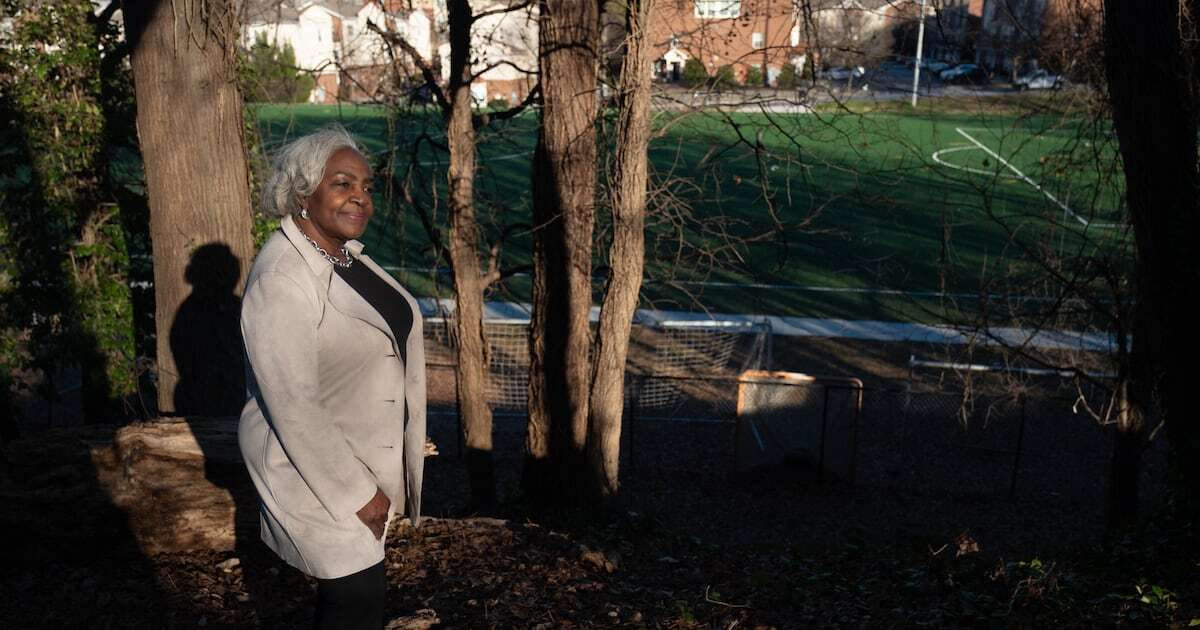
Metro Atlanta's Bold Move: Local Governments Embrace Reparations in the Face of National Challenges!
Metro Atlanta is making strides in addressing reparations at the local government level, amidst broader national conversations about racial justice. The article highlights the poignant story of Wanda Sims Watters, who, as a child, witnessed her family home in Decatur seized during destructive “urban renewal” efforts in the late 20th century.
Her family's loss is a microcosm of the historical injustices faced by Black communities in the area, prompting local activists to rally for reparative measures to heal long-festering wounds. With Decatur and surrounding municipalities now taking steps to acknowledge past wrongs, the need for equitable solutions has become increasingly urgent.
The efforts reflect a growing recognition of the need for accountability and reconciliation, as cities navigate the complexities of honoring their histories while building a more inclusive future. The journey towards reparations in Atlanta is both a challenge and an opportunity for healing.