- BlackVoter.Org
- Posts
- BlackVoter.Org
BlackVoter.Org

BlackVoter.org
January 12, 2026
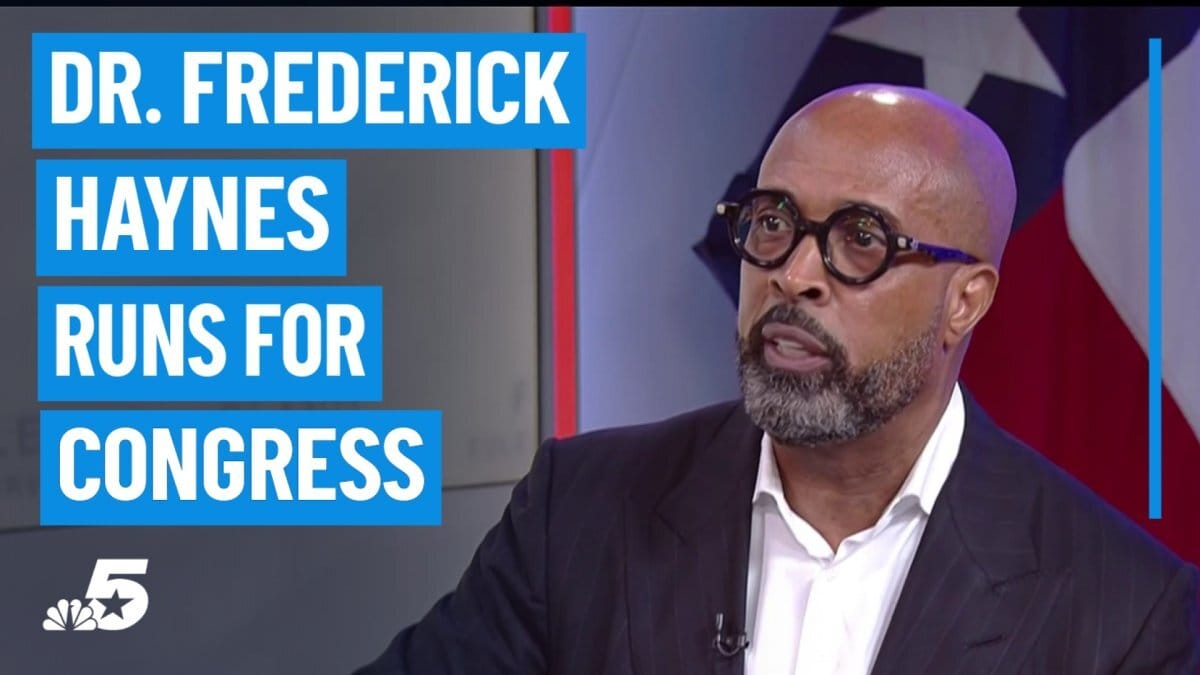
In an inspiring shift from the pulpit to the political arena, Dr. Frederick Haynes shares his journey as he embraces his new role as a politician.
Known for his passion and dedication as a pastor, Haynes isn’t just swapping a clerical robe for a suit; he’s aiming to bring his community-focused vision to the forefront of governance. Driven by a desire to make tangible changes and uplift those in need, he emphasizes that faith and politics can go hand in hand.
Haynes believes that his experiences as a spiritual leader uniquely position him to advocate for his constituents and tackle pressing issues. With charisma and conviction, he invites others to join him on this journey of transformation, proving that the heart of community service can thrive in politics, ultimately striving for justice and equality for all.


In a captivating discussion on "On Point," Congressman James Clyburn sheds light on his latest book, "The First Eight," which honors the pioneering Black congressmen from South Carolina who laid the groundwork for future leaders. Clyburn, a prominent figure in Congress himself, reflects on the struggles and triumphs of these men, emphasizing their crucial role during the Reconstruction era.
He highlights figures like Robert Smalls, who, born into slavery, became a Civil War hero and advocate for public education. Clyburn connects their historical battles to contemporary political challenges, illustrating the fragility of democracy and the necessity of understanding history to prevent repeating past mistakes.
Through engaging anecdotes and profound insights, he calls for a renewed appreciation of Black political history, urging today's leaders to learn from the resilience and courage of those who came before them.

A recent Supreme Court ruling is set to significantly alter the landscape of Black representation in Congress, potentially leading to the largest drop in history. As the Court deliberates a key redistricting case related to the Voting Rights Act, there are concerns that a ruling favoring the reduction of Section 2 protections could jeopardize at least 15 House districts currently held by Black lawmakers.
This ruling would particularly impact states with polarized voting patterns, where district lines have historically been drawn to enhance minority representation. Advocates worry that, without these protections, the gains made since the Civil Rights Movement could reverse decades of progress, culminating in diminished political power for Black communities.
Activists and lawmakers alike stress the importance of maintaining robust representation, asserting that these changes could echo the historical disenfranchisement faced during earlier Reconstruction eras. As discussions unfold, the battle for equitable political representation remains ever relevant.

In a surprising twist in Michigan politics, Lt. Gov.
Garlin Gilchrist II has shifted gears from his gubernatorial campaign to launch a bid for Secretary of State. Citing concerns over political extremism and a desire to protect voting integrity, Gilchrist is eager to step into this crucial role as the state's chief elections official.
With experienced candidates like current Secretary of State Jocelyn Benson and others already in the race, Gilchrist brings high name recognition and a unique tech-savvy background as a software engineer. His entrance comes amid a competitive Democratic primary shaped by larger gubernatorial dynamics, including former Detroit Mayor Mike Duggan running as an independent.
While Gilchrist's campaign pivots reflect strategic decisions driven by fundraising challenges, he remains optimistic about his impact on Michigan’s electoral system and hints at possible future ambitions. The political landscape in Michigan continues to evolve, promising an intense election season ahead.

Tampa is gearing up to redraw its City Council district maps as part of a routine redistricting process taking place every four years. With over 20,000 new residents flocking to the area since 2020, adjustments are necessary to reflect shifting demographics.
However, officials assure that changes will be modest, akin to "surgical moves" to maintain balance across districts. Notably, District 5—encompassing downtown and Ybor City—has seen a significant demographic shift, with African American voters no longer in the majority despite remaining the largest group.
Councilman Luis Viera emphasizes the importance of preserving African American representation in council discussions. The planning commission will conduct open houses in mid-January, followed by public hearings in February and March, before finalizing the new maps.
This process aims to ensure fair representation and reflect Tampa's evolving community.

As Florida gears up for the 2026 Legislative Session, Sen. Shevrin Jones is stepping into the spotlight with an array of people-centric proposals aimed at addressing pressing community concerns.
Focusing on the themes of financial stability, personal rights, and safety, Jones highlights critical initiatives such as SB 114, which ensures patients receive adequate notice from health insurers before losing coverage. He’s also spearheading the CROWN Act to combat hairstyle discrimination in schools and a "blue envelope" program designed to help those on the autism spectrum communicate effectively during traffic stops.
Additionally, the proposed “Ya Ya Alert” system aims to enhance school safety in the wake of tragic incidents. With a mission to bridge the gap between government and constituents, Jones's bold legislative agenda promises to prioritize the voices and rights of everyday Floridians in the coming session.

On January 12, we celebrate the legacy of Mary Townsend Seymour, a passionate civil rights advocate born in Hartford in 1873. After losing her parents at a young age, she was adopted by local activist Lloyd Seymour and grew to become a vital force in her community.
In 1917, Mary founded the Hartford chapter of the NAACP and actively addressed the challenges faced by African Americans during a tumultuous era in the 1910s and 1920s. From co-authoring a groundbreaking exposé on wage discrimination to becoming the first African American woman to run for statewide office in Connecticut, her efforts championed workers’ rights and women’s suffrage.
Mary passed away in 1957, leaving a lasting impact that inspired the naming of “Mary Seymour Place” in her honor, highlighting her incredible contributions to Hartford's history and the Civil Rights Movement.