- BlackVoter.Org
- Posts
- BlackVoter.Org
BlackVoter.Org

BlackVoter.org
December 30, 2025

Jasmine Jordan, a PhD student in Criminology at the University of Cambridge and a Gates Cambridge Scholarship recipient, is on an impactful mission to uncover the harms of incarceration, particularly as they affect the Black community in the U.S.
With the U.S.
holding the world’s largest prison population, Jordan highlights the alarming statistics: while Black individuals make up 37% of incarcerated people, the systemic issues extend far beyond numbers. Her research, titled “The Symbiotic Harms of Incarceration: Political and Community Effects of the Incarceration of Black Women,” delves into the political disenfranchisement and community destabilization caused by incarceration.
Jordan argues that the repercussions go beyond prison walls, leading to deteriorating mental health and societal resources. Through qualitative interviews and quantitative analysis, she aims to explore how formerly incarcerated Black women navigate activism and rebuild their lives, illustrating the urgent need for widespread reform beyond mere legal changes.


Governor-elect Abigail Spanberger has made a significant appointment in her administration by selecting Dr. Sesha Joi Moon as Virginia’s new Chief Diversity Officer.
With over two decades of experience in promoting diversity and inclusion, Dr. Moon most recently served as the Chief Diversity Officer for the U.
S. House of Representatives, where she worked under various congressional leaders.
Spanberger praised Dr. Moon's extensive background spanning government, education, and nonprofit sectors, highlighting her commitment to helping all Virginians reach their full potential.
Dr. Moon, a proud Virginia native, expressed her honor in taking on this role, emphasizing the importance of access to opportunities for every resident, especially those from underrepresented communities.
With her impressive credentials, including a Ph.D.
in Public Administration and recognition as a DEI pioneer, Dr. Moon looks poised to shape a more equitable future for the Commonwealth under Spanberger’s historic leadership.
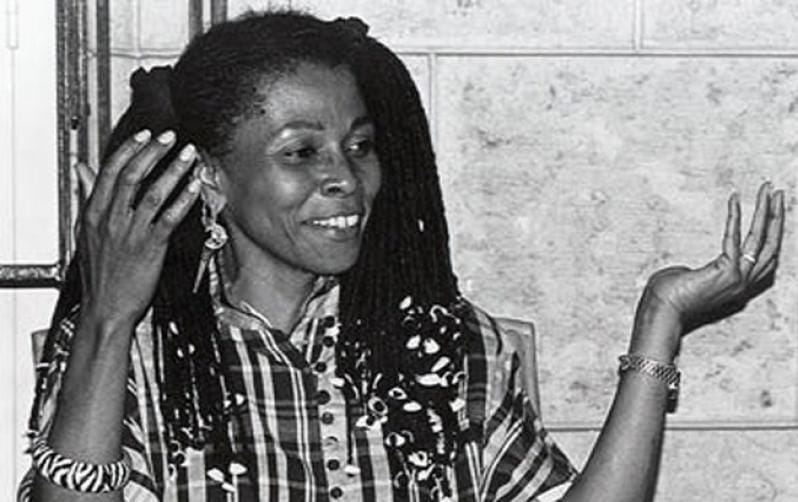
Assata Shakur, a pivotal figure in the Black liberation movement, left an indelible mark that continues to inspire generations. Born JoAnne Deborah Byron, she emerged as a fierce advocate within the Black Panther Party and the Black Liberation Army.
Shakur's life took a dramatic turn after a 1973 shootout led to her wrongful conviction for murder and subsequent escape to Cuba, where she lived in exile until her death in 2025 at the age of 78. Her autobiography, “Assata: An Autobiography,” serves as a powerful blueprint for contemporary organizers, emphasizing the importance of solidarity and resilience in the face of systemic oppression.
Shakur's legacy transcends her struggles; she embodies the spirit of resistance and empowerment, reminding activists today of the collective journey toward liberation. As community leaders carry her message forward, they honor her sacrifices while continuing the fight against racial injustice.
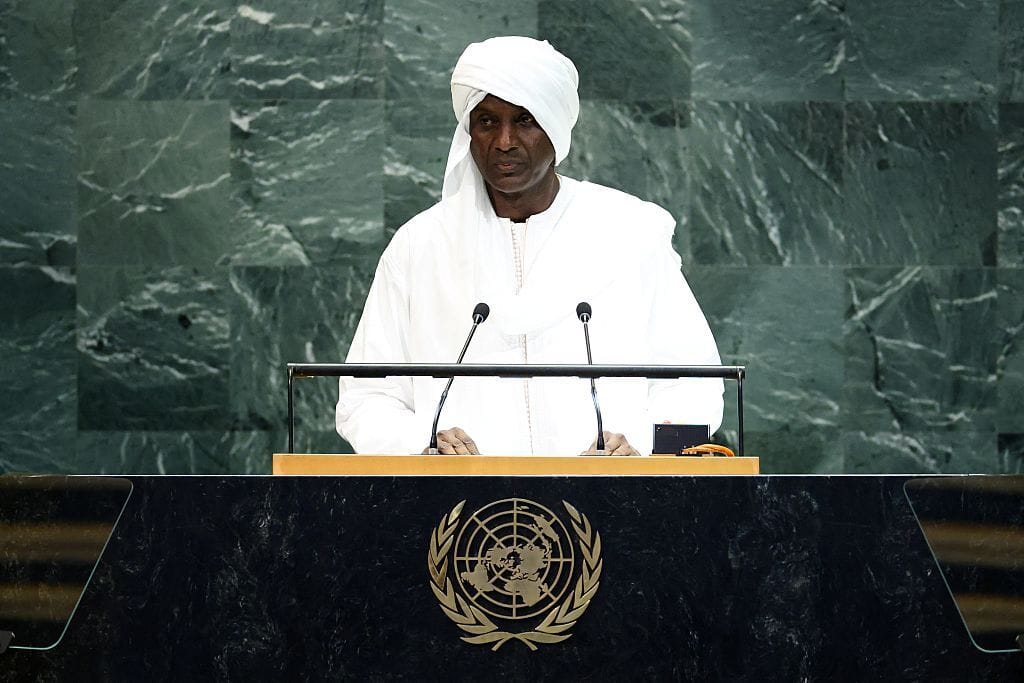
In a significant diplomatic twist, Niger has enacted a ban on visa issuance for U.S.
citizens, responding to being added to the Trump administration's travel restrictions. This bold move reflects the growing tension between the U.
S. and several African nations, as Niger joins Chad in imposing reciprocal travel bans this year.
Behind the scenes, Niger grapples with its own challenges, including an ongoing fight against Islamist insurgencies and shifting alliances, notably nationalizing French-controlled resources and seeking support from Russia. Despite these tumultuous times, Niger has not severed ties with the U.
S., as evidenced by its ambassador recently presenting credentials to Trump and emphasizing the 65-year bilateral relationship.
However, this latest visa ban highlights the discontent among African nations regarding U.S.
policies and signals a pushback against perceived injustices in international relations. As the world watches, the situation continues to evolve, jeopardizing the future of U.
S.-Africa relations.

In a provocative analysis, the New Pittsburgh Courier highlights the alarming implications of Donald Trump's recent policies on Diversity, Equity, and Inclusion (DEI) for Black Americans. Since his re-election, Trump has systematically dismantled initiatives that have been crucial for advancing Black economic and social progress, particularly in areas like education and homeownership.
As these structures falter, the article raises urgent questions about the future of the Black wealth gap and housing opportunities. The removal of DEI frameworks threatens to choke off vital pathways to economic stability and institutional support, leaving many vulnerable to displacement and inequality.
The piece emphasizes the need for a strong, unified response from the Black community, advocating for political engagement and grassroots support to counteract this regression. Ultimately, it argues that property ownership and community empowerment must remain at the forefront of the struggle for equity and justice.
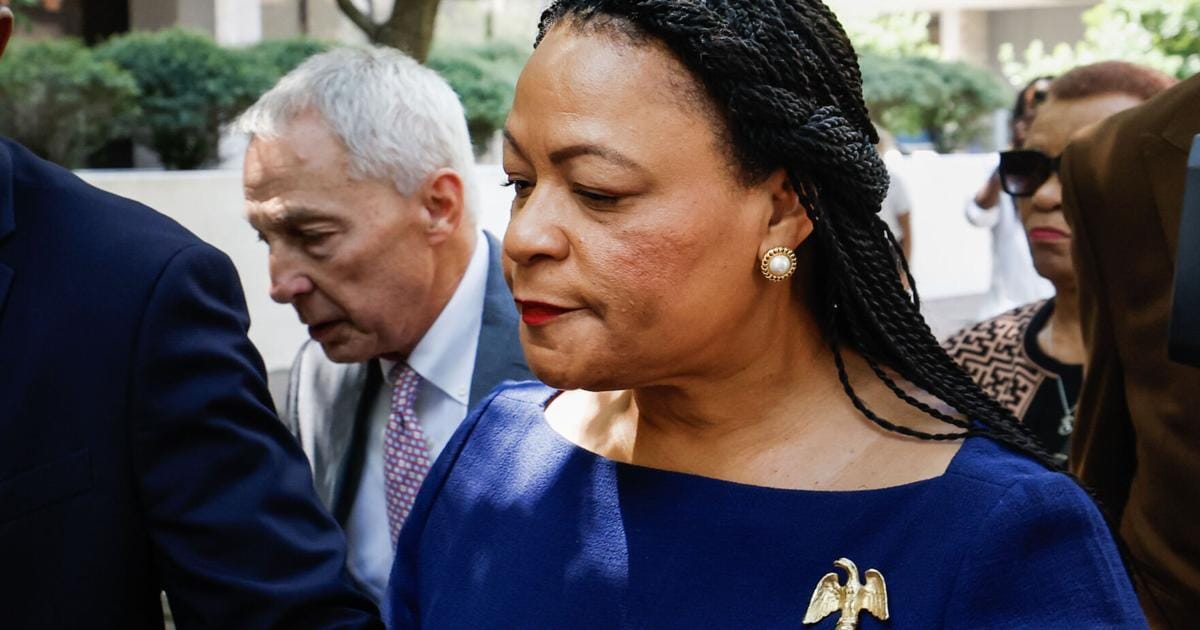
LaToya Cantrell's tenure as New Orleans mayor began with promise but spiraled into chaos, culminating in her upcoming departure as one of the least popular leaders in the city's history. Initially celebrated for her leadership in post-Katrina recovery and COVID-response, Cantrell's administration became mired in scandals and negligence.
She faced mounting criticism for excessive absences, lavish travels, and failures in managing city services, including infrastructure and public safety. Key setbacks, such as the Hard Rock Hotel collapse and lack of hurricane preparedness, highlighted systemic dysfunction.
Discontent grew as public trust eroded amid her combative leadership style and unsuccessful policies. Despite once embodying hope for a revitalized New Orleans, her legacy now looms as a cautionary tale, marked by missed opportunities and an eventual slide into isolation and potential legal troubles.
As the city readies for a new chapter, Cantrell's rise and fall serves as a poignant reminder of the complexities of political leadership.