- BlackVoter.Org
- Posts
- BlackVoter.Org
BlackVoter.Org

BlackVoter.org
February 18, 2026
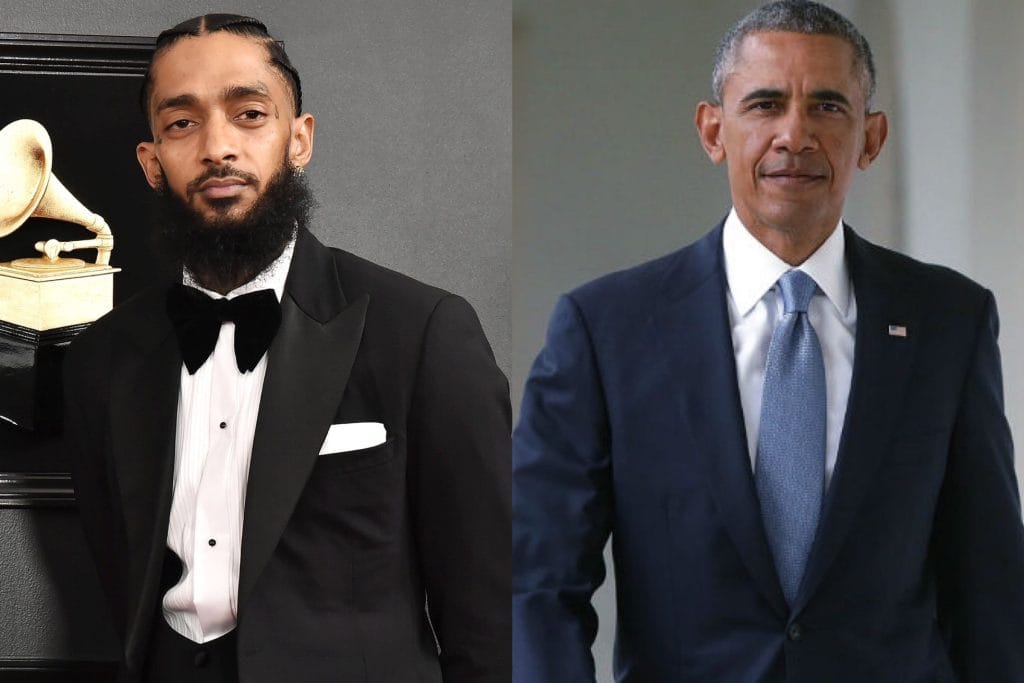
In a heartfelt tribute, Barack Obama reflects on the influential life of Nipsey Hussle, highlighting his remarkable transformation and commitment to community upliftment. Although the two never met, Obama fondly recalls hearing Nipsey’s music and discovering his profound impact on the Crenshaw neighborhood.
While many saw despair, Nipsey recognized hope and potential, choosing to invest in his community through initiatives like a skills training center and co-working space. Obama emphasizes that Nipsey's legacy is a celebration of positivity and change, urging others to continue the work Nipsey started.
The letter conveys deep sympathy to Nipsey’s family, sending love and light during their time of grief. This tribute not only honors Nipsey’s contributions but also serves as an inspiring call to action for communities everywhere to foster hope and resilience.
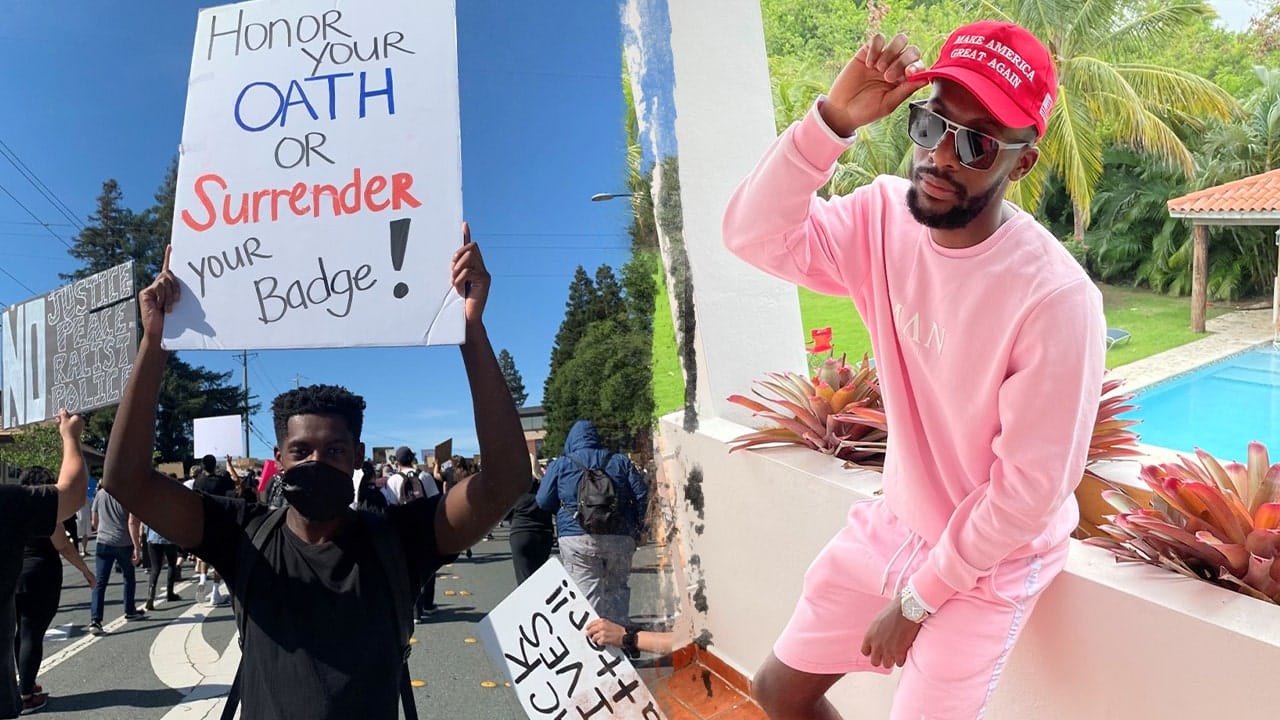
Xaviaer DuRousseau's journey from a fervent BLM activist to a prominent conservative influencer is a compelling tale of transformation. Once immersed in progressive activism, DuRousseau questioned the allocation of funds within the BLM movement, which catalyzed his ideological awakening.
A pivotal moment came when he prepared for the reality show "The Circle," initially aiming to challenge conservative viewpoints but ultimately experiencing a shift in perspective that aligned him with right-wing beliefs. Now, as a host for PragerU, he’s determined to foster critical thinking among audiences, encouraging them to challenge mainstream narratives.
Despite facing familial estrangement and backlash for his views, DuRousseau remains steadfast in his mission to promote honest dialogue about social issues. His engaging “Walk With Me” series captivates viewers, marrying pop culture with political commentary, making him a unique voice in today’s media landscape.
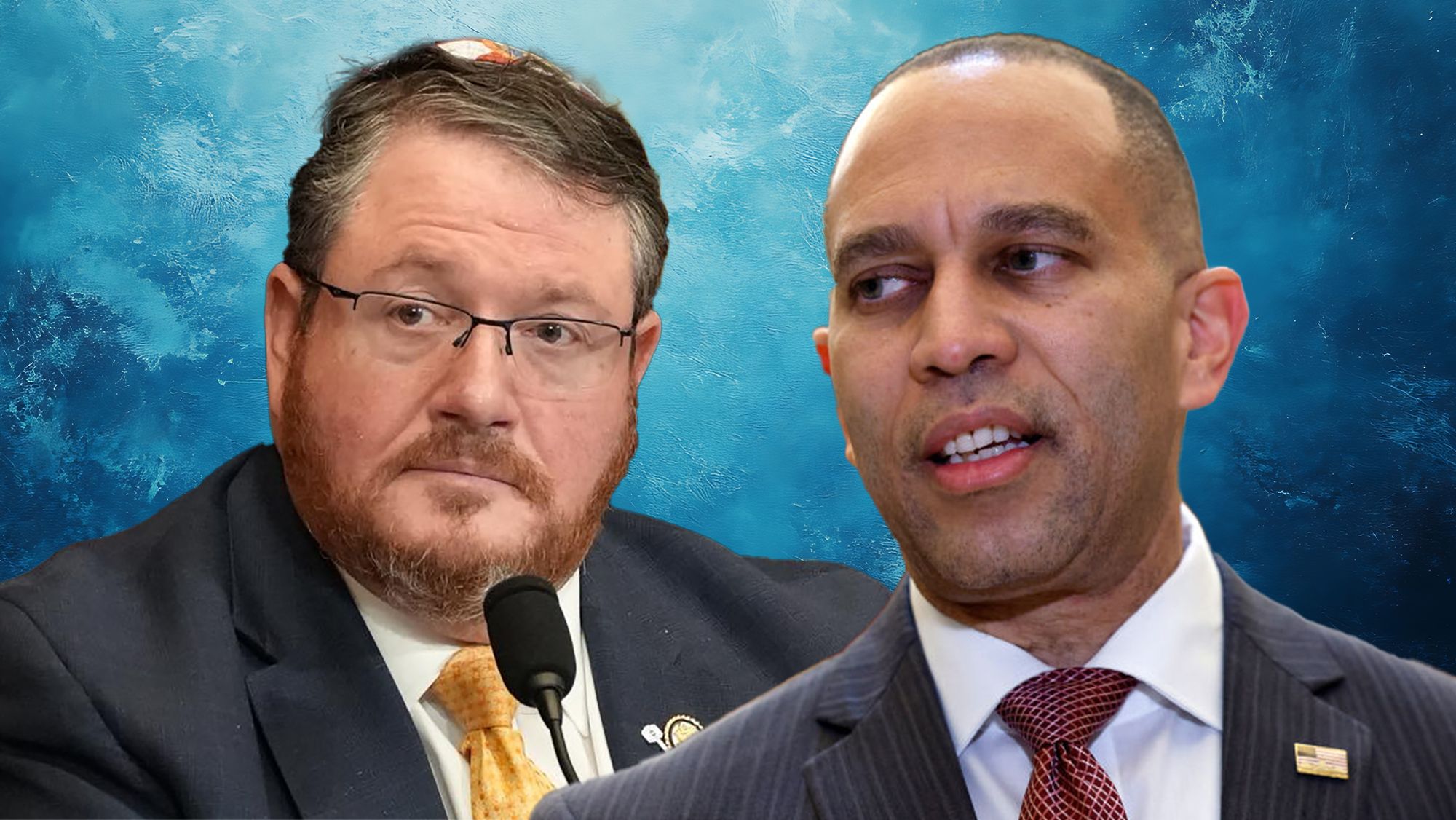
House Minority Leader Hakeem Jeffries has taken a strong stand against Rep. Randy Fine’s recent Islamophobic comments, labeling him an "unrepentant bigot.
" The controversy ignited when Fine, in a social media post, controversially expressed a preference for dogs over Muslims. Jeffries condemned Fine’s rhetoric, stating that political violence and hate crimes against Muslims are rising and stressing the need for accountability.
Despite backlash from both sides of the aisle, including calls from the Council on American-Islamic Relations (CAIR) for Fine’s resignation, he continues to defend his comments, insisting they are aimed at opposing Sharia law. Fine’s behavior has not only drawn criticism from Democrats like Jeffries but also from within his own party, with GOP challengers questioning his integrity and political sincerity.
As tensions rise, Jeffries emphasizes the necessity for GOP leadership to confront this kind of hateful language head-on.
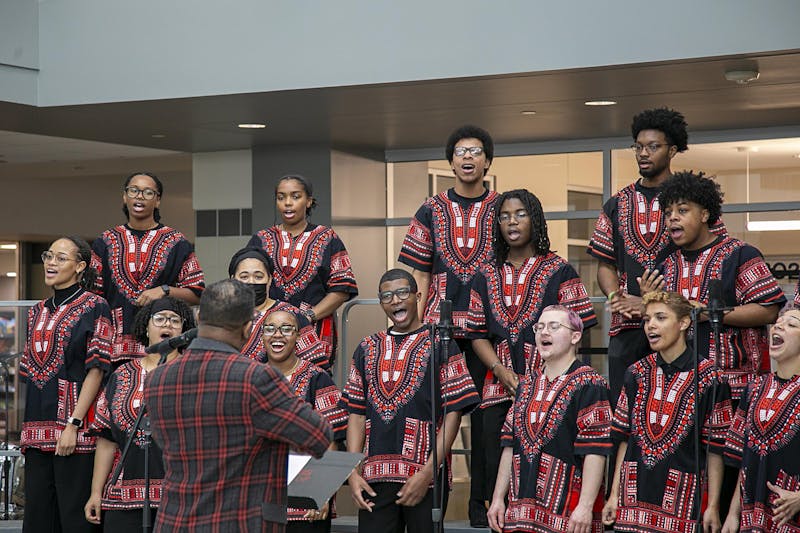
The African American Choral Ensemble (AACE) is set to celebrate its 50th anniversary with a spectacular concert, gathering 100 current members and alumni for a night of powerful music and shared history. This milestone event will take place on February 21 at the Musical Arts Center, where attendees can expect a stirring performance that encapsulates the ensemble's journey since its founding in 1975.
Under the leadership of Raymond Wise, AACE continues to uplift spirits by performing choral works that honor African American culture, history, and hope. The concert promises to be a heartfelt reunion, as alumni from across the country return to raise their voices together once more.
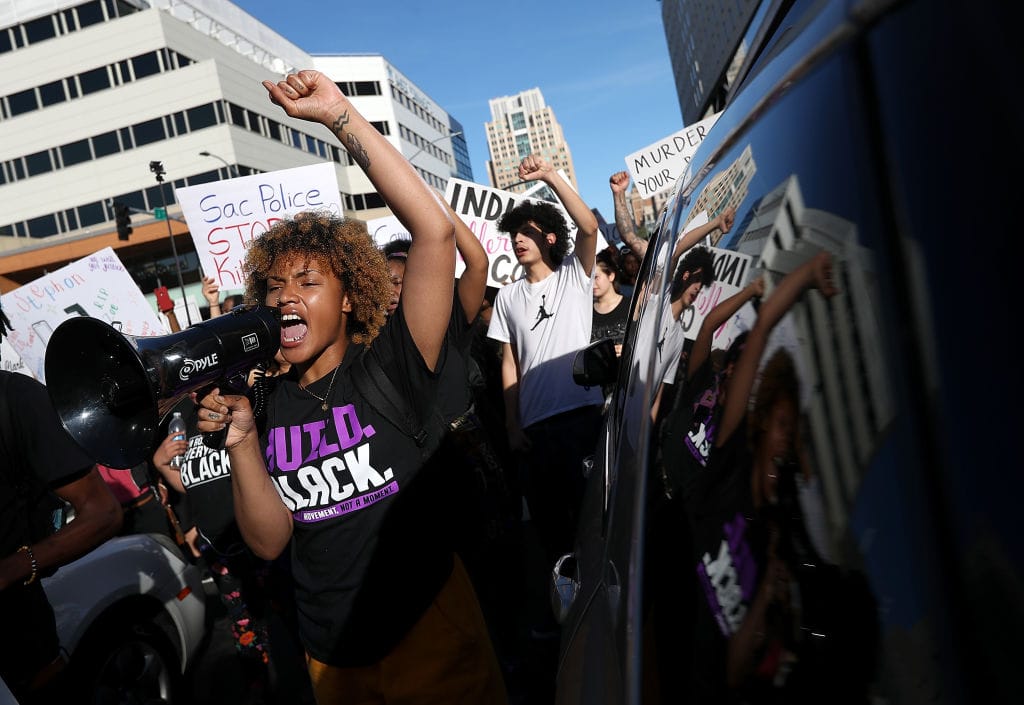
In "Politics Is Everywhere, So Why Do People Feel So Powerless?", John Livesey explores Anton Jäger’s insightful analysis in Hyperpolitics, which argues that while political issues permeate modern life, collective action has waned significantly. Jäger traces the decline of traditional mass politics, once fueled by unions and collective ideologies, to the rise of hyperpoliticization—where moral outrage dominates but lacks lasting impact.
He cites events like the Black Lives Matter protests and movements such as Occupy Wall Street that sparked fervor but ultimately faded, highlighting our culture’s focus on individualistic responses over systemic change. Amidst this landscape of social media-fueled distractions, Jäger notes that meaningful political engagement has become fragmented, with a disorganized mix of single-issue movements failing to unite for broader goals.
Despite these challenges, he finds hope in new grassroots leaders like Zohran Mamdani, who seek to reignite collective resistance by addressing diverse community needs in a concerted effort for change.
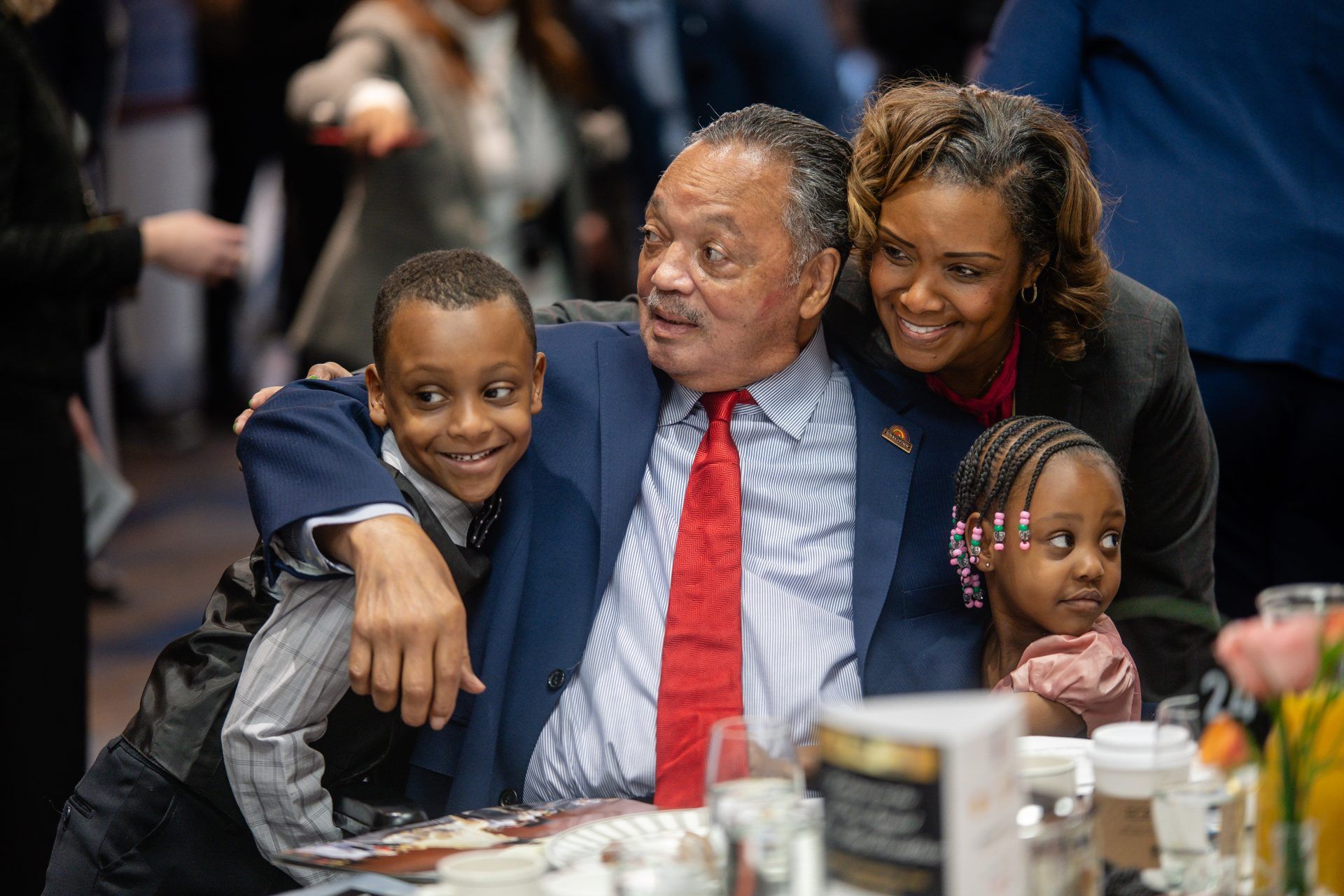
Rev. Jesse Jackson, a towering figure in civil rights and Black political empowerment, passed away at 84, leaving behind a monumental legacy.
Born in the Jim Crow South, Jackson rose to prominence as a leader in the Civil Rights Movement, spearheading initiatives like Operation Breadbasket to improve economic conditions for Black Americans. His presidential campaigns in 1984 and 1988, though not victorious, paved the way for future leaders, including Barack Obama and Kamala Harris, by advocating for a "Rainbow Coalition" of marginalized groups.
Jackson's unwavering belief in justice and equality inspired millions and transformed the Democratic Party’s approach to delegate representation. His family described him as a servant leader dedicated to the oppressed, and his contributions continue to resonate in modern political discourse.
Chicago Mayor Brandon Johnson honored Jackson's legacy, emphasizing his commitment to fostering empowerment and inclusion in the community.
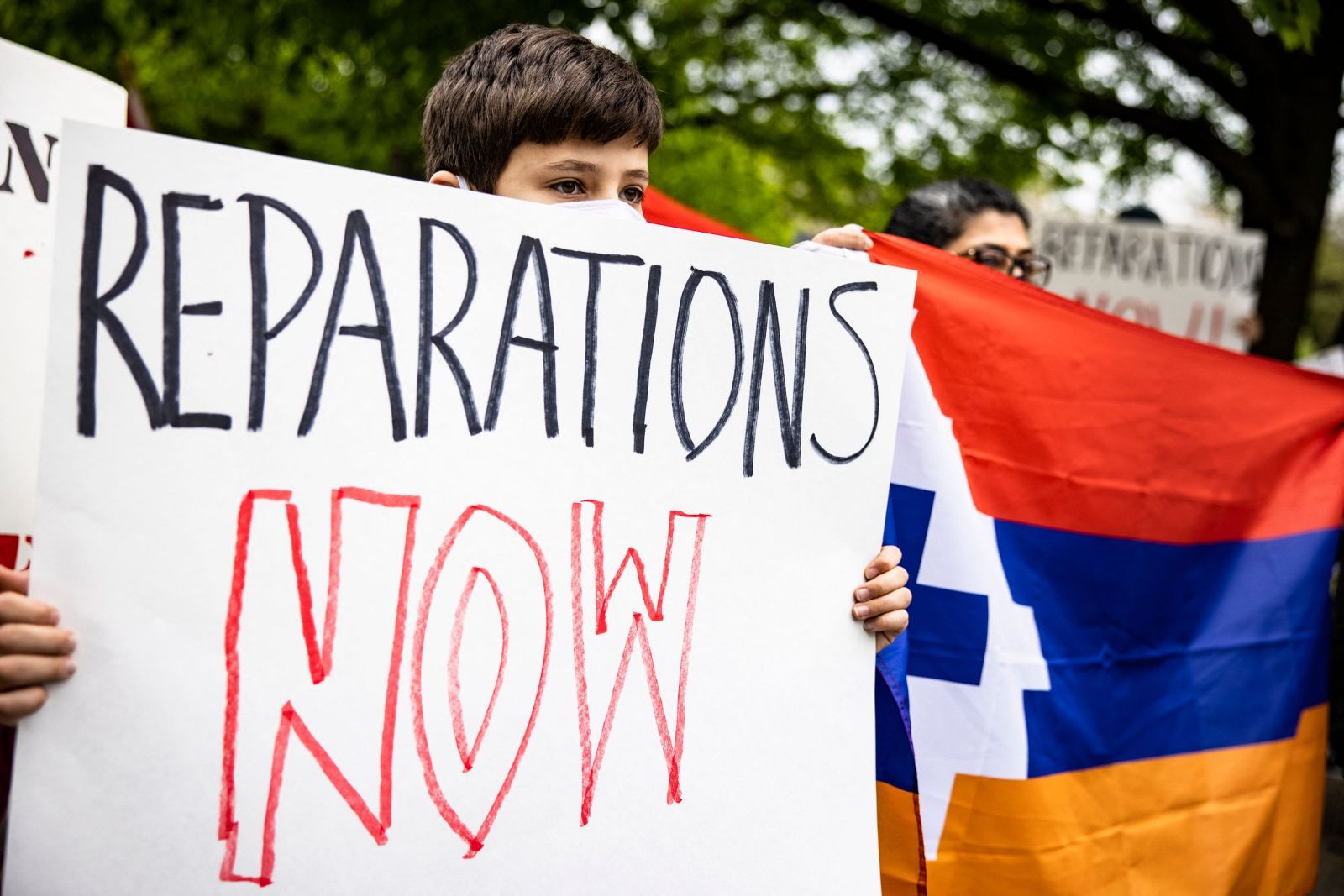
Evanston, Illinois, is making headlines as it prepares to distribute $25,000 reparations checks to 44 residents, marking a significant step in America’s reparations movement. This program first launched in 2019 aims to tackle the structural racism that has persisted in the U.
S. by providing financial support for housing.
Funded primarily through cannabis sales and real estate taxes, the city plans to allocate $10 million over ten years. The reparations initiative follows a 2023 report advocating for various forms of restitution for Black Americans, including income supplements and financial education.
Despite facing legal challenges questioning the program’s race-based eligibility, advocates remain optimistic. As notification letters go out, Evanston's commitment to reparations sets a precedent, reflecting a growing national conversation around addressing historical injustices.

Jesse Jackson, a towering figure in the civil rights movement, played a pivotal role in shaping American politics, paving the way for leaders like Barack Obama. As a protégé of Martin Luther King Jr.
, Jackson transitioned from activism to presidential hopeful, notably launching two significant campaigns that rallied millions. His iconic “rainbow coalition” message brought together diverse groups and underscored the struggles of poor and working-class Americans.
Although he didn't clinch the nomination, Jackson's successes at the ballot box demonstrated that a Black candidate could command national support. Over the years, his influence continued, promoting affirmative action and social justice, while also navigating personal scandals and health challenges.
Even in later years, Jackson remained a critical political voice, advocating for change and civil rights. His legacy is a testament to the ongoing fight for equality, inspiring generations to continue that important work, especially for future candidates like Kamala Harris.