- BlackVoter.Org
- Posts
- BlackVoter.Org
BlackVoter.Org

BlackVoter.org
November 28, 2025


In the much-anticipated sequel "Wicked: For Good," composer Stephen Schwartz dives deep into political themes, reflecting on contemporary American society through the lens of the beloved land of Oz. The film features Cynthia Erivo's poignant new song, "There's No Place Like Home," which captures the emotional struggle of loving a homeland that feels increasingly oppressive.
As Elphaba fights against authoritarianism, imagery of caged talking animals resonates with current events and critiques of modern policies. Schwartz calls the song a love letter to a fading America, while Ariana Grande's character Glinda experiences a significant political awakening in her empowering track, "The Girl in the Bubble.
" With both songs in contention for Academy Awards, "Wicked: For Good" promises to provoke thought and emotion, urging audiences to confront the state of their world and consider their own roles in the fight for justice.
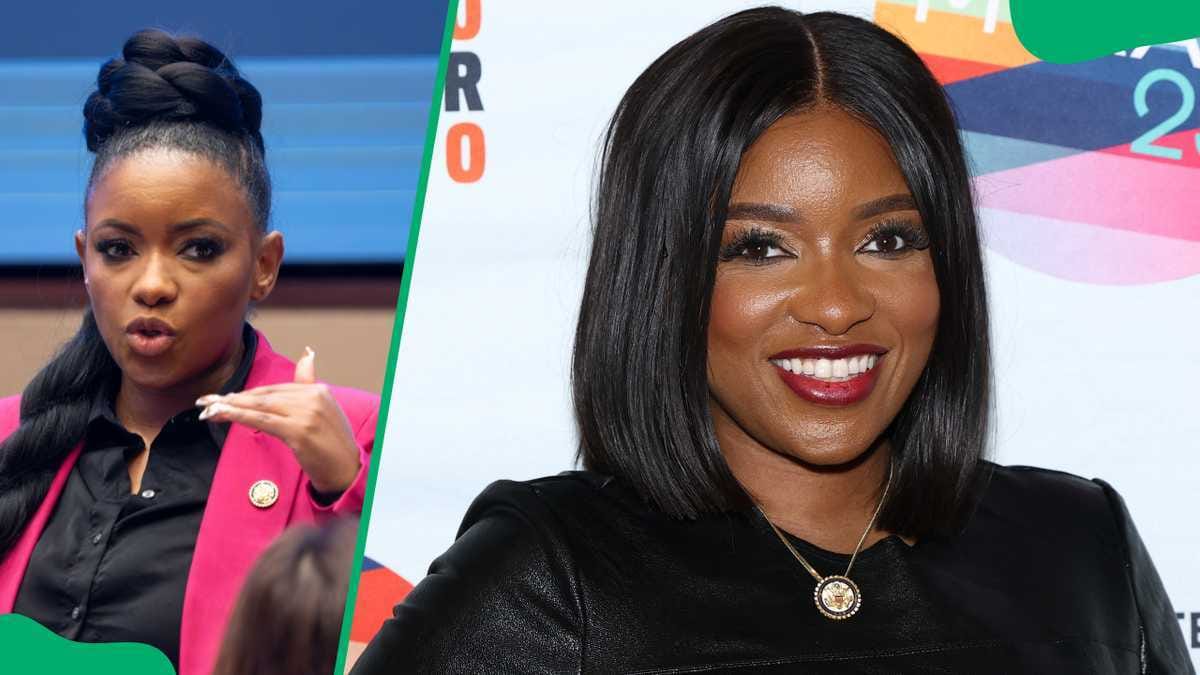
Jasmine Crockett is a powerhouse in American politics, boasting an impressive educational background that includes a BA from Rhodes College and a JD from the University of Houston Law Center. Her journey from a public defender in Texas to a U.
S. Representative for Texas's 30th Congressional District showcases her commitment to civil rights and community advocacy.
Inspired by her experiences with racism during college, she pursued law with the goal of making a substantial impact in her community. Since entering politics in 2020, Crockett has made a name for herself by championing voting rights and reforming the criminal justice system.
As she contemplates a run for the U.S.
Senate, Jasmine Crockett continues to be a force for change, dedicated to serving her constituents and uplifting marginalized voices. Her story is a testament to the power of education and advocacy in the pursuit of justice.
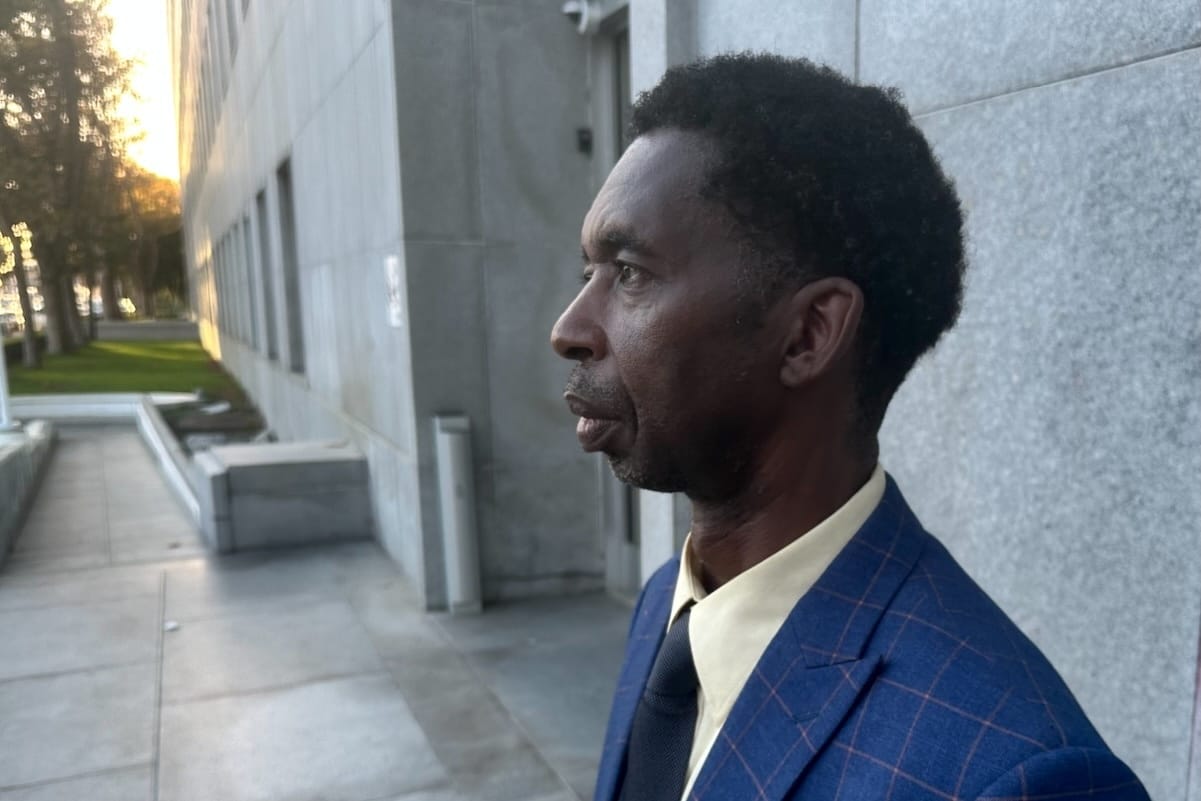
The trial of Kevin Epps, executive editor of the SF Bayview newspaper, has sparked significant controversy over alleged prosecutorial misconduct and political motivations. Epps, charged with the 2016 murder of Marcus Polk, contends he acted in self-defense when Polk, a frequent visitor and estranged husband of Epps' family member, intruded into his home.
After the case was dismissed for lack of evidence in 2016, it was controversially reopened in 2019 with the introduction of digital animations as "new evidence," which have since faced scrutiny for their scientific validity. As the trial unfolds, concerns rise about the implications of this case on racial equity in the justice system and the relationship between the DA’s office and the Black community.
With growing mobilization and support from social justice advocates, the trial carries broader questions about justice and transparency in a city grappling with gentrification and systemic inequalities.
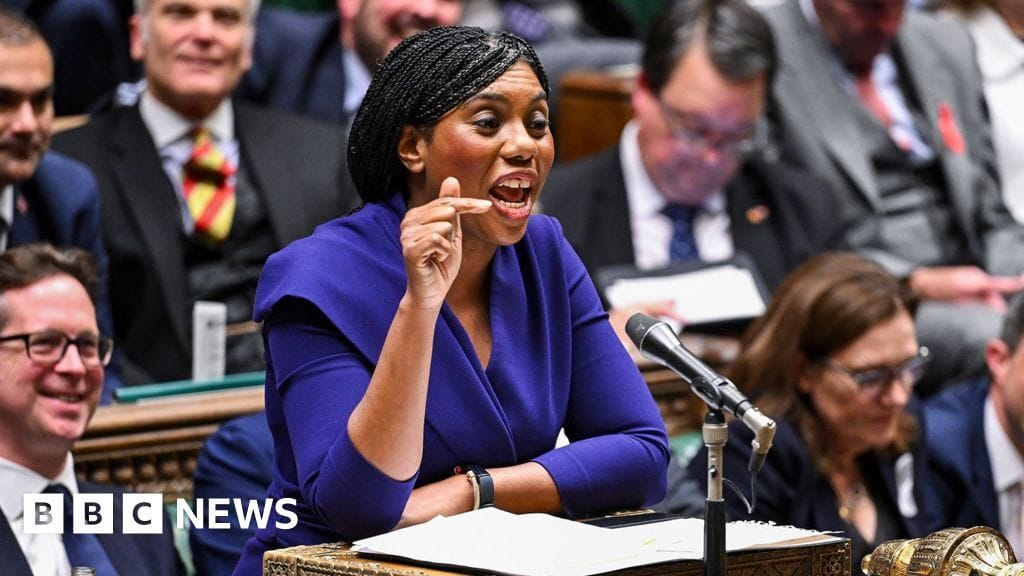
In a recent Budget showdown, Conservative Party leader Kemi Badenoch didn’t hold back when labeling Chancellor Rachel Reeves as "spineless, shameless, and completely aimless." During a heated debate in the House of Commons, Badenoch criticized Reeves for her tax-raising plans and mocked her for her remarks on misogyny and mansplaining.
Defending her fiery outburst, which received mixed reactions, Badenoch insisted her comments were a reflection of frustrations from those affected by Labour policies. She emphasized that her intent was not personal abuse, arguing that calls for equality should hold everyone to the same standard regardless of gender.
While some condemned her remarks as excessive, Badenoch stood firm, asserting that she wouldn't shy away from tough criticism in her role. The debate sparked discussions about accountability and the challenges women face in politics as Badenoch continues to navigate the turbulent waters of leadership and public discourse.

In response to potential federal funding cuts, the Housing Authority of New Orleans (HANO) is launching a new fundraising initiative aimed at providing essential services to public housing residents. Under the direction of Marjorianna Willman, who took charge in January, HANO is establishing the NOLA SEEDS Foundation, with a goal to raise $2 million to $5 million annually.
This funding will support programs focused on education, employment, and homeownership opportunities rather than rent subsidies.
While HANO currently receives a substantial budget from the federal government, looming changes in policy have prompted this proactive shift towards private funding and community partnerships.
Willman emphasized the need for a diversified revenue stream and a leaner organization. The initiative is crucial for empowering the 23,000 low-income families HANO serves, aiming to enhance their self-sufficiency in an uncertain political landscape.
Collaboration with local businesses and universities is also a key part of this revitalization effort.
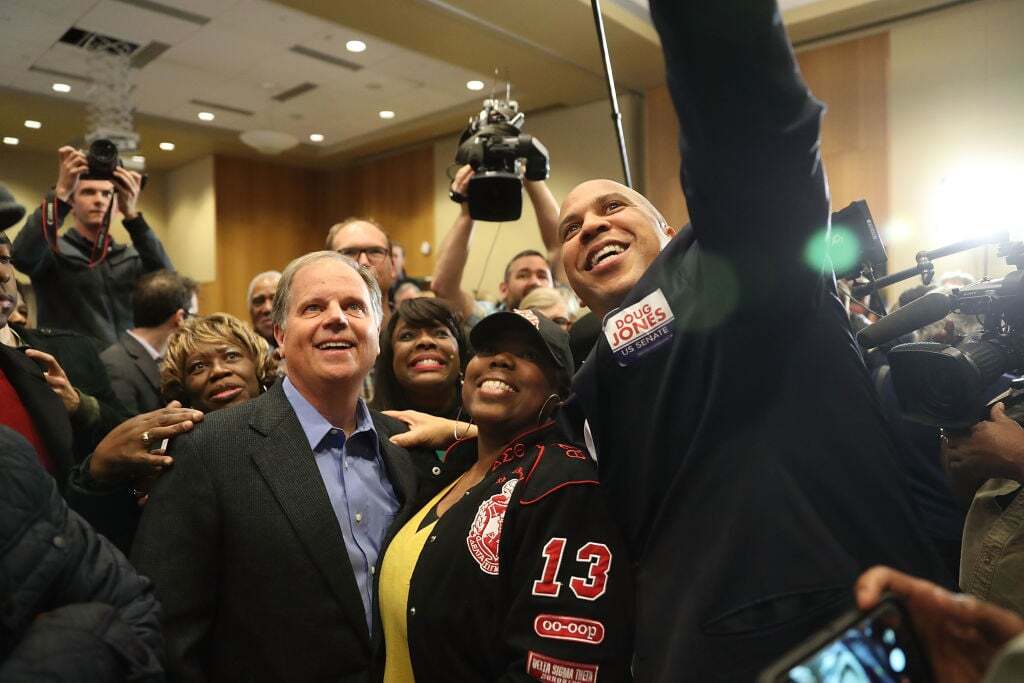
In a thrilling new chapter for Alabama politics, former U.S.
Senator Doug Jones is eyeing a gubernatorial bid, aiming to replicate his remarkable 2017 Senate victory—made possible by a powerful coalition of Black voters, particularly Black women. With memories of that historic election fresh, Jones is seeking their vital support again as he faces a primary challenge.
He’s up against stiff competition, including Yolanda Flowers, who knows the stakes all too well after her recent electoral loss. The path won’t be easy; Alabama’s voter turnout, especially among Black voters, has dipped.
Yet, Jones’s legacy as a defender of civil rights and his pivotal role in confirming Justice Ketanji Brown Jackson resonate strongly within the community.

In a powerful conversation, Heather McGhee argues that reparations should be seen as "seed capital" for America's future, benefiting everyone, not just marginalized communities. With a focus on her book "The Sum of Us," she addresses how historical discrimination has deprived all Americans of shared prosperity.
McGhee critiques the notion that reparations are a zero-sum game, instead positioning them as a vital investment in economic justice and a thriving multiracial democracy. Drawing lessons from American history, including the legacy of "drained-pool politics," she emphasizes that reparations could shift narratives, creating vibrant communities enriched by newly empowered Black wealth.
She also highlights the need for Democratic leaders to connect more deeply with voters, telling compelling stories that resonate amid societal change. In her view, true progress hinges on repairing past harms, fostering a future where everyone thrives together, far beyond divisive politics.