- BlackVoter.Org
- Posts
- BlackVoter.Org
BlackVoter.Org

BlackVoter.org
March 25, 2026

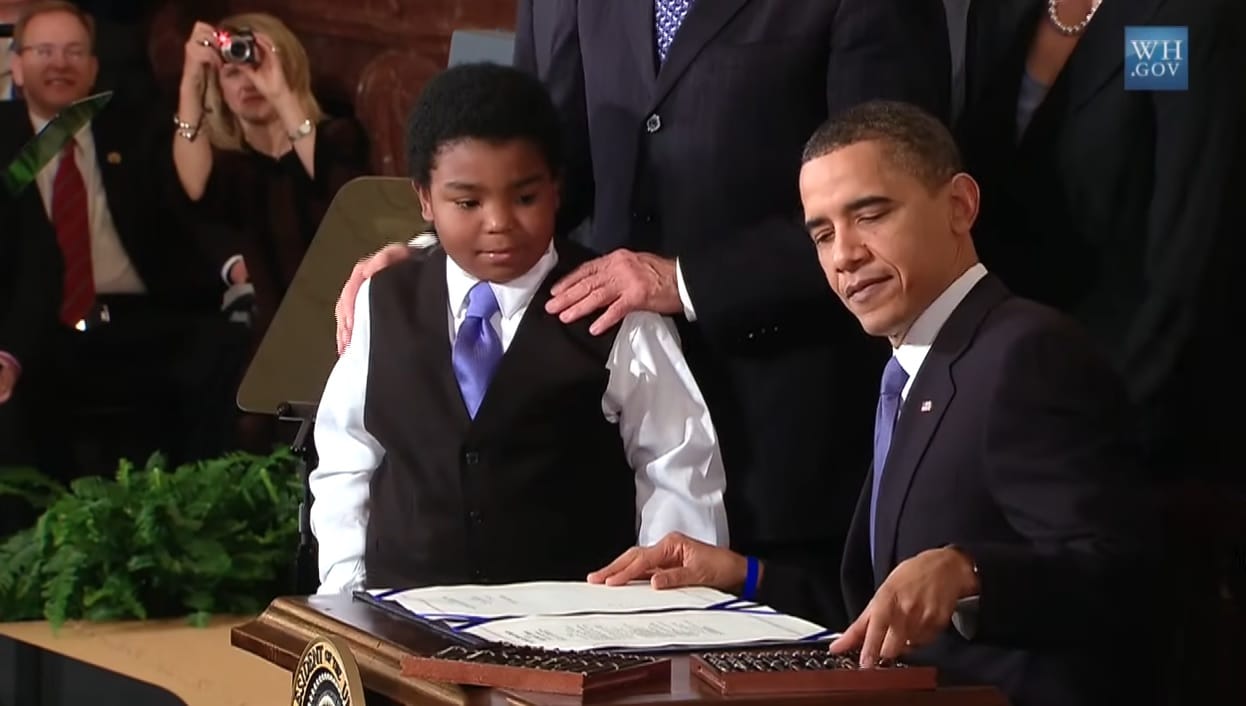
In a deep dive into the tumultuous landscape of American public health politics, "Whiplash: From the Battle for Obamacare to the War on Science" by David Blumenthal and James A. Morone explores how the fight over the Affordable Care Act (ACA) set the stage for a broader conflict over trust in science.
The authors trace the political maneuvers from President Obama’s landmark ACA to the chaotic handling of COVID-19 under Presidents Trump and Biden. While Obama’s reforms aimed to enhance healthcare access, they inadvertently ignited culture wars, distorting public perceptions of government and expertise.
The book highlights Trump's complicated legacy—both as a denier during a public health crisis and a catalyst for rapid vaccine development through Operation Warp Speed. Ultimately, it presents a chilling new reality where the battle extends beyond healthcare into the very essence of scientific credibility.
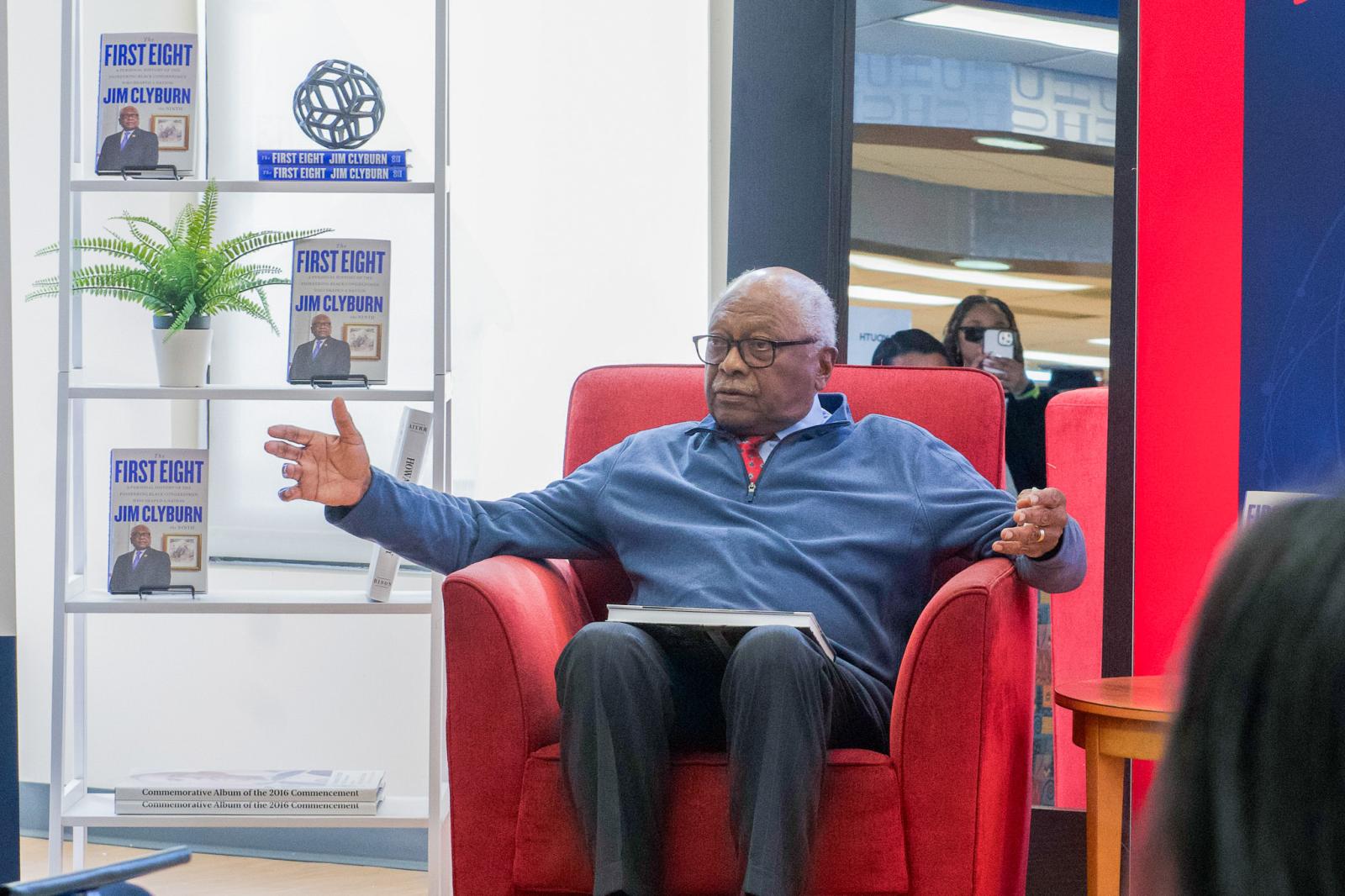
During a recent visit to Howard University, Rep. Jim Clyburn, an honorary alumnus, reflected on his remarkable career and his intention to pursue an 18th term in Congress.
Engaging with students and alumni, Clyburn discussed his new memoir, "The First Eight," highlighting the importance of Black political participation and the ongoing challenges of voter suppression. Sharing heartfelt anecdotes about his late wife, Emily, he emphasized her role in shaping his path, including pivotal moments during his political journey, such as endorsing Joe Biden.
At 83, Clyburn expressed his desire to continue serving, motivated by support from constituents and family. As he eyes the future, Clyburn aims to guide a new generation of leaders and hopes to be remembered for making America more equitable for everyone: “He did his darnedest to make this country’s greatness accessible and affordable for all.
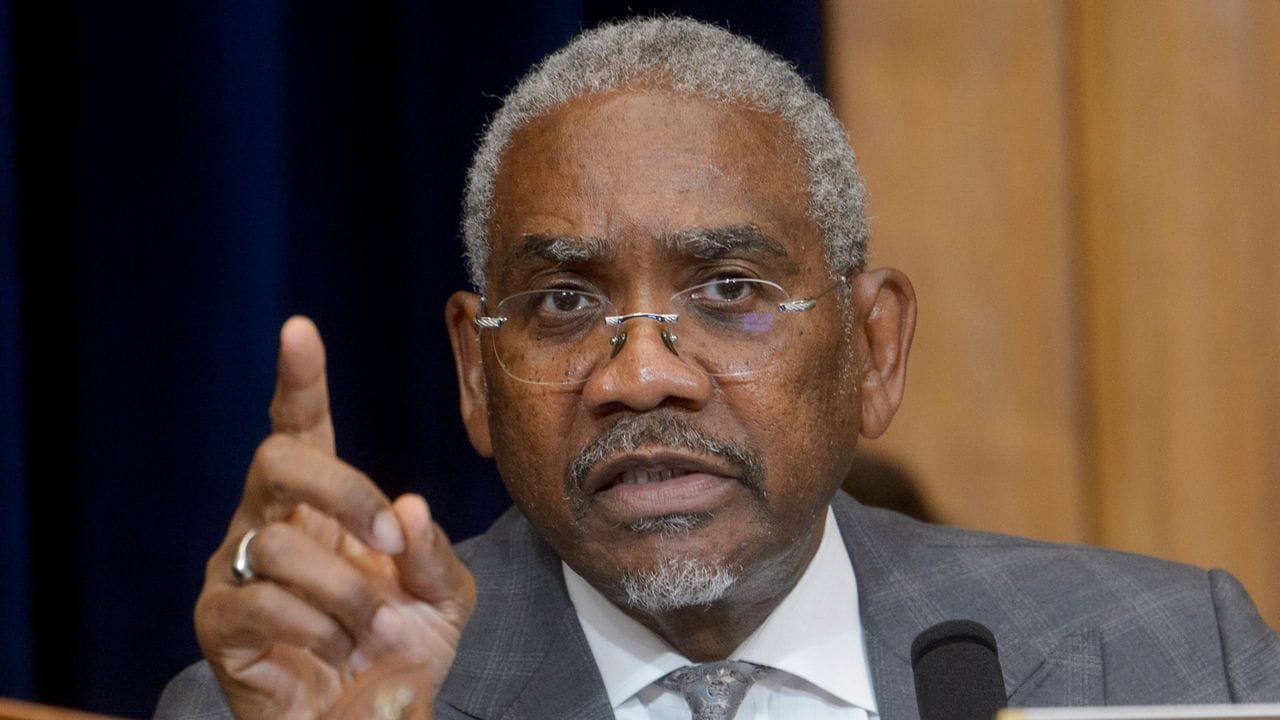
A bipartisan duo from the House, Reps. Gregory Meeks (D-N.
Y.) and Don Bacon (R-Neb.
), is sounding the alarm on the Trump administration's decision to ease sanctions on Russian oil, warning it could fuel aggression in the ongoing war in Ukraine. In a pointed letter to Secretary of State Marco Rubio and Treasury Secretary Scott Bessent, they expressed concerns that allowing countries to purchase stranded Russian oil could enable Moscow to reap billions, further escalating its military actions.
Amid rising global oil prices and tensions from U.S.
operations in Iran, Bessent described the sanctions relaxation as a "narrowly tailored, short-term measure." However, the lawmakers stressed the importance of maintaining pressure on Russia and called for greater transparency and answers from the administration.
With Congress debating new sanctions, their urgent message highlights the delicate balance of geopolitical strategy in an increasingly tense environment.
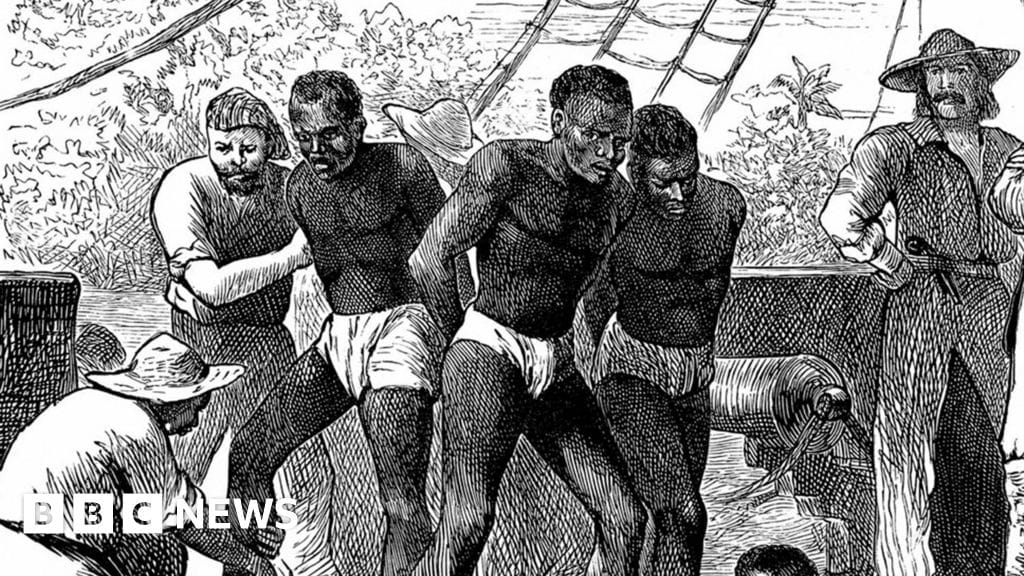
In a groundbreaking move, Ghana leads a UN General Assembly vote aiming to recognize the transatlantic slave trade as "the gravest crime against humanity." Ghana's Foreign Minister, Samuel Okudzeto Ablakwa, asserts that this resolution not only seeks justice for the millions affected by slavery but also calls for reparations and the return of stolen cultural artifacts.
With an estimated 12-15 million Africans forcibly taken during the slave trade, Ablakwa emphasizes the persistent inequalities and suffering stemming from this dark chapter in history. Advocates, including the African Union, view this resolution as a crucial step toward healing and acknowledgment, even as some nations historically resist reparations.
Ghanaian President John Dramani Mahama hails the initiative as "historic," reinforcing the need to document this painful past to safeguard against forgetting. The resolution could pave the way for a meaningful dialogue on reparations and justice for descendants of those unjustly impacted.
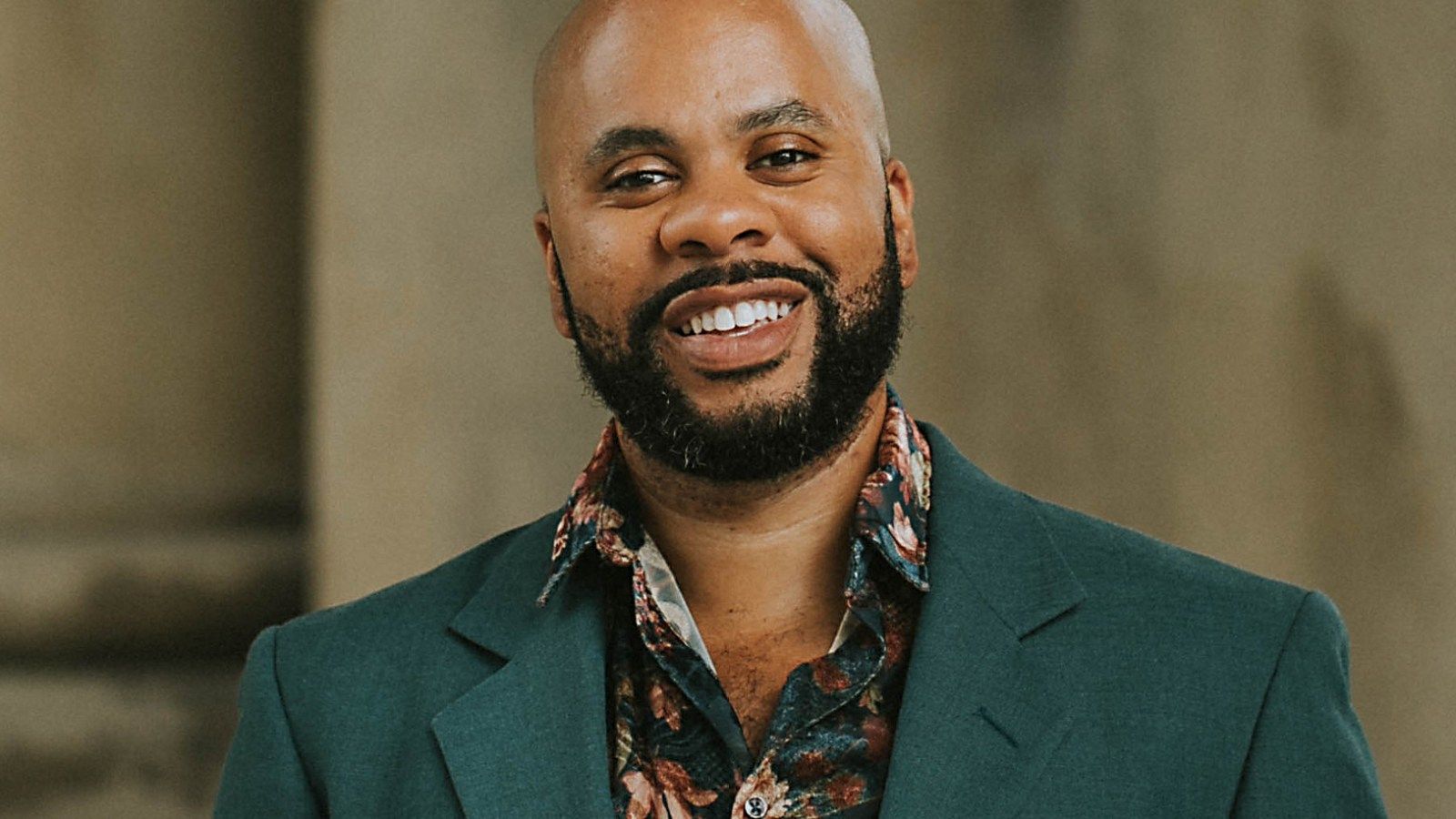
In this engaging advice column, a reader expresses her dilemma about attending her brother's daughter's wedding due to a painful political divide. She fears being associated with her brother’s views, which she finds morally objectionable, especially given the current state of the nation.
However, advice columnist Eric Thomas encourages her to reconsider. He emphasizes the importance of family bonds and experiences that transcend political beliefs.
Attending the wedding could be an opportunity to celebrate family togetherness, and he suggests that distancing oneself may not achieve any meaningful change in their relationship. Ultimately, the advice is to weigh the emotional benefits of reconnecting with loved ones against the discomfort of differing opinions, highlighting the significance of family gatherings in fostering reconciliation and joy, even amidst ideological differences.
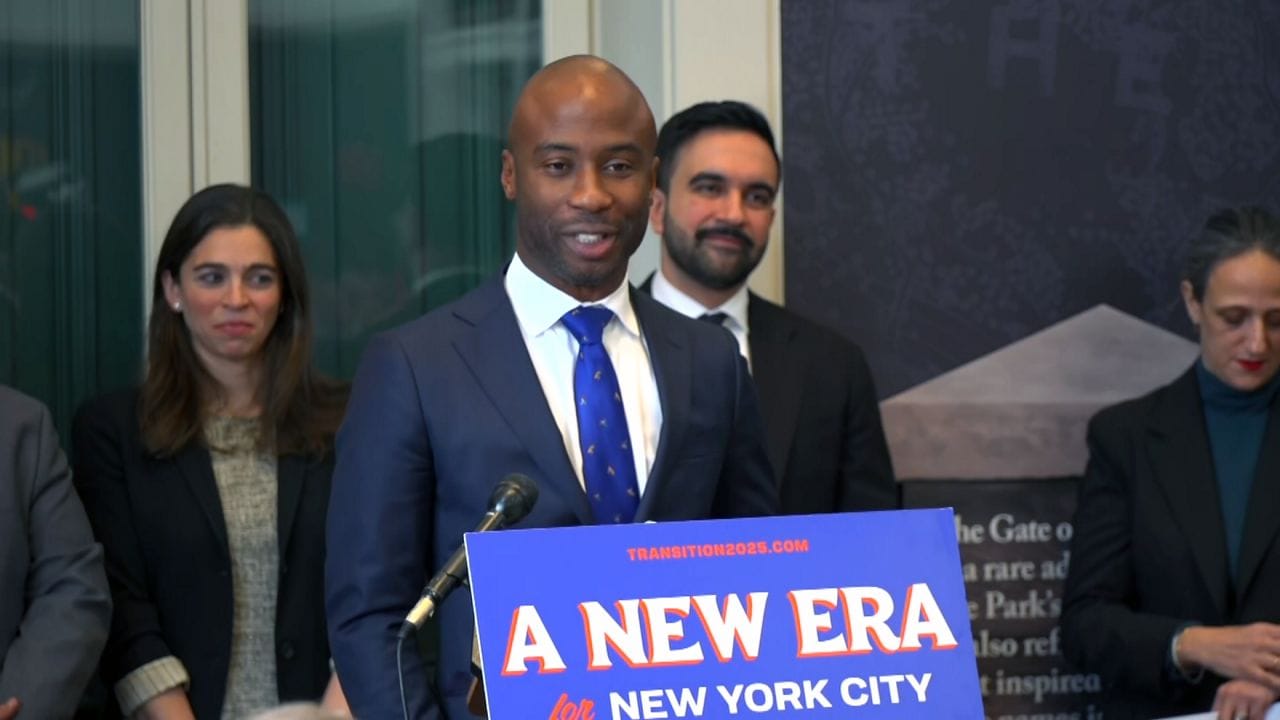
New York City Schools Chancellor Kamar Samuels is advocating for a four-year extension of mayoral control over the public school system while pushing for smaller class sizes. During a recent trip to Albany, he highlighted the need for additional time to comply with a new mandate requiring reduced overcrowding in at least 80% of schools.
With concerns about the financial burden of the mandate looming over the city, Samuels is seeking support from lawmakers to secure the necessary funding. While some legislators resonate with his vision, questions about the length of the extension remain contentious.
Supporters, including Governor Kathy Hochul, see value in the proposed extension, but others urge for checks and balances, advocating for shorter terms. Samuels's proactive approach aims to ensure that New York’s 906,000 public school students thrive in an effective and engaging learning environment.
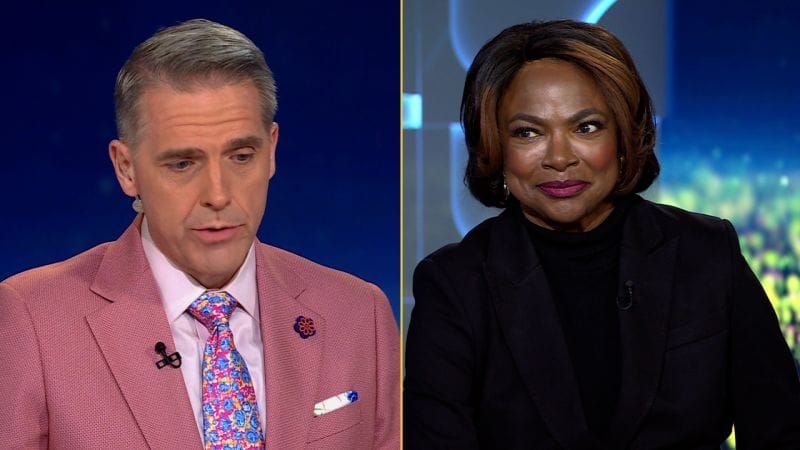
In a lively panel discussion, experts debate President Donald Trump's bold assertion that the U.S.
has "won" in Iran while negotiations are ongoing. With reports highlighting preparations for troop deployments in the region, the conversation raises critical questions about the current state of U.
S.-Iran relations.
The panelists explore the implications of Trump's statements on both domestic and international fronts, delving into the complexities of military engagement and diplomatic efforts. As the debate unfolds, viewers are invited to consider the nuanced stakes involved in a situation that remains anything but settled.
Tune in to hear various perspectives on this contentious topic that continues to shape American foreign policy and national security discussions.