- BlackVoter.Org
- Posts
- BlackVoter.Org
BlackVoter.Org

BlackVoter.org
February 06, 2026

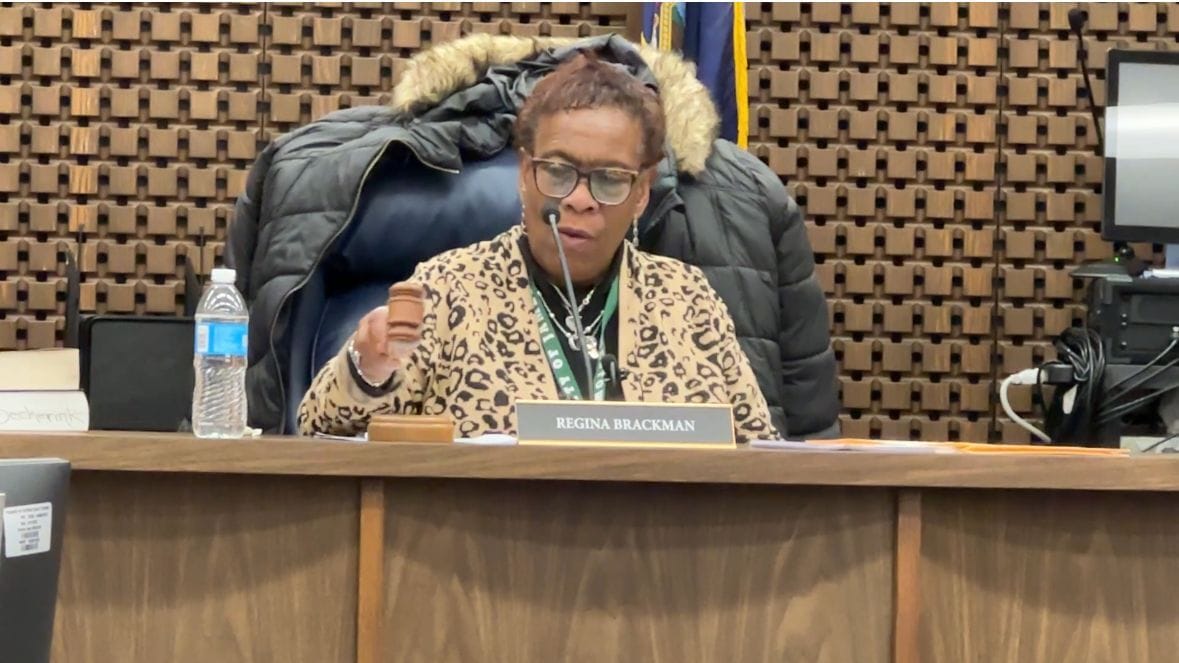
Regina Brackman is making waves in Jamestown, N.Y.
, as the first Black woman elected president of the City Council. Recently presiding over her first voting session, Brackman expressed a mix of excitement and nerves but feels honored to represent a diverse community of 28,000 residents.
"I am that dream that Martin Luther King talked about," she said, highlighting her role as a beacon of hope for young girls, especially those from underrepresented backgrounds. With encouragement from NAACP leaders, she aims to inspire more African Americans to vote and engage in local governance.
Brackman's advocacy extends to her work with The Princess Club, empowering young girls to envision futures in leadership. As Black History Month unfolds, her pioneering journey exemplifies progress and the importance of representation—sending a powerful message: anyone can defy the odds and make a difference in their community.

As Black History Month rolls around each February, a vital question resurfaces: Has this celebration strayed from its original mission of education and remembrance into a realm of performative gestures and commercialization? Originally founded by historian Carter G. Woodson, the month is meant to honor the profound contributions of Black individuals and provide a counter-narrative to historical erasure.
While it offers a platform to uplift Black voices and stories, the event often risks becoming a mere marketing opportunity for businesses or a superficial gesture by organizations. Meaningful engagement requires year-round commitment, genuine support for Black communities, and an emphasis on less-told histories, celebrating Black excellence beyond just notable figures tied to trauma.
To reclaim Black History Month’s integrity, focus must return to its core purpose: education, empowerment, and truthful storytelling that inspires action and drives systemic change all year long.


In a sharp critique, Professor David L. Horne highlights former President Donald Trump's ongoing disregard for Martin Luther King Jr.
Day. Despite it being the 40th anniversary of the holiday, Trump issued a late acknowledgment while opting for a vacation at Mar-a-Lago instead of participating in events honoring Dr.
King. This lack of engagement contrasts sharply with how previous presidents celebrated the day, with Trump also restricting free access to national parks—a departure from longstanding traditions.
Horne notes that such actions reflect a broader pattern of disrespect towards Black achievements in American history, including the sidelining of former President Barack Obama’s legacy. While MLK Day 2026 was marred by violence in some cities, millions still celebrated its significance.
Horne asserts that “God doesn’t like ugly,” suggesting a reckoning may be on the horizon for Trump's attitude towards civil rights and Black history.

In "Voting rights and wrongs in America," The Economist delves into the contentious landscape of voter districting, where politicians wield the power to choose their voters, often manipulating boundaries for electoral gain. The piece highlights the ongoing battles over the Voting Rights Act of 1965, which aimed to eliminate racial discrimination in elections.
With parties striving to secure more seats and incumbents looking to enhance their re-election prospects, the integrity of fair representation hangs in the balance. As the courts attempt to uphold these vital voting protections, the potential for increased voter turnout, particularly among black communities, remains a prominent yet challenging goal.
The article paints a vivid picture of how the political chess game affects democracy at its core, urging readers to consider the implications of these maneuvers on the rights of millions.

In a recent controversy, former President Donald Trump shared a deeply offensive video on social media that depicts Barack and Michelle Obama as primates, amidst a backdrop of unfounded election conspiracy theories. The video, which is part of Trump's barrage of misinformation regarding the 2020 election, quickly sparked outrage for its blatant racism.
White House spokesperson Karoline Leavitt defended the post, framing it as a humorous meme, while critics, including the group Republicans Against Trump, condemned the imagery as reprehensible. This incident is the latest in a long history of Trump’s incendiary rhetoric targeting the Obamas and minority groups, echoing previous controversial comments he has made.
As the 2024 election looms, this episode raises further questions about the disconcerting blend of politics and racism in today’s political landscape.

In the 2026 California gubernatorial race, Democratic candidates are shying away from advocating for cash payment reparations, despite the ongoing conversation around racial equity in the state. During a recent forum focused on Black Californians, the only candidate to mention reparations was Superintendent Tony Thurmond, who proposed offering loans instead of direct payments.
Although this approach aligns with some definitions of reparations, it signals a lack of strong championing among candidates for more traditional forms of monetary compensation. Governor Gavin Newsom has made clear his opposition to cash payments, preferring alternative measures to address the lasting impacts of slavery.
As the Democratic hopefuls gear up for the campaign, their reluctance to commit to reparations reflects a broader struggle to define what meaningful support looks like for Black communities in California. The debate raises critical questions about future pathways to address historic injustices in a comprehensive and impactful manner.

In a lively podcast episode, commentator Stephen A. Smith advised Democrats to dial back their fiery rhetoric on voter ID laws, particularly criticizing Senate Minority Leader Chuck Schumer's stark “Jim Crow 2.
0” comparison to a GOP bill requiring proof of U.S.
citizenship to vote. Smith argued that such hyperbolic language plays into the hands of former President Trump and detracts from a more effective strategy.
He emphasized the potential disenfranchisement of millions lacking documentation and cited a poll revealing strong bipartisan support for some form of voter ID, suggesting that Democrats keep their messaging grounded rather than resorting to emotional extremes. Joined by Bill Maher, Smith urged for a rational discourse around voter ID issues rather than falling into polarizing traps.
As the midterms approach, the call for clarity over chaos rings clear: don’t let taxpayer concerns become election fodder.

In the heated race for the Texas Senate, social media is playing a pivotal role for candidates Jasmine Crockett and James Talarico. With viral jabs and emotional appeals, both representatives are showcasing contrasting styles as they gear up for the March 3 Democratic primary.
Crockett’s sharp edge and millions of TikTok followers bolster her image as a refreshing disruptor, while Talarico’s earnest Christian rhetoric attracts a more traditional voter base. Both candidates have adeptly harnessed platforms like TikTok to project their messages, raising significant campaign funds in the process.
As they navigate a rapidly changing political landscape and grapple with the state's evolving dynamics, the outcome will not only reflect their digital strategies but also the aspirations of Texas Democrats, who hope to break decades of Republican dominance. With commentary from political experts, the stakes are high for both candidates as they vie for their party's nomination.

In a bold move to connect with voters, U.S.
Rep. Jasmine Crockett is taking her campaign to unexpected venues—like nightclubs! As she vies for the Democratic nomination in Texas, Crockett believes in breaking the traditional political mold, stating, "It's time out for buttoned up.
" Her unique approach aims to engage the Black and Hispanic communities in a state where many have historically stayed home on Election Day. Drawing on her past as a public defender, Crockett emphasizes authenticity, telling voters, "I really do see real people.
" With insights from other progressive politicians like NYC’s Mayor Mamdani, she blends old-school tactics with fresh strategies to attract a younger audience. Her dynamic personality and relatable style have already sparked interest from those who’ve never cared about politics before.