- BlackVoter.Org
- Posts
- BlackVoter.Org
BlackVoter.Org


BlackVoter.org & M.Harrison
January 20, 2026
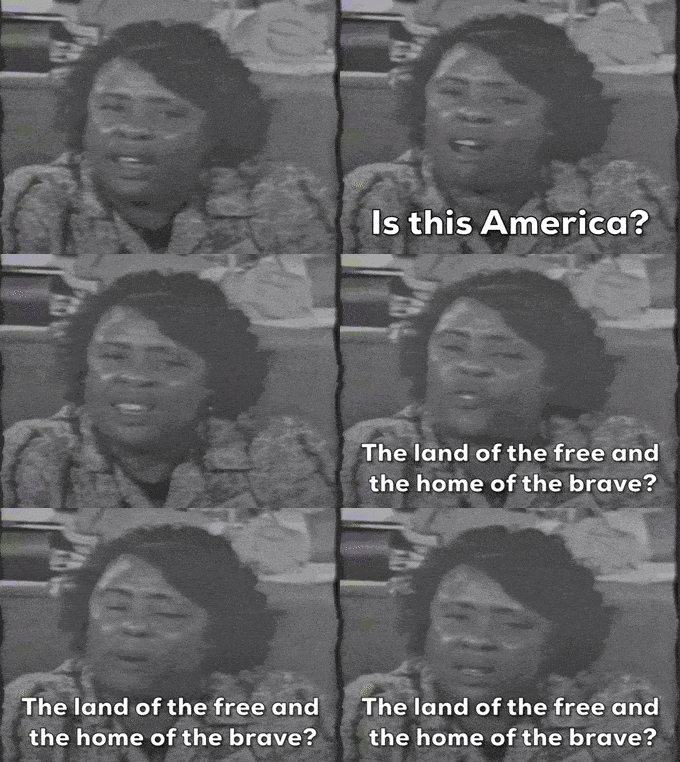
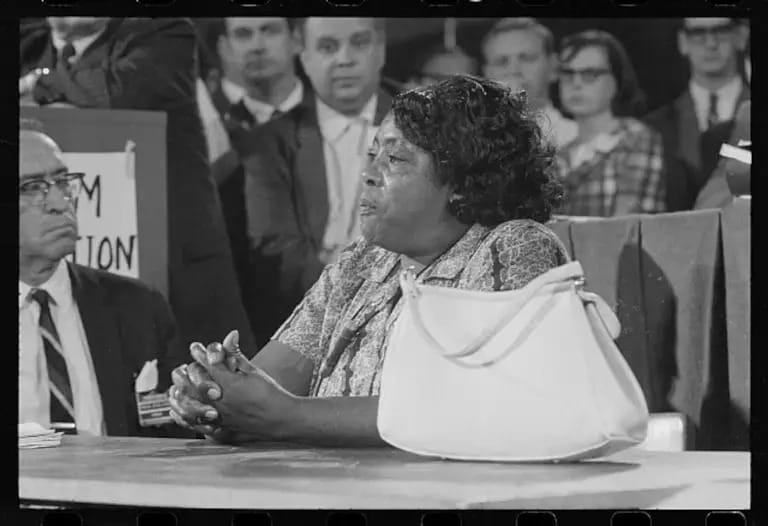
In "Celebrating King, Ella Baker, Fannie Lou Hamer, and the Art of Organizing," Matthew Miles Goodrich illuminates the power of grassroots leadership within the civil rights movement, particularly recognizing legends like Ella Baker and Fannie Lou Hamer, alongside Martin Luther King, Jr. While King is celebrated for his resonant speeches and public mobilization, Baker and Hamer exemplified the unsung work of community organizing, emphasizing personal connections and the empowerment of ordinary individuals.
Baker's strategic thinking forged vital coalitions, while Hamer's unyielding spirit challenged discriminatory practices at pivotal moments, like the 1964 Democratic National Convention. This MLK Day, we are urged to reflect not only on King’s legacy but also on the vital contributions of these remarkable women, whose strategies, resilience, and dedication to inclusivity continue to inspire modern movements.
The piece beckons us to recognize the complexities and choices faced by these leaders, urging a deeper commitment to community engagement and social justice today.
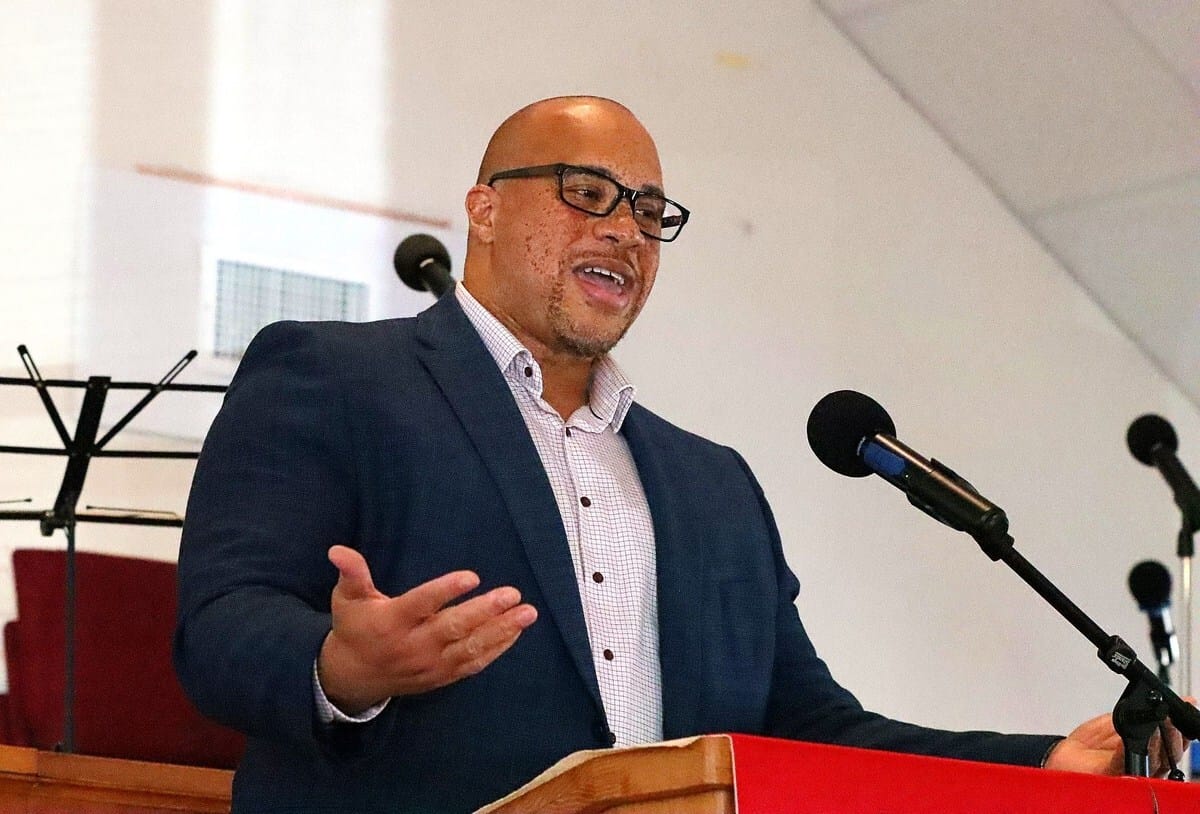
In a powerful celebration of Martin Luther King Jr. Day, the Pettis County chapter of the NAACP gathered at Burns Chapel Free Will Baptist Church, highlighting the enduring role of faith in the African American struggle.
Minister Duane Dooley emphasized that, amidst changing laws and societal upheaval, faith remained a constant source of strength. He described how that unshakable faith helped individuals withstand oppression, from slavery to Jim Crow, and encouraged the congregation to recognize faith as a catalyst for love and change.
Young activist Mahki Jaff echoed these sentiments, urging listeners to challenge societal inequalities while asserting that real change requires collective action, not just symbolic gestures. Both speakers united on the idea that Martin Luther King Jr.
's legacy is not solely about remembering the past but also about inspiring today's fight for justice and unity.
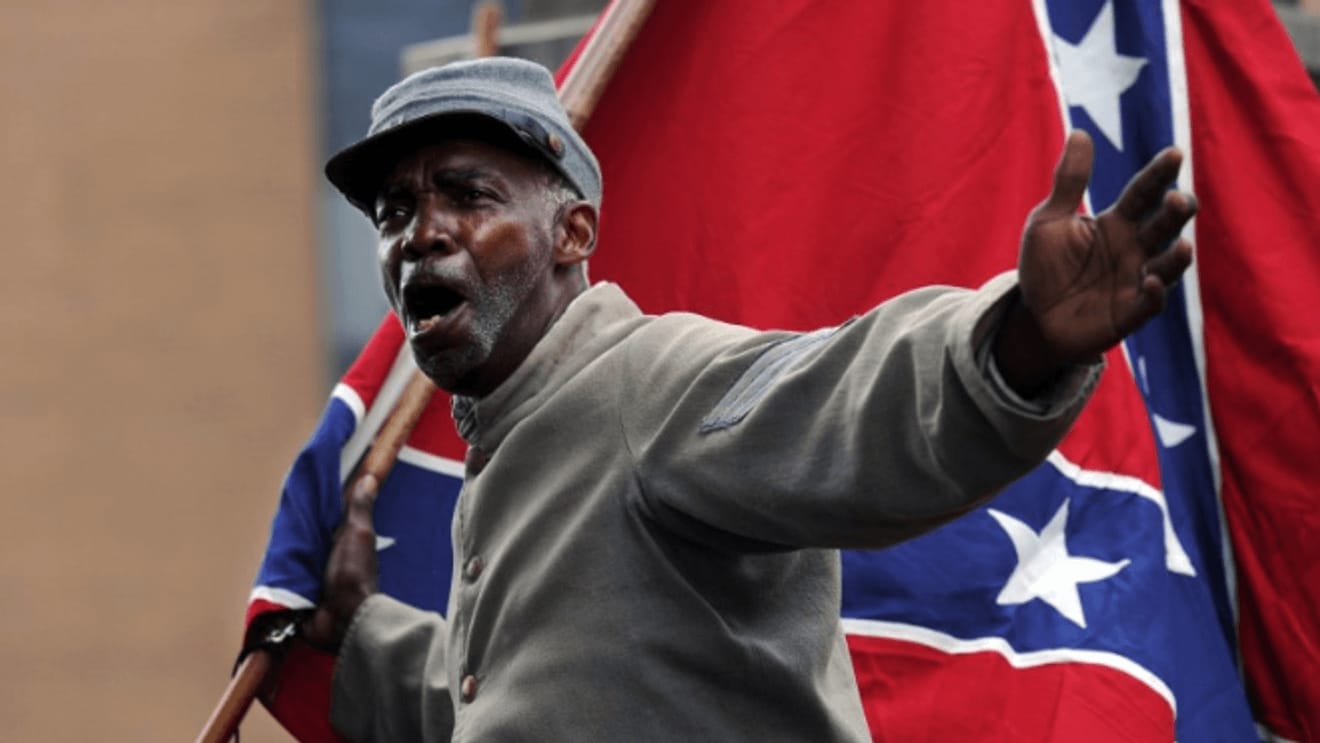
Harold Kenneth "H.K.
" Edgerton, a prominent African American activist and former president of the NAACP's Asheville branch, passed away peacefully at the age of 77 after a prolonged illness. Born in Asheville and a Vietnam War veteran, Edgerton was known for his passionate support of Confederate symbolism, often seen marching in his uniform and waving the Confederate flag.
Throughout his life, he held various roles, including serving as Chairman of the Board for the United Way Agency and founding the University of Minnesota Black Student Center. An outspoken advocate for cultural expression, Edgerton gained international recognition with his "Historical March Across Dixie," aimed at addressing discrimination against Confederate symbols.
His community impact was profound, earning him accolades such as Asheville's Citizen of the Year. A GoFundMe page has been set up by his family to assist with funeral expenses while the community remembers a unique voice in the ongoing conversation about race and history.
/

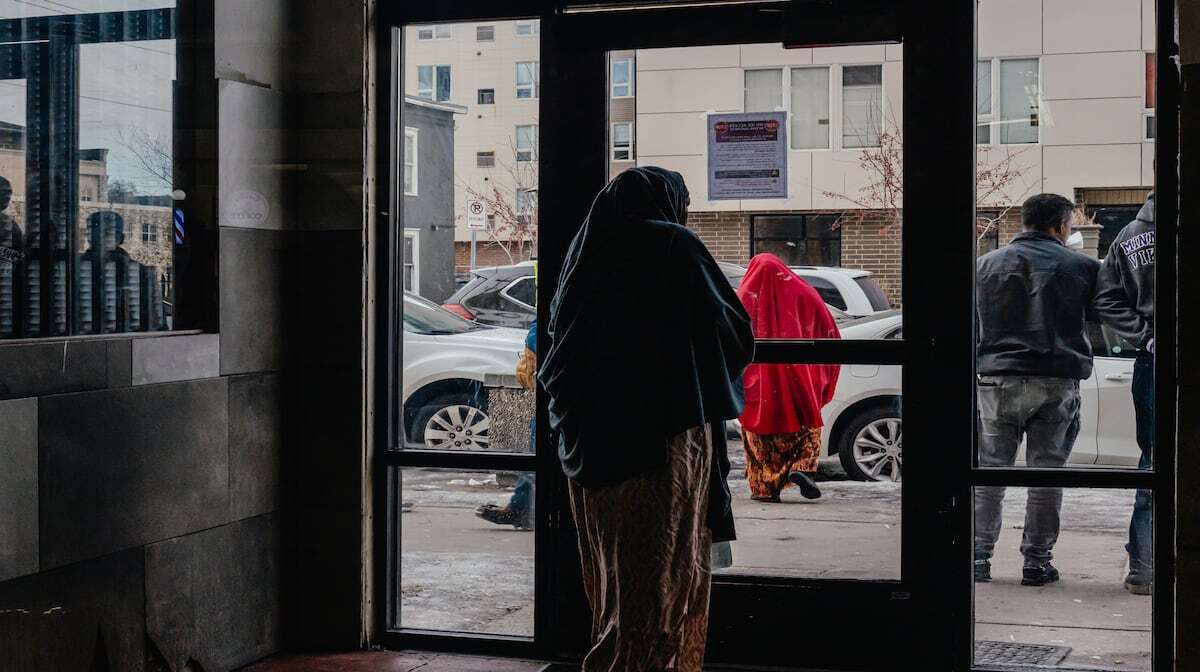
Maine’s Somali communities are gripped by fear as they brace for potential ICE raids, echoing a painful history of trauma and uncertainty. Fowsia Musse, a prominent immigrant advocate in Lewiston, describes the dread of feelings reminiscent of their past struggles, stating, “We’re feeling a collective un-homing.
” The mayors of Portland and Lewiston have warned residents of possible immigration enforcement under the Trump administration, though they emphasize community resilience and the vital contributions of Somali residents to the local economy. As tensions rise, community leaders and individuals are working to promote peace and solidarity in the face of fear and discrimination.
Reflecting on civil rights progress, local advocates urge residents to maintain hope and strength amid uncertainty. The upcoming challenges have prompted discussions around healing from trauma and fostering community bonds, underscoring that fear should not paralyze the fight for dignity and acceptance.
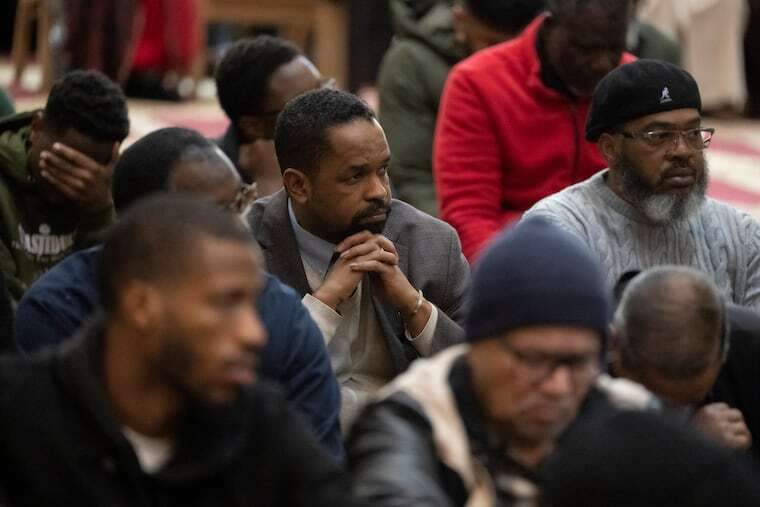
State Senator Sharif Street is poised to become Pennsylvania's first Muslim member of Congress, running in a crowded Democratic primary to fill the seat of retiring U.S.
Rep. Dwight Evans.
With a unique background—his father, John Street, was Philadelphia's mayor, and Sharif converted to Islam 30 years ago—he represents a significant milestone for the state's Muslim community. Notably, Street holds moderate views on the Gaza conflict, advocating for a two-state solution while maintaining friendships within both Jewish and Muslim communities.
His perspectives may set him apart from more progressive Muslim colleagues like Ilhan Omar and Rashida Tlaib. The upcoming congressional race highlights a choice for Muslim voters between Street's centrist approach and that of State Rep.
Chris Rabb, a progressive candidate with a strong focus on Middle Eastern issues. As Philadelphia's Muslim population grows in political influence, Street’s candidacy embodies a blend of diverse identities and evolving political landscapes.
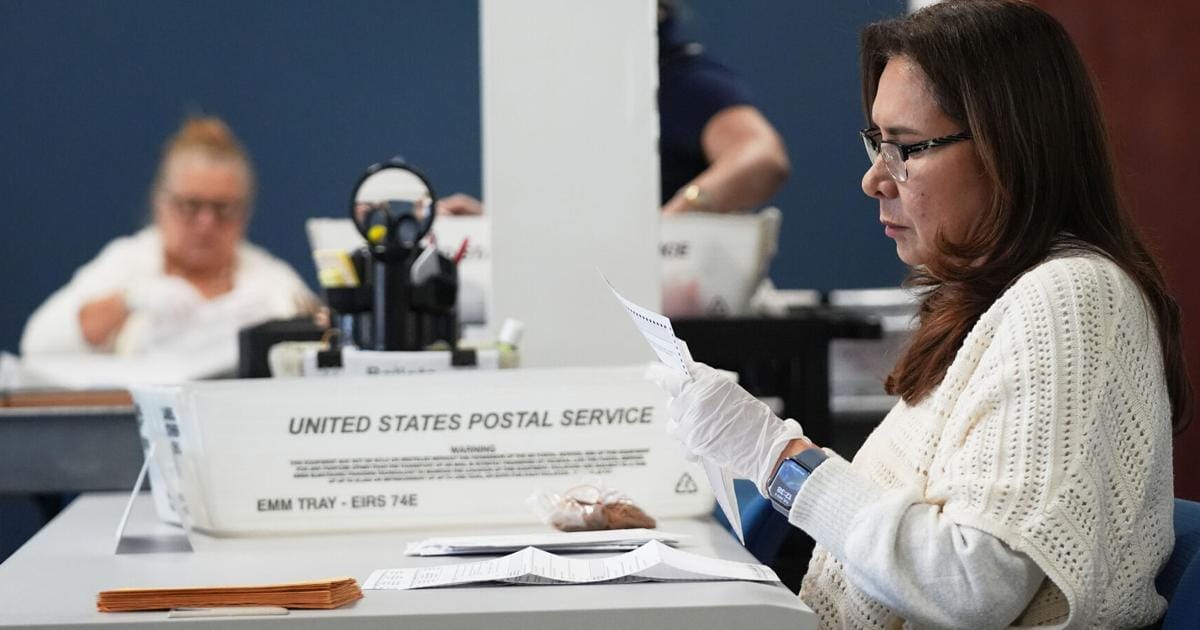
A wave of alarm has washed over a group of Democratic U.S.
senators as changes to the U.S.
Postal Service (USPS) threaten the integrity of mail-in voting ahead of crucial elections. Their recent letter to the USPS highlights concerns that new processing policies may result in delayed postmarks, which many states rely on to ensure ballots are counted.
With some rural voters potentially having their ballots disqualified due to these delays, the senators argue that the new system could disenfranchise voters at a critical juncture for congressional control. While USPS asserts no changes to postmarking practices, the senators urge for the restoration of timely postmarks and an election mail task force to protect the democratic process.
Election officials across states are also sounding the alarm, emphasizing the need for voters to mail their ballots early to sidestep potential pitfalls in the timing of their votes being counted.
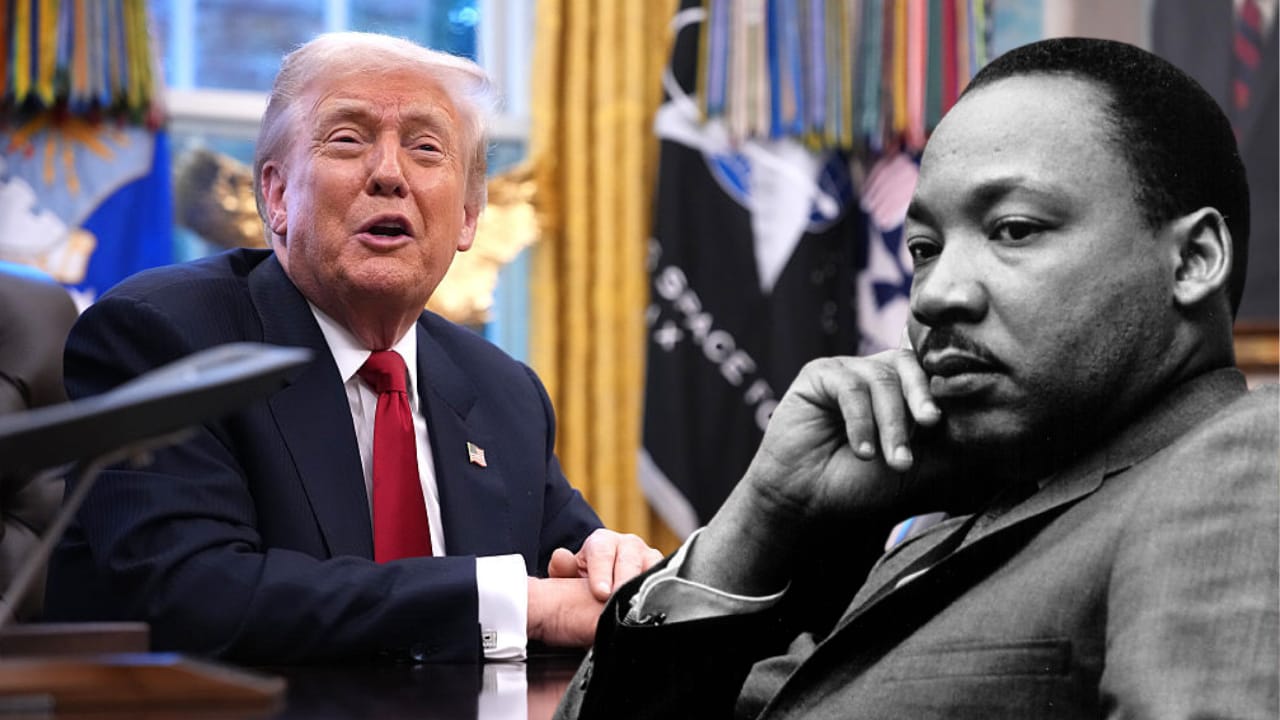
In a last-minute move, Donald Trump recognized Martin Luther King Jr. Day following criticism for initially ignoring the federal holiday.
Just hours later, the White House issued a proclamation celebrating Dr. King's legacy and his fight for justice.
NAACP President Derrick Johnson condemned Trump's lack of acknowledgment earlier in the day, accusing him of missing the mark on unity and diversity. While Trump praised King’s values in his statement, he notably failed to mention the struggles of Black Americans in the civil rights movement.
Critics, including Bernice King, Dr. King's daughter, called out Trump for his recent comments about the Civil Rights Act, arguing they misinterpret history and spread divisiveness.
The proclamation, which echoes themes of equality and character, faces scrutiny for neglecting the essential context of the fight Dr. King led against systemic racism and oppression.
As ever, discussions around Trump remain steeped in controversy and public dissent.
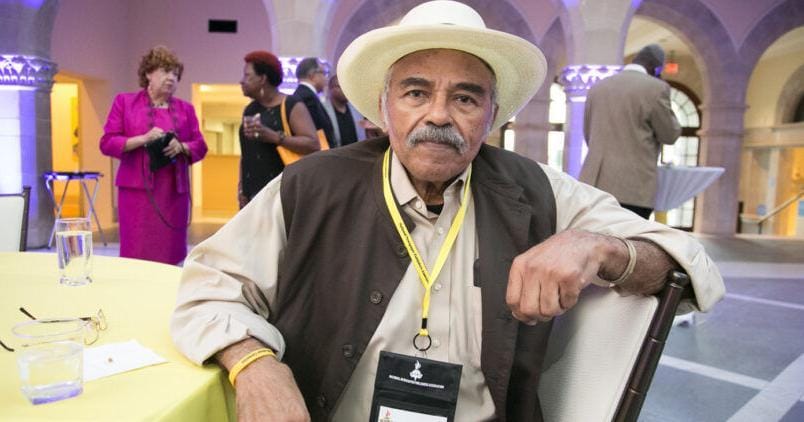
Thomas H. Watkins, who passed away at 88 in December, was a pioneering force in New York's Black press, founding the New York Daily Challenge, the city's first Black-owned daily newspaper.
His bold venture flourished against daunting odds, delivering impactful coverage of Black political and economic life from its Bedford-Stuyvesant base. At its peak, the Daily Challenge generated nearly $30 million a year and became a launchpad for numerous other publications, establishing a robust network of Black media across the region.
Revered by colleagues and contemporaries, Watkins emphasized that ownership was pivotal for Black advancement, challenging corporations to invest in Black communities. He was an unwavering champion of truth, often taking on difficult subjects such as police misconduct and housing inequity, all while fostering cooperation among Black-owned media.
As his legacy continues, the call for preserving his influence in the fight for Black financial empowerment remains ever more relevant.