- BlackVoter.Org
- Posts
- BlackVoter.Org
BlackVoter.Org

BlackVoter.org
May 12, 2026

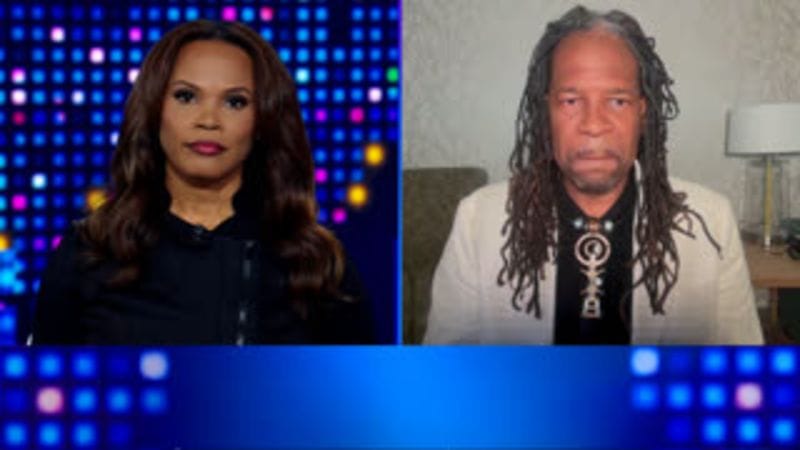
A powerful movement is stirring as activists urge Black athletes in the SEC to boycott their schools in response to controversial redistricting efforts. This initiative has sparked a heated debate about the responsibility of young athletes to address systemic racism, with notable voices like LZ Granderson questioning whether this burden should rest solely on their shoulders.
He emphasizes that the responsibility to combat racism is multifaceted and should engage a broader community. The call for action not only highlights the intersection of sports and social justice but also invites a deeper conversation about equity and representation in collegiate athletics.
As these athletes contemplate their roles, the spotlight intensifies on the broader implications of such a boycott—can their collective voice spur significant change? This movement encapsulates the ongoing struggle for justice and equality, urging us to reconsider who bears the weight of activism in today's society.

In a striking examination of racial disparities, Dr. Allison Wiltz reveals that today's Black infant mortality rate is alarmingly 2.
3 times higher than that of White infants—a gap wider than during the era of slavery when it was estimated at 1.6 times.
Despite perceptions of progress, the legacy of systemic racism persists, with modern challenges including preterm births and pregnancy complications exacerbated by ongoing discrimination. Historical context is crucial; during slavery, Black infants were valued as property, incentivizing their survival, while current societal structures have devalued Black lives.
Research attributes the high rates of mortality among Black infants today to factors such as economic instability, healthcare access, and the long-lasting effects of discriminatory practices. This troubling reality underscores the urgent need to address the entrenched racism that continues to plague Black maternal and infant health, revealing a society reluctant to confront its historical injustices.
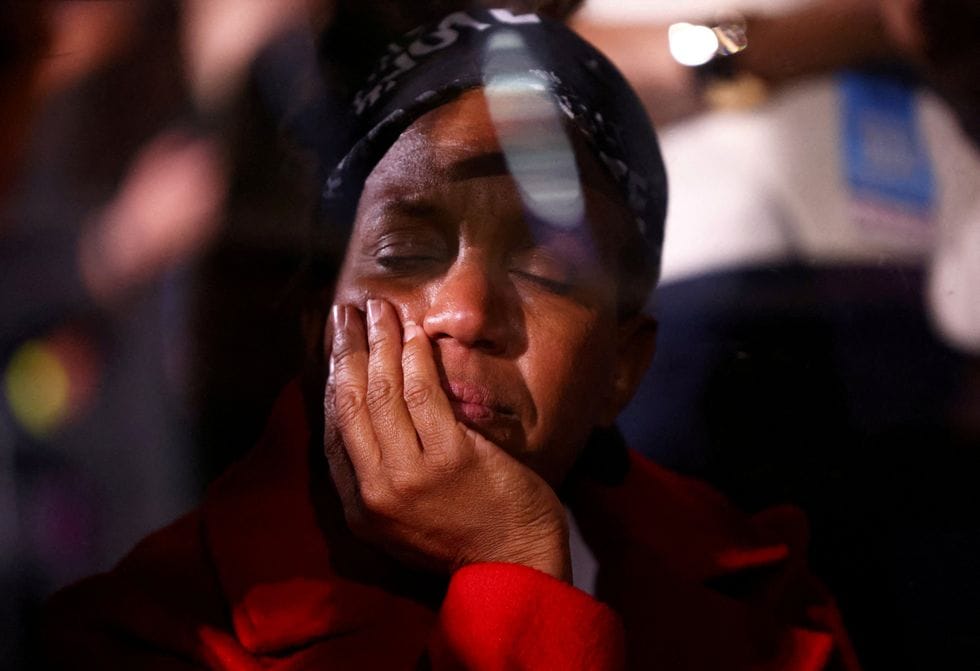
In a striking conversation with Tennessee Representative Justin Jones, the alarming systematic erasure of Black political power in the South is laid bare. Following a controversial Supreme Court ruling, Southern states, including Tennessee, Louisiana, and Alabama, are aggressively redistricting to eliminate Democratic-majority districts, particularly those representing Black communities.
Jones likened current moves to a regressive leap back to Jim Crow laws, stating, "We’re going backwards at warp speed." Despite these challenges, he calls for a historic voter turnout reminiscent of Freedom Summer in 1964, urging a united multiracial effort to reclaim voting rights and bolster representation.
As these states rush to redraw maps and silence marginalized voices, the fight for equal rights and the moral soul of the nation grows ever more critical. Jones's resolve shines a hopeful light, encouraging activism that could make a profound difference in the political landscape.
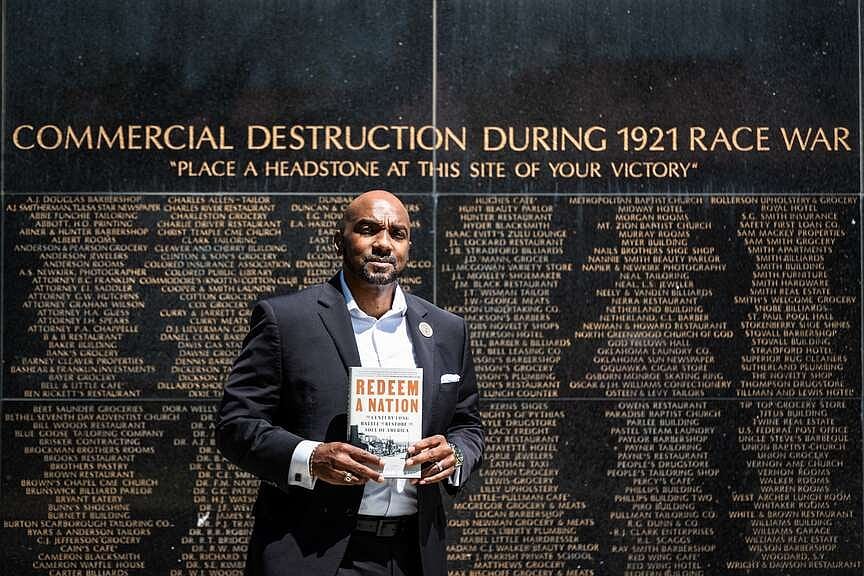
In his compelling new book, "Redeem a Nation: The Century-Long Battle to Restore the Soul of America," civil rights attorney Damario Solomon-Simmons exposes the painful legacy of the 1921 Tulsa Race Massacre and makes a passionate case for reparations. Born and raised in Tulsa, Solomon-Simmons learned about the massacre late in his college years and was driven to advocate for justice for its survivors and their descendants.
The book emphasizes that more than a hundred years later, many victims still await accountability and compensation for the extensive devastation that destroyed the thriving Black community of Greenwood. Through engaging narratives, Solomon-Simmons links this historic injustice to broader issues of racial inequality in America, urging the nation to confront its past to truly heal and prosper.
With reparations debated for generations, his work serves as a vital blueprint for addressing not just the Tulsa massacre, but all historical wrongs endured by Black Americans.
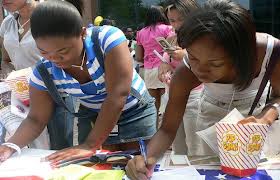
In "The Insult to Black Voters," the article critiques Chief Justice John Roberts' efforts to undermine the Voting Rights Act of 1965, arguing that his actions perpetuate racial discrimination in voting. Highlighting a recent Supreme Court case involving Louisiana, it reveals how discriminatory practices resurface despite claims of a “post-racial America.
” The GOP's dismissive attitude toward Black political representation and its failure to engage with the concerns of voters of color further exacerbate existing inequalities. The piece draws parallels to past injustices and reminds readers that the fight for fair voting rights continues.
Ultimately, it calls out attempts to erase significant conversations about racial equity in American politics, emphasizing that Black voices in elections matter more than ever. The article serves as a rallying cry for activism, urging voters to reclaim their power in a landscape that seeks to suppress it.
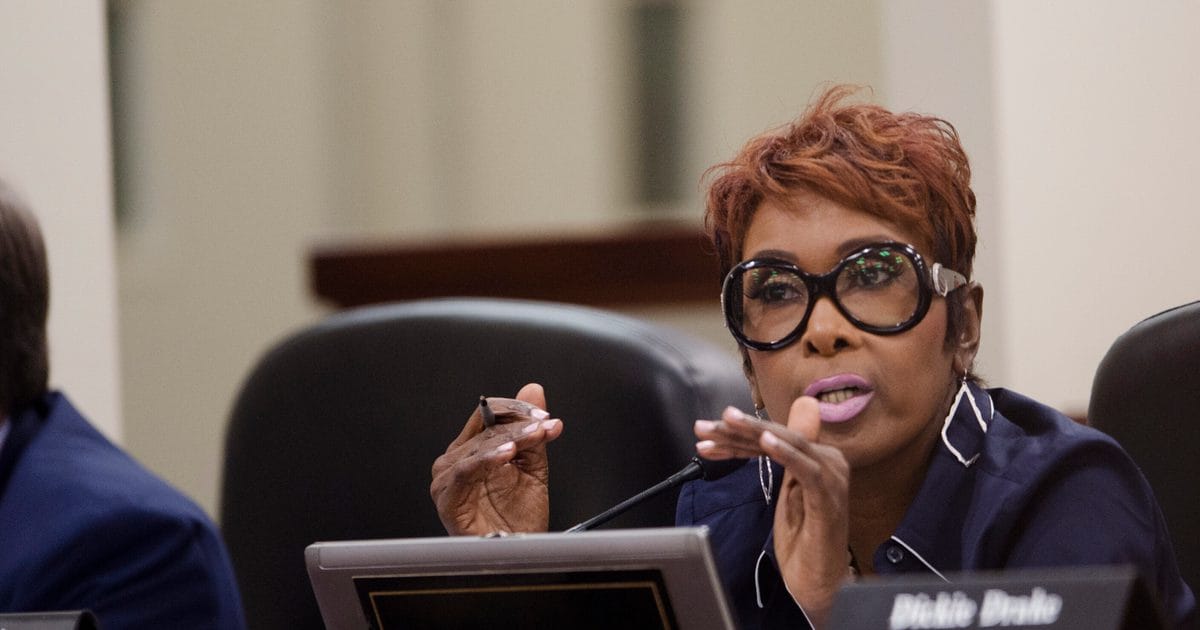
In a fiery broadcast on Huntsville's WVNN radio, State Rep. Juandalynn Givan (D-Birmingham) slammed Alabama's recent conservative redistricting efforts, labeling them "plantation politics.
" She argues that the GOP's initiative to redraw congressional districts without considering racial representation echoes a history of disenfranchisement of Black Americans. Citing the Supreme Court's ruling on representation for the nearly 30% African American population in Alabama, Givan insists that Black Alabamians deserve proper congressional districts to reflect their demographic significance.
She warned that the redistricting could lead to a complete Republican dominance in the state's representation, threatening the presence of Black Democrats like Reps. Terri Sewell and Shomari Figures.
With a passionate call for equity, she emphasized the importance of fair representation, stating, "This math right here ain't mathing." Givan’s comments underscore ongoing tensions around race and politics in the state.
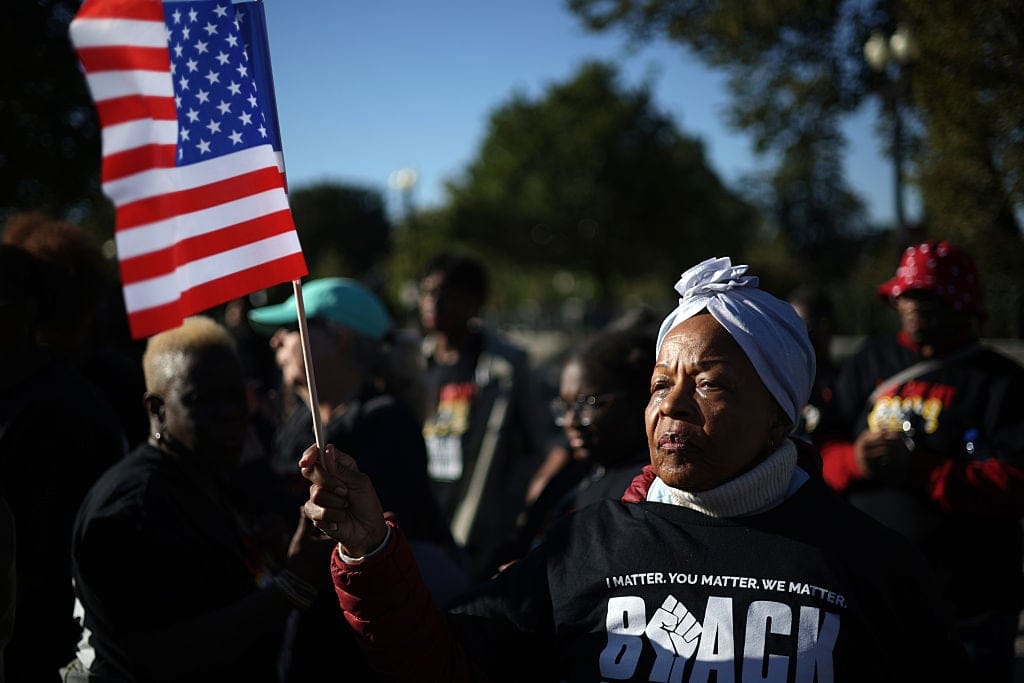
In a powerful response to a recent Supreme Court ruling that undermines protections for Black voters, former President Barack Obama and Vice President Kamala Harris voiced their concerns over potential gerrymandering that could dilute minority voting power. Obama described the decision as a severe blow to the Voting Rights Act, warning it allows state legislatures to manipulative district maps under the guise of partisanship.
Harris echoed this sentiment, emphasizing that the ruling reverses progress toward equality and fairness in the electoral process, branding it an act of political sabotage. Both leaders called upon citizens to mobilize and vote to counteract this setback, reinforcing their commitment to protecting democratic ideals.
With impending redistricting battles expected in states like Louisiana and Florida, the fight for equitable representation is further ignited, urging Americans to remain vigilant as the fight for voting rights intensifies.