- BlackVoter.Org
- Posts
- BlackVoter.Org
BlackVoter.Org

BlackVoter.org
December 22, 2025


In a recent national address, President Trump boasted about an economy on the mend, attributing its recovery to his administration while criticizing the previous Biden era. However, this optimistic narrative doesn’t resonate with many Americans, particularly Black communities, who feel left behind.
Black unemployment now stands at 8.3%, a stark rise since Trump took office.
Economic experts warn that his policies disproportionately harm Black workers, making it harder for them to thrive. Critics, including NAACP President Derrick Johnson, call Trump's economic performance an “F,” highlighting rising prices and job insecurity, especially as healthcare costs loom on the horizon.
With only 36% of Americans approving of his economic handling, it's clear that while Trump may celebrate recovery, for many, the real experience is starkly different. The gap between political rhetoric and lived reality reveals a troubling disconnect that must be addressed.


The California-Hawaii NAACP is ready to take legal action against the state's Citizens Redistricting Commission (CRC) over proposed electoral maps that threaten to dilute Black political representation. NAACP President Rick Callendar warns that the current drafts weaken community boundaries crucial for African American voters in Los Angeles County and the East Bay—areas with significant Black populations.
Callendar emphasizes that these maps not only jeopardize political influence but also undermine the cultural diversity embedded in California. With rising housing costs and record homelessness among Black residents, the NAACP asserts that fair representation is paramount to address these pressing issues.
The CRC, tasked with redrawing district lines every ten years, must heed voter feedback before finalizing maps by the December deadline. The NAACP’s call to action reflects a broader commitment to safeguarding the political power and rights of Black communities in the Golden State.

In a shocking incident that highlights the troubling intersections of race and law enforcement, Darnay Cockrell, a Black father from Arizona, faces the unimaginable: after calling 911 to report his daughter’s abduction, he became a victim himself. Mesa police treated him like a criminal, handcuffing him and forcing him to the ground for over 30 minutes, despite the distressing context of his plea for help.
Bodycam footage reveals a distraught father, not a threat, yet cops escalated the situation, leading to Cockrell suffering physical injury and losing his job. He has filed a federal lawsuit against the Mesa Police Department, alleging assault and violation of his rights.
His attorney argues that inherent racial bias led to this appalling treatment of a victim seeking assistance. The case has raised significant dialogue on the urgent need for police reform regarding their treatment of Black individuals.

In a powerful call to action, Carol Anderson emphasizes the vital role of the Public Service Commission (PSC) in ensuring equitable energy access for Georgia families, particularly the Black community. With recent election results hanging in the balance, Georgian voters demonstrated their influence at the ballot box, signaling a demand for significant change.
High energy costs are not just a statistic; they disproportionately burden low-income households, making accountability and transparency from the PSC critical. Anderson argues that the commission's decisions can directly alleviate or exacerbate these financial strains.
As Georgia's energy landscape continues to evolve, public engagement at PSC meetings and active participation in voting are essential to hold leaders accountable and promote fair policies. It's a wake-up call for individuals to recognize their power in shaping a more equitable future where everyone can afford to keep the lights on.

Instagram is a vibrant social media platform that allows users to share photos and videos, fostering creativity and connection. With its user-friendly interface, you can explore breathtaking visuals, follow friends and influencers, and discover trends through hashtags and the Explore page.
Whether you’re showcasing your latest meal, your travel adventures, or your unique style, Instagram offers a variety of features like Stories, Reels, and IGTV to express yourself in dynamic ways. Engage with others through likes, comments, and direct messages, building a community around your interests.
Plus, with Instagram Shopping, you can easily discover and purchase products directly from your favorite brands. Whether you’re a casual user or a content creator, Instagram is the go-to platform to connect, inspire, and be inspired! Dive into a world of visual storytelling and see where your creativity takes you.

In a striking revelation, the National Education Association (NEA) spent only 10% of its 2025 budget on representing teachers, diverting a staggering 39%—over $175 million—toward political activities and lobbying. With total expenditures nearing $450 million, NEA's focus seems less about educators and more about political ambitions.
According to their own filings, just $46 million went to actual representational efforts, raising eyebrows about their priorities. Moreover, NEA's leadership reportedly reaped substantial salaries, with over 481 employees earning over $100,000 and president Rebecca Pringle netting more than $514,000.
Amid these financial maneuvers, funds were also funneled into global contributions and unspecified expenses, leaving many Illinois teachers feeling their union dues might be better spent elsewhere. As NEA shifts away from its foundational mission of uplifting education, teachers are left questioning where their loyalty—and money—truly lies.
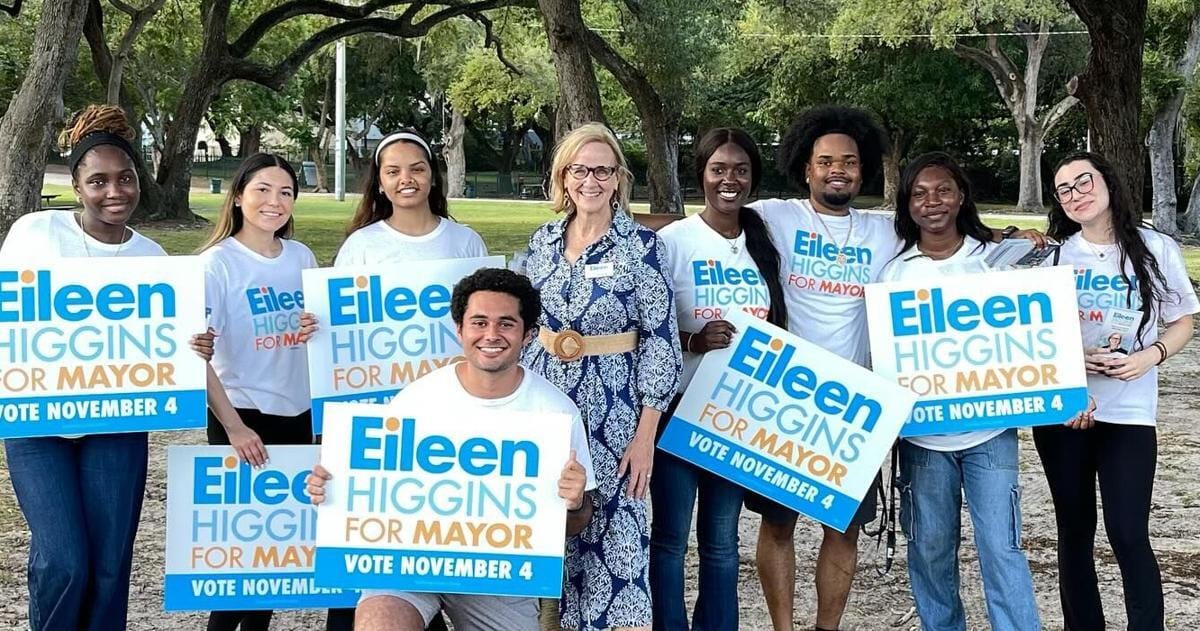
Eileen Higgins made history as Miami’s first woman mayor, clinching victory with a remarkable 59% of the vote, thanks in large part to overwhelming support from historically Black neighborhoods. Her win marks a significant shift in leadership after nearly three decades without a Democratic mayor.
Engaging with community voices, particularly around pressing issues like housing affordability and public safety, is now crucial for Higgins, as residents expect tangible results from her administration. Concerns surrounding the meaning of "affordable housing" and the need for stronger tenant protections resonate throughout these communities.
As Higgins gears up for her transition, she emphasizes a commitment to transparency and responsive governance, promising to prioritize initiatives that directly benefit Black residents. With heightened expectations for accountability, Miami's historically marginalized communities are ready to engage and ensure their voices shape the city’s future.