- BlackVoter.Org
- Posts
- BlackVoter.Org
BlackVoter.Org

BlackVoter.org
January 07, 2026


On January 7, we celebrate a pivotal moment in arts history: in 1955, Marian Anderson made her groundbreaking debut as the first African American singer at the Metropolitan Opera, performing in Verdi’s “Un Ballo in Maschera.” This remarkable achievement marked a significant step forward in the fight for racial equality in the arts.
The day is not just about this milestone; it also remembers astronomer Galileo Galilei’s first observations of Jupiter’s moons in 1610, showcasing humanity's relentless curiosity. Reflecting on this date opens a window to both cultural triumphs and scientific advancements, reminding us of the enduring spirit of progress and inspiration.

A groundbreaking study from MSL U.S.
and The Influencer League has illuminated a troubling racial pay gap in the social media influencer industry. The report, titled "Time to Face the Influencer Pay Gap," reveals that Black influencers earn, on average, 35% less than their White counterparts.
More startlingly, 77% of Black influencers find themselves in the lowest pay tiers, with average earnings considerably below their White peers. The study also highlights that many Black influencers feel financially penalized for discussing race-related issues, unlike just 14% of White influencers who share this sentiment.
This stark disparity stands in stark contrast to the industry's claims of promoting diversity and inclusion. Experts call for greater pay transparency and support for Black creators, whose voices and contributions deserve equitable recognition and compensation in an evolving digital landscape.
This research not only quantifies an ongoing issue but also challenges the industry to confront these egregious inequities head-on.

In Texas, a Senate primary is shaping up as a compelling clash of ideologies between two powerful candidates: James Talarico and Jasmine Crockett. Talarico, a Presbyterian minister, champions a socially progressive message rooted in love and acceptance, drawing from the Social Gospel tradition.
He advocates for compassionate politics, seeking to redefine how faith intersects with governance. In contrast, Crockett, a bold voice from the Black Church tradition, is unapologetically combative, tackling issues with the fiery rhetoric reminiscent of civil rights activists.
Both candidates embody rich religious legacies—Talarico’s calmness counters Crockett’s passionate urgency, but they share a commitment to justice and equality. As Democratic voters face a pivotal decision, the outcome may not only influence Texas politics but also set a tone for the future of progressive faith in America.
Will love triumph over confrontation, or will fiery activism win the day? The stakes are high, reflecting deeper theological and political debates in the nation.
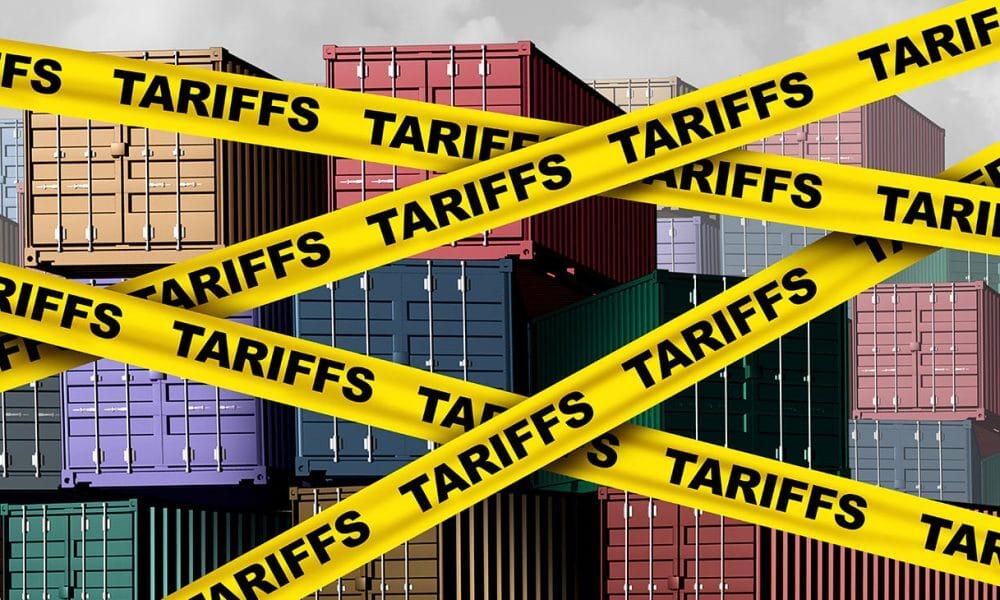
In a critical moment for Black America, the Trump administration's upcoming tariffs are poised to hit marginalized communities hard. A hefty 25% levy on imports from Canada and Mexico and an additional 10% on Chinese goods promises to swell grocery bills and fuel prices, intensifying the financial strain on already struggling low-income families.
Calvin Boomer, a financial analyst, warns that Black and brown communities—who allocate a significant portion of their wealth on essentials—will face dire consequences. With everyday necessities becoming more costly, families must choose between food and rent.
The auto industry, a key employer for African Americans, is bracing for potential layoffs, reminiscent of the economic fallout from previous tariffs. Critics, including the NAACP, are sounding alarms about deepening racial disparities.
As alarm bells ring, the echoes of financial hardship are felt throughout the community, underscoring an urgent call for action and support.

In "Progressives Give Blacks Just Enough," Reid Fitzsimons argues that affluent progressives maintain their social status by giving just enough support to Black communities to quell discontent while ensuring they remain reliant on their assistance. This manipulation, he claims, dates back to the post-WWII era and has persisted for decades.
Fitzsimons critiques past and present Black leaders, suggesting that figures like Martin Luther King Jr. were co-opted into a system that ultimately seeks to reinforce dependency rather than true empowerment.
By fostering lower expectations and perpetuating a cycle of victimhood, he argues that the establishment keeps individuals disenfranchised while appearing benevolent. The article links contemporary gestures like social reforms and identity politics to this historical pattern, highlighting an ongoing struggle for genuine equality amid progressive rhetoric that often masks deeper issues of control and manipulation.
Fitzsimons calls out this "just enough" strategy as inadequate for true progress.

In January 1996, a geopolitical drama unfolded when Libyan leader Muammar Gaddafi offered a staggering $1 billion to Louis Farrakhan’s Nation of Islam, aiming to bolster Black American empowerment amid racial inequality. The Clinton administration faced a dilemma: accepting the funds could compromise U.
S. foreign policy and legitimize a controversial figure, while rejecting it risked alienating Black Americans yearning for advancement.
Ultimately, the Treasury Department blocked both the billion-dollar gift and a $250,000 humanitarian award, igniting a fierce debate over race, power dynamics, and international relations. Farrakhan saw Gaddafi’s offer as a transformative opportunity for Black economic growth, while the U.
S. government’s refusal signaled a reluctance to allow foreign influence in domestic racial struggles.
This pivotal moment highlights ongoing tensions between American ideals of racial justice and the realities of political control, illustrating how issues of race intersect with broader geopolitical narratives—a conversation that remains relevant today.
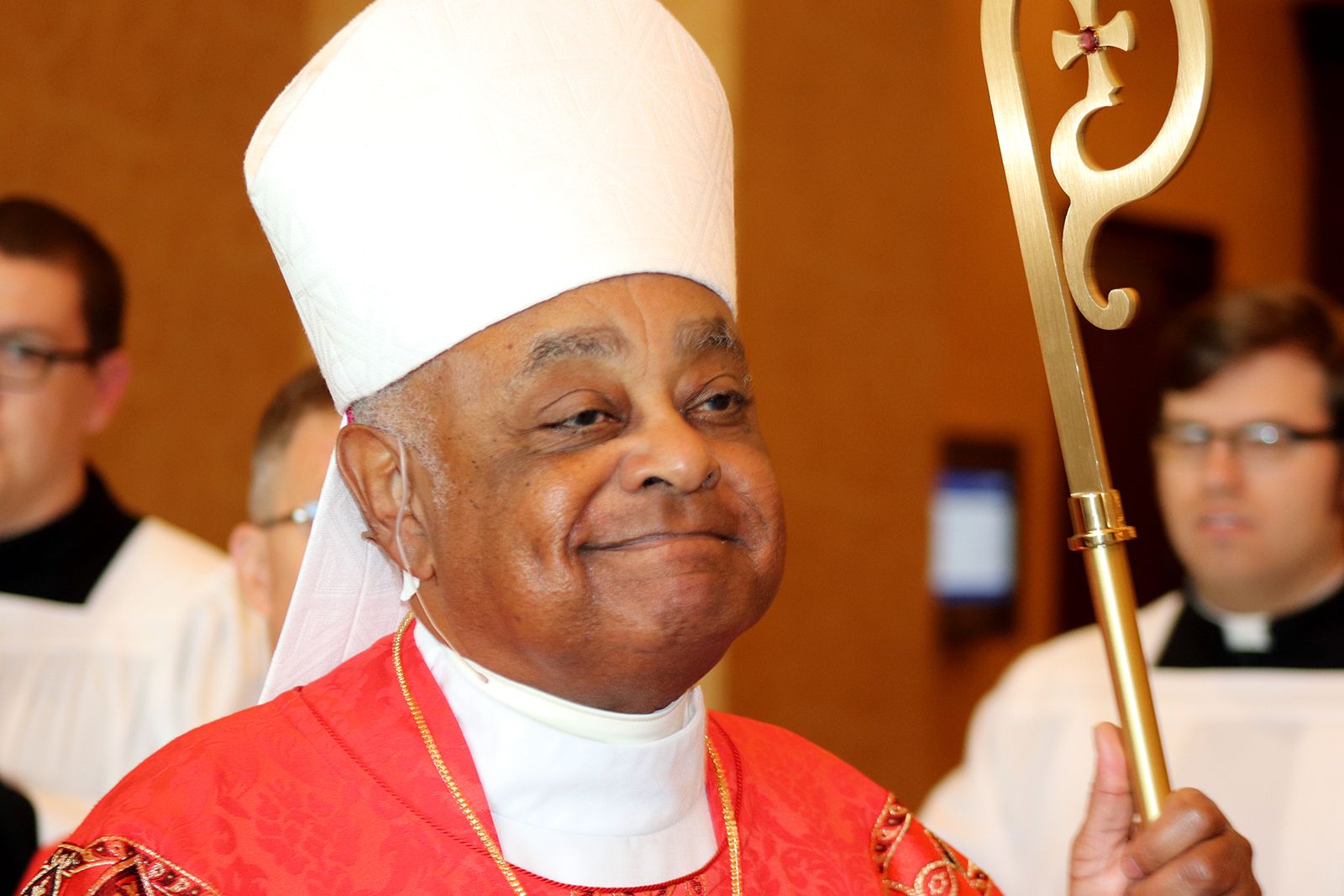
In a historic moment for both the Church and the community, Cardinal Wilton Gregory—recognized as the first African American cardinal—will celebrate the annual Martin Luther King Jr. Mass in Phoenix on January 17th.
This special gathering, held at Xavier College Preparatory High School, not only honors Dr. King's legacy of justice and compassion but also features an awards ceremony recognizing students who embody these values.
Gregory, a trailblazer within the Catholic Church and a former president of the U.S.
Conference of Catholic Bishops, reflects on the influence of Dr. King, highlighting the importance of non-violence in the struggle for civil rights.
Following the MLK Mass, Cardinal Gregory will lead another service at St. Josephine Bakhita Mission Parish.
This event serves as a powerful reminder of faith, unity, and the ongoing journey towards racial equality within the Church and beyond.