- BlackVoter.Org
- Posts
- BlackVoter.Org
BlackVoter.Org

BlackVoter.org
February 27, 2026
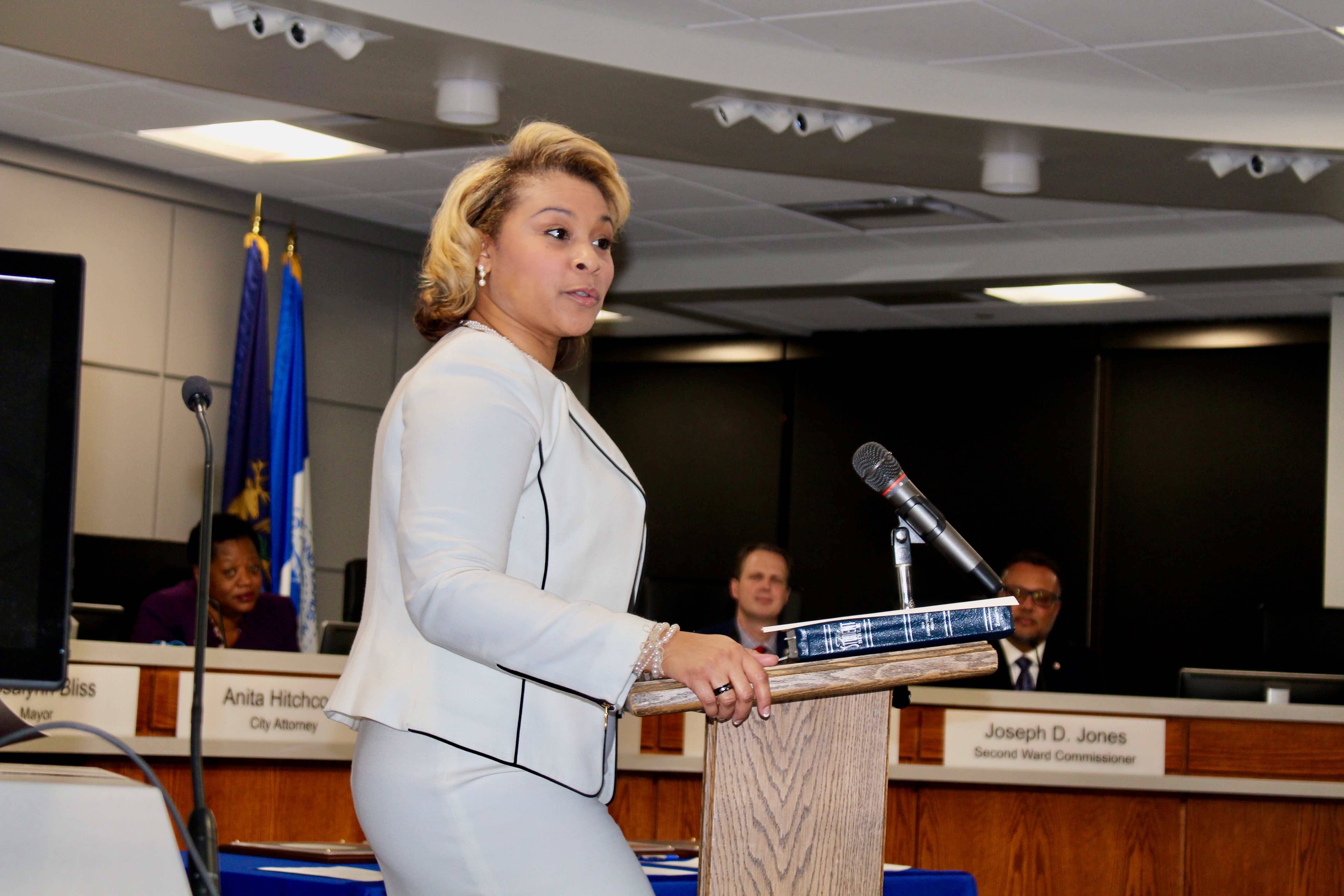
In a captivating reflection on her political journey, Senita Lenear shares her pioneering experience as the first African-American woman elected to the Grand Rapids City Commission in 2013. Growing up in the city's Third Ward, Lenear's passion for community service blossomed through her work in health insurance and nonprofit roles.
Within her nine-year tenure, she championed the Third Ward Equity Fund to address long-standing inequities and drove initiatives such as the Southtown Corridor Improvement Authority, which rejuvenated local businesses. Lenear recently ran for mayor, contemplating the impact of her pioneer status as more Black women follow in her footsteps.
With her legacy shaping a brighter future in Grand Rapids, she emphasizes that making a difference extends beyond elected office, urging others to embrace diverse pathways for change. Her story not only celebrates her achievements but also inspires a new generation to challenge barriers and pave the way for social equity.
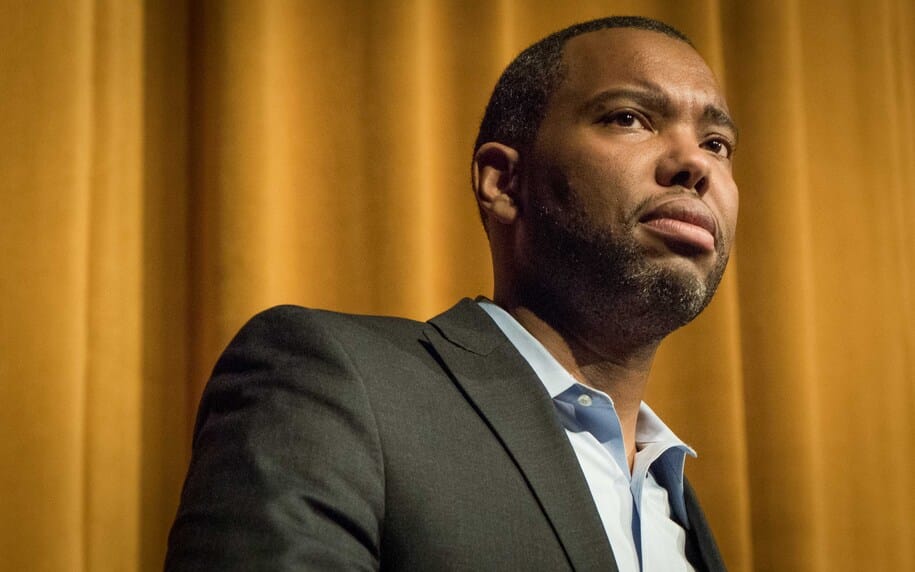
In a thought-provoking piece, the author dives into the urgent conversation of reparations as a remedy for America's enduring racial inequalities. Rooted in Ta-Nehisi Coates' impactful arguments, the article emphasizes that race is a socially constructed label with no biological basis, emerging from a history steeped in White supremacy.
The author argues that America’s prosperity has been built on injustices—slavery, genocide, and systemic exploitation—without any meaningful reparative actions to heal the wounds inflicted on the Black community. While many perceive reparations as mere financial compensation, the piece asserts that true change requires dismantling the ingrained structures of White supremacy.
Reparations should be framed not as a burden on White people, but as a collective step toward equity that ultimately benefits everyone by addressing the deep roots of inequality that affect society at large. This compelling call to action pushes readers to rethink their understanding of reparations and consider their role in this vital movement.
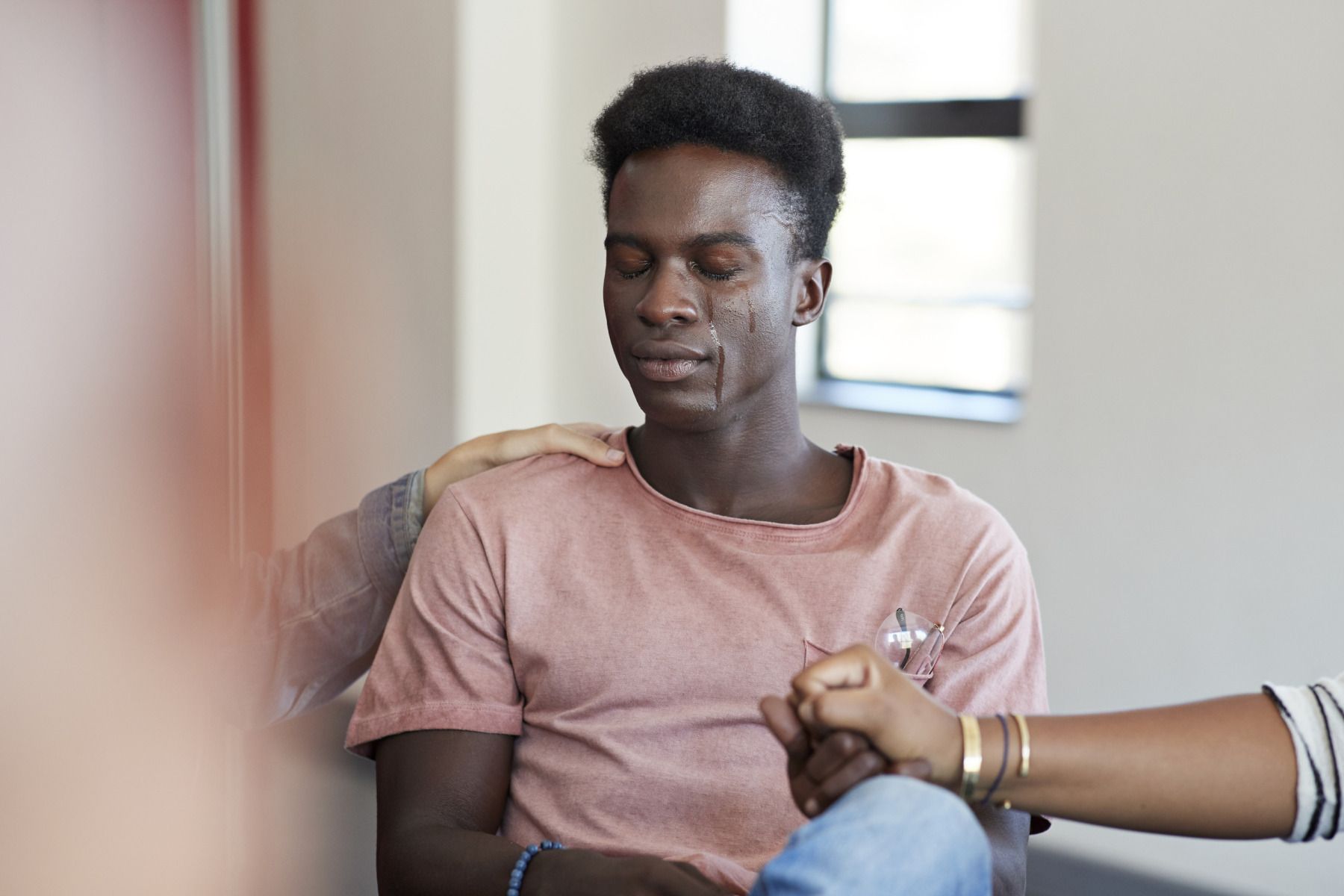
The mental health crisis facing Black men is more pressing than ever, with alarming suicide rates and systemic stigma creating a culture of silence. The recent losses of figures like James Bernard and Kyren Lacy underscore the urgent need for change in how mental health is addressed within the Black community.
Despite statistics revealing that Black adults often receive less mental health treatment, societal narratives continue to paint Black men in a negative light, making it difficult for them to voice their struggles. Experts argue that creating safe spaces for discussion and support is essential, from community hubs like barbershops to workplaces.
The article highlights the importance of understanding and acknowledging the unique mental health challenges Black men face and calls for targeted research and reform. By fostering open dialogue and better support systems, we can help combat the stigma and prevent further tragedies, paving the way for healing and acceptance.
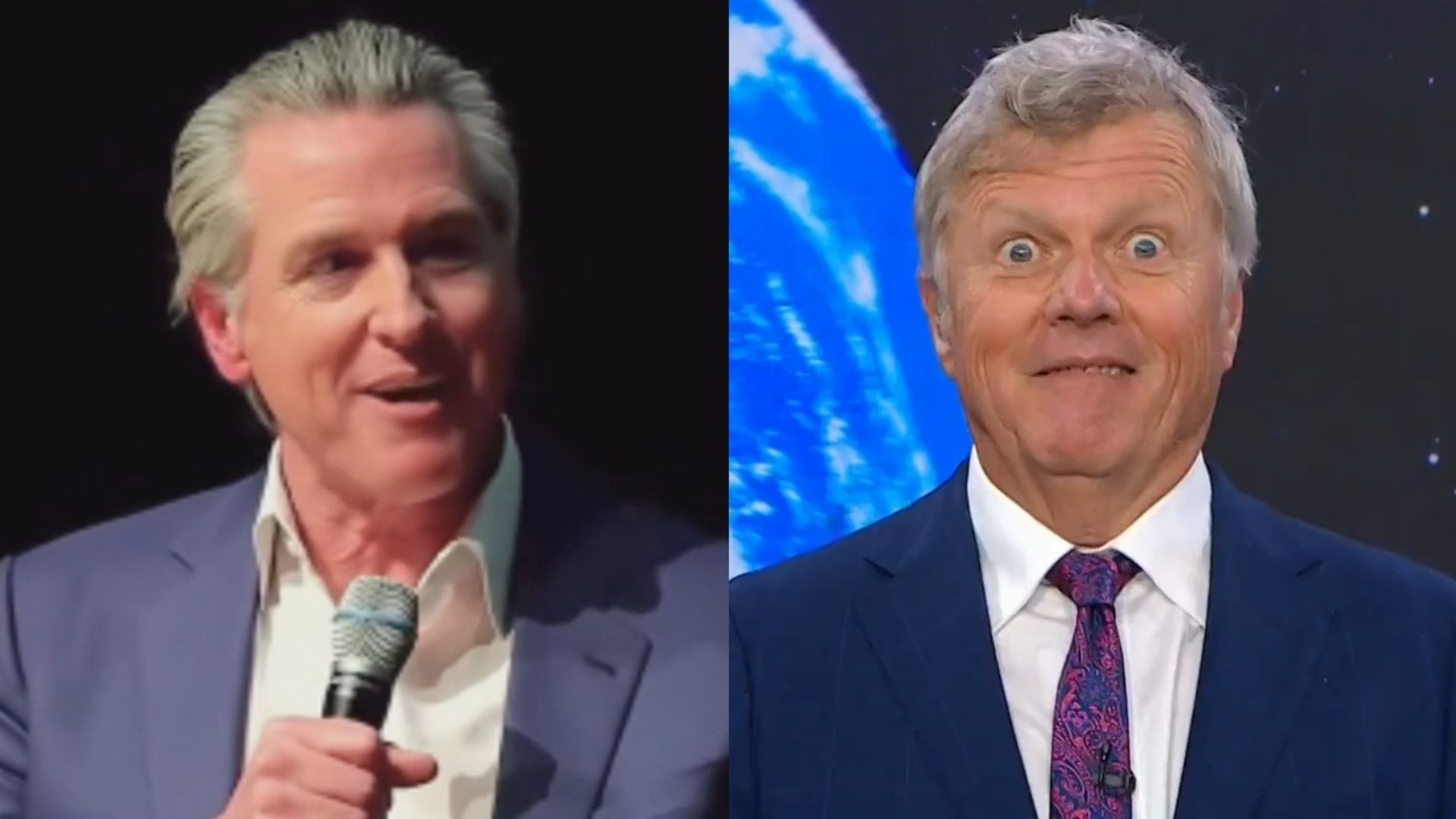
Sky News host Rowan Dean didn't hold back when taking aim at California Governor Gavin Newsom. In a lively segment, he accused Newsom of putting on an act to connect with African American voters, suggesting the governor was pretending to be unintelligent.
Dean’s sharp commentary highlighted the perceived insincerity of Newsom’s approach, emphasizing that political stunts to gain favor can often backfire. With a mix of humor and criticism, Dean challenged the authenticity of politicians trying too hard to relate to diverse communities.
The segment sparked discussions on the complexities of identity politics and how genuine connections are often more effective than superficial gestures.
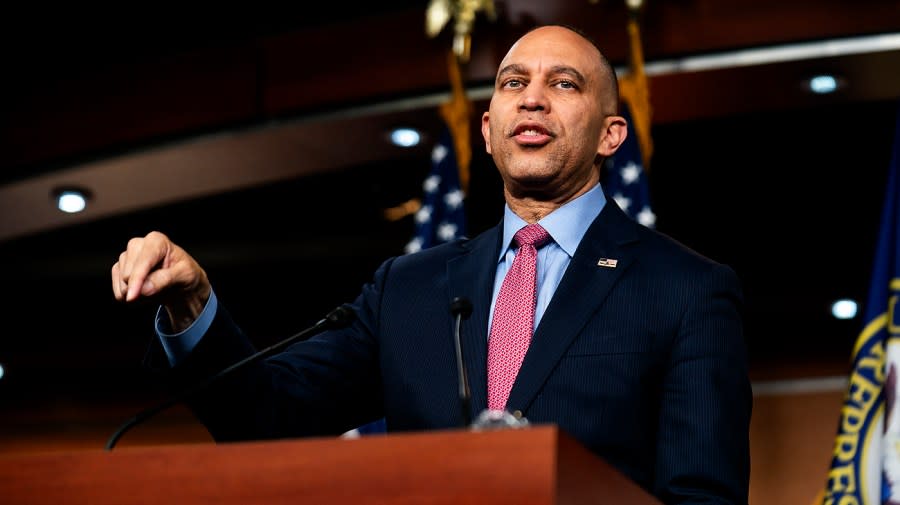
In a thought-provoking opinion piece, Juan Williams highlights the challenges facing today’s generation of Black politicians, often referred to as the “Joshua generation.” With a historic rise in Black political representation, including potential leaders like Rep.
Hakeem Jeffries poised to become the first Black Speaker of the House, there's an underlying sense of discontent among Black voters. Many are questioning the tangible benefits of this political empowerment, particularly in the wake of rampant issues like police brutality and economic disparity.
As the frustration grows, young Black voices, some even turning to candidates like Trump, express a desire for change. Williams emphasizes the importance of navigating this political landscape with patience and strategic coalitions across racial lines, echoing the non-violent tactics of leaders like Dr.
King. The legacy of the past must inspire current leaders to fulfill their duty in addressing the urgent needs of their communities while fostering unity.
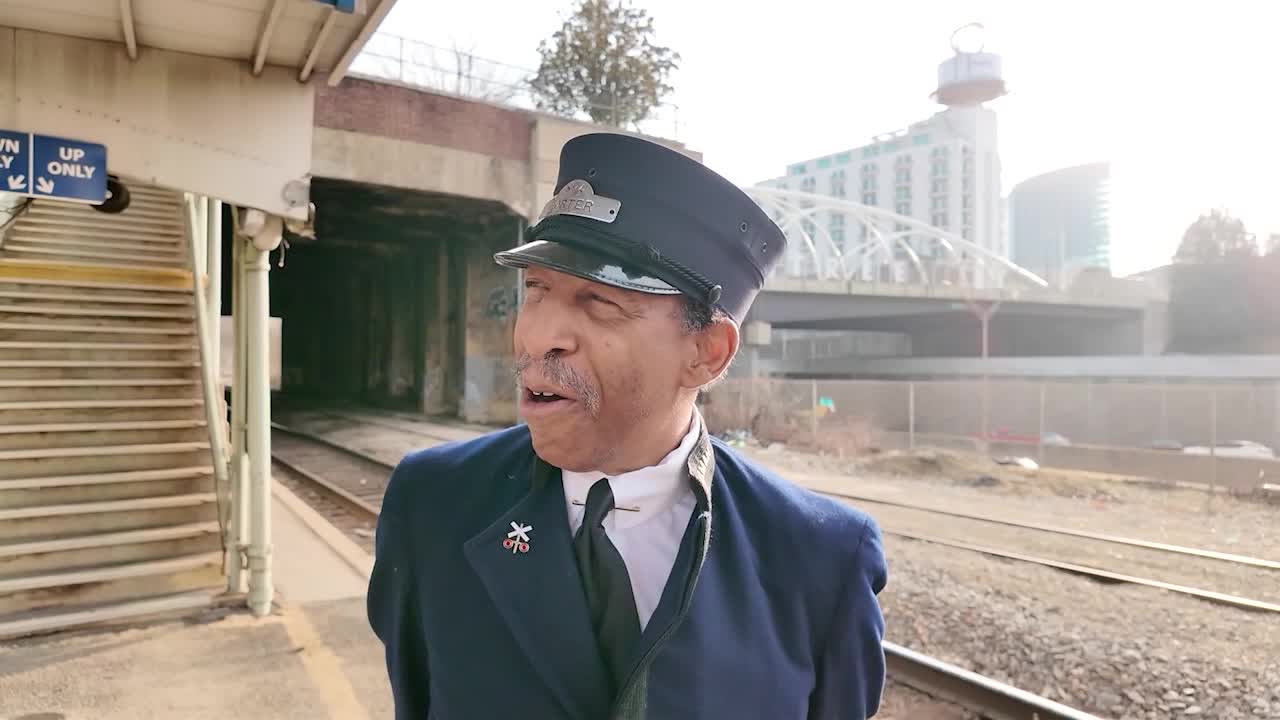
The Pullman Porter legacy is a powerful testament to the impact of Black rail workers on America's social fabric. Robert West, sporting the iconic uniform of his grandfather, epitomizes this legacy, dedicated to preserving the history of Pullman Porters who worked tirelessly from 1867 to the late 1960s.
Despite grueling hours and reliance on tips, these men formed the backbone of the African American middle class and were instrumental in the civil rights movement. They established the Brotherhood of Sleeping Car Porters in 1925, marking the first Black labor union.
Their collective efforts helped fund pivotal moments in history, including the bail of Rosa Parks during the Montgomery bus boycott. Beyond economic contributions, Pullman Porters inspired future leaders like Thurgood Marshall and Malcolm X.
Today, West continues to honor their sacrifices, ensuring that their story remains vital as America moves forward.
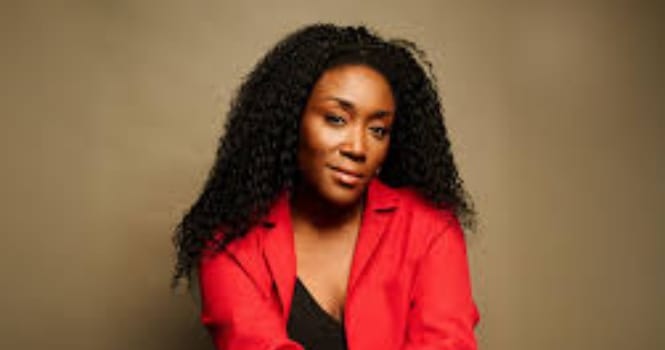
In a powerful Instagram video, activist and singer Malynda Hale calls on Americans to truly listen to Black voices, emphasizing the unique historical perspective rooted in centuries of systemic inequality. Hale asserts that Black Americans possess a distinct vantage point shaped by “forced proximity to whiteness,” allowing for a deep understanding of societal power dynamics.
Referencing W.E.
B. Du Bois's concept of "double consciousness," she illustrates how Black individuals navigate their identities within a complex socio-political landscape.
Hale cautions against current political polarization, highlighting that many in Black communities recognize attempts to incite division. She urges those benefiting from societal hierarchies to step back and actively listen, noting that "those at the bottom of the hierarchy see the cracks in the foundation first.
" Her thought-provoking message is sparking widespread discussion on race, privilege, and the path to meaningful social change.