- BlackVoter.Org
- Posts
- BlackVoter.Org
BlackVoter.Org

BlackVoter.org
March 04, 2026

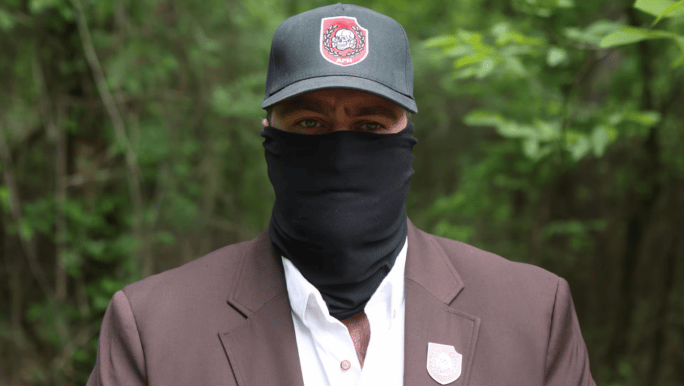
The rise of the Aryan Freedom Network (AFN), a neo-Nazi group led by a Texas couple with Ku Klux Klan roots, signals a troubling shift in the landscape of American extremism, especially during Donald Trump's presidency. Emphasizing Trump's divisive rhetoric—targeting immigration and "Western values"—AFN reports significant growth in recruitment and visibility.
Their activities, including public demonstrations against LGBTQ+ events and the distribution of racist flyers, echo historical Klan tactics. Experts note that as white extremist groups increasingly dominate far-right political violence, extremist views are creeping into mainstream Republican discourse.
While Trump claims to promote unity, his actions may inadvertently embolden such hate groups, blurring the lines between traditional conservatism and extremist ideologies. Current data shows the alarming rise of political violence tied to white nationalists, revealing a dangerous normalization of extremist rhetoric that could have lasting consequences for American society.
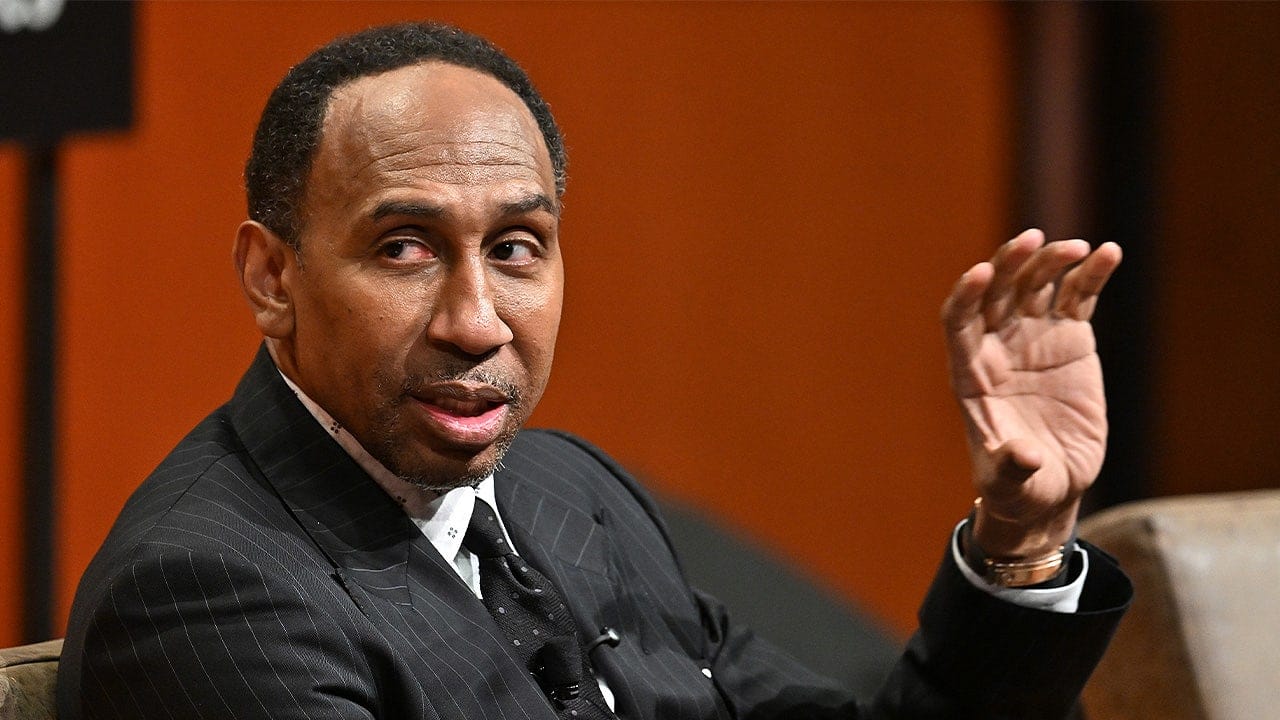
In a powerful call to action, sports commentator Stephen A. Smith urged Democrats to earn the support of Black voters instead of taking it for granted.
During a recent discussion, Smith emphasized that simply pointing out the flaws of opposing parties isn't enough; politicians must offer tangible policies that resonate with the Black community's needs. He pointed out that the Democratic Party’s historical reliance on over 80% of Black votes since the 1960s should be questioned and earned anew with meaningful proposals.
Smith argued for a shift away from focusing on niche issues that affect only a small part of the electorate, advocating instead for broader policies that address the concerns of larger communities. Ultimately, he encouraged Black voters to demand respect from politicians, saying, "I ain't giving you anything.
Earn it!" His passionate plea signals a pivotal moment for political engagement and accountability in American politics.
The U.S.
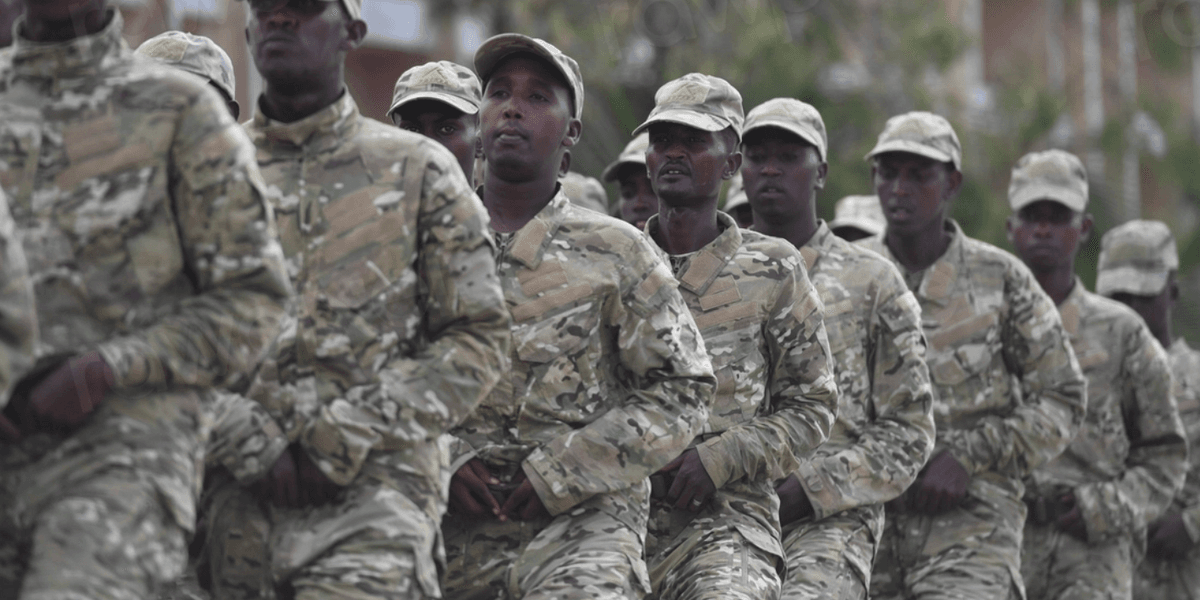
has just struck a new deal to build up to five military bases in Somalia, primarily aimed at strengthening the Somali National Army’s fight against al-Shabaab. While this move is framed as a security initiative, analysts warn it signals a deeper game of geopolitical influence in the Horn of Africa.
With rising tensions and foreign powers like Turkey, Saudi Arabia, and the UAE vying for control, this U.S.
involvement may further complicate matters rather than provide real solutions.
The agreement highlights a troubling trend towards militarization and risks fueling internal divisions within Somali security forces, making them more reliant on foreign intervention.
As ordinary Somalis express mixed feelings—hoping for job opportunities and security—experts caution that the history of U.S.
military involvement suggests potential for escalating conflict and instability rather than fostering peace. In the end, as foreign interests collide, the needs of ordinary Somalis may be lost in the shuffle.

The NAACP has publicly distanced itself from political influencer Luis Magaña, who was accused of misogynoir after criticizing Black Senate candidate Jasmine Crockett. Magaña, known for his account @RogueDNC, stirred controversy by posting an interview clip of Crockett discussing her views on Israel, subsequently drawing backlash from prominent Black female influencers like Lynae Vanee and Elizabeth Booker Houston.
In response to these criticisms, the NAACP emphasized that they do not condone using their name to justify harmful rhetoric, especially against Black women. They assert their commitment to amplifying Black women's voices and experiences.
Following the uproar, Magaña issued an apology for a racist caricature he photoshopped of Booker Houston. This incident highlights ongoing tensions within progressive circles and underscores the importance of fostering respectful dialogue around race and gender issues.
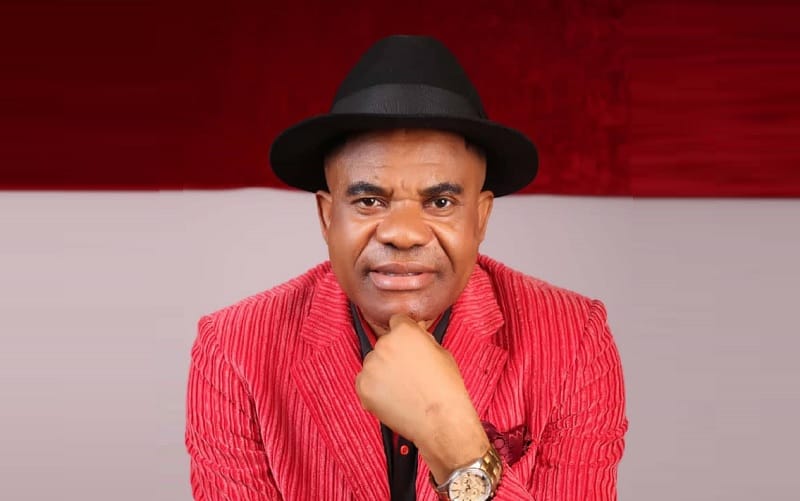
In a poignant appeal, Dr. Iwuchukwu Ezenwafor, a cleric and founder of the Universal Prayer Fellowship Worldwide, has petitioned former President Donald Trump to kickstart a global reparation initiative for Africa over the transatlantic slave trade.
Ezenwafor describes this centuries-long atrocity as a heinous crime that has left deep scars on African societies. He argues that Western nations, which profited from this trade, must acknowledge their roles and contribute to a structured restitution program to uplift affected communities.
He proposes an international conference to assess responsibilities and create a reparations fund aimed at enhancing infrastructure, education, and cultural restoration across Africa. Highlighting the enduring impact of slavery on migration patterns, Ezenwafor believes that such reparative measures could significantly foster dignity and economic stability in the continent, while also addressing the root causes of irregular migration to the West.
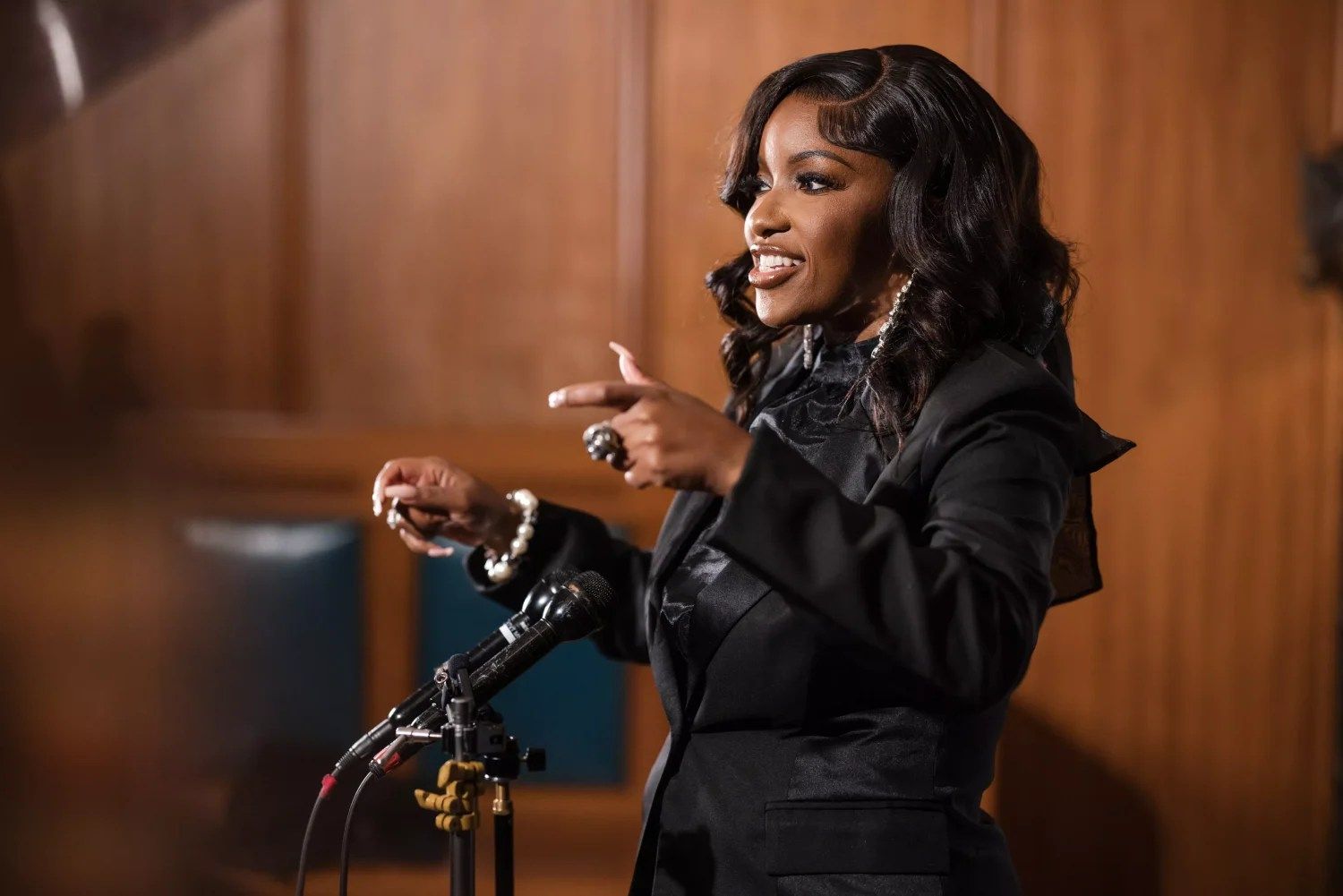
In a whirlwind of confusion, the Dallas County primary elections saw some unexpected turns on March 3. State Rep.
James Talarico clinched the Democratic Senate nomination over U.S.
Rep. Jasmine Crockett, while a runoff looms for prominent Republicans including Sen.
John Cornyn and Attorney General Ken Paxton. Chaos erupted as new precinct voting rules led to widespread confusion, turning many voters away and even prompting a court battle.
Polling locations struggled with broken machines and mixed instructions, leaving residents frustrated and questioning the efficacy of their participation. Despite the setback, candidates like Crockett voiced their concerns about voter suppression, emphasizing the need for clear communication in future elections.
As results trickled in well into the night, the chaotic atmosphere highlighted both the challenges faced and the determination of voters to be heard in a rapidly evolving political landscape.
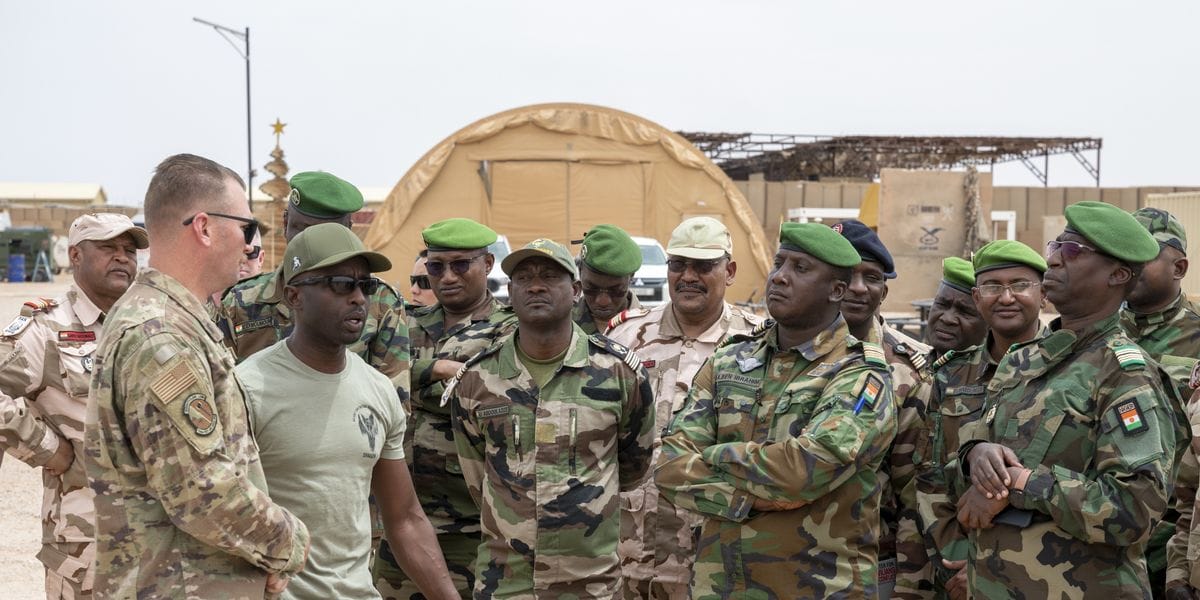
The recent tensions between the U.S.
and Niger's military junta reflect a dramatic shift in diplomatic relations since last year's coup. During a delegation visit aimed at fostering discussions about democracy, U.
S. officials encountered a rebuff from Nigerien leaders, culminating in the junta's rejection of military cooperation agreements and a demand for U.
S. troops to leave.
The incident highlights the U.S.
’s missteps, characterized by perceived arrogance and a failure to recognize Niger’s emerging sovereignty. As the Pentagon navigates this complex scenario, questions arise about the effectiveness of U.
S. military presence in the region and whether the drone base in Niger truly serves its intended purpose.
With rising discontent over U.S.
influence, this exit might not spell disaster for Niger, suggesting a need for a reassessment of American policies in West Africa. In short, the evolving relationship with Niger could reshape U.
S. strategy in the Sahel dramatically.