- BlackVoter.Org
- Posts
- BlackVoter.Org
BlackVoter.Org

BlackVoter.org
December 03, 2025

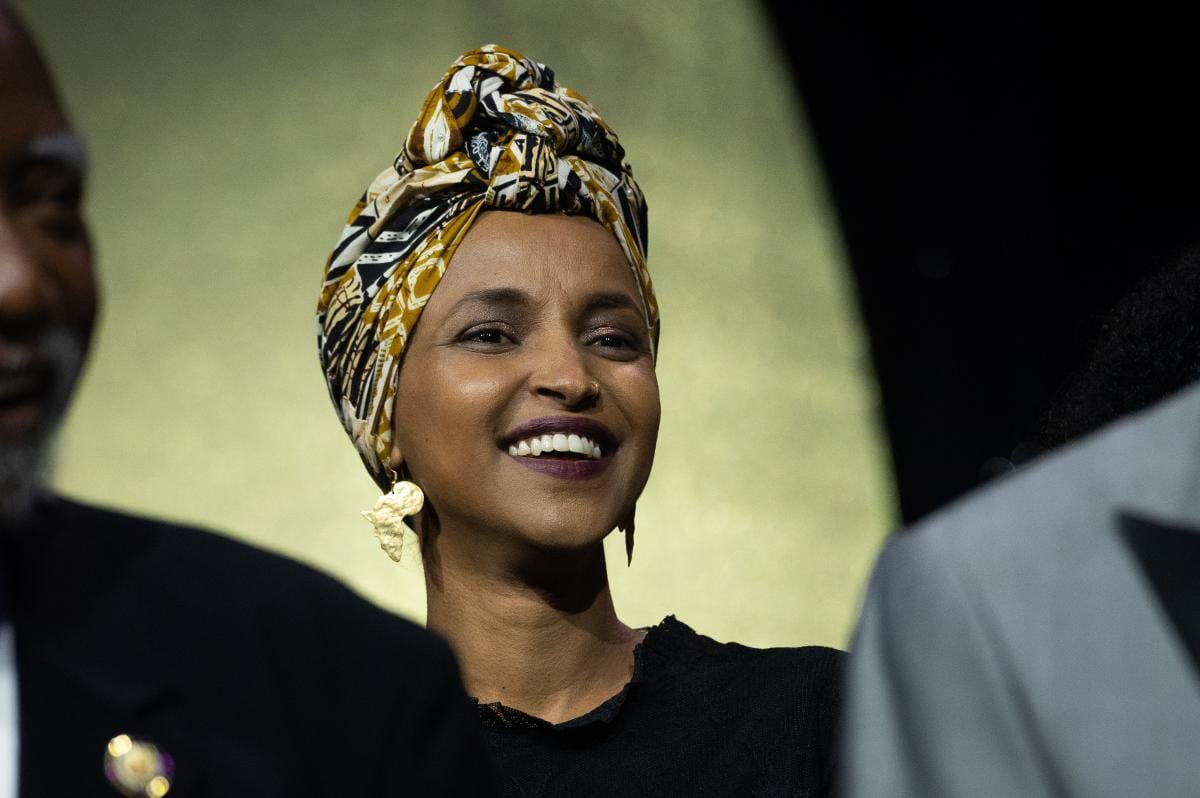
In a scathing opinion piece, Rich Lowry criticizes Representative Ilhan Omar, portraying her as an embodiment of the ungrateful immigrant stereotype that some believe should be excluded from the U.S.
Lowry argues that, despite receiving asylum from a war-torn Somalia and finding success in America, Omar has voiced grievances about the country and its founding ideals. The article connects her narrative to alleged fraud within the Somali community in Minnesota, where over $1 billion in welfare funds intended for vulnerable populations were reportedly siphoned off.
Lowry questions the U.S.
immigration policy, suggesting it should favor newcomers who truly value and want to integrate into American society. The piece raises eyebrows about the distinction between law-abiding immigrants and those who exploit system loopholes while implying a need for more stringent immigration criteria.

Giving Tuesday is here, marking a day of generosity and support for impactful causes! This year, let's focus on uplifting Black-led organizations that champion change within the community. From the Center for Black Equity, promoting health and rights for LGBTQ+ individuals, to Black Girl Ventures, which fuels Black and Brown entrepreneurs, there are numerous ways to make a difference.
The National Congress of Black Women advocates for equality, while the Black Mental Health Alliance connects individuals to vital mental health resources. Want to support the arts? Check out the National Black Arts Festival! Whether it's empowering young people through Black Girls Code or fighting for justice with Color of Change, your support can create lasting impact.

Toya Bush-Harris and Dr. Heavenly Kimes are at it again on "Married to Medicine," and this time, it’s over Heavenly's surprising political aspirations.
In a heated confrontation, Heavenly announces her candidacy for state representative, citing the need to be a voice for the underrepresented in her community. However, Toya isn’t impressed, mocking Heavenly’s qualifications and claiming, “the state representative wouldn’t be you.
” Their fiery exchange escalates as Toya brings Heavenly's family into the mix, igniting old feuds. Meanwhile, Dr.
Jackie Walters faces backlash for a potentially shady comment regarding Brandi Milton's health, which sparks a conversation about thyroid issues that affects millions. Brandi turns the situation into an opportunity to educate others about health awareness, emphasizing empathy in her response.
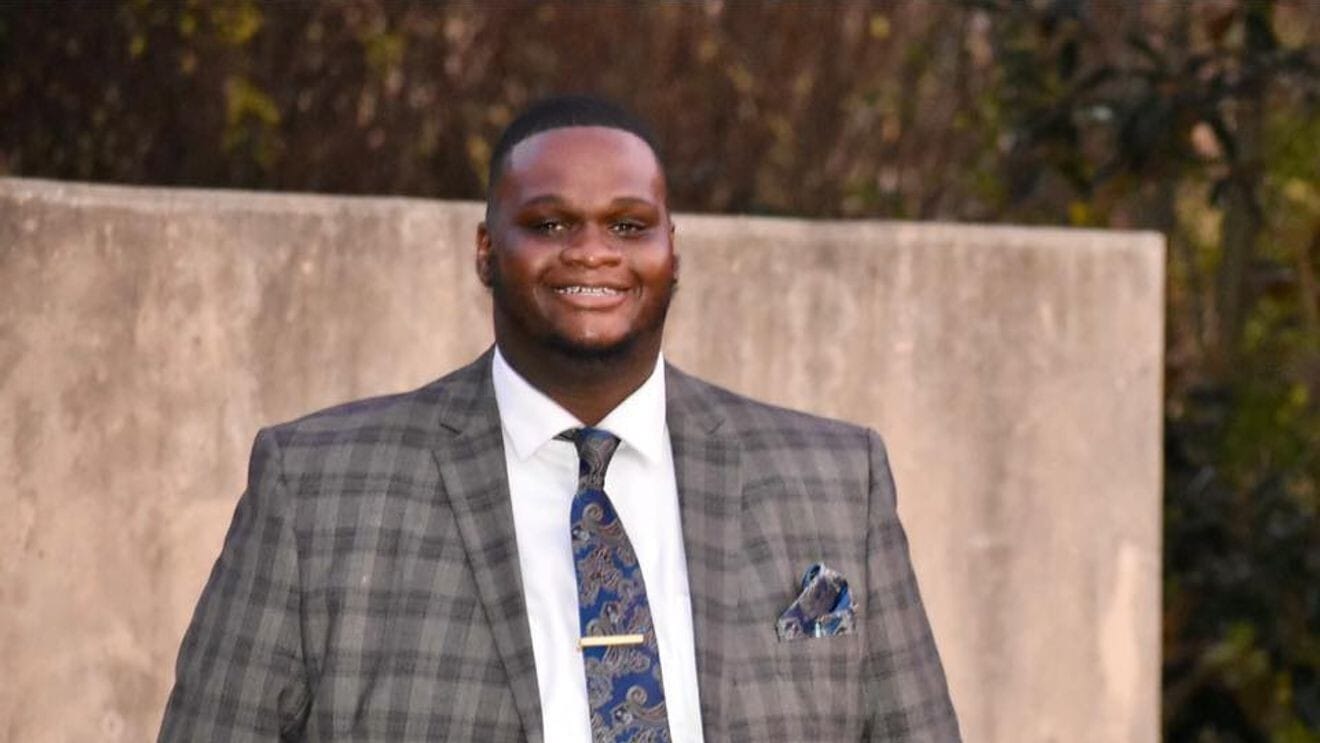
In a groundbreaking election, Marcus McGirt has made history as the first African American mayor of Latta, South Carolina! The longtime councilman triumphed over Rick Watson with a favorable vote count of 197 to 137, securing his new position and paving the way for enhanced representation in the town. This momentous win is not just a personal achievement for McGirt, but a significant milestone for the community as well.
The recent electoral outcomes also included three council seats, reflecting a democratic engagement among the residents. As the votes are set to be officially certified later this week, McGirt's leadership is expected to inspire further progress and inclusivity in Latta.
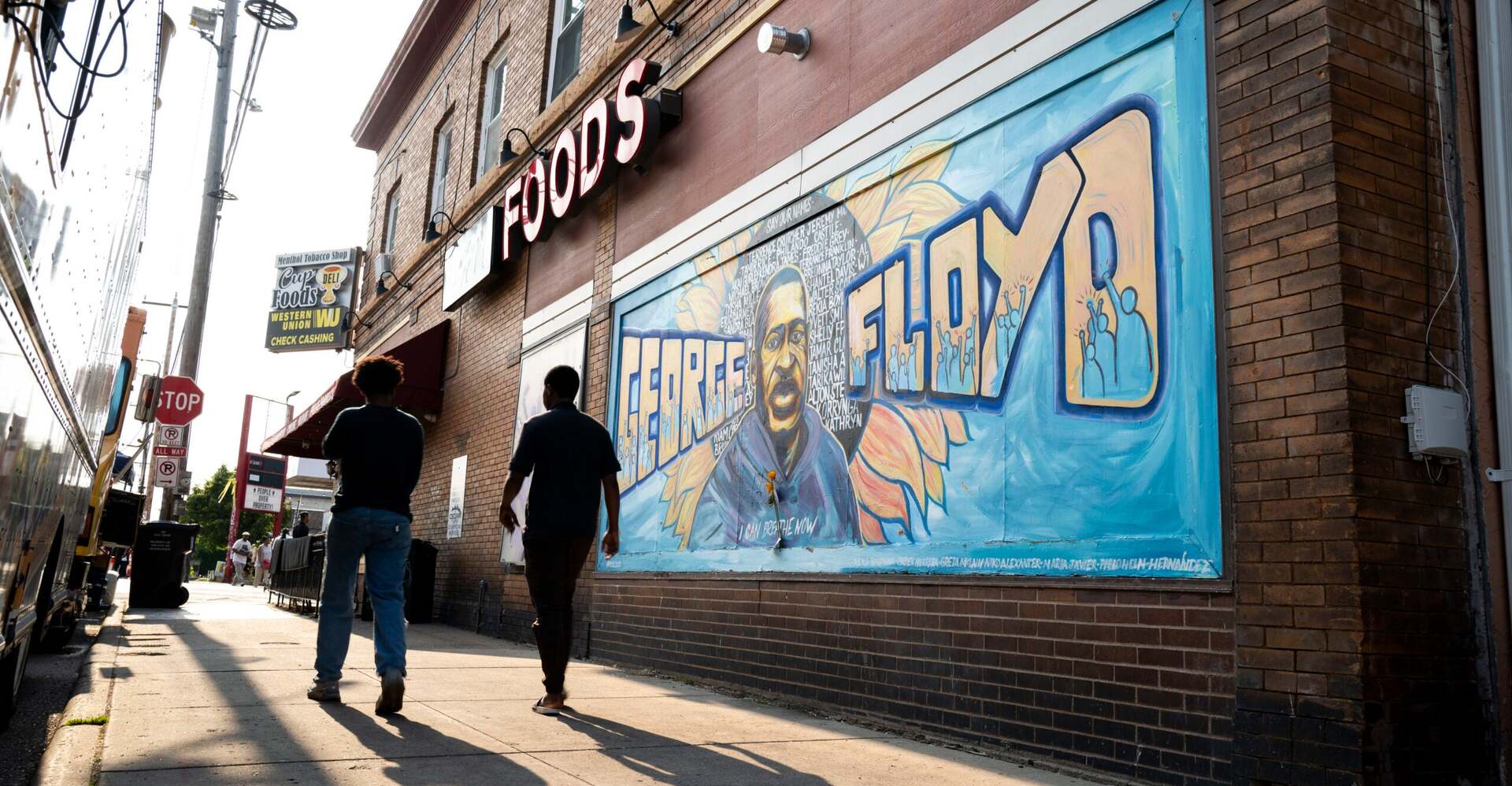
In a shocking crime that has been largely overlooked, Bethany MaGee, a 26-year-old woman, was horrifically burned on a Chicago train by Lawrence Reed, a man with a staggering history of 72 arrests. Despite a prosecutor's plea to keep him behind bars, a judge released Reed under electronic monitoring just three months prior to the attack.
The brutality of the incident and Reed's extensive criminal background raise critical questions about the justice system's handling of repeat offenders. The silence from major media outlets on this case highlights a troubling narrative: the focus often shifts away from individual crimes that complicate broader racial discussions.
As Victor Joecks argues, this incident reveals systemic flaws in how the criminal justice system operates, suggesting that the real issue isn't race but the protection of criminals over community safety. The public deserves to hear about failures in the system that endanger innocent lives, regardless of the narrative it supports.

The article "Why Black America Stands to Gain the Most From Trump Accounts" highlights the transformative potential of Early Childhood Investment Accounts, nicknamed "Trump Accounts." Initiated under The One Big Beautiful Bill Act, these accounts promise a $1,000 deposit at birth for every child born between 2025 and 2028, aimed particularly at leveling the financial playing field for Black families.
With an additional contribution of $250 from philanthropist Michael Dell, these accounts offer a groundbreaking opportunity for generational wealth building. The article articulates that wealth creation begins at birth, with Black America poised to benefit significantly due to its younger demographics and higher fertility rates.
It emphasizes the urgency for Black communities to mobilize around this initiative, advocating for collective efforts to secure these funds and change the trajectory of economic stability. Ultimately, this policy moment could reshape the future for Black children, marking a historic step toward closing the wealth gap.

The Department of Homeland Security (DHS) has kicked off an immigration enforcement operation in New Orleans, aiming to address rising concerns surrounding immigration status. This initiative seeks to enhance public safety but has sparked a mix of reactions among residents and advocates.
Critics argue that such operations can instill fear within communities and disrupt families, while supporters highlight the need for maintaining lawful immigration practices. The operation is part of a broader strategy by the DHS to strengthen immigration enforcement across the country.
As federal officials navigate this complex issue, local reactions will continue to unfold, spotlighting the delicate balance between enforcement and community relations in one of America’s most culturally rich cities.