- BlackVoter.Org
- Posts
- BlackVoter.Org
BlackVoter.Org

BlackVoter.org
December 18, 2025


In a festive announcement, President Donald Trump revealed a $1,776 bonus for over 1.4 million military service members, aptly dubbed the “Warrior Dividend.
” Inspired by the nation’s founding year, this one-time payment aims to honor the dedication of troops ahead of the holiday season. During a televised address, Trump emphasized that the checks are already on their way and highlighted that tariffs have contributed to funding this initiative.
The Pentagon is set to process $2.6 billion for eligible service members as part of this allocation from a previously appropriated Defense Department budget.
With the announcement, Trump asserts a commitment to enhancing the quality of life for those who serve, encapsulating a spirit of gratitude this holiday season.

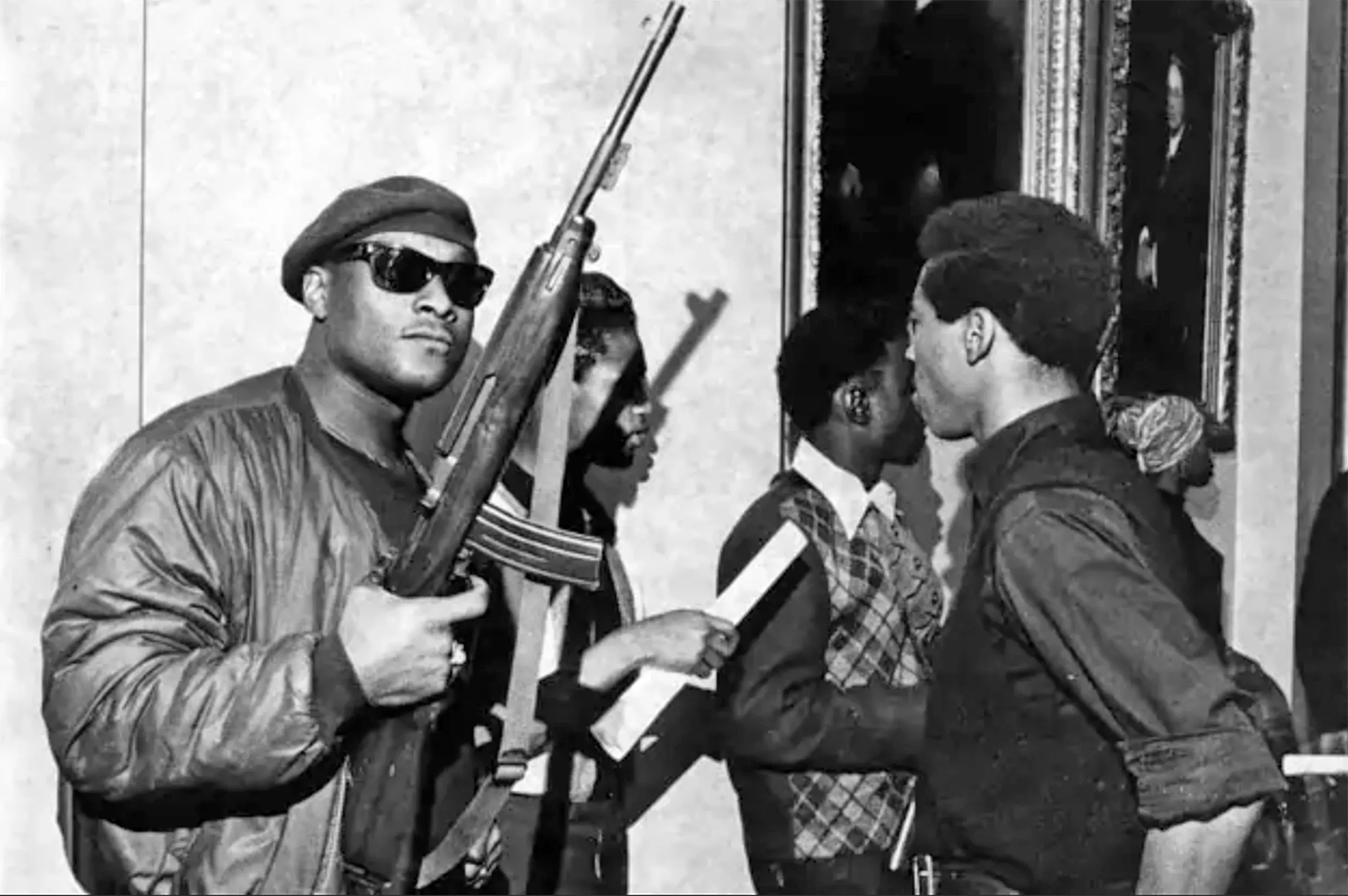
The Black Liberation Army (BLA), operating from 1970 to 1981, was born from the ashes of the Black Panther Party and aimed to challenge racial oppression through armed struggle. With Assata Shakur as a notable figure, the BLA focused on liberation efforts intertwined with global anti-imperialist movements.
While adopting guerrilla tactics, including discreet operations and expropriations, the group’s activities attracted severe government scrutiny through COINTELPRO, leading to widespread arrests and controversy. The tragic events of the Brink’s robbery in 1981 marked the BLA's decline, branding its members as domestic terrorists in the eyes of the state.
However, despite its eventual dissolution, the BLA’s complex legacy endures, echoing the broader struggle for Black liberation in America. Assata's passing in 2025 reignites discussions about the BLA, emphasizing that the fight for justice and equity remains relevant today, underscoring the ongoing narrative of resistance and resilience in the face of systemic oppression.
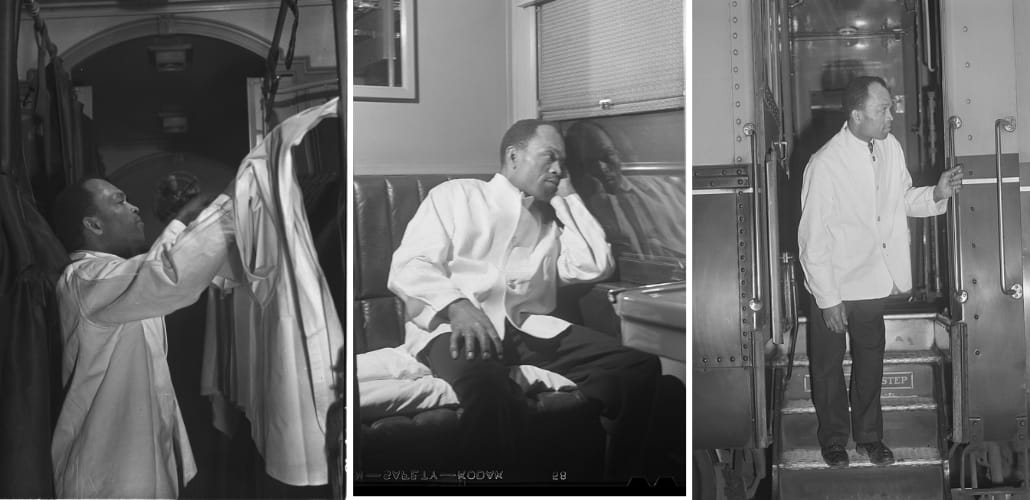
A century ago, the Brotherhood of Sleeping Car Porters (BSCP) sparked a transformative shift in Black politics as they convened at Harlem's Elks Hall to fight for better working conditions under the oppressive Pullman Company. Led by social activist A.
Philip Randolph, the BSCP emerged as a critical force in labor rights and civil rights, representing thousands of Black men enduring harsh conditions and low wages as porters. Their 12-year struggle culminated in a historic 1937 contract that significantly improved pay and working hours.
As they battled corporate exploitation, the BSCP also played a crucial role in the broader civil rights movement, uniting communities and advocating for economic justice. Their legacy illustrates the profound connection between labor rights and racial equality, providing valuable lessons for modern organizers aiming to secure social justice.
The spirit of the Brotherhood continues to inspire today's movements for equitable labor practices and political representation.

Loki Mulholland's "Every Month is Black History Month" is a powerful exploration of the significance of Black history in shaping our world—far beyond just February. With a compelling narrative, Mulholland emphasizes the importance of recognizing and celebrating Black contributions throughout the year.
He encourages audiences to engage with history actively, understanding that the fight for equality and justice is ongoing and multifaceted. Through personal stories, educational insights, and calls to action, Mulholland inspires everyone to integrate Black history into their daily lives, fostering a deeper appreciation for the rich tapestry of culture and resilience.
His message is clear: Black history is not just a chapter in a textbook but an integral part of our collective human experience.

The Voting Rights Act is facing serious challenges, and so too are workers' rights. In a powerful piece by AFL-CIO Secretary-Treasurer Fred Redmond, the article highlights a troubling Supreme Court ruling that allows Texas to use racially discriminatory voting maps, undermining the foundation of the Voting Rights Act (VRA) of 1965.
The VRA has been crucial for increasing Black political participation and empowering working-class communities. Unfortunately, since the 2013 Shelby County v.
Holder decision, states have rapidly dismantled voting protections, making it harder for marginalized groups to have their voices heard. Redmond emphasizes that when democracy falters, so does worker power.
He passionately argues for the John R. Lewis Voting Rights Advancement Act, reinforcing the idea that voting rights and labor rights are intricately linked.
As attempts to roll back racial progress persist, Redmond asserts the labor movement's unwavering commitment to defend democracy and ensure fair representation for all.
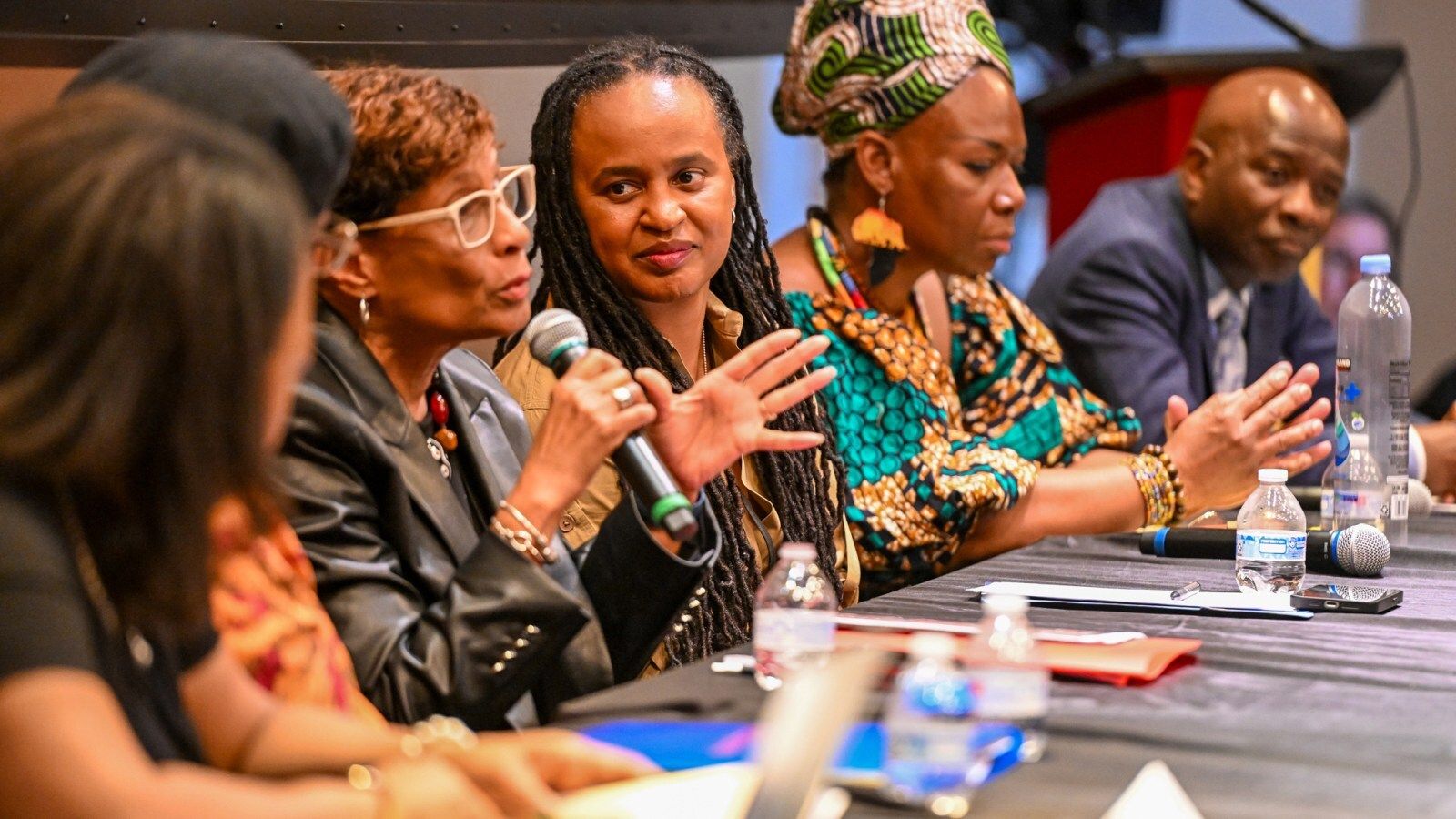
The Maryland Lynching Truth and Reconciliation Commission (MLTRC) is making a bold move to confront the dark legacy of racial terror in the state by proposing up to $100,000 compensation for the descendants of lynching victims. During a public hearing at the Reginald F.
Lewis Museum in Baltimore, the commission called for greater acknowledgment of the brutal injustices inflicted during the 19th and 20th centuries. This initiative seeks not only to offer reparative justice but also to stimulate a conversation about accountability and healing within the community.
By addressing this painful history, the MLTRC aims to foster reconciliation and educate future generations about the atrocities of the past. As Maryland grapples with its history, this report represents a significant step towards mending the wounds and rebuilding trust in a more just society.

The Tennessee Black Caucus of State Legislators recently celebrated remarkable African American leaders at an awards ceremony in Nashville, honoring their impactful contributions across various fields. The accolades recognized individuals who inspire and empower the Black community in Tennessee.
Pam Brown received the 'Champion of Innovative Achievement Award' for her pioneering use of AI in education, while Fisk University student Jermaine Cole Jr. was acknowledged for his activism in gun violence prevention and immigrant rights.
Marilyn Brown, a dedicated advocate for labor engagement, and Mayor Gene Bowden, the first Black mayor of Whiteville, also received prestigious awards. Kimberly Black, a successful entrepreneur, and Keith L.
Foster, Sr., a community-focused real estate developer, were likewise recognized.
TBCSL Chair Rep. Jesse Chism expressed pride in celebrating these trailblazers, supported by various sponsors, showcasing the vibrant spirit and resilience of Tennessee's African American community.
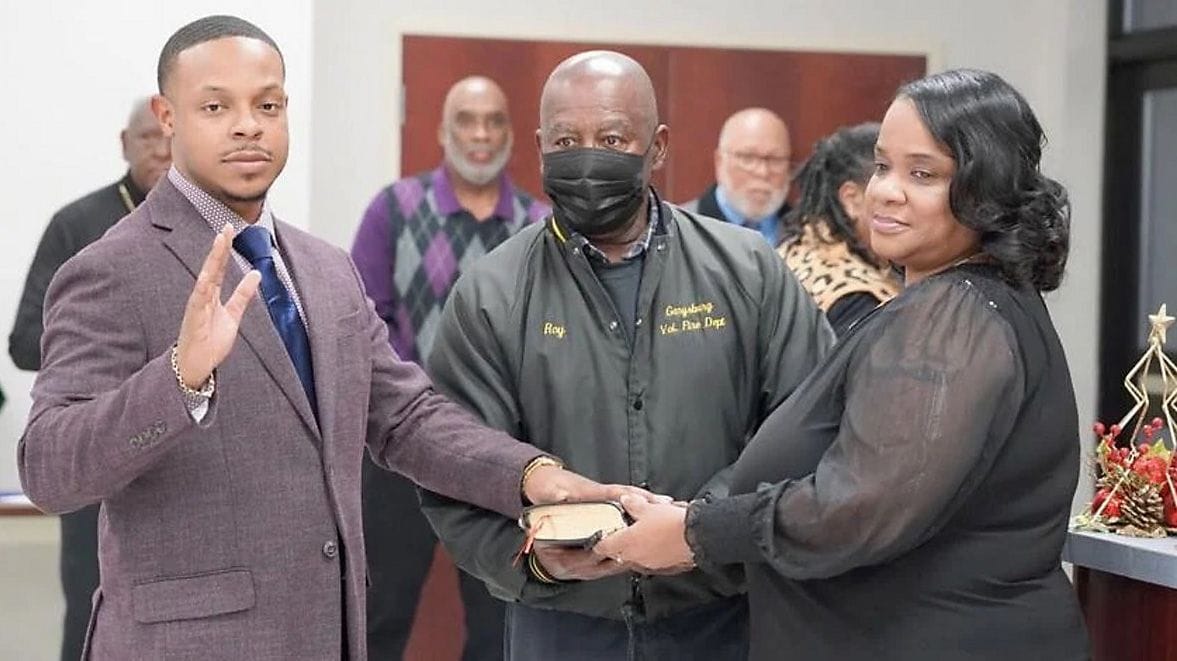
Garysburg, North Carolina, has made history by electing Ky'juan Faison-Mobley as its youngest mayor at just 24 years old! Sworn in on December 4, Faison-Mobley steps into a leadership role after former mayor Roy Bell's impressive 32-year tenure. A lifelong resident of Garysburg, he began his political journey at 17, regularly attending city council meetings with his mother, ultimately becoming a council member himself.
With a focus on community engagement, Faison-Mobley is dedicated to listening to residents and fostering civic involvement among the youth. While he refrains from making promises, he assures the community he’ll always act in their best interest.
Eager to strengthen connections between the council and the residents, Faison-Mobley embodies the belief that effective leadership knows no age.