- BlackVoter.Org
- Posts
- BlackVoter.Org
BlackVoter.Org

BlackVoter.org
January 23, 2026

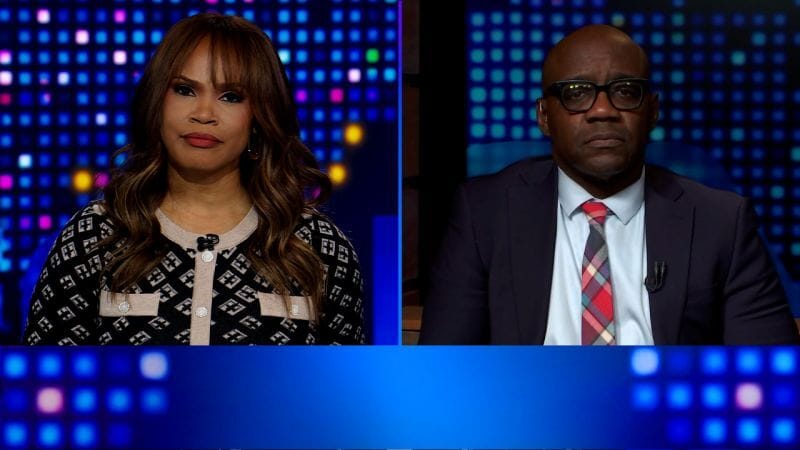
In a riveting courtroom drama, the lawyer representing anti-ICE church protesters Chauntyll Allen and William Kelly claims that the government’s legal team appeared “completely unprepared.” James Cook argues the allegations against his clients are unfounded, emphasizing the need for a fair assessment based solely on the facts.
Cook's comments highlight a seemingly chaotic legal landscape as tensions rise over immigration policies and protest actions. As the case unfolds, it sparks debate over the intersection of faith, activism, and government authority, raising vital questions about civil rights and the treatment of dissenters.
The situation continues to develop, capturing public interest as the fate of the protesters hangs in the balance amidst allegations of legal missteps by the government. This case exemplifies the ongoing clashes between grassroots movements and governmental enforcement, igniting conversation around justice and advocacy in contemporary society.
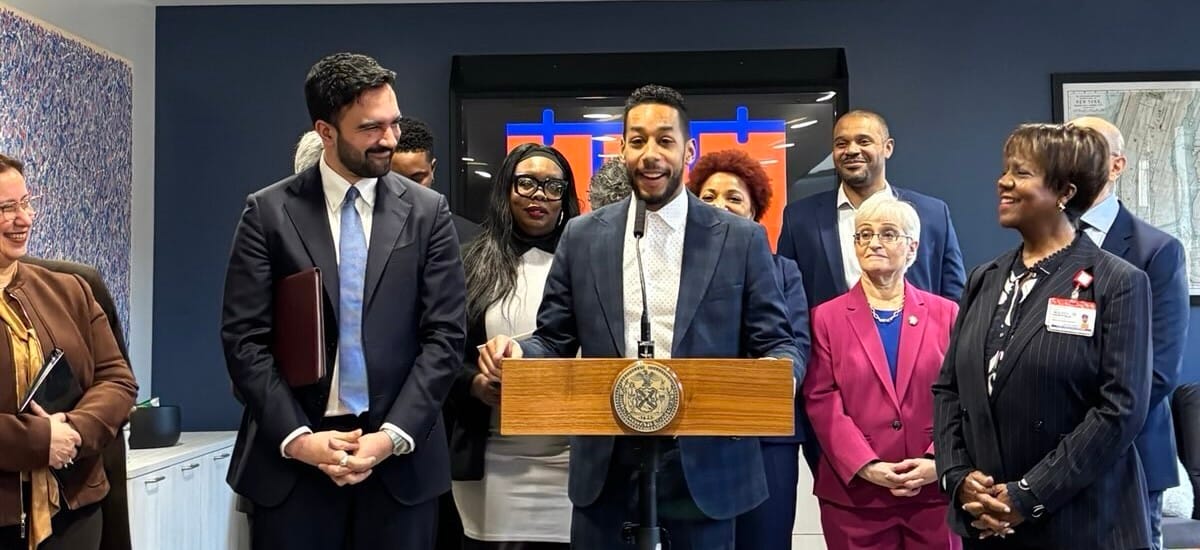
In the heart of Brooklyn, Mayor Zohran Mamdani and Borough President Antonio Reynoso put aside political tensions to unveil a new youth clinic at Woodhull Hospital, aimed at aiding young adults aged 16-25 facing mental health challenges. The clinic opening comes amid a heated congressional primary, where Reynoso, backed by departing Rep.
Nydia Velázquez, is vying for support against Mamdani’s endorsed candidate, Assembly Member Claire Valdez. As both leaders showcased their commitment to the community, underscored by their humorous exchanges—Reynoso even cheekily mistranslating the mayor's remarks to lighten the mood—the political stakes were evident.
Despite the rivalry, both politicians expressed a desire to collaborate for the betterment of New York City's youth, emphasizing that community health initiatives can transcend electoral battles. This event encapsulates the intertwined nature of local politics and public service, reminding us that even in times of contention, collaboration is crucial for community progress.
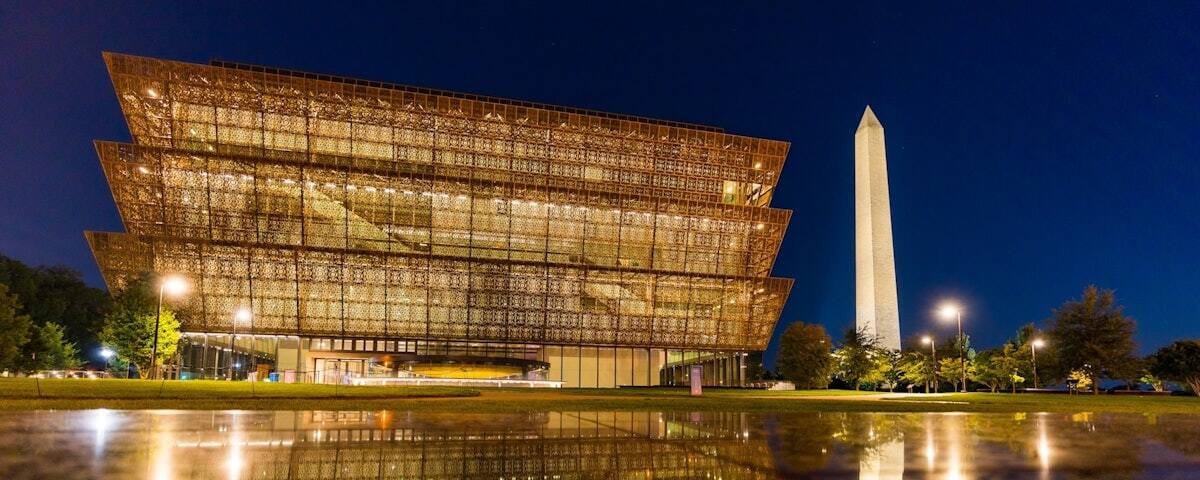
A new exhibition at the Smithsonian National Museum of African American History and Culture shines a spotlight on the invaluable archives of Historically Black Colleges and Universities (HBCUs) in "At the Vanguard: Making and Saving History at HBCUs." Running through July 19, this compelling showcase features collections from institutions like Clark Atlanta University and Tuskegee University, highlighting their crucial role in preserving African American intellectual and artistic traditions.
With over 100 exhibits, the display delves into themes of student activism, Black scholarship, and the arts, featuring rare artifacts such as first editions of Margaret Walker’s works and footage of George Washington Carver. As HBCUs have long been at the forefront of preserving Black history, the exhibition also emphasizes the significant challenges they face, such as limited funding for preservation efforts.
By partnering with the Smithsonian, these institutions finally receive the recognition and visibility they deserve, celebrating their legacy as cultural powerhouses shaping American history.
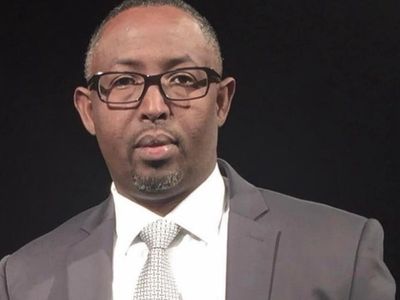
In a compelling critique, Ismail Dahir Osman discusses Donald Trump’s recent speech at the World Economic Forum, where he targeted Somali Americans amidst growing scrutiny on his presidency. Instead of addressing serious allegations of corruption, Trump deflected blame by mocking Somali immigrants, illustrating his penchant for scapegoating.
Osman highlights how Trump's remarks hit hard, unfairly labeling an entire community of 80,000 in Minnesota linked to a local fraud scandal, despite most having no connection to the accusations. This tactic, familiar to Somali Americans, shifts responsibility from the president’s actions to a vulnerable group, allowing Trump to evade accountability.
The article underscores the dangers of using marginalized communities as political tools, warning that such tactics only serve to create division and distract from pressing issues. In this charged environment, Osman calls for accountability, urging that Somali Americans shouldn’t bear the brunt of Trump’s deflections while questioning how these dynamics impact societal trust and justice.
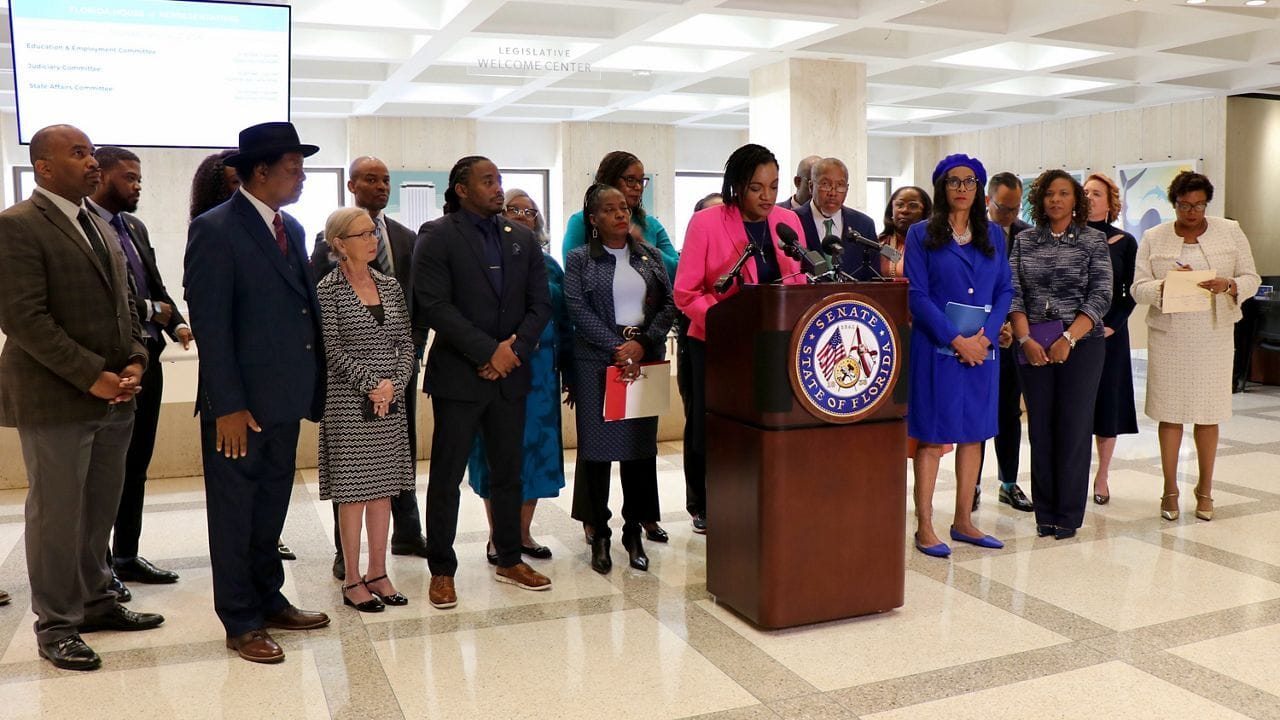
In a passionate display of solidarity, members of Florida's Legislative Black Caucus rallied at the Capitol, fiercely defending affirmative action laws in response to a controversial opinion from Attorney General James Uthmeier. His 14-page statement, released on Martin Luther King Jr.
Day, condemned over 80 race-based laws as unconstitutional, arguing they promote discrimination. The caucus, led by figures like Senator Darryl Rouson and House Minority Leader Fentrice Driskell, vehemently opposed this view, asserting that these measures are vital for addressing historic inequities and ensuring equal opportunities for all Floridians.
Rouson emphasized the gravity of the situation, reminding attendees that they should be more concerned about divine judgment than political maneuvers. The timing of Uthmeier's statement drew sharp criticism, with Senator LaVon Bracy Davis calling it a deliberate affront to decades of progress.
As the debate intensifies, the caucus remains resolute in its commitment to protecting policies that promote diversity and inclusion.
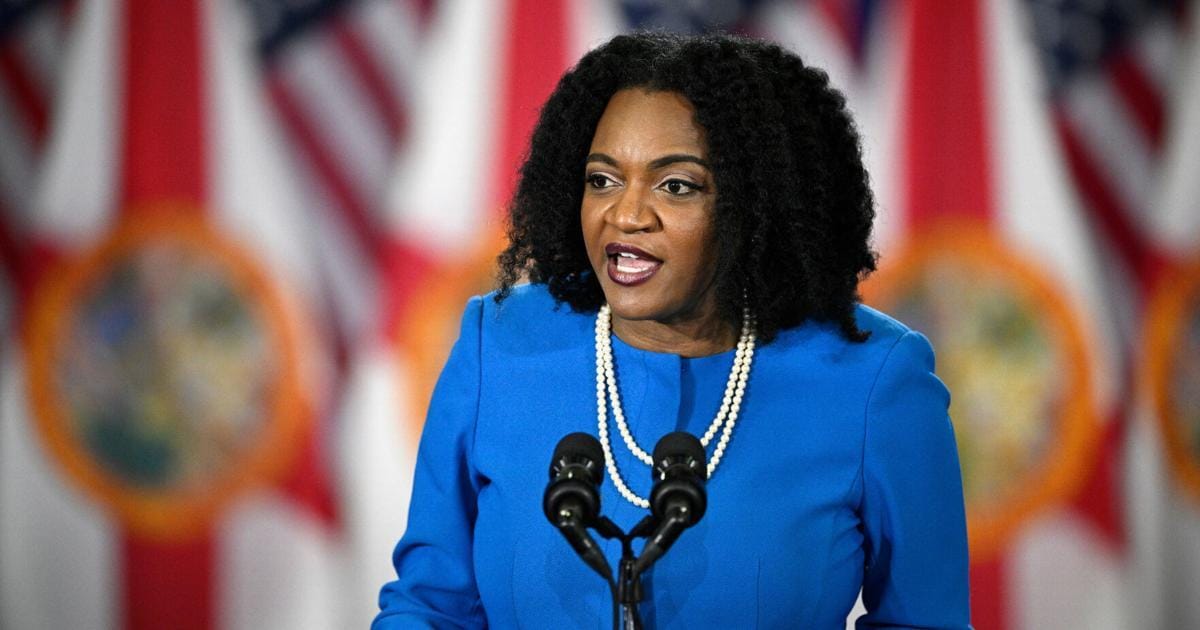
Florida's Black lawmakers have passionately condemned the state attorney general's recent opinion questioning the constitutionality of laws supporting minority contracting and diverse appointments. They describe the move as a "damaging political stunt" aimed at undermining progress toward equity.
The attorney general's stance is seen as a direct attack on initiatives designed to promote representation and opportunities for minority groups in Florida. Lawmakers emphasize that such opinions not only perpetuate systemic inequalities but also threaten the groundwork laid for a more inclusive society.
This unfolding debate underscores a critical clash over civil rights and the pursuit of justice in the state's political landscape. With the stakes high, Florida's Black leaders are rallying to protect the achievements of their communities and challenge what they perceive as regressive efforts to roll back diversity initiatives.
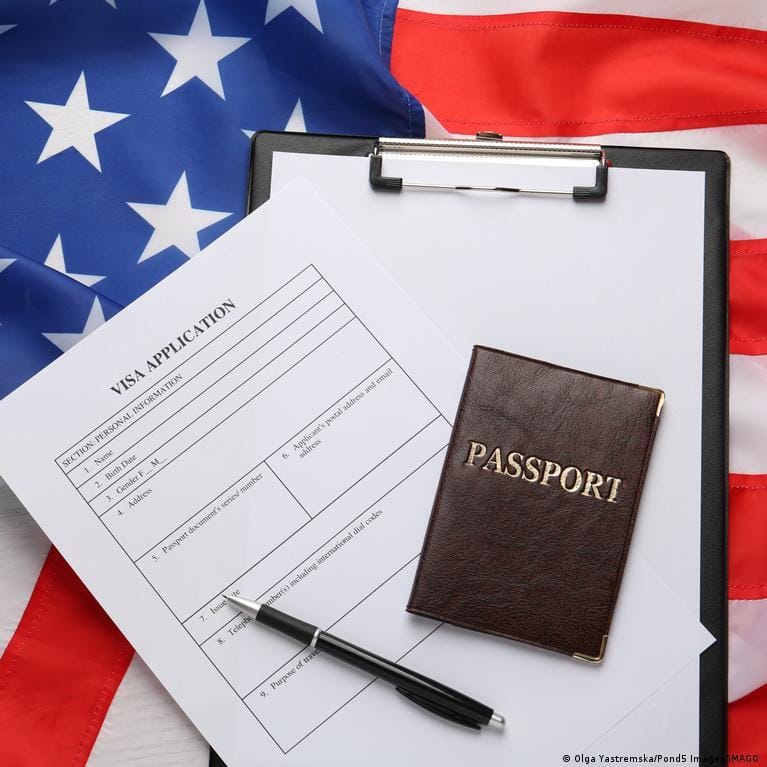
In a sweeping move, Donald Trump’s administration has implemented a visa ban affecting citizens from 75 countries, with a significant impact on various African nations. Countries like Egypt, Ethiopia, Uganda, and several West African states now face restrictions that bar residents from immigrating to the U.
S. for permanent work and residence.
This policy, which experts argue paints immigrants as threats, is framed by the administration as a measure to curb “abuse” of the immigration system and ensure financial independence among new arrivals. The ban raises concerns over longstanding diplomatic relations and hinders opportunities for families and students from these nations.
Critics highlight that these restrictions unfairly target entire populations based on the actions of a few, damaging the social fabric and cooperation between the U.S.
and the Global South. The implications for youth and aspiring migrants who seek a better life in America are profound and troubling, as the U.
S. positions itself as both a land of opportunity and a fortress against immigration.