- BlackVoter.Org
- Posts
- BlackVoter.Org
BlackVoter.Org

BlackVoter.org
April 01, 2026

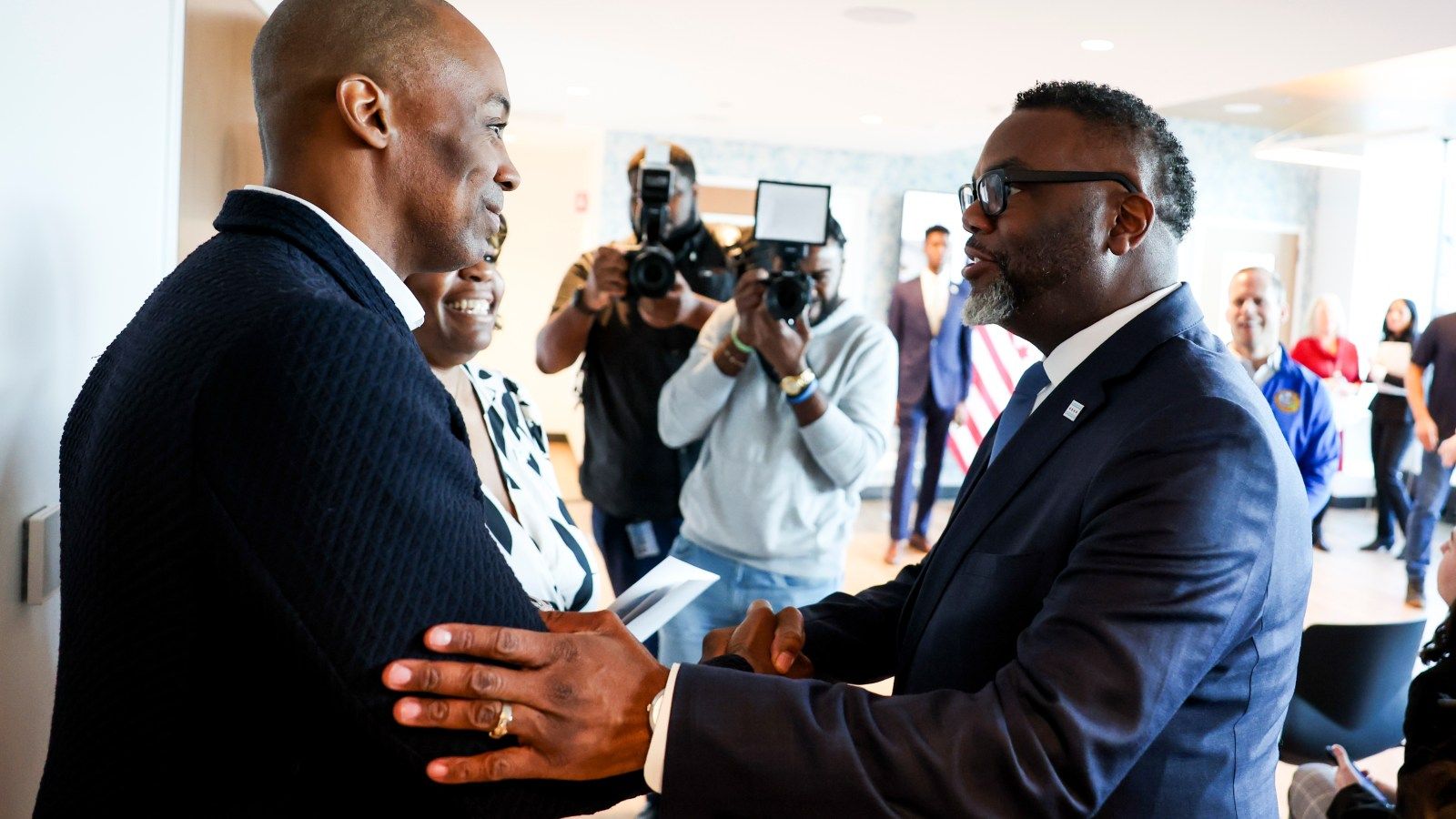
Chicago Mayor Brandon Johnson has shaken up the leadership of the Chicago Housing Authority (CHA) by demoting board chair Matthew Brewer over a contentious CEO appointment that Johnson claims breached state law. Tensions escalated when the CHA board, under Brewer's guidance, controversially voted in Keith Pettigrew as the new CEO, which Johnson argues was done without proper community engagement and transparency.
In his statement, Johnson highlighted that Brewer's actions left the CHA residents disenfranchised. Brewer retaliated, accusing the mayor of prioritizing politics over the needs of the community.
Johnson swiftly appointed board member Jawanza Malone as Brewer's successor, escalating the conflict within the CHA. The ongoing power struggle reflects broader challenges for Johnson, who is grappling with leadership vacancies across the city's agencies amid mounting political tensions.
With previous alliances and transparency at stake, the unfolding drama promises to be pivotal for the CHA and its residents.

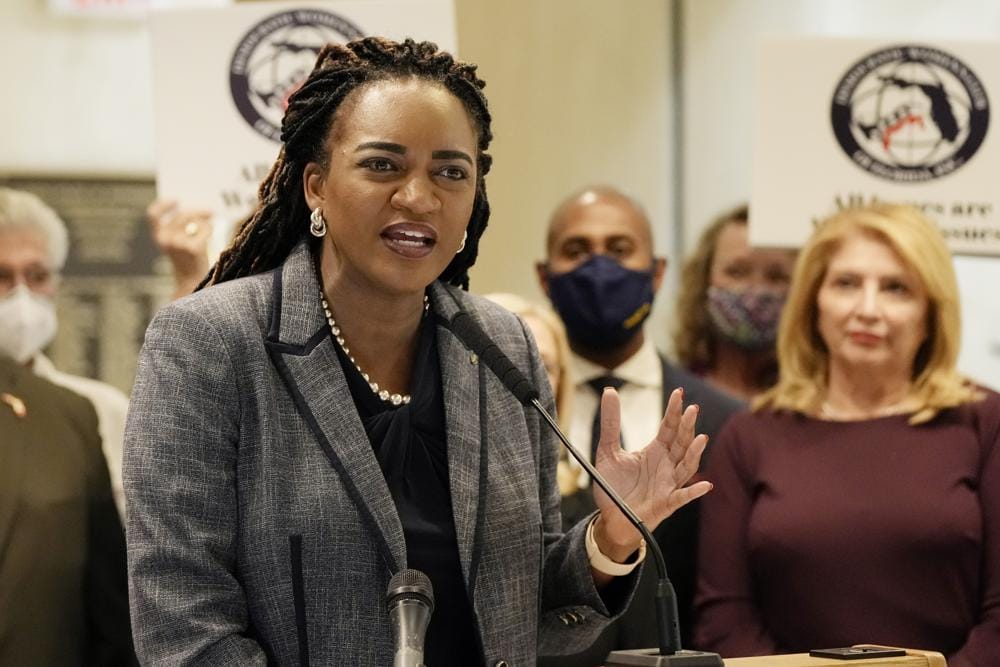
In a move igniting political controversy, Florida Governor Ron DeSantis has signed a bill to rename Palm Beach International Airport after former President Donald Trump, a change expected to cost taxpayers up to $5.5 million.
House Democratic Leader Fentrice Driskell slammed the decision, branding it a "political stunt" that squanders taxpayer money while highlighting rising costs of living under Trump's administration. The legislation, which received approval from the GOP-majority Florida Legislature, aims to honor Trump shortly after his family filed to trademark the use of his name for airports.
If the Federal Aviation Administration approves the change, the new name could be in place by July. Meanwhile, critics argue that DeSantis and his colleagues are more focused on celebrating Trump than addressing the financial burdens facing Floridians.
As tensions rise, this airport renaming saga has become a focal point of political debate in the state.
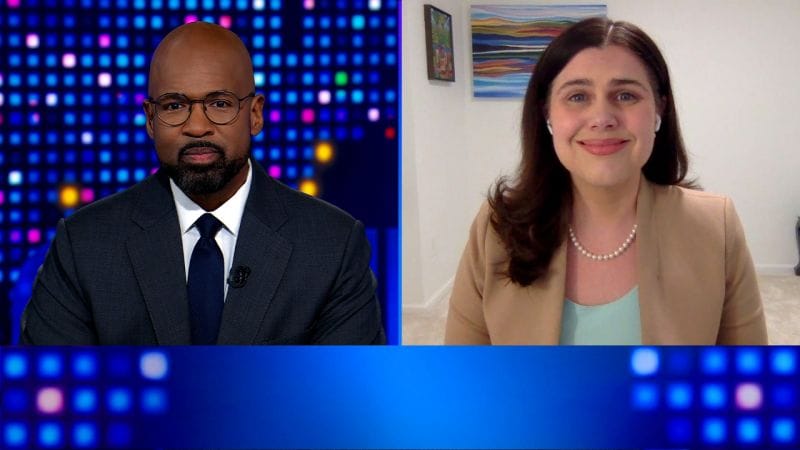
In a heated political climate, Colorado Secretary of State Jena Griswold has issued a stark warning against President Trump’s recent executive order aimed at tightening mail-in voting regulations. She argues that this move represents an “unconstitutional takeover” of state election processes.
As several states, including Arizona and Oregon, gear up to challenge Trump’s order in court, Griswold emphasizes that the president lacks the authority to impose such regulations. “This is a huge overreach,” she states, signaling Colorado’s readiness to join the legal fight.
The situation spotlights the ongoing tensions surrounding election integrity and state sovereignty in the ever-evolving landscape of American voting rights. As these battles unfold, the implications for future elections are significant, making it clear that the stakes have never been higher for both sides.
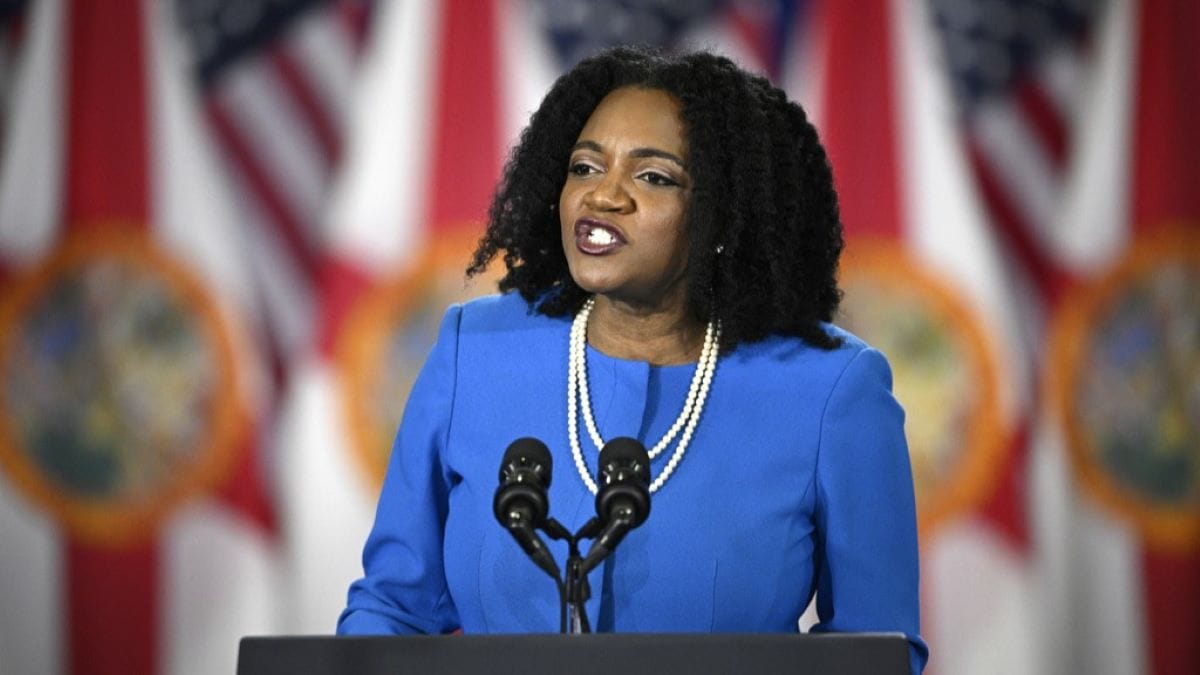
In a heated political moment, Florida’s Governor Ron DeSantis is facing backlash from Democrats over the recently signed bill to rename Palm Beach International Airport after former President Donald Trump—a move projected to cost taxpayers up to $5.5 million.
Florida House Democratic Leader Fentrice Driskell harshly criticized the decision, dubbing it a “political stunt” that prioritizes party politics over the financial well-being of constituents. She pointed out how the funds could be better spent, especially given rising costs of living.
With mounting tensions, this name change is poised to stir even more controversy, particularly as it follows the rapid recent branding moves by Trump’s family company. If approved, the new name—President Donald J.
Trump International Airport—could take effect as soon as July, adding fuel to the ongoing political fire in Florida.
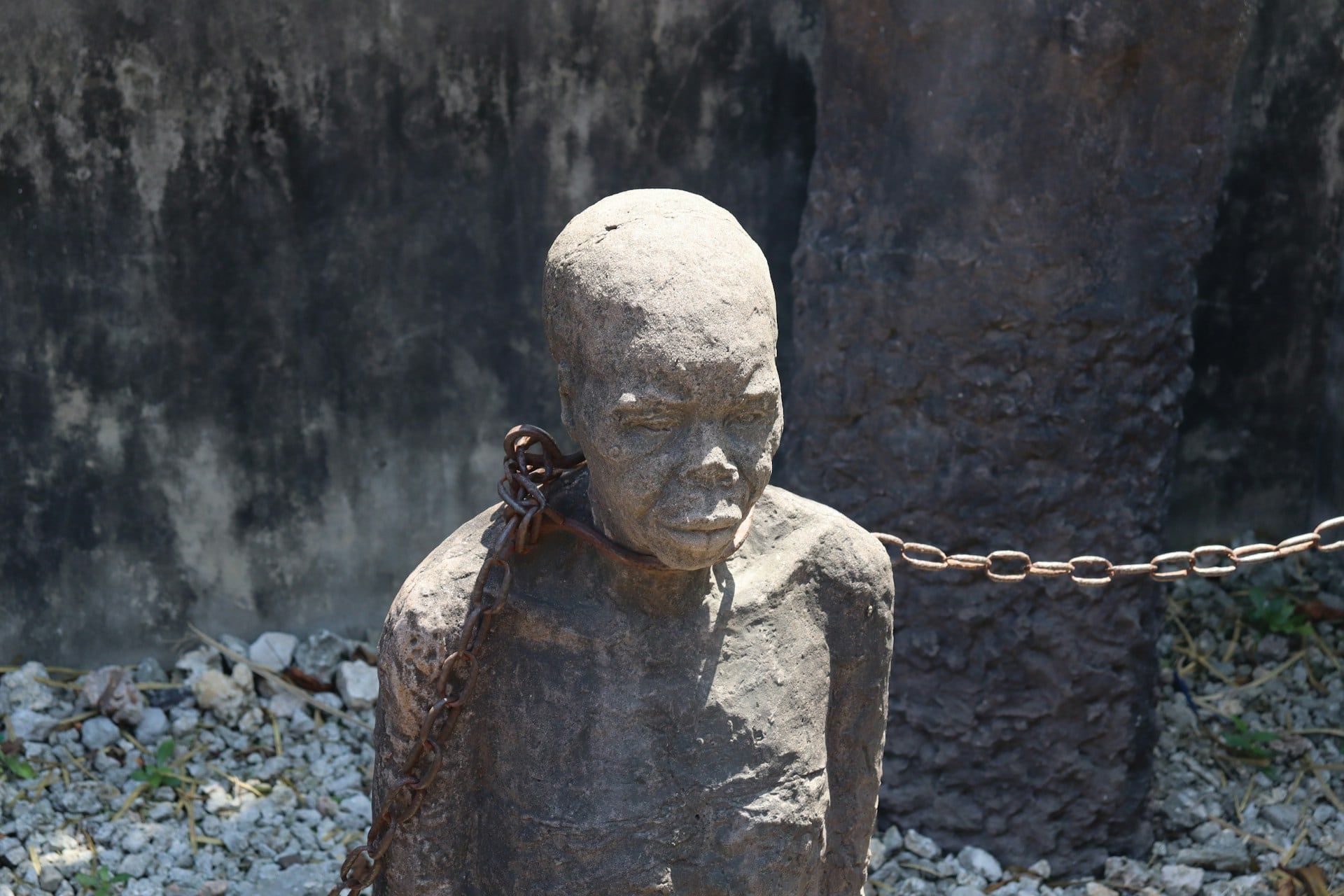
In a historic step towards justice, African and Caribbean nations are leading a resolute push for reparations for the victims of transatlantic slavery. Under the urging of Ghana's leadership, an unprecedented UN resolution was adopted, declaring the transatlantic slave trade as “the gravest crime against humanity.
” This landmark resolution recognizes the profound impacts of slavery, including ongoing racial inequalities and socioeconomic disparities. It urges European nations—historically responsible for slavery—to issue formal apologies and contribute to reparations initiatives.
The resolution has united diverse nations from Africa, the Caribbean, and beyond, solidifying a global movement for reparative justice. As the AU embarks on a Decade of Action on Reparations from 2026 to 2035, the call for acknowledgment, restitution, and societal re-integration for Black communities worldwide gains momentum, amplifying the need for redress for one of history's most egregious crimes.

Former WBAL Talk Show hosts Yuripzy Morgan and Torrey Snow have launched an exciting new podcast called "Free Range Politics." This weekly show, which debuted on March 23, aims to engage listeners in heartfelt discussions about pressing political issues facing Maryland and the nation.
With a variety of guests, including newsmakers and political insiders, Morgan and Snow promise candid conversations that challenge the status quo and empower audiences to draw their own conclusions.
Morgan, an attorney and political analyst, is eager to connect with both new and longtime listeners, emphasizing the freedom the podcast platform offers.
Snow, who has a rich background in community engagement and political commentary, is passionate about educating the public on issues that affect their lives. "Free Range Politics" can be found on major podcast platforms like Apple Podcasts and Spotify, and aims to create a vibrant community dialogue in the world of politics.
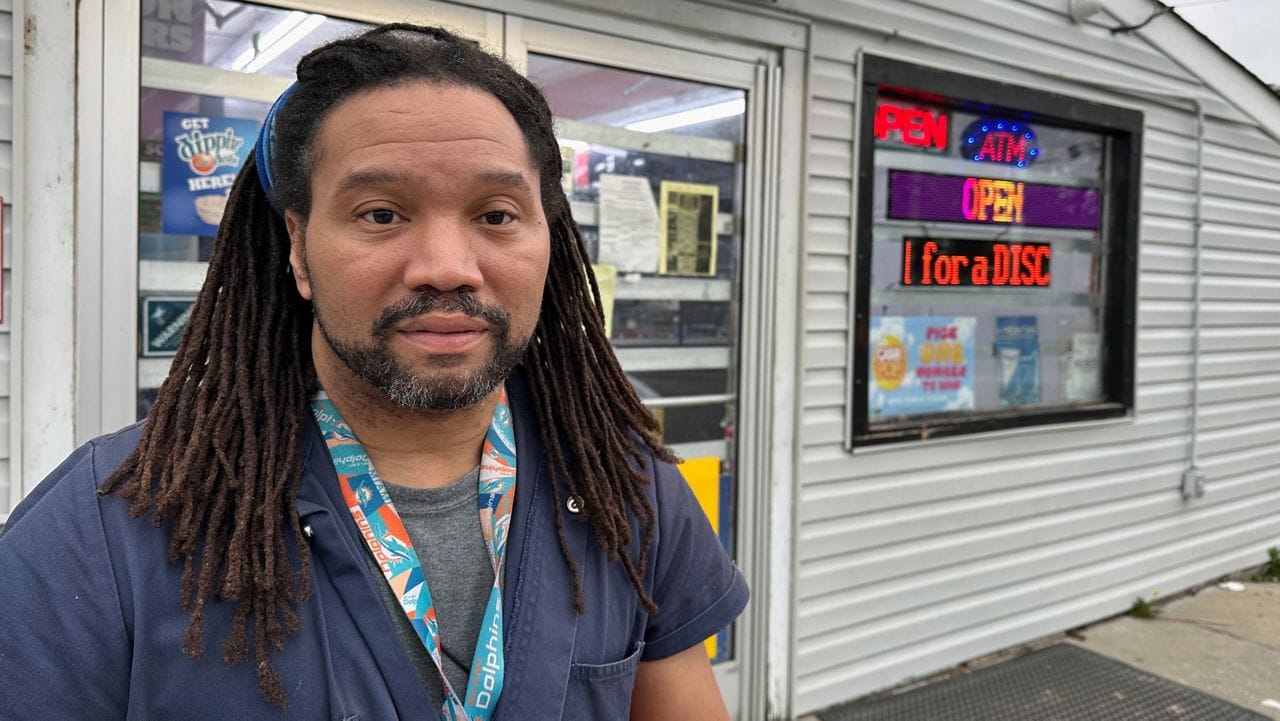
North Carolina's electoral landscape is poised for a transformation that could depend heavily on rural Black voters. Traditionally a stronghold for Democrats, this demographic feels underrepresented, particularly during election seasons.
With former Governor Roy Cooper vying for a U.S.
Senate seat, mobilizing these voters is more crucial than ever. Local leaders like Rev.
James Gailliard emphasize the need for targeted outreach and genuine engagement, arguing that successful campaigns must focus on building relationships rather than relying solely on transactional connections. Despite historical voting patterns, rural Black voters have often been overlooked, and small shifts in their turnout could sway tight races, as seen in past elections.
The state party is racing against time to connect with these communities, highlighting the importance of local voices and grassroots organizing in shaping both state and national politics. In short, the focus is on mobilizing the untapped potential of rural Black voters to reshape North Carolina's political future.