- BlackVoter.Org
- Posts
- BlackVoter.Org
BlackVoter.Org

BlackVoter.org
March 02, 2026
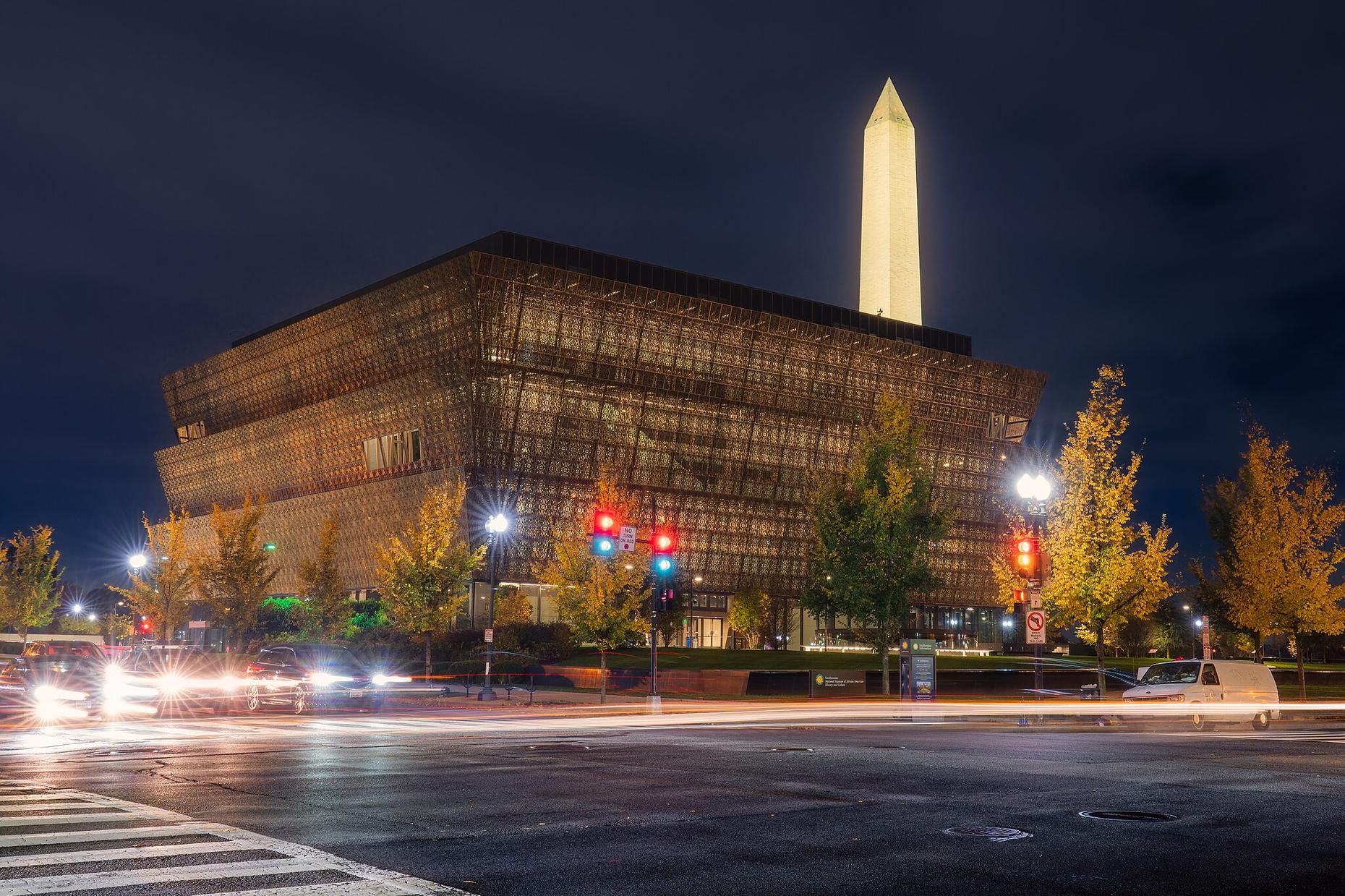
In this captivating episode of The Brian Lehrer Show, listeners get a thoughtful recap of the State of the Union address, diving deep into key takeaways and implications for the nation. The discussion also highlights the vital importance of preserving Black history, spotlighting initiatives that aim to keep these stories alive for future generations.
Want to test your knowledge? Tune in for a fun February Holidays quiz that challenges your trivia skills! Additionally, the show tackles the pressing issue of child care in NYC, offering insights into available resources and advocacy efforts. Finally, for those on a journey of self-expression, find expert tips on discovering your personal style.
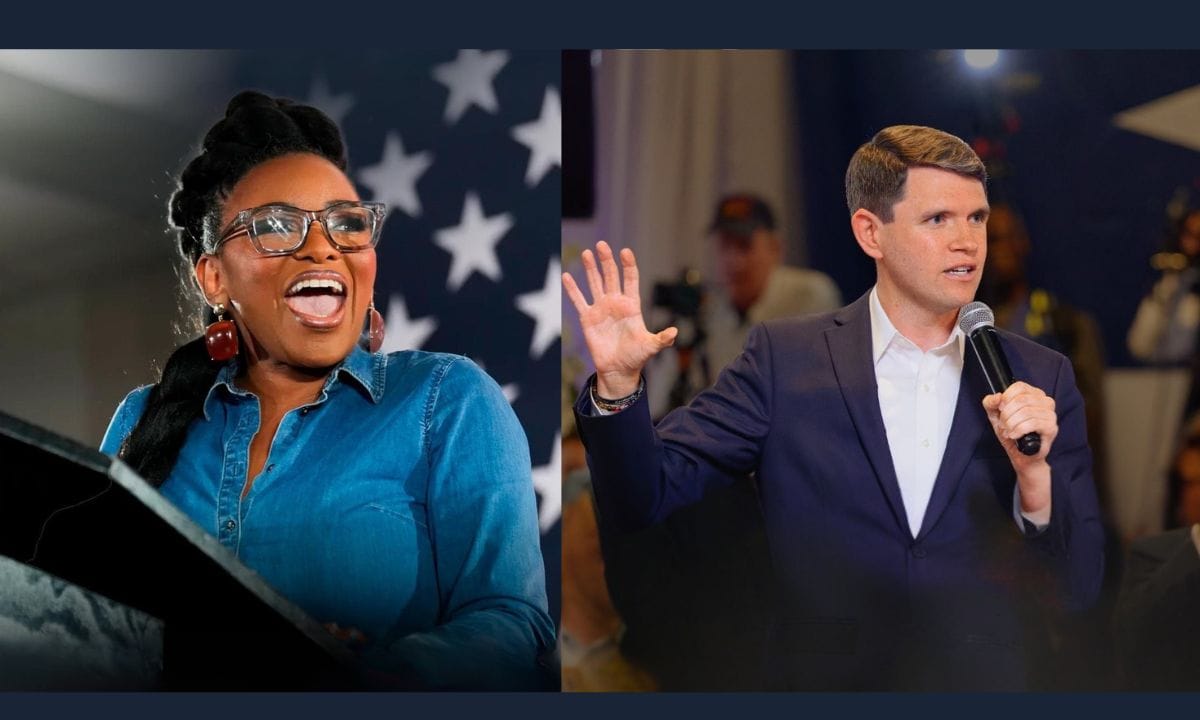
In the lead-up to the Texas Democratic Senate primary, U.S.
Rep. Jasmine Crockett has boldly thrown her support behind federal reparations for descendants of enslaved Americans, suggesting unconventional approaches like a temporary tax exemption for Black individuals.
She co-sponsored the “Reparations Now Resolution” and supports legislation like H.R.
40, aimed at studying the impacts of slavery and developing reparations proposals. Meanwhile, her primary opponent, State Rep.
James Talarico, has remained silent on the topic, failing to respond to inquiries about his stance on reparations legislation. This contrast has fueled a growing divide as Crockett leads Talarico by 12 points in recent polling.
Talarico has focused on educational issues, particularly regarding how slavery is taught in Texas schools, but his lack of engagement on reparations has raised eyebrows among constituents as election day draws near on March 3.
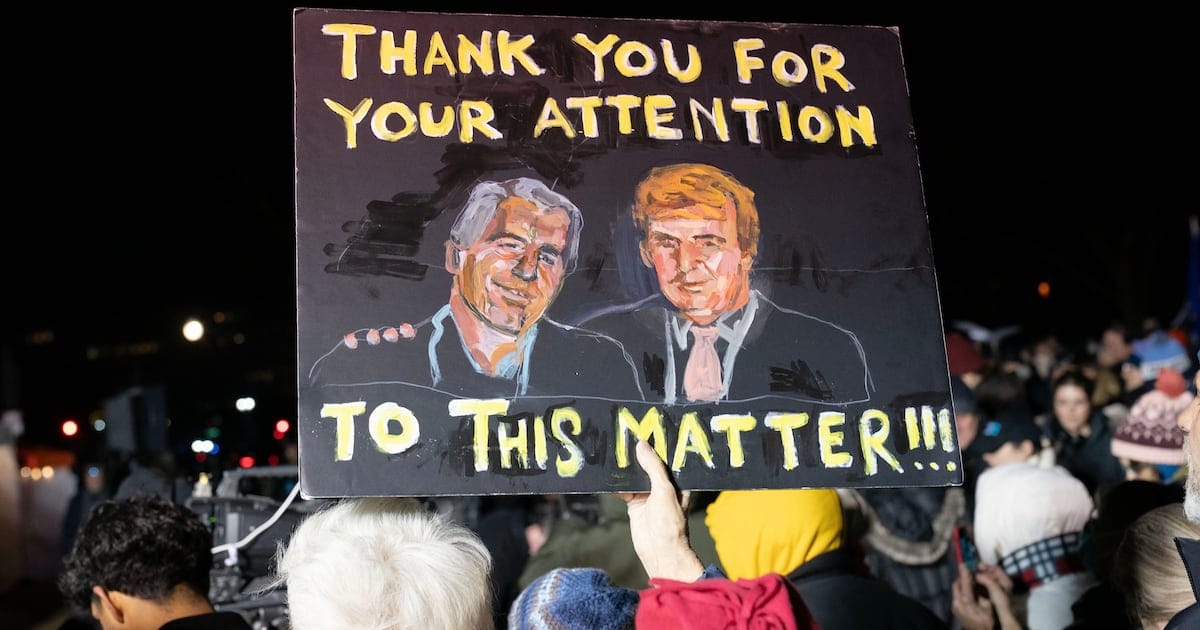
In a provocative letter to the editor, John Duffy posits that the current conflict with Iran serves as a strategic distraction for Trump amid the looming release of the Epstein files. He argues that the delay in unveiling these documents—despite legislative mandates—is linked to the culpability of high-profile campaign donors implicated in the scandal.
Duffy suggests that the intertwining of political maneuvering and scandalous revelations raises critical questions about transparency and accountability in leadership. With a sharp critique of the motives behind both foreign policy and domestic controversies, he encourages readers to consider the orchestrated distractions at play in today’s political landscape.

In a fiery New York Daily News opinion piece, readers passionately voice their thoughts on the U.S.
conflict with Iran, voter ID laws, and a heartfelt tribute to Neil Sedaka. Highlighting the paradox of a nation teetering on the brink of war, one contributor questions whether Trump's aggressive stance serves as a distraction from personal legal troubles.
Critics argue that intensified voter restrictions could disenfranchise vulnerable communities, while others mourn the loss of the legendary Sedaka, a Brooklyn native whose music left an indelible mark. Amidst the turbulent dialogue, voices reveal the urgency and complexity of current political and social issues, reflecting a nation grappling with leadership, ethics, and cultural identity.
This vibrant exchange underscores the power of public discourse in shaping the collective narrative of our times.
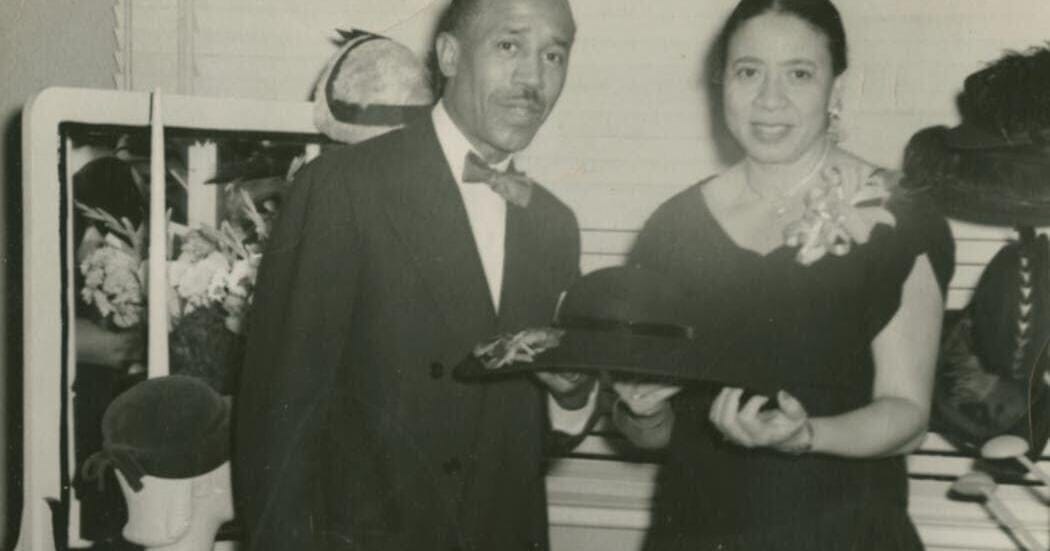
Lula “Mae” Reeves was a trailblazing entrepreneur and fashion icon in Philadelphia, known for her stunning custom hats that captivated celebrities and community members alike. For over 50 years, her millinery shop became a creative hub and a vital part of neighborhood life.
But Mae's impact extended far beyond fashion; she also transformed her shop into a polling station, actively promoting voter engagement in her community. With an unwavering commitment to empower others, she utilized her platform to encourage Black Philadelphians to exercise their voting rights.
Mae’s legacy is not just one of stylish hats, but also of building community and fostering Black entrepreneurship. Celebrated for her entrepreneurial spirit and civic contributions, Mae Reeves reminds us all of the power of pursuing dreams while uplifting those around us.
She lived to be 104, leaving behind a vibrant legacy of resilience, creativity, and community spirit.
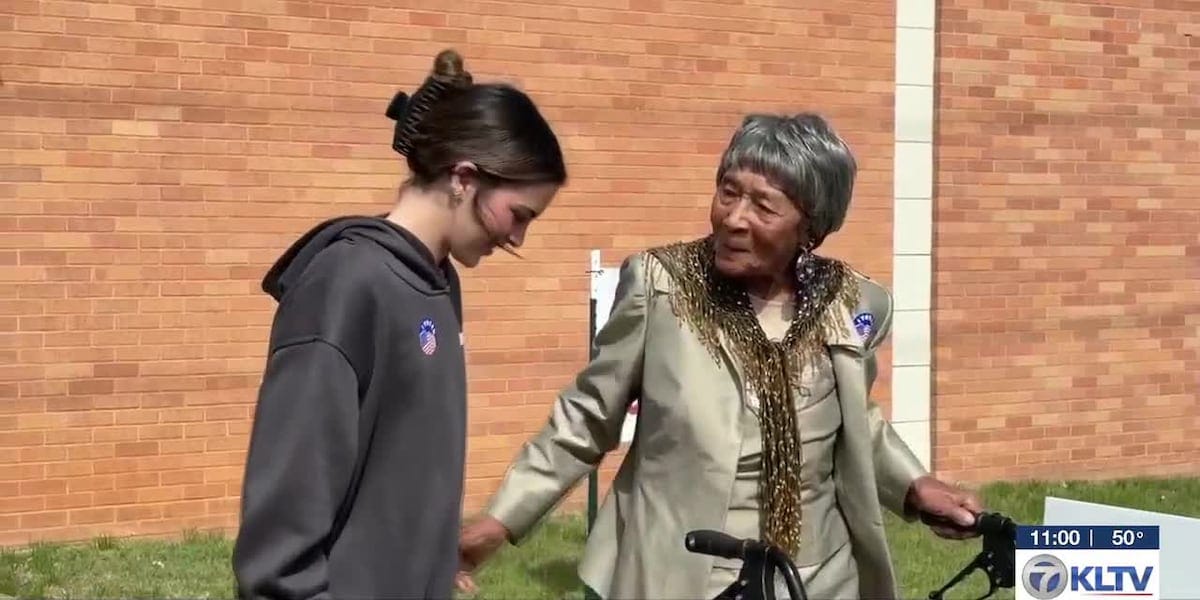
Virginia Dillard, a vibrant 105-year-old, made headlines as she proudly cast her ballot in the Gregg County polls, shattering age stereotypes and inspiring future generations. Born just months after women earned the right to vote, Virginia's life spans 27 presidential elections and countless milestones in civil rights.
Despite the hurdles she faced early on, including being unable to vote until her 50s, she embraced her right with gusto, stating, “I want to show you what I can do." Sporting colorful accessories and a spirited attitude, Virginia emphasizes the importance of voting and serves as a role model for young voters.
Her family recalls how she instilled the value of civic engagement in her ten children, ensuring that they follow in her footsteps. As one new voter remarked, witnessing Virginia's determination is an uplifting reminder that your voice matters, regardless of age.
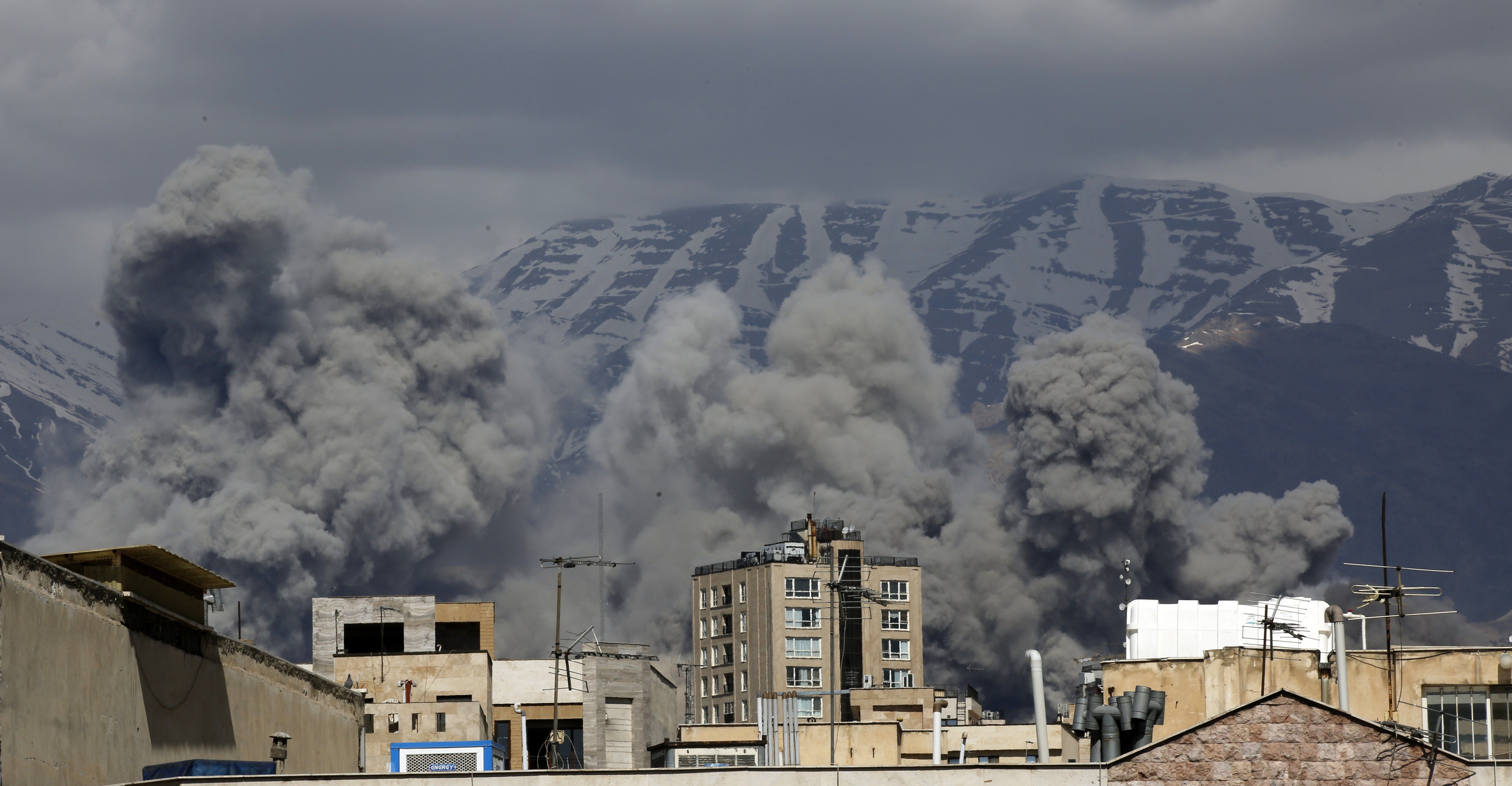
As the U.S.
and Israel engage in military action against Iran, the implications are already reverberating beyond the Middle East. With the assassination of Iran’s Supreme Leader, tensions have escalated, prompting retaliatory strikes from Iran and raising fears of a wider conflict.
The chief concern for Americans? Soaring gas prices and potential economic turmoil. Iran is a key player in global oil production, and any disruptions—particularly a blockade of the vital Strait of Hormuz—could send oil prices skyrocketing.
Forecasted spikes could push gas prices over $3 a gallon, driving inflation and possibly triggering a recession. Experts warn that this scenario complicates the Federal Reserve’s ability to navigate rising prices while supporting growth.
In the immediate term, Americans are already feeling the pinch, but the longer-term consequences could be far more dire, intertwining geopolitical instability with economic hardship.

In a bold move that has sparked debate, elementary teachers at a Hamilton school have been trained to weave "social justice" themes into their everyday lessons, focusing on race, identity, and power. As part of their professional development, educators learned how to infuse discussions on these vital topics into subjects like art and social sciences, aiming to approach education through an intersectional lens.
This initiative raises concerns about the balance between education and political activism in classrooms, igniting conversations about the role of educators in shaping young minds on sensitive issues. As these changes take root, parents and communities are left to ponder the impact of such curricula on the next generation.
This growing trend reflects a shift towards integrating social issues into education, but not without controversy, as the implications for students and educators alike continue to unfold.
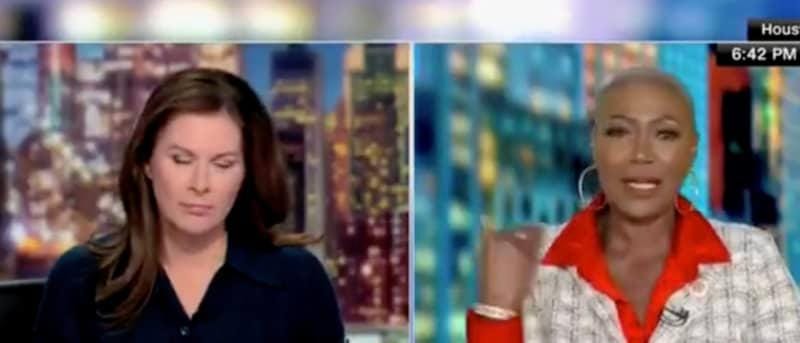
In a fiery appearance on CNN, Texas Democrat Rep. Jolanda Jones made headlines with her radical call to "wipe out" Republicans, using graphic imagery that raised eyebrows across the political spectrum.
Jones argued that the Democratic Party must adopt a more aggressive stance to retain support from Black and impoverished communities, insisting that traditional fighting strategies won't cut it anymore. Drawing from her tough upbringing, she emphasized the need for decisive action against what she perceives as bullying from Republicans, stating, "If you hit me in my face, I’m not going to punch you back.
..
I’m going to go across your neck." Her comments followed unsettling instances of political violence and highlighted the growing tensions within the party.
Jones's passionate rhetoric underscores a pivotal moment in the political landscape, revealing a shift in attitudes toward confrontation and the need for Democrats to fight fiercely for their constituents.
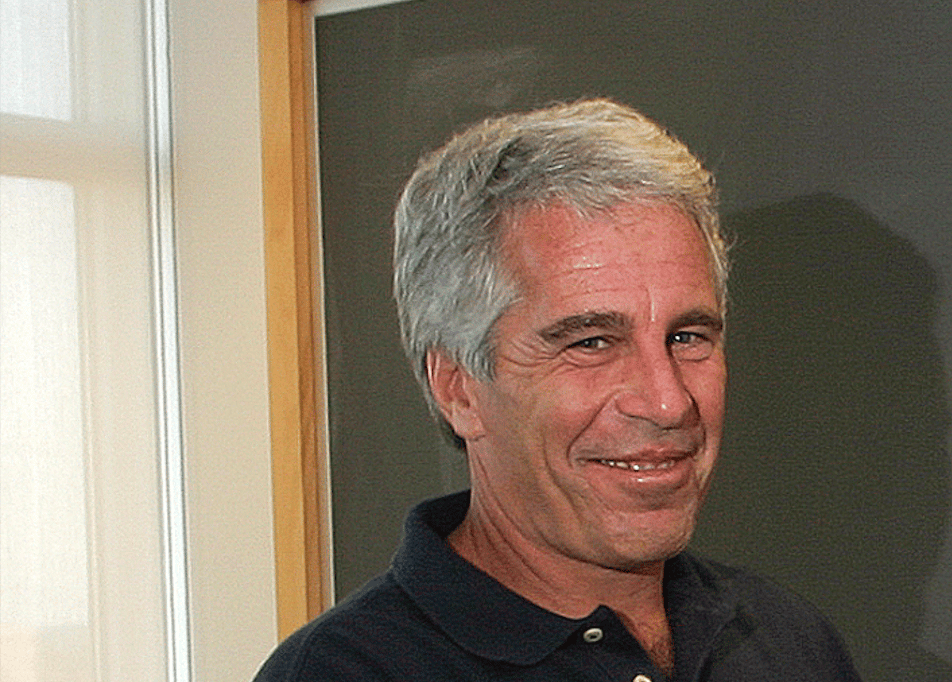
The latest revelations from the Epstein files expose the extravagant lifestyle of Wall Street titan Leon Black, founder of Apollo Global Management, who allegedly profited at the expense of companies and investors. As Apollo faced accusations of stripping companies and misleading clients, Black was hosting lavish parties, accumulating an art collection worth over a billion, and shelling out millions on personal expenses.
Spending over $1.2 billion from 2007 to 2011, Black’s financial maneuvers paint a stark picture of wealth inequality, especially while his firm managed hospitals reportedly facing serious operational issues.
Additionally, his close ties to the disgraced Epstein—who Black financially supported—have raised eyebrows, prompting calls for investigations into Apollo's practices and its funding links. As Black’s past continues to haunt the firm, this saga sheds light on the darker side of private equity’s influence in America’s healthcare and investment landscapes.