- BlackVoter.Org
- Posts
- BlackVoter.Org
BlackVoter.Org

BlackVoter.org
January 16, 2026


Bronx Congressman Ritchie Torres is shaking things up with a bold new proposal: he wants Immigration and Customs Enforcement (ICE) and Customs and Border Protection (CBP) officers to sport QR codes on their uniforms. This digital initiative aims to enhance accountability by allowing the public to scan these codes for the officer's name, badge number, and agency details—information that can help foster transparency during encounters.
Following a troubling increase in violent incidents involving ICE, including a tragic recent case, Torres argues that unmasking these officers is crucial. "There’s an urgent need to unmask ICE.
Not only physically but also digitally,” he stated, emphasizing the importance of security and trust in law enforcement. Torres is up against a challenging political climate, with the Trump administration backing the current secrecy of ICE officers, but he remains determined to push for greater transparency.

In her heartfelt piece, Gabrielle Pitre, a Black Catholic Gen Z member from Seattle, embarks on a profound journey to explore her family's rich history and its connection to her faith. As she digs through censuses and baptismal records, Pitre uncovers her roots in Louisiana, tracing them back to ancestors like Marie Jeanne Davion, an enslaved woman, and François Lemelle, a plantation owner.
Through this research, she grapples with the complex intersection of race and faith amidst America’s racial reckonings, invoking memories of her grandparents and the warmth of Sunday Mass.
Pitre’s discovery of a shared lineage with Pope Leo XIV, the first American pope, adds an exhilarating twist to her narrative.
Her exploration of past struggles for dignity, intertwined with her faith, reveals an inspiring legacy. Ultimately, she finds strength in her ancestors’ resilience, echoing their perseverance as she navigates her identity as a Black Catholic today.

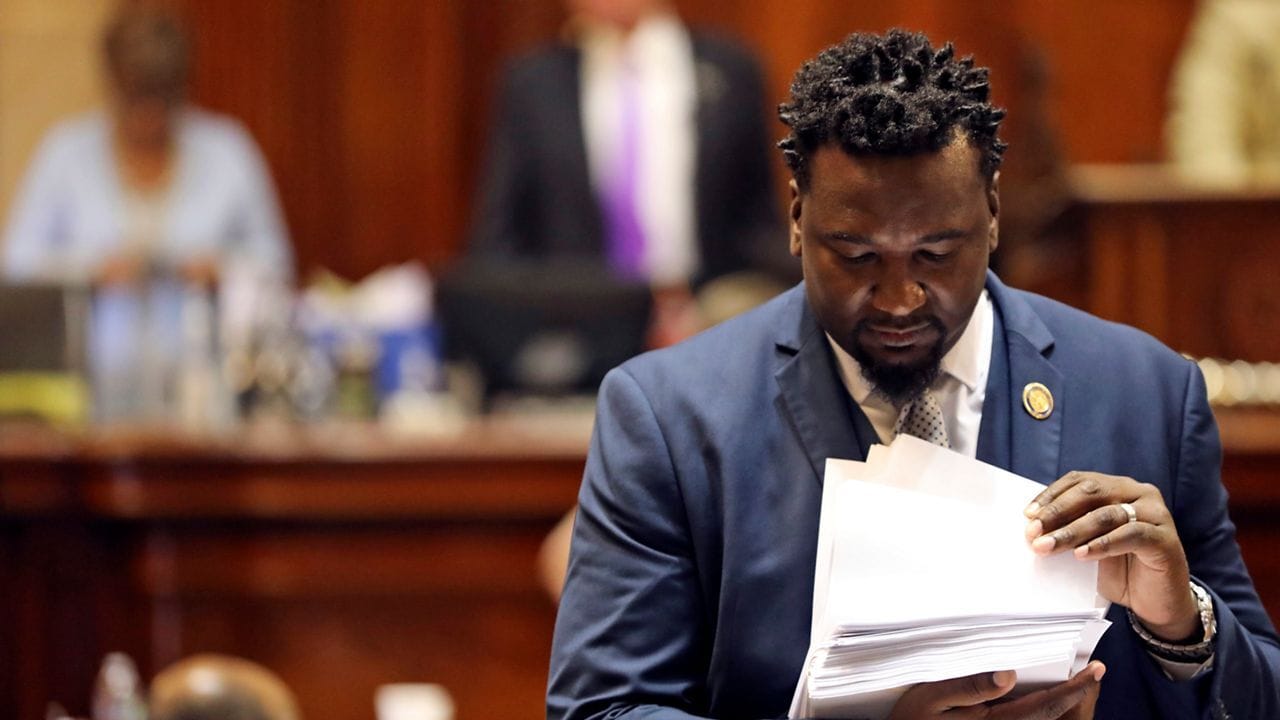
South Carolina State Representative Jermaine Johnson, a Democratic trailblazer who made history as the first African American to represent his district, has announced he will not seek re-election for the State House. Instead, he’s shifting his focus entirely to his campaign for governor.
In a heartfelt statement, Johnson expressed how much serving his community has meant to him, emphasizing his commitment to representing constituents during his final legislative session. With the Democratic primary on the horizon in June, he faces competition from fellow Democrat William “Mullins” McLeod.
Johnson's decision to step away from the State House reflects his determination to earn the trust of all South Carolinians as he embarks on this new political challenge. However, his bid comes with significant hurdles, as South Carolina remains a predominantly Republican state.
As the political landscape heats up, all eyes will be on Johnson's journey toward potentially making history once more.

Thomas Watkins, a trailblazer in journalism and the founder of New York City's first Black-owned daily newspaper, the New York Daily Challenge, has passed away at 88. Watkins established the publication during a time when many doubted its viability, but he demonstrated that Black media could thrive.
Under his leadership, the Daily Challenge not only reported on vital issues affecting the Black community but also generated nearly $30 million annually, cementing its role as a cornerstone of Black journalism. Beyond just one outlet, Watkins expanded his influence by creating a network of Black newspapers, advocating for economic empowerment and community representation.
Renowned for his passionate approach to journalism, he wasn’t afraid to confront uncomfortable truths, ensuring that vital stories regarding police misconduct and housing injustices were told. With numerous accolades and a legacy of empowering Black voices in media, Watkins is remembered as an icon who fought for narrative authority and economic independence within the Black press.
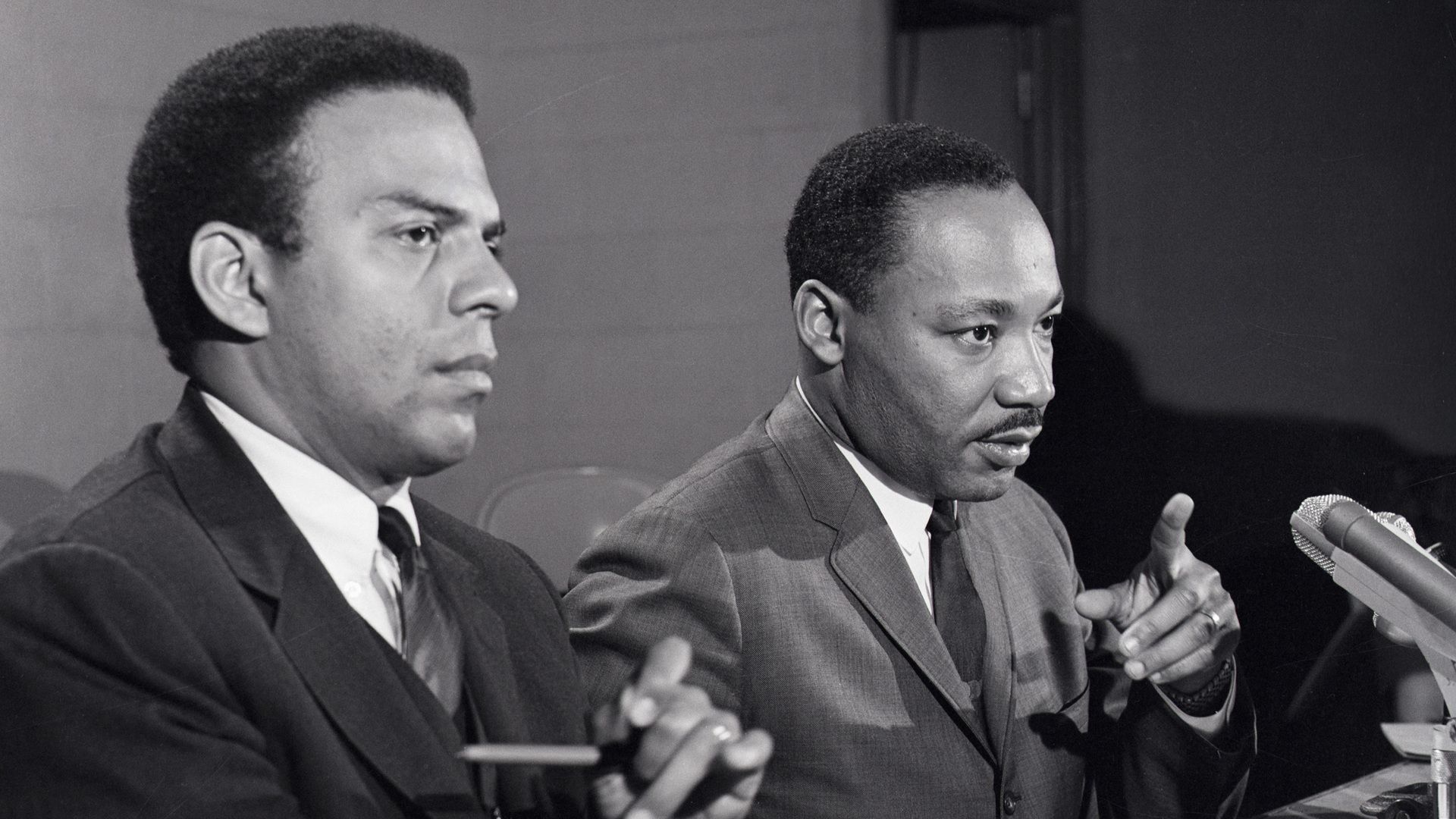
The Andrew Young Higher Education Initiative is empowering a new generation to honor the principles of the Civil Rights Movement through a unique curriculum. Launched at Anderson University, this program focuses on lessons from icons like Martin Luther King Jr.
and Andrew Young, connecting their timeless teachings about nonviolence and human dignity to contemporary issues. As political divisions and violence escalate, facilitators emphasize the urgency of Christian involvement in promoting peace and understanding.
With hopes of expanding from 50 to 500 participants, the initiative is designed for both Christian campuses and historically Black colleges. Participants engage with the rich history of the Civil Rights Movement, applying its lessons to today's polarized climate.
As Young, now 93, shares his insights on the role of the church, program creators Matthew Daniels and Anthony Jones envision a future where Christian values can guide society toward healing and unity. "God’s people are called to greatness," they assert, emphasizing the necessity of faith-driven action in these challenging times.

In the race for the Texas Senate seat, U.S.
Rep. Jasmine Crockett finds herself trailing State Rep.
James Talarico by 9 points in a recent poll. While Talarico leads with 47% to Crockett's 38%, the congresswoman has garnered overwhelming support from Black voters, with a staggering 80% backing her candidacy.
Despite the numbers, experts caution against overinterpreting the poll, which sampled a mere 413 likely Democratic voters. As Crockett campaigns on a vision that emphasizes turning out new and nontraditional voters, she remains optimistic, highlighting Texas's potential as a majority-minority state with a rich pool of Black voters.
With only 15% of respondents undecided, the race remains competitive as both candidates aim to energize their bases ahead of the March 3 primary. If successful, Crockett could make history as the first Black woman elected to the U.
S. Senate from Texas.
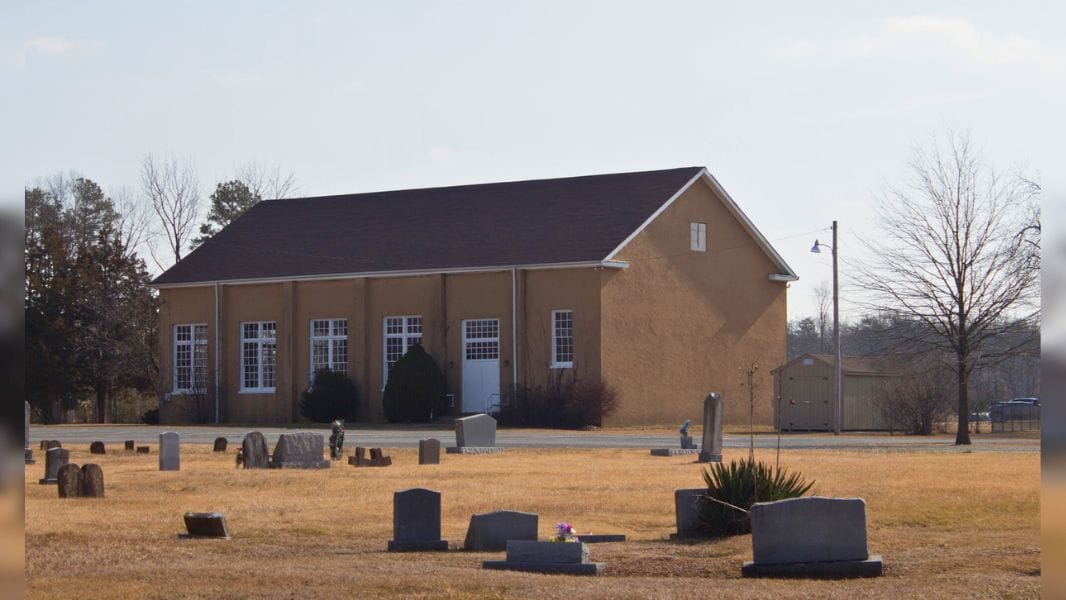
In a surprising move, the Maryland Board of Public Works has put a halt on $5 million in funding aimed at preserving Black heritage across the state, impacting key projects including the restoration of Old Pomonkey High School. During a meeting on January 7, 2026, they withdrew 29 grant proposals under the African American Heritage Preservation Program without any discussion.
Among the affected projects is a $250,000 initiative to rehabilitate Pomonkey High School, a significant landmark that served as the first public high school for African Americans in its county. Local leaders had expressed strong support for the initiative, emphasizing its importance to community history and education.
This decision also pulled funding for cemetery conservation at Alexandria Chapel and other historical sites in the region. The heritage program is vital for preserving Black cultural landmarks, and the next round of grants is expected to open in March 2026, raising hopes for future support.