- BlackVoter.Org
- Posts
- BlackVoter.Org
BlackVoter.Org

BlackVoter.org
March 19, 2026


In an eye-opening exploration, Charlize Marshall's article from The Varsity delves into the term "Black Fatigue," which was originally coined by Mary-Frances Winters to signify the emotional toll of systemic racism on Black communities. Unfortunately, it has morphed into a tool for racial prejudice, misappropriated on social media as a way to shame and categorize Black people.
The author shares firsthand experiences from University of Toronto students grappling with identity in a diverse yet still polarized environment. As the term shifts, it perpetuates harmful stereotypes and reinforces societal divisions, as seen in viral clips defining "acceptable" versus "unacceptable" Black behavior.
The article argues for a reclaiming of the original meaning of Black Fatigue, emphasizing the need for education to combat the misinformation that facilitates racism today. Marshall’s work is a powerful reminder of the importance of language in shaping perceptions and fostering empathy.
Republican Senator Tim Scott from South Carolina has announced he will seek reelection in 2028, significantly reversing his earlier statement that his 2022 campaign would be his last. In a recent interview, Scott clarified that his previous remarks referred to 2028 rather than his last election.
This pivot is poised to change the political landscape in South Carolina, as speculation grew over potential candidates vying for an open Senate seat in 2028. Scott, who enjoys a strong approval rating among both registered voters and Republicans, has maintained a prominent role in national Republican politics, actively campaigning for Senate candidates in key battleground states.
While some critics, including Democratic Party Chair Christale Spain, view this as a breach of his term-limit pledge, Scott's decision underscores a tradition of long Senate tenures in South Carolina, often correlating with increased political influence.

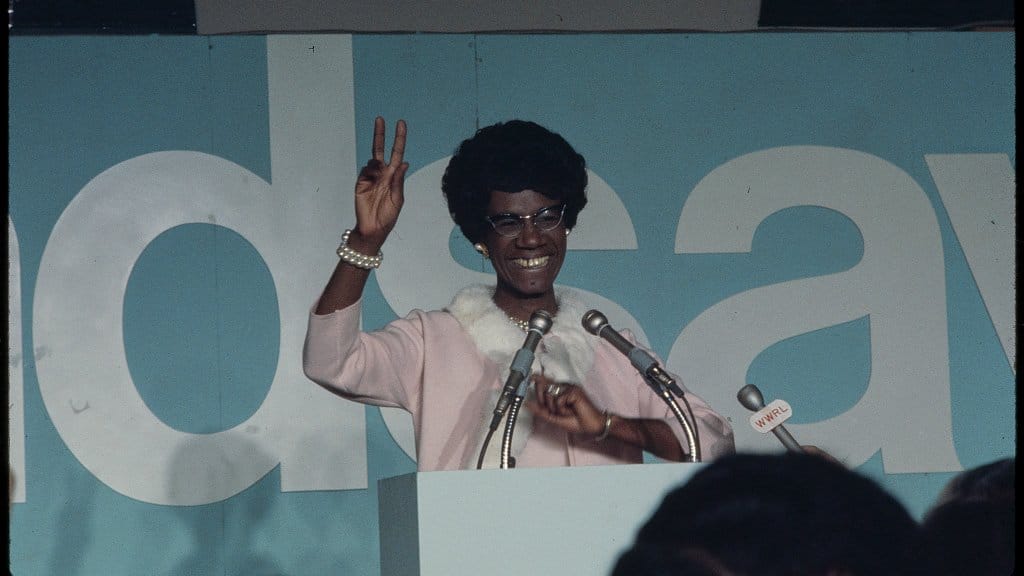
In a powerful homage to Black women’s significant role in shaping American democracy, Irene Monroe highlights the groundbreaking legacy of Shirley Chisholm, the first Black woman in Congress. As a trailblazer, Chisholm’s grassroots activism and unyielding commitment to her community exemplified the essence of political engagement—rooted in addressing everyday issues facing marginalized populations.
Her mantra, “unbought and unbossed,” resonated deeply within her Brooklyn neighborhood, inspiring generations to take charge and voice their concerns. Reflecting on Chisholm’s pioneering spirit, Monroe emphasizes how current leaders like Vice President Kamala Harris carry the torch forward, mobilizing Black women as a formidable voting bloc.
Despite ongoing challenges, they continue to fight for justice and representation, demonstrating that democracy thrives when all voices are heard. As Monroe asserts, the path to an equitable society begins at the ballot box, a principle Chisholm instilled in her community and beyond.

A powerful discussion unfolded at Riverside’s African American Citizens Panel, where participants candidly addressed the deep impact of systemic racism on mental health within the Black community. Facing challenges stemming from centuries of inequity in housing, education, and healthcare, community members emphasized the urgent need for culturally competent mental health care.
They advocated for open conversations about emotional pain, support groups for Black men and veterans, and mental health education in schools. Importantly, they called for services to be offered in familiar spaces like barbershops, beauty salons, and churches, promoting healing where trust already exists.
The panel’s message was clear: to tackle the mental health crisis effectively, decision-makers must invest in Black-led initiatives that affirm Black experiences rather than overlook them. As one participant poignantly noted, “Healing starts where we gather together.
” This is a call to action for policymakers and the community to create a supportive and understanding mental health framework.

Bedouin lawyer Hanan Alsanah is on a mission to reshape the political landscape of Israel by advocating for Arab-Jewish partnerships and women's leadership. With a passion ignited by her own challenges—being the only sister to pursue higher education—she has dedicated her life to empowering Bedouin women through education and economic initiatives.
Alsanah believes that true change comes from expanding women's representation in politics, asserting, "If more women enter politics, they will change the political system."
Her activism intensified following the October 7 attacks, during which she helped establish an Arab-Jewish Emergency Relief Center, proving that collaboration can flourish even amidst crisis.
Alsanah’s journey from a traditional upbringing to a formidable legal advocate exemplifies her commitment to social justice and peacebuilding. She envisions a future where dignity, freedom, and collaborative leadership define society, emphasizing that grassroots cooperation among women is crucial for a more inclusive Israel.

Rev. Jesse Jackson, the iconic civil rights leader, passed away on February 17 at the age of 84, leaving behind a profound legacy of activism and progress.
From his early days as a student protester arrested during a library sit-in to becoming an influential spokesman for equality, Jackson’s journey shaped pivotal moments in American history. He played a crucial role in desegregation efforts, founded the National Rainbow Coalition, and ran for the presidency, energizing the Democratic Party and paving the way for future Black leaders.
His international diplomacy addressed critical issues, from South African apartheid to Middle Eastern conflicts, showcasing his commitment to global justice. Despite health challenges in later years, Jackson maintained his hopeful spirit, advocating for unity and reconciliation.
He wanted to be remembered as a dedicated warrior for justice, illustrating that the fight for civil rights continues and that together, progress is within reach.
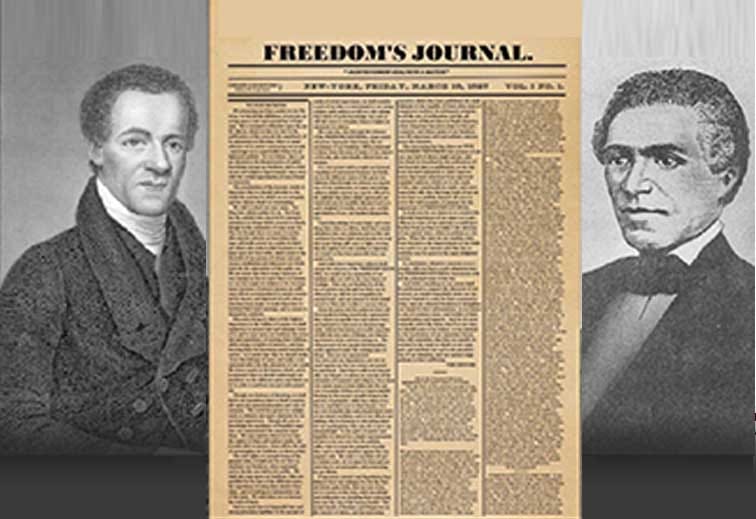
This week marks a pivotal moment in American history, recognizing the 1827 founding of the Black Press with the publication of "Freedom’s Journal" by Samuel Cornish and John B. Russwurm.
This groundbreaking newspaper marked the birth of a movement, empowering Black Americans to control their narrative in a time when mainstream media often silenced their voices. More than just a media outlet, the Black Press became a crucial institution advocating for justice, documenting injustices like slavery and Jim Crow, and shaping civil rights activism.
Figures like Ida B. Wells and W.
E.B.
Du Bois found a platform to expose societal horrors and inspire action. Today, as misinformation proliferates and voter engagement struggles, the legacy and mission of the Black Press remain vital.
It is essential for democracy that we recognize and support Black-owned media as a cornerstone for informing and mobilizing communities, ensuring that the call to "plead our own cause" continues to resonate.