- BlackVoter.Org
- Posts
- BlackVoter.Org
BlackVoter.Org

BlackVoter.org
March 20, 2026

During Black History Month, Georgetown University's Black student organizations rallied together to celebrate their culture and community, even as enrollment numbers for Black students have declined. A standout event, the talent show "The Final Hour," showcased the creativity of students, including winner Sophia Monsalvo’s captivating performance.
Organizers from the Black Student Alliance (BSA) and Black Theatre Ensemble (BTE) emphasized collaboration, aiming to host events daily throughout the month to bolster visibility and unity among Black students on campus. Despite challenges related to Georgetown’s predominantly white environment and recent changes in admissions policies, students like Evelyn Wiredu and Fathia Fasasi are committed to fostering community and raising cultural awareness.
The programming not only celebrated Black art and history but also created connections with faculty and alumni, reinforcing the necessity of support and representation. Upcoming initiatives like the B.
R.A.
V.E.
summit promise to continue this momentum, ensuring that Black joy and resilience remain central themes at Georgetown.
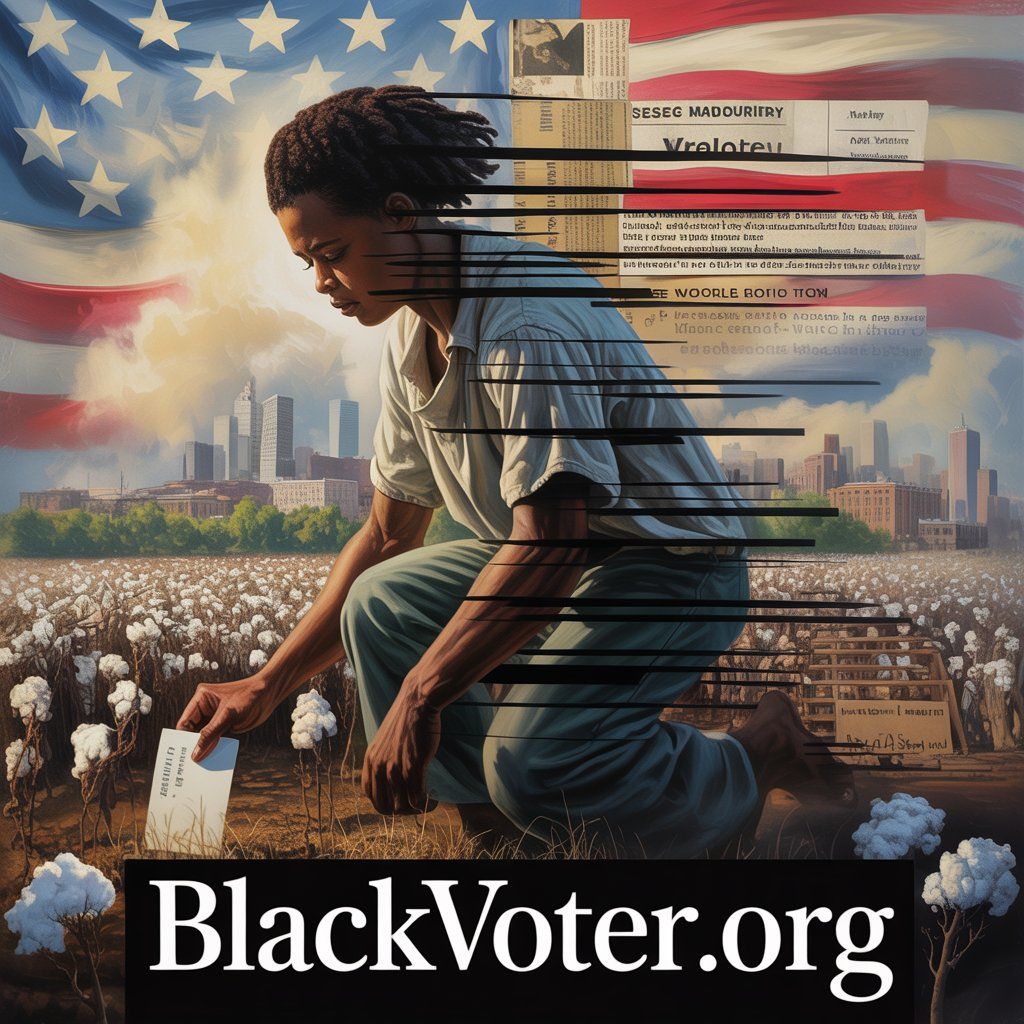

In the latest piece by Matthew Yglesias, the spotlight shines on zoning reform and its critical link to racial justice. While much activism focuses on criminal justice, housing policies fundamentally shaped by historical racism demand urgent attention.
Yglesias highlights that early zoning laws explicitly aimed to enforce segregation, a legacy that endures today. He argues that reforming these policies is essential not just for racial equity, but for building broader coalitions that benefit all communities.
Drawing on discussions around the YIMBY movement, he suggests that framing housing reform as a win-win can unite diverse stakeholders, while the push for criminal justice reform has often sidestepped housing's impact on inequality. By challenging entrenched beliefs and advocating for essential reforms, Yglesias makes a compelling case for prioritizing zoning changes that could reshape America's landscape toward greater equality and justice for all.

In a heartfelt response to recent comments made by Secretary of Defense Pete Hegseth regarding his son's tragic death, Charles Simmons, father of Master Sgt. Tyler Simmons, emphasizes that Tyler's sacrifice should not be politicized.
Tyler, 28, a dedicated airman with the 121st Air Refueling Wing, tragically died in a KC-135 tanker crash during a voluntary mission in Iraq. He was posthumously promoted to master sergeant, an honor reflecting his rapid rise in the military ranks.
While Charles acknowledged the compassion shown by Hegseth and President Trump during their meeting, he expressed frustration over media interpretations of his words, insisting that his son's legacy should remain free from political agendas. As tributes pour in celebrating Tyler's character and contributions, Charles gazes upon the overwhelming love and support surrounding them, providing a bittersweet solace in their time of grief.
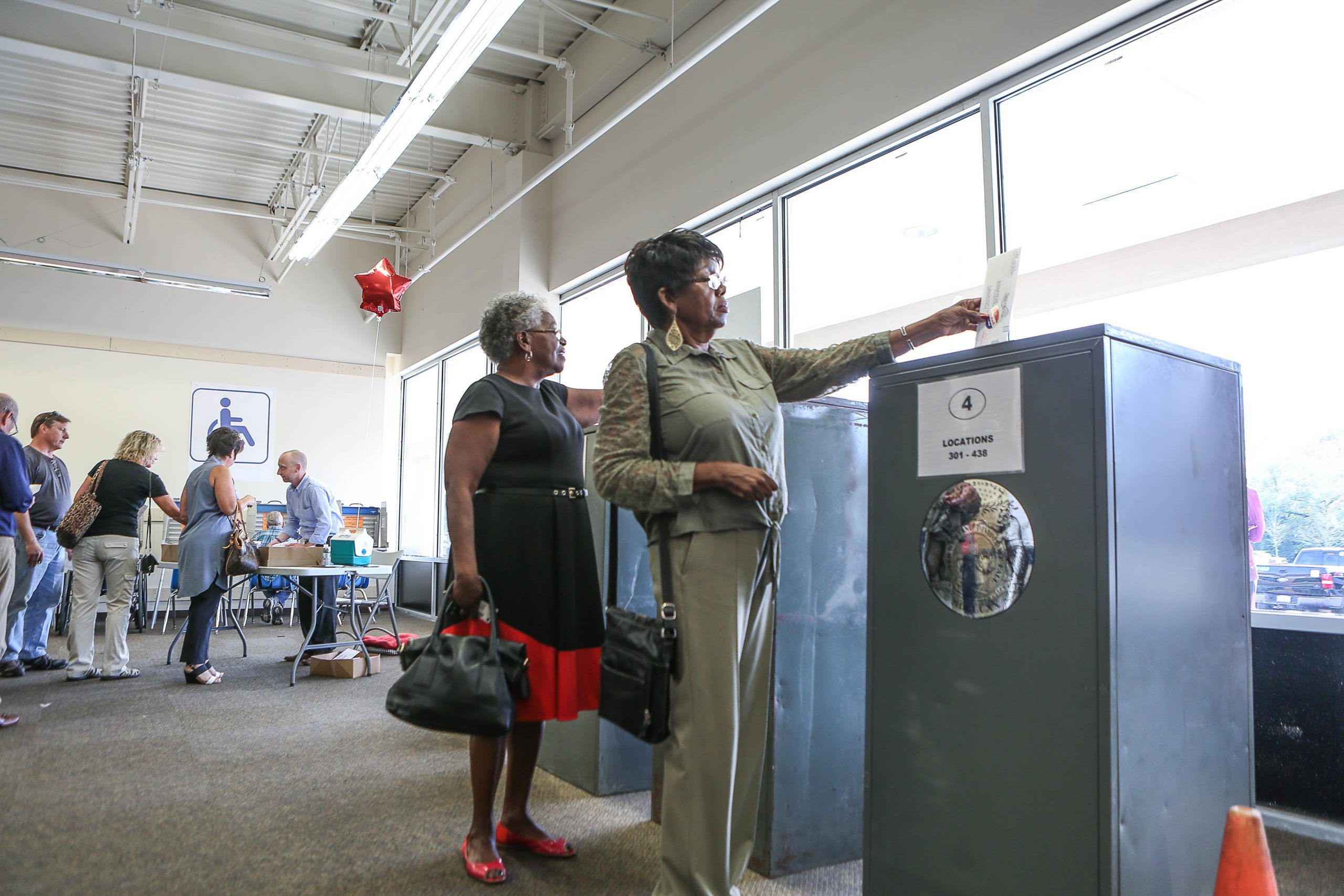
The SAVE Act, a controversial piece of legislation currently under Senate debate, is sparking heated discussions about voting rights in America. Critics argue that it could impose hefty barriers for millions of eligible voters by requiring proof of citizenship—like birth certificates or passports—and government-issued photo IDs to register for federal elections.
As many as 21.3 million voting-age citizens might struggle to meet these new demands due to lack of access to necessary documents.
Proponents, including Sens. Josh Hawley and Rand Paul, assert that such measures are crucial for election integrity.
They argue these requirements reflect what’s already in place in several states. However, opponents, including the ACLU, label the initiative a dangerous step towards voter suppression and a false response to a manufactured crisis regarding alleged voter fraud.
With public trust in election security wavering, the future of the SAVE Act remains uncertain as the Senate grapples with this contentious issue.
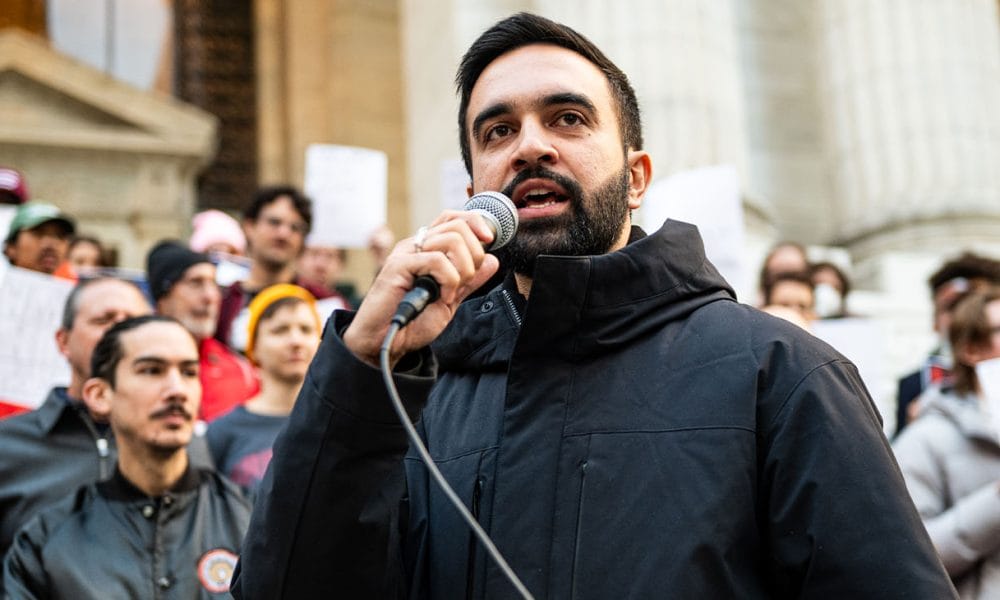
In his compelling op-ed, Dr. Benjamin F.
Chavis Jr. sheds light on the urgent urban challenges facing Black America by examining the case of New York City’s Mayor Zohran Mamdani.
Chavis expresses deep concern over the perceived neglect of the Black community, despite their significant role in Mamdani's election. He criticizes the lack of representation within the administration, noting the absence of Black deputy mayors and the administration's failure to prioritize issues like public housing, which predominantly affects Black and Latino residents.
Chavis argues that voting is just the first step; the real challenge lies in holding elected officials accountable. He emphasizes that as urban demographics evolve, the promise of racial equity must transform into actionable policies that celebrate and uplift the Black narrative.
Will Mayor Mamdani rise to the occasion, or continue the cycle of disenfranchisement? The answer may shape the future of Black representation in America.

In a fiery call-to-action, Representative Ilhan Omar is rallying Republicans to reject the controversial Safeguard American Voter Eligibility Act (SAVE Act), which she deems a blatant act of voter suppression. Posting on X (formerly Twitter), Omar emphasized that the bill would disenfranchise millions of voters, particularly low-income Americans, people of color, and young voters.
The SAVE Act mandates in-person documentation proving U.S.
citizenship for voter registration, a barrier that many could struggle to meet. While some Republicans argue it fortifies election integrity, Omar and fellow Democrats warn it could silence significant portions of the electorate.
With stiff opposition anticipated in the Senate, Omar declared, “No politician, Republican or Democrat, should support a law that effectively silences millions of Americans.” As the debate heats up, the fate of voting rights hangs in the balance, sparking a critical conversation about the accessibility of democracy.
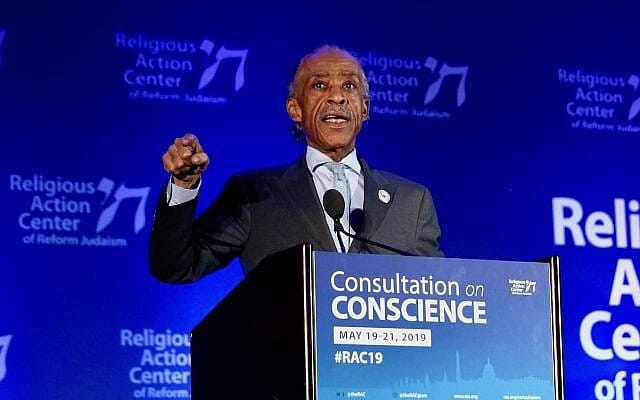
In an engaging critique, Jonathan Tobin argues that the Reform movement's endorsement of reparations for African-Americans fails to advance genuine justice. While acknowledging the deep historical impact of slavery and racism in America, he contends that equating this issue with Jewish reparations from Germany is misguided, as reparations should directly address those who suffered and their heirs.
Tobin warns that implementing a reparations framework could exacerbate societal divisions and validate dangerous narratives that contribute to anti-Semitism. He emphasizes the need to confront systemic issues like educational inequity instead, suggesting that efforts to highlight "white privilege" among Jews could inadvertently fuel resentment and violence against the Jewish community.
Ultimately, he posits that focusing on shared historical burdens might obscure the complexity of race relations and distract from the current challenges facing both Jews and African-Americans.