- BlackVoter.Org
- Posts
- BlackVoter.Org
BlackVoter.Org

BlackVoter.org
April 07, 2026


Veronica Bethel Parker, a former California field representative, has made her literary debut with an impactful historical non-fiction book titled "The Audacity to Endure: Finding the Emancipation in Hope through Faith." Released in November 2025, Parker's work draws intriguing connections between the struggles for freedom of Africans and African Americans during the American Revolution and the Jewish emancipation movements of the French Revolution.
Inspired by her research and her father's legacy as an advocate for equality, Parker emphasizes the importance of faith and collaboration across communities in the fight for justice. Highlighting the alliances formed between African Americans and Jews during pivotal civil rights movements, she illustrates the ongoing journey toward equality.
Parker's book is not just a recounting of history; it's a call to recognize shared values and collective efforts in the pursuit of liberty, reflecting her deep commitment to social justice and community service.

In a landscape where calls for generational change are growing louder, seasoned Black Democrats are defiantly holding their ground in Congress. While many aging lawmakers step aside, figures like Representatives David Scott, Al Green, and James Clyburn refuse to retire, arguing they’ve earned their positions through years of struggle against systemic racism in politics.
This defiance complicates the age debate and frustrates younger activists seeking fresh leadership. Advocates for change believe it’s time to make room for a new generation of leaders, especially as polls show that younger voters increasingly distrust the status quo.
However, these veteran lawmakers assert that their extensive experience is crucial for navigating today’s political challenges. As they campaign for re-election, they emphasize their ongoing dedication to issues like voting rights—a reminder that effective leadership isn’t simply about age but also about relevance in the current societal landscape.
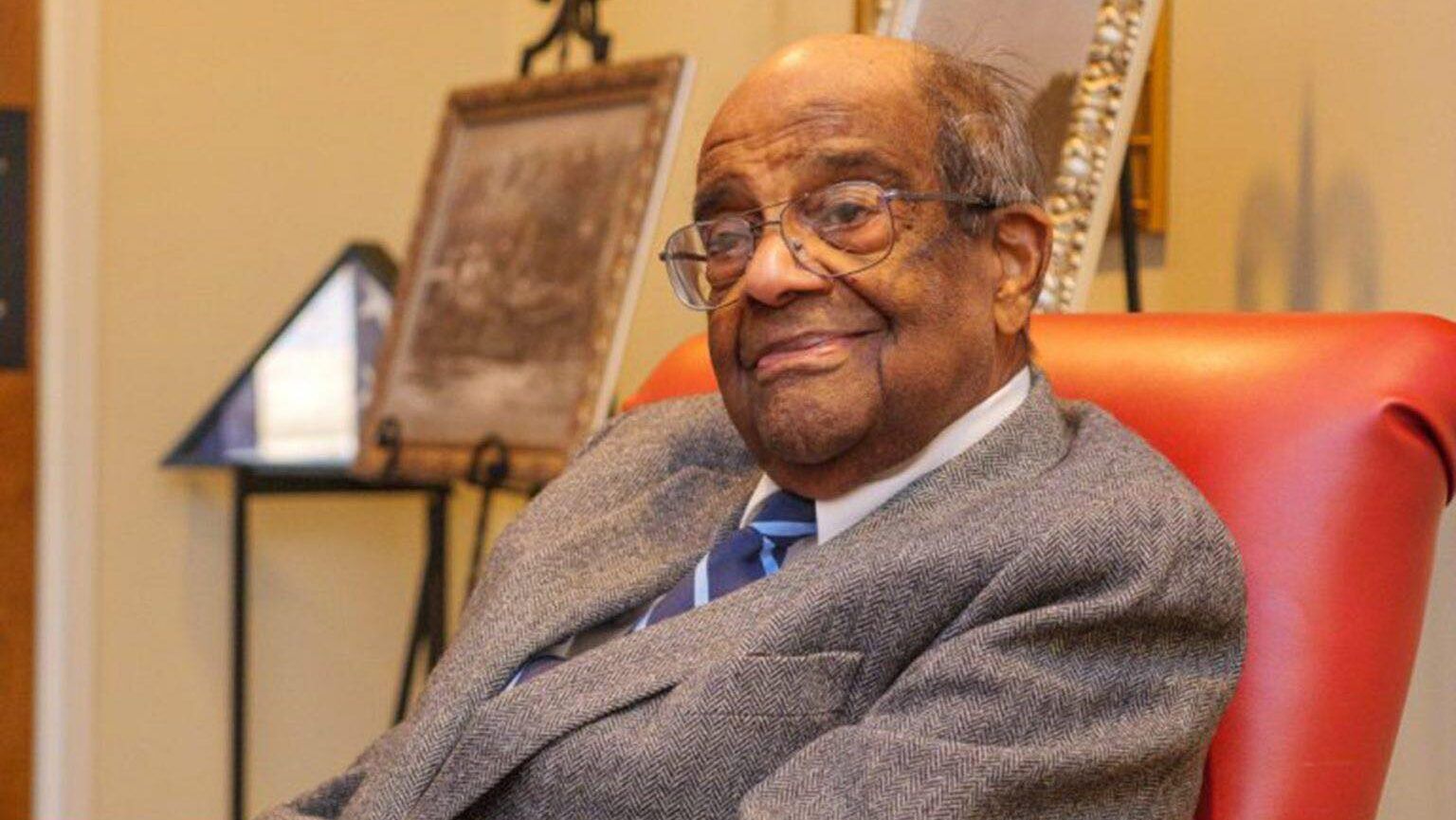
Alabama is reflecting on the life and legacy of J. Mason Davis Jr.
, a distinguished attorney and civil rights icon who passed away at 90. A trailblazer, Davis was one of Birmingham's first Black lawyers, dedicated to fighting segregation and advocating for voting rights.
After overcoming barriers to attend law school, he returned to Birmingham to establish his practice, where he championed equality and justice for countless individuals. His notable achievements include defending students involved in the Huntsville lunch counter sit-ins and winning equal pay for aerospace employees.
Beyond the courtroom, Davis was deeply involved in community efforts, tutoring aspiring Black voters and leading initiatives that enhanced race relations. His loss has prompted heartfelt tributes from local leaders, who remember him not only as a legal pioneer but as a beacon of hope for future generations.
Davis's unwavering commitment to civil rights will continue to inspire activism in Alabama and beyond.

Conservative Group Sues Congressional Black Caucus Over Scholarship, Claiming Racial Discrimination!
The Congressional Black Caucus Foundation (CBCF) is facing a federal lawsuit from the conservative group American Alliance for Equal Rights, which claims that its scholarship program unfairly excludes non-Black students. While the scholarship specifically aims to support Black students, the lawsuit, led by Edward Blum, argues that it constitutes racial discrimination.
This legal challenge follows Blum's history of opposing affirmative action and attempting to dismantle programs benefiting minority students. The CBCF, established 50 years ago, defends its mission of providing educational opportunities for Black students, asserting that the scholarship fosters the next generation of leaders.
Amid broader challenges to diversity initiatives and funding for Black students in an increasingly hostile political environment, this lawsuit could impact educational support programs nationwide, stirring a debate over equity in educational opportunities.
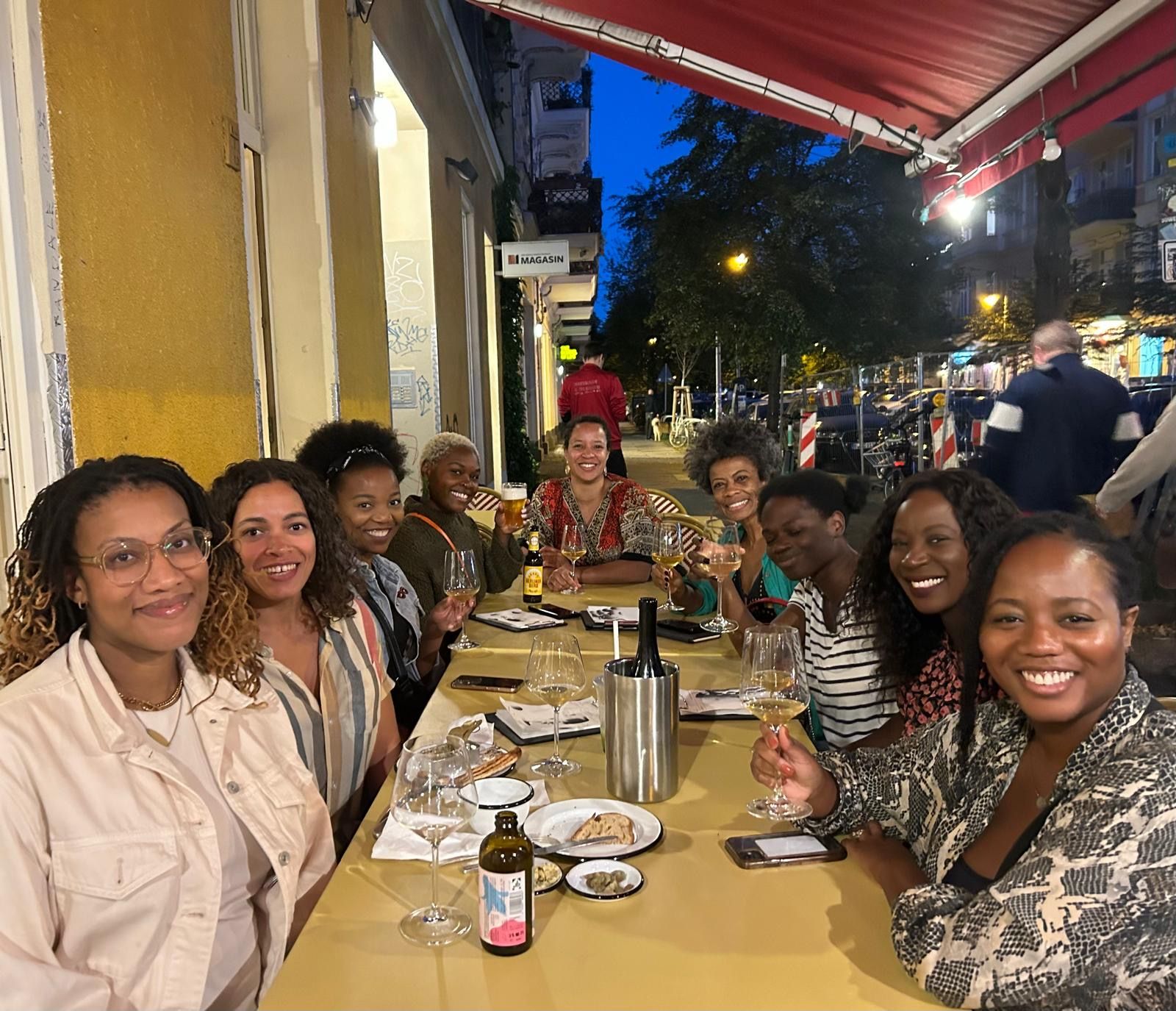
In Berlin, Black American women are discovering a healthier and more accessible life within Germany's universal healthcare system, often citing it as a refuge from the struggles of healthcare in the U.S.
Many expats have reported improved health outcomes, lower medical costs, and a supportive community that navigates the system together. Denise Banks-Grasedyck, a long-term resident, highlights the stark contrast between the U.
S. and Germany, particularly the pervasive healthcare debt burden in America.
Despite facing some challenges related to medical bias, the overall sentiment remains positive, with many women feeling safer and more cared for in Germany. The vibrant Black in Berlin group fosters connection and resource sharing, enhancing their shared experience.
For many, the decision to move abroad has transformed their healthcare journey, paving the way for healthier lives that were previously overshadowed by financial concerns in the U.S.
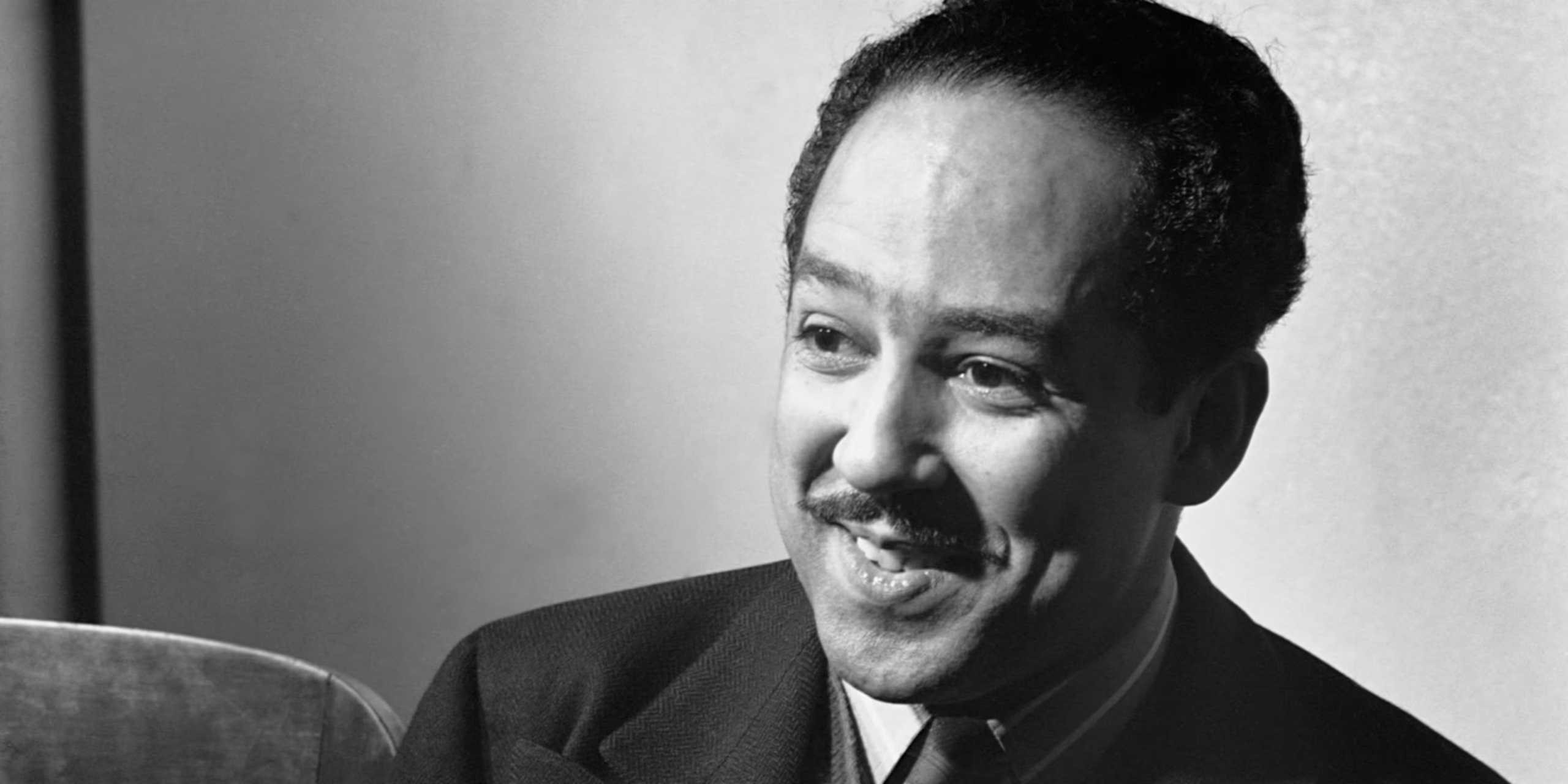
On February 1, 1926, Langston Hughes made his indelible mark on American literature with the publication of his debut novel, Not Without Laughter. This groundbreaking work not only showcased the complexities of Black life in America but also marked a pivotal moment in history, as it was the first nationally recognized literary achievement by an African American on this date.
Amidst a backdrop of segregation and systemic barriers, Hughes’ novel emerged as a testament to Black intellectual and artistic authority during the Harlem Renaissance, a cultural movement redefining African American identity. By captivating audiences with diverse representations of Black experiences, Hughes challenged prevailing narratives and secured a prominent role in literary history.
His influence extended beyond this novel, setting the stage for future generations of Black writers and fostering a powerful legacy of authenticity in storytelling. February 1, 1926, stands as a monumental reminder that cultural production can catalyze profound change in societal perspectives.
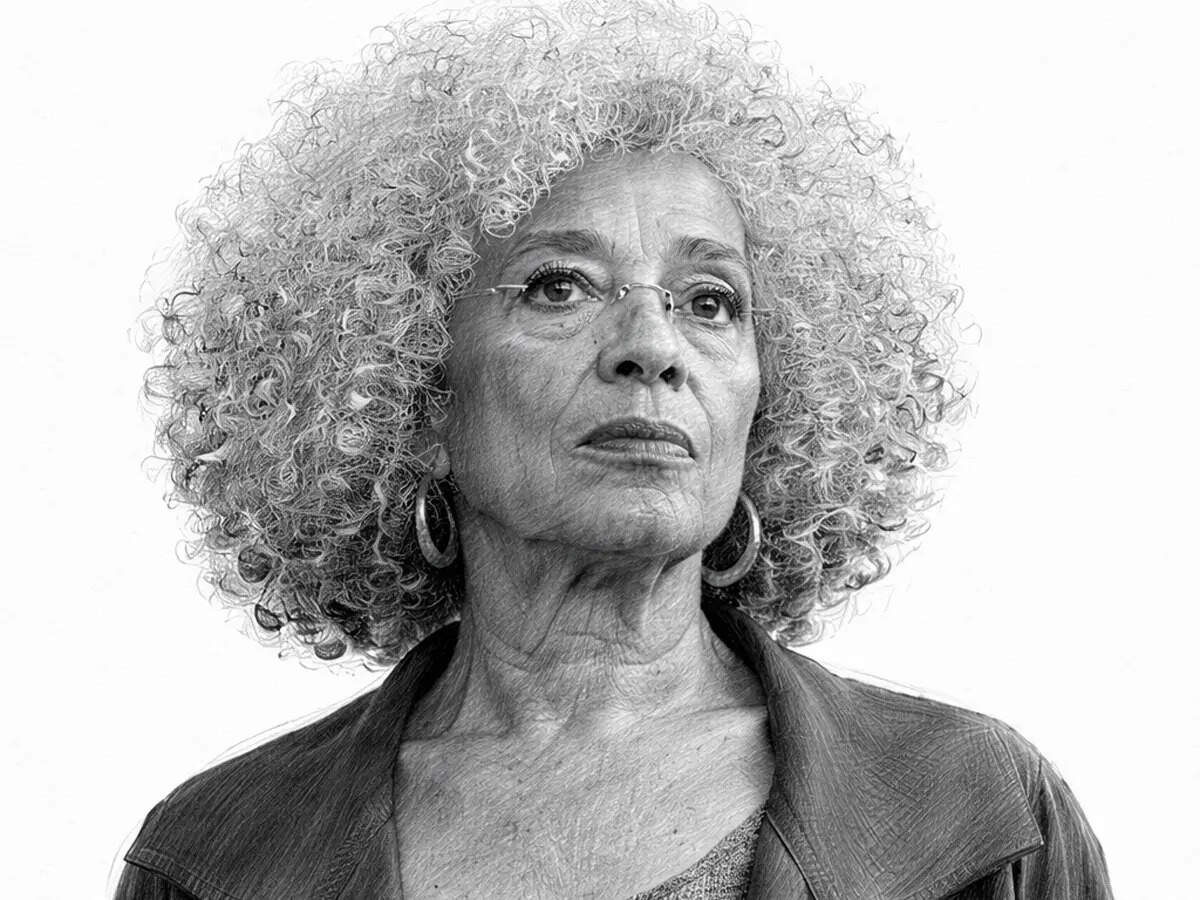
In her resonating call for action, Angela Davis inspires us to embrace personal responsibility and transform the world around us, rather than simply accepting injustice. Known for her role as a champion for civil rights, social justice, and prison abolition, Davis encourages individuals to challenge unfair conditions and work towards meaningful change.
Her long history of activism, rooted in her experiences during racial segregation and a high-profile trial, has made her a global symbol of resistance and advocacy. Davis’s impactful quote challenges us to shift from a mindset of acceptance to one of empowerment, urging us to harness our courage and conviction for the greater good.
Through her ongoing work and powerful messages, she continues to motivate new generations to imagine and strive for a more just and equitable society.