- BlackVoter.Org
- Posts
- BlackVoter.Org
BlackVoter.Org

BlackVoter.org
June 17, 2026

The U.S.
federal government is seeking to stop Evanston, Illinois's groundbreaking reparations program, which awarded Black residents $25,000 for housing discrimination rooted in 20th-century policies. Launched in 2021, it allocated $20 million, focusing on descendants harmed by redlining and segregation.
Over $7 million has already been disbursed. However, the Justice Department argued the program is unconstitutional, claiming it violates the Equal Protection Clause by allocating funds based on race.
Critics see Evanston’s effort as a historic step toward addressing racial injustices, while opponents label it racially discriminatory and worry it opens the door to divisiveness. This move highlights the ongoing national debate over reparations, with some states and cities exploring similar initiatives.
Evanston’s program, led by Robin Rue Simmons, defies traditional reparations models rooted in specific harms, bolstering a contentious and evolving conversation about racial justice and compensatory justice in America.

The U.S.
Department of Justice is challenging Evanston’s pioneering $25,000 reparations program, arguing it violates the Constitution and federal housing laws. The program, designed to address historic housing discrimination against Black residents, offers cash or housing assistance to eligible Black individuals and their descendants.
While Evanston defends its initiative as legal, federal officials contend that race-based benefits are unconstitutional and discriminatory. The case, initiated by a lawsuit from descendants of non-Black residents, remains unresolved, with the DOJ seeking to intervene.
This landmark legal battle raises crucial questions about reparations, race-conscious policies, and equal protection under the law. As the fight continues, Evanston stands firm, emphasizing its commitment to justice, while critics warn of potential legal limits on race-based reparations.
Stay tuned as this historic case could reshape how communities address past injustices and implement reparative policies in the future.


On the 50th anniversary of the Soweto Uprising, young South Africans took to the streets once more, marching for social justice and remembering their history. Organized by the Seth Mazibuko Foundation and partners, the march highlighted critical issues like youth unemployment, gender-based violence, and crime.
Participants, including students and local youth, expressed a deep connection to the past sacrifices made against apartheid, emphasizing the need for ongoing change. President Cyril Ramaphosa honored fallen heroes with a wreath-laying ceremony, while activists called for justice, including an investigation into Tsietsi Mashinini’s mysterious death.
The event blended remembrance with a rallying cry for progress, as young people reaffirm their commitment to shaping a brighter future. This powerful march served as a reminder that the fight for equality and justice remains alive, inspiring the next generation to carry forward the legacy of resilience and hope.

The Wisconsin Legislative Black Caucus commemorated Juneteenth with heartfelt pride and a call for ongoing fight for freedom and justice. Celebrating under the theme “What Freedom Looks Like,” lawmakers honored progress while confronting contemporary struggles like threats to diversity and inclusion.
Speakers highlighted inspiring leaders like Camden Hargrove, Wisconsin’s first openly trans Black elected official, emphasizing the importance of community support, empowerment, and representation. The event also paid tribute to recent loss, mourning Michael Johnson, a beacon in Dane County’s youth services.
As they reflect on 158 years since Juneteenth’s historic announcement of emancipation, caucus members reaffirm their commitment to ensuring the stories and sacrifices of ancestors are never forgotten, and that the fight for genuine freedom continues for all Wisconsinites. It’s a stirring reminder that “Freedom is not finished.

This powerful article highlights the alarming rollback of Black voting rights in America, tracing a dark history of voter suppression from post-Reconstruction tactics to today's gerrymandering and court battles. Despite progress through civil rights movements, laws, and activism, ongoing efforts to weaken the Black vote persist—often cleverly masked in coded language and legal maneuvers.
The author warns that the threat isn’t gone; instead, it’s evolving, with the Supreme Court weakening protections and states redrawing districts to diminish Black political power. Yet, amidst this resistance, hope remains.
The author urges renewed activism—marches, boycotts, voting—to fight back against this calculated attack on democracy. It’s a rallying cry to reclaim power, reminding us that past victories were hard-won and must be defended fiercely.
The fight for voting rights is not over—it’s time to stand up, get loud, and push for change.

A recent poll reveals rising frustration among Black voters as the 2026 midterms approach. Black unemployment hits 7.
5%, the highest since 2021, and over 300,000 Black women left the workforce due to inflation and tariffs. Significantly, 59% feel Trump's policies have negatively impacted them—up from 47% the previous year—highlighting deep economic and political discontent.
As voting rights face threats from Supreme Court rulings, many in Black communities are fired up but uncertain whether this frustration will translate into votes. The poll underscores a community at a crossroads: energized yet wary, hopeful yet weighed down by economic struggles and political setbacks.
The upcoming elections could be a pivotal moment—will Black voters harness this frustration into action? The story is clear: Black America is watching, waiting, and ready to make waves.
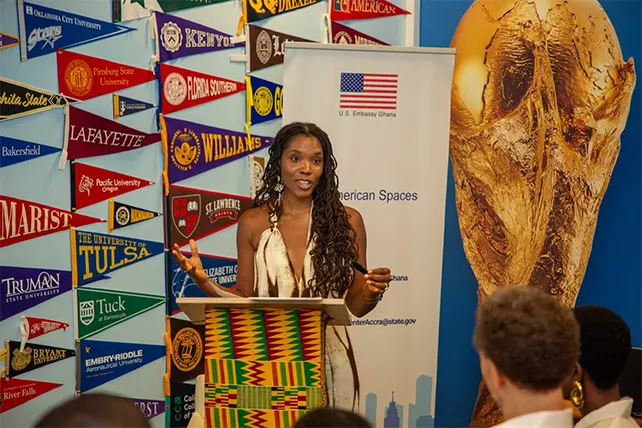
Black excellence and Pan-African leadership will unite on Martha’s Vineyard this August for the exclusive “Black Capitalists: The Vineyard Convening.” Organized by Dr.
Naa-Du Laryea and partners like the Africa Investment Network, the event will bring together influential voices—investors, innovators, diplomats, and cultural leaders—to promote economic empowerment and collaboration across the Black diaspora. Highlighted by Ghana’s King Tackie Teiko Tsuru II, the gathering aims to strengthen ties between Africa and its global communities, fostering meaningful relationships centered on wealth creation, ownership, and sustainable development.
Held amidst the island’s historic legacy of Black leadership, the convening emphasizes actionable strategies for economic progress and intergenerational prosperity through sector-focused discussions, networking, and cultural exchanges. More than just a meetup, this event sparks a movement to turn relationships into tangible opportunities—paving the way for lasting impact across the continent and its diaspora.