- BlackVoter.Org
- Posts
- BlackVoter.Org
BlackVoter.Org

BlackVoter.org
February 04, 2026


In her thought-provoking article, Dr. Allison Wiltz tackles the controversial claim that civil rights initiatives have negatively impacted white Americans, a notion recently echoed by former President Trump.
Wiltz argues this perspective stems from a nostalgic longing for a racially homogeneous past, overshadowing the grim legacy of systemic racism that persisted long after slavery's abolition. By highlighting the oppressive laws and practices—known as black codes—that restricted the freedoms of African Americans, she emphasizes that civil rights efforts were necessary responses to deep-seated injustices, not threats to white supremacy.
The passage of the Civil Rights Act of 1964 aimed to dismantle glaring inequalities, ensuring access to public services and opportunities that had long been denied. Ultimately, Wiltz’s analysis challenges the misconception that fighting for equality harms others, reminding us of the profound and ongoing struggle for justice and inclusivity in American society.
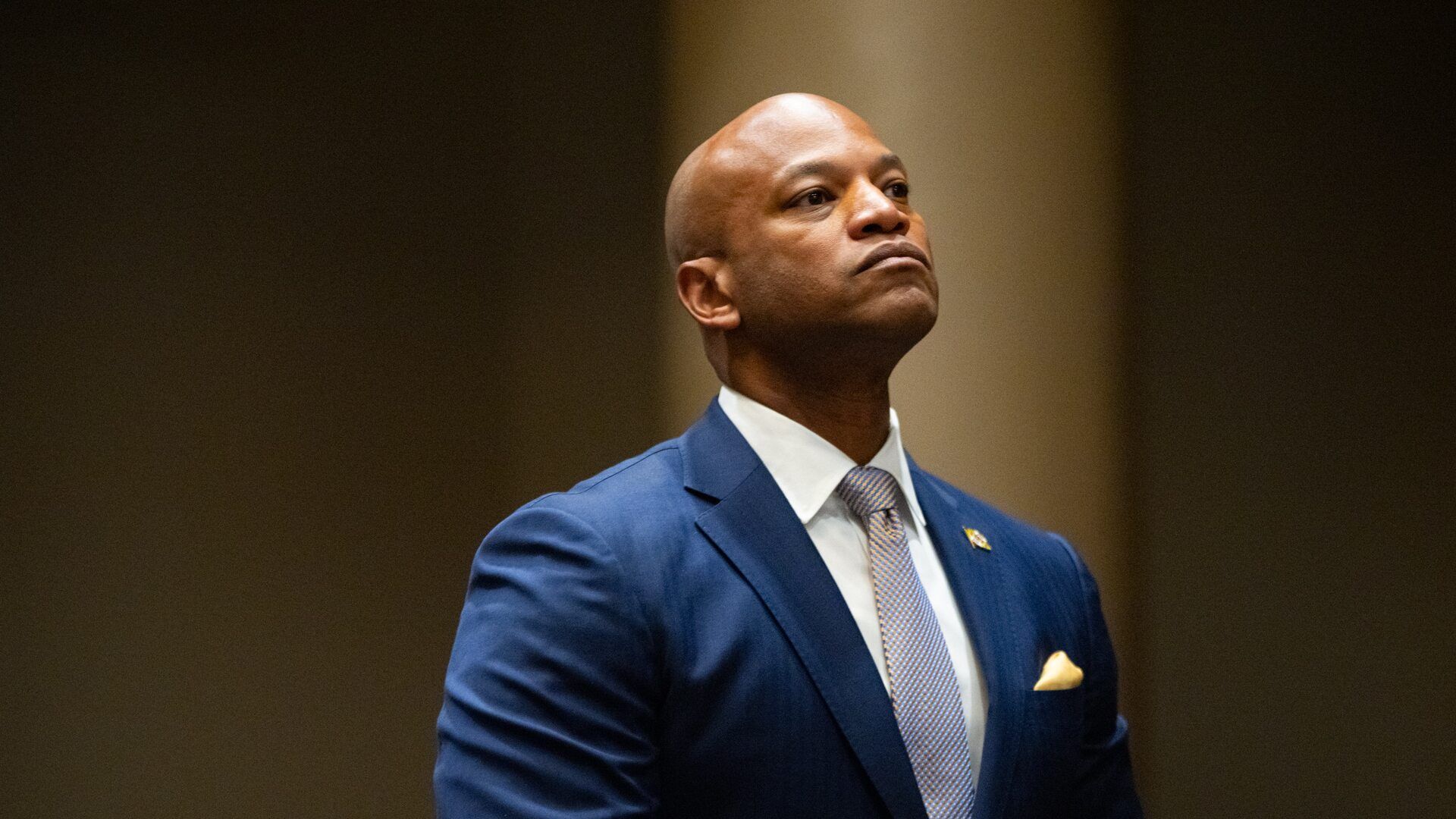
Governor Wes Moore is making waves with his redistricting proposal aimed at battling “political redlining” in Maryland. In a passionate appeal to the House of Delegates, he emphasized the need to redraw congressional maps to counter what he describes as Republican efforts to suppress Black leadership and voices.
Moore's argument pivots on the assertion that the current political landscape unfairly disadvantages Democrats and communities of color. However, concerns linger over the effectiveness of his plan; proposed changes could even reduce the number of majority-nonwhite districts.
Critics, including Senate President Bill Ferguson, argue that the map might dilute Baltimore's political power and that time is running out for any changes before elections loom. As the debate unfolds, all eyes are on Moore—potentially positioning himself for a national spotlight—as he strives to secure a redistricting plan that favors Democrats and truly represents Maryland's diverse population.

Worshippers of the Church of England are making a bold statement against the church's proposed £100 million slavery reparations plan, known as Project Spire. A recent poll revealed that a staggering 60% of churchgoers would redirect their donations if funds were allocated to reparations instead of local causes.
The majority, 81%, advocate for investing in their local congregations, while only a fraction believe reparations should take precedence. The controversial scheme, which has faced criticism from both church members and Conservative politicians, aims to address the church's historical ties to transatlantic slavery.
Despite the backlash, church authorities insist on moving forward with the initiative, emphasizing their commitment to moral leadership and supporting communities affected by this legacy. As debates continue, it remains to be seen how this will impact church finances and participation in the future.
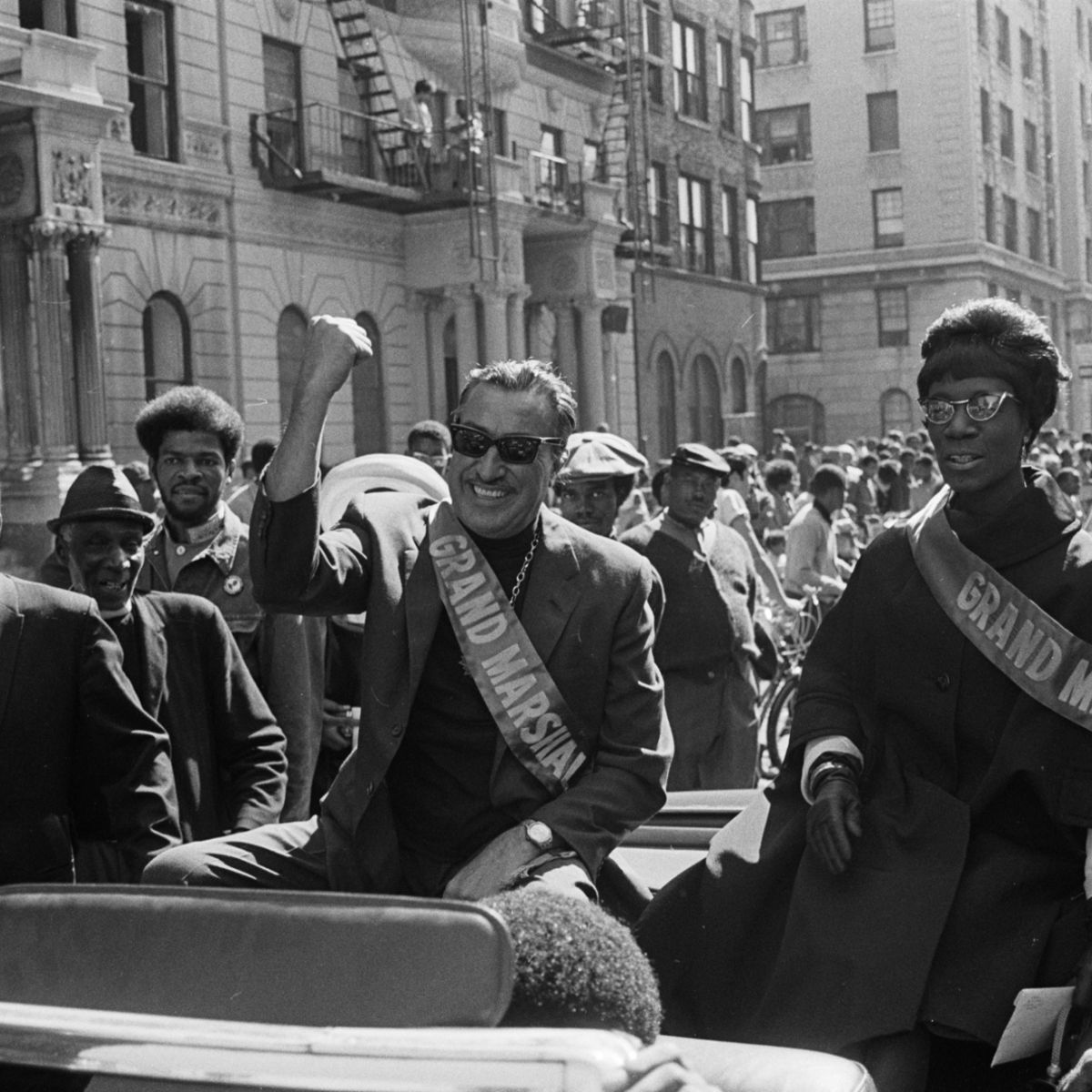
As Black History Month unfolds, it offers a powerful reminder of the Black community's pivotal role in fostering democracy in America. Ben Jealous emphasizes the unity that has historically defined Black voters, showcasing their collective strength in envisioning a fairer society.
This communal spirit, cultivated through family ties, church gatherings, and shared narratives, has consistently uplifted leaders from Shirley Chisholm to today’s Mayor Brandon Johnson. Yet, Jealous warns of the erosion of these connections as the elders who once nurtured them pass away.
He urges the community to revive these traditions through family reunions and storytelling, reinforcing that democracy thrives on unity and mutual support. In an era of political upheaval, the call to action is clear: by holding onto our roots and one another, we safeguard the democratic values that ensure a brighter future for generations to come.
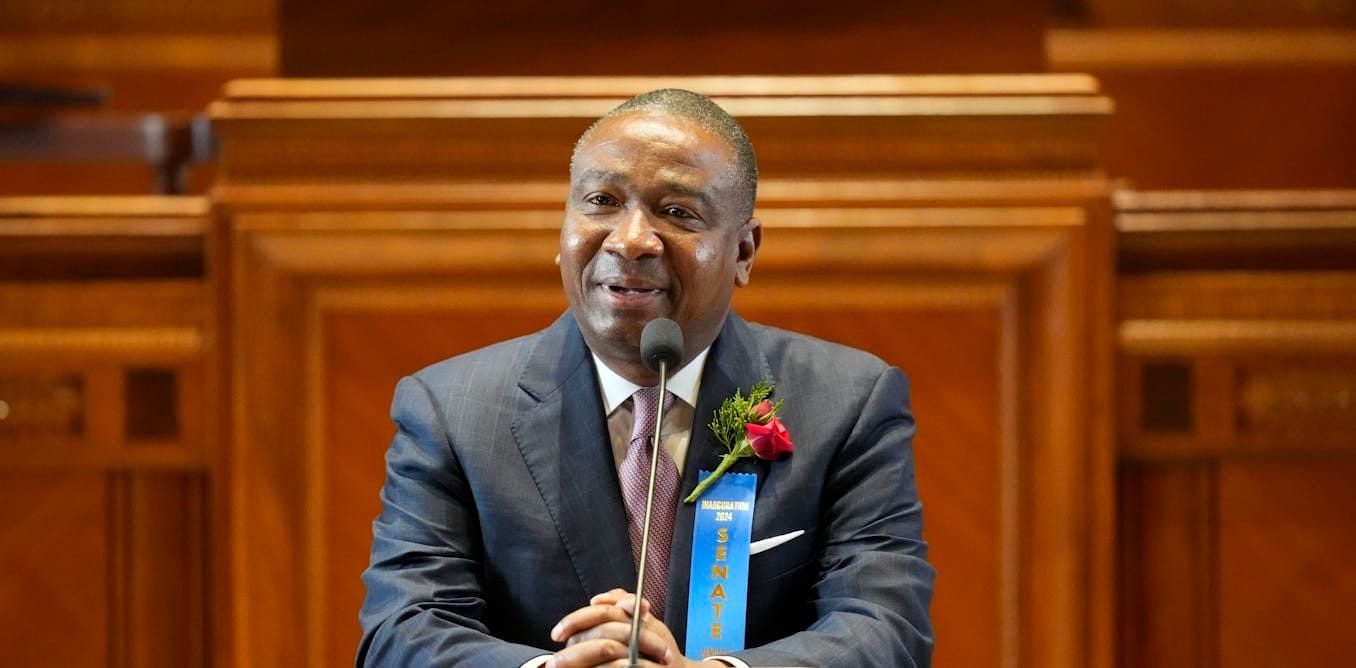
The Supreme Court is poised to issue a ruling that could significantly undermine Black political power, potentially reversing decades of progress. In the pivotal case of Louisiana v.
Callais, the court may invalidate Section 2 of the Voting Rights Act, which has long protected against discriminatory voting practices that dilute minority representation. Initiated by Louisiana citizens claiming their rights were violated, this ruling could enable states, particularly in the South, to redraw political district lines, further marginalizing Black voters.
This scenario evokes a historical irony, as the 14th Amendment—originally designed to secure civil rights for freed individuals—could be used to dismantle the very gains it aimed to protect. The implications are profound as the Court's decision, expected by June 2026, could reshape America's political landscape, echoing a troubling legacy of racial gerrymandering and spanning a century of civil rights struggles.
Welcome to Instagram, the vibrant social media platform where creativity and connection thrive! Whether you're logging in or signing up, you're stepping into a world of stunning photos, engaging videos, and a community that celebrates self-expression. From sharing your daily adventures to exploring incredible content from others around the globe, Instagram makes it easy to connect with friends and discover new passions.
With features like Instagram Lite and Meta Verified, the experience is tailored to you, ensuring smooth browsing and enhanced security. Plus, our diverse language support opens doors to a global audience.

This February, as we celebrate Black History Month, it's vital to shine a light on the mental health challenges faced by Black and African American individuals. Progress has been made, but barriers to quality mental health care persist due to historical trauma, systemic racism, and cultural stigmas.
Alarmingly, while Black individuals represent 13% of the U.S.
population, they account for 20% of those battling mental illness, yet only a third receive treatment. Culturally competent care is crucial, as it acknowledges the unique emotional needs shaped by culture and systemic issues.
GoodTherapy encourages you to explore these barriers and promote healing through understanding and representation. By connecting with culturally adept therapists, individuals can navigate their mental health struggles more effectively.
Celebrating the achievements of pioneers in Black mental health can foster a community of support and advocacy, paving the way for equitable care.