- BlackVoter.Org
- Posts
- BlackVoter.Org
BlackVoter.Org

BlackVoter.org
December 29, 2025


The article highlights a significant shift in Israel's influence within the United States, illustrating how changing demographics and perspectives are reshaping public opinion on the Palestinian issue. Historically, both major political parties in the U.
S. exhibited unwavering support for Israel, often at the expense of addressing Palestinian rights.
However, as religiosity declines and younger, more educated Americans recognize Palestinians as the indigenous people of their land, support for Israel is fading.
Growing grassroots movements and demographic changes have compelled some within the Democratic Party to confront longstanding injustices faced by Palestinians, leading to a tense political rift.
This shift, alongside a rise in anti-Zionist sentiment among Republicans and heightened awareness of human rights abuses, signifies a pivotal moment in U.S.
-Israel relations. While lobbying efforts have traditionally silenced dissent, a new, more open discourse is emerging, challenging the previously unassailable narrative of unwavering support for Israel.
This evolving landscape marks a critical juncture for Israel's standing in America.

/
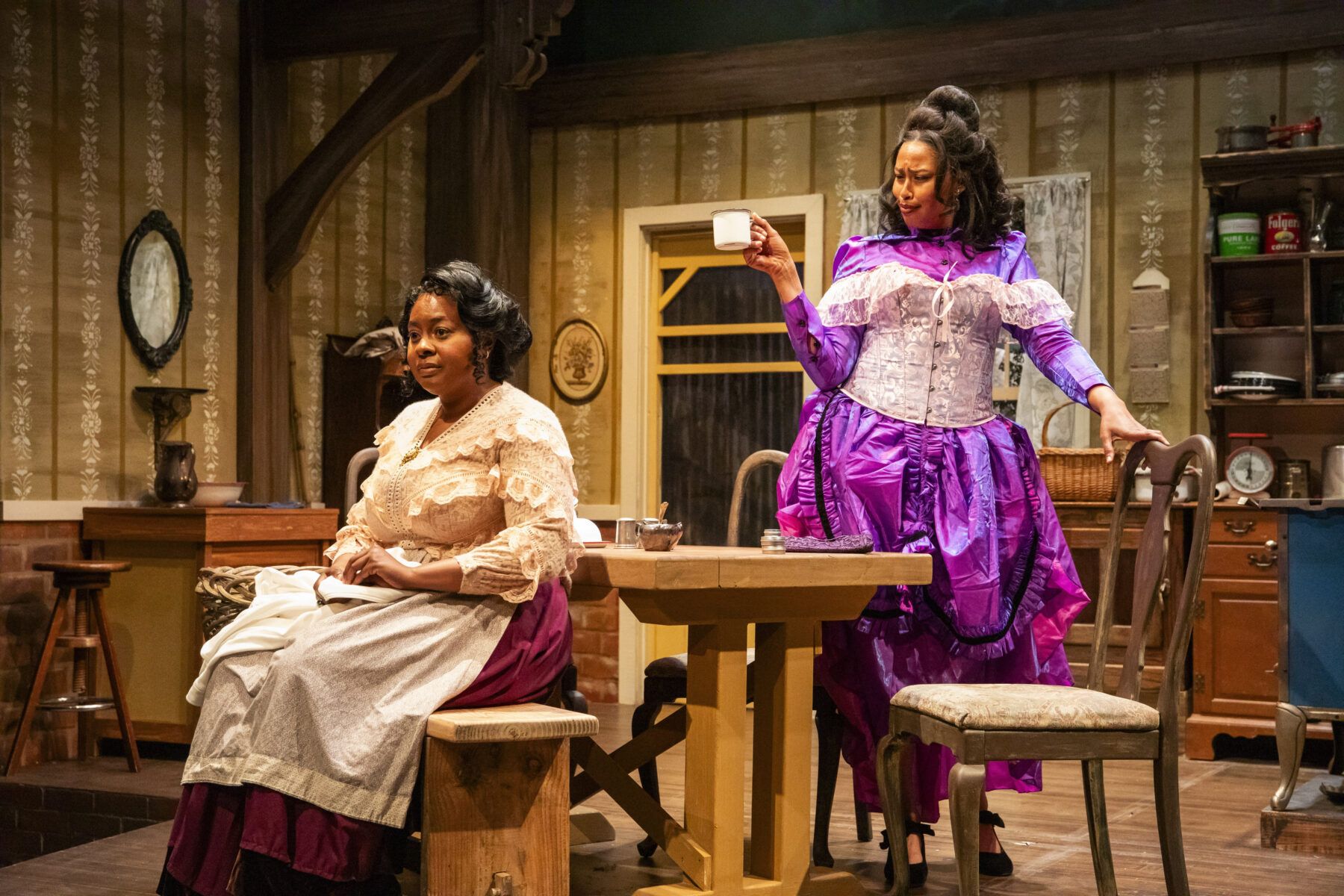
In 2025, the Trump Administration's aggressive assault on arts and culture made waves across Oregon and the nation, slashing funding for numerous arts organizations and federal agencies. Oregon ArtsWatch documented this upheaval, highlighting canceled grants like the abrupt $25,000 cut to Portland Playhouse's production of August Wilson’s Joe Turner’s Come and Gone just a day before its opening.
Executive orders issued by Trump targeted diversity, equity, and inclusion initiatives and mandated a sanitized portrayal of American history, threatening the integrity of cultural institutions. Despite the losses—over $590,000 in NEA and NEH funds reported by Oregon organizations—resilience emerged as communities rallied for emergency fundraising.
Artists and organizations began fighting back, with some even winning legal victories against unconstitutional funding restrictions. As the culture wars unfold, the looming 250th anniversary of America's founding casts a long shadow, promising further challenges for the arts in the years to come.
Oregon ArtsWatch will continue to spotlight this evolving narrative.

Ayo Edebiri, the star of "The Bear," recently took to social media to slam Elon Musk after a tweet from him sparked a barrage of online hate, including death threats and racial slurs directed at her. Musk, known for his controversial statements, shared a fake rumor that Edebiri was being considered as a replacement for Johnny Depp in a new "Pirates of the Caribbean" movie, captioning it with "Disney sucks.
" Edebiri responded on Instagram, saying the incident was one of the most insane attacks she had experienced, labeling Musk as an "idiot" and pointing to past gestures interpreted as Nazi salutes. The rumors have since been discredited, originating from an unverified insider rather than legitimate sources.
Edebiri's situation highlights the ongoing issues of online harassment, often fueled by divisive narratives around diversity in Hollywood, a topic Musk has been vocally critical of. This drama underscores the significant impact of celebrity influence in today’s media landscape.
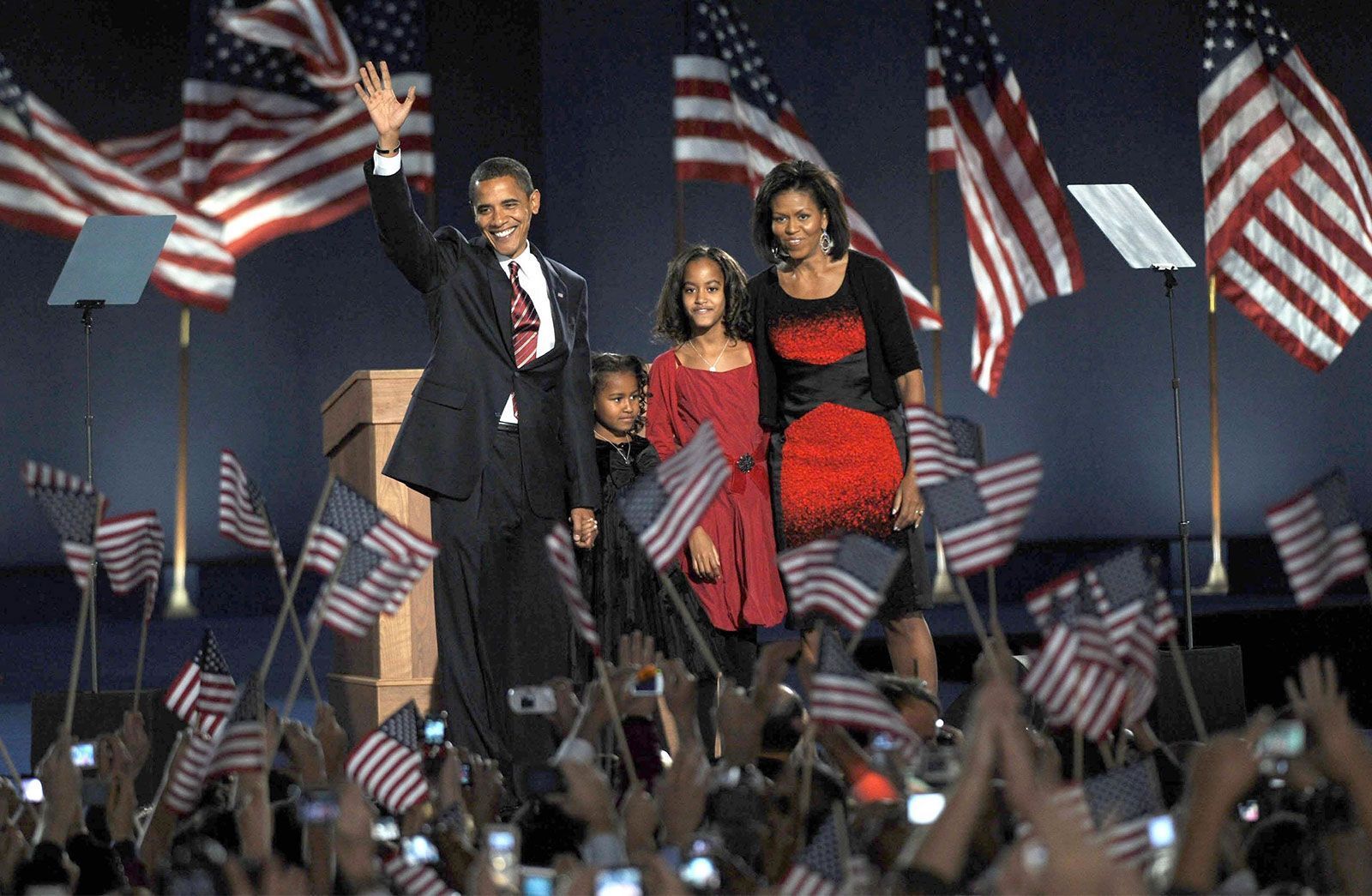
The Great Depression profoundly impacted African Americans, exacerbating already dire economic conditions. As the first to lose jobs, Black workers faced unemployment rates two to three times higher than their white counterparts.
Initially overlooked by public assistance programs, they often received less aid and were even excluded from some relief efforts. This hardship spurred a wave of political activism, leading to movements like "jobs for Negroes" and the establishment of influential organizations such as the National Negro Congress.
As African Americans shifted their support to the Democratic Party, Franklin D. Roosevelt’s New Deal reforms began benefiting them, albeit with persistent local discrimination.
Notable figures, including Mary McLeod Bethune, emerged as leaders within Roosevelt's "Black cabinet." Additionally, during World War II, structural changes began to break down barriers in employment and military service, setting the stage for further civil rights advancements.
Overall, this period marked a transformative chapter in African American history, laying groundwork for future socio-political change.

JD Vance, the Vice President, ignited controversy at Turning Point USA’s AmFest by praising Nicki Minaj’s comments on white grievance, claiming that white individuals “don’t have to apologize for being white anymore.” Minaj argued that empowering Black Americans inadvertently diminishes the self-worth of white children, a point Vance echoed to justify his perspective.
Political analyst Reecie Colbert fiercely criticized Vance and Minaj, stating that white men often seek oppression narratives while wielding significant power. She condemned Minaj for providing cover for white nationalists amid policies perceived as anti-Black from the Trump administration.
Colbert asserted that these comments distract from substantive issues affecting all Americans, particularly those struggling with economic pressures. This debate highlights the complex interplay of race, power, and societal narratives in contemporary politics, drawing sharp responses from various commentators.