- BlackVoter.Org
- Posts
- BlackVoter.Org
BlackVoter.Org

BlackVoter.org
January 02, 2026

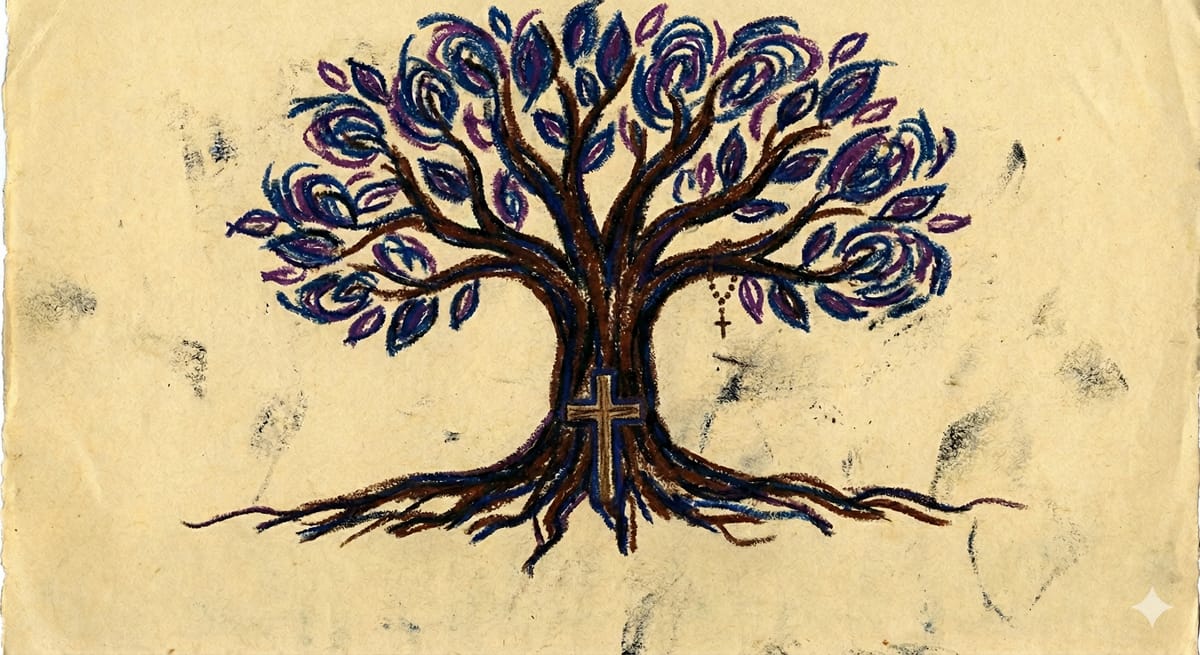
As we step into 2026, the call for solidarity between the Catholic Church and Black Americans has never been more urgent. In 2025, the Church's silence on critical racial issues—a year marked by economic hardship and systemic racism—underscored a troubling disconnection from the struggles of Black communities.
Many Catholic institutions, capitulating to political pressures, diluted their commitments to diversity, equity, and inclusion. Prominent voices within the Church, like Bishop Roy E.
Campbell Jr., were silenced, highlighting a failure to address the real threats to human dignity.
Moving forward, Black Catholics must unite to demand action from church leaders, encouraging meaningful dialogue and advocacy that aligns with Catholic social teaching. With new leadership at the helm, there lies an opportunity for the Church to transform its role into an ally for progress, moving beyond empty platitudes to promote justice for all.
Will 2026 be the year of change that Black Catholics have long awaited? Only time will tell.

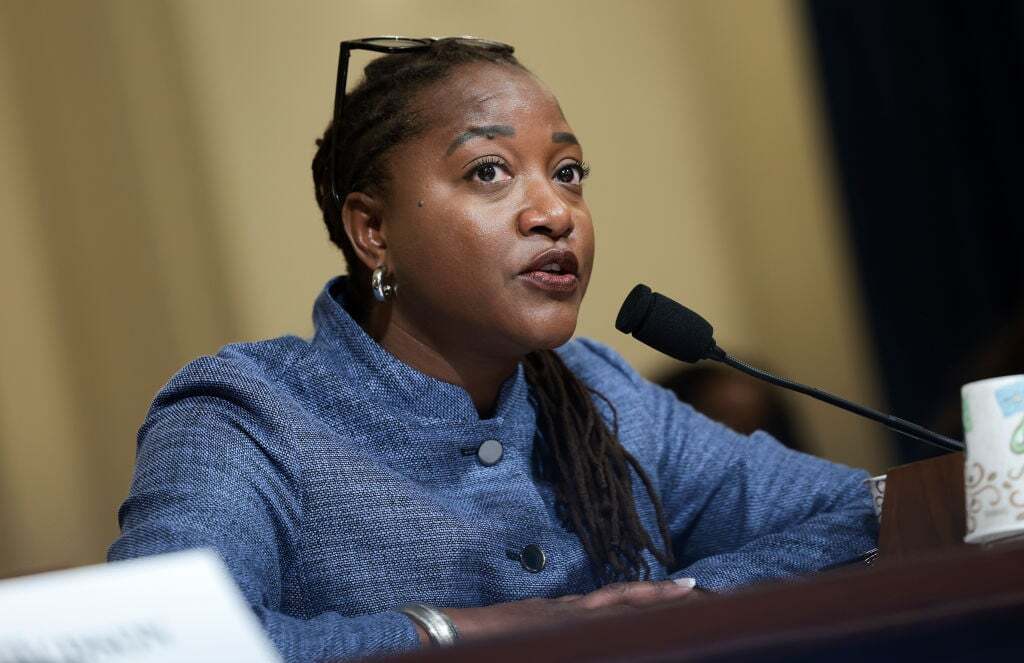
Meet Janai Nelson, a passionate civil rights attorney who recently made her debut at the Supreme Court, championing Black voting rights in the pivotal case of Louisiana v. Callais.
With a mission to uphold the Voting Rights Act of 1965, Nelson argued for the establishment of a second majority-Black congressional district in Louisiana, pointing to a long history of racial discrimination. Her extensive background includes leading voting rights initiatives at the NAACP Legal Defense Fund and co-authoring influential research on election law and race.
As she stood before the nine justices, Nelson underscored the critical nature of her case, asserting it’s about preserving democracy for all Americans, not just a specific group. While the ruling won’t come until summer 2026, Nelson remains optimistic for a decision that will safeguard voter rights and uphold the foundational principles of equality and freedom.
This battle represents not just a legal challenge, but a fight for justice in America.
Alden J. McDonald Jr.
and his son, Todd, are on a mission to fulfill Martin Luther King Jr.'s dream of economic empowerment through Black-owned institutions.
Leading Liberty Bank, America’s largest Black-owned bank, they emphasize the importance of supporting these institutions to boost Black homeownership and business development. Dr.
King famously advocated for a “bank-in movement” to redirect funds towards Black banks, a vision that resonates strongly today amid ongoing economic challenges. With aspirations to double Liberty’s deposits from one to two billion dollars, the McDonalds aim to attract more community support and expand geographically.
They stress that banking is about community commitment and evolving with technology, especially as younger generations gravitate towards fintech. Their dream? To foster unity in the Black community, encouraging individuals to choose Black banks, thereby creating a ripple effect that enhances local economies and combats predatory lending practices.
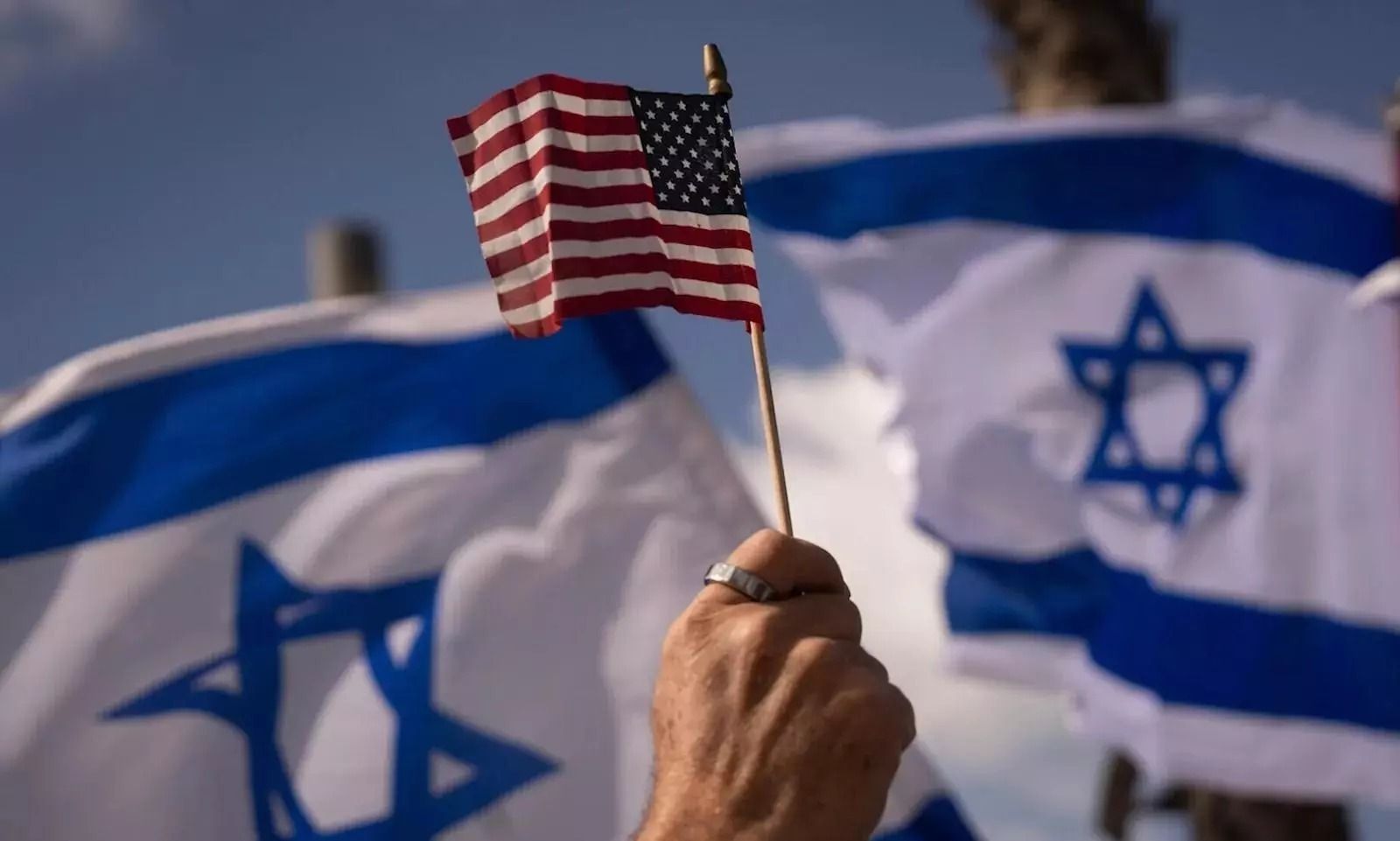
The article explores the diminishing influence of Israel in the United States, highlighting a significant shift in public opinion rooted in a growing recognition of Palestinian rights. As religiosity declines and younger, more educated Americans embrace progressive values, sympathy for Palestinians has surged, particularly among those under 30.
Historically, both major parties in the U.S.
have shown unwavering support for Israel, but recent grassroots activism, including voices from the Black Lives Matter movement, illustrates a growing fissure within the Democratic Party. This tension culminated in the 2024 elections, where the party struggled to balance traditional Zionist support and a new demand for justice for Palestinians.
As anti-Arab rhetoric grows within the Republican Party, even voices on the right are starting to question U.S.
financial ties with Israel. The evolving narrative underscores a pivotal moment in U.
S.-Israel relations, signifying a deeper examination of American foreign policy and human rights.
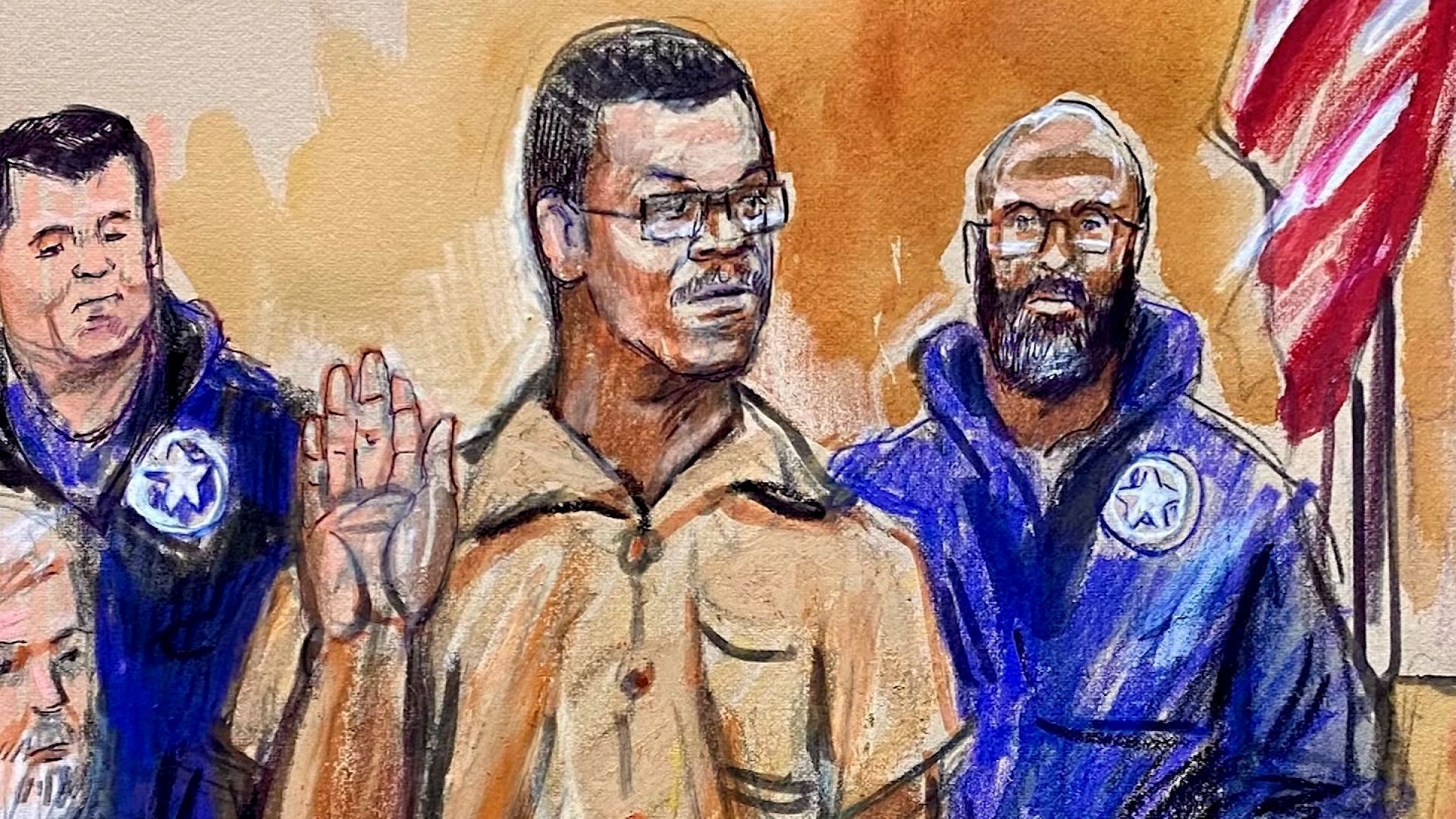
Brian Cole Jr., the man accused of planting pipe bombs outside the Democratic and Republican National Committee headquarters on January 5, 2021, will remain in jail as he awaits trial.
A federal judge determined that his release could pose a danger to the public, citing his rapid assembly of the explosives just hours before the incident. Prosecutors expressed concerns over Cole’s potential risk, especially after he allegedly deleted evidence and continued to acquire bomb-making materials post-incident.
While Cole’s defense argued he should be placed under his grandmother’s custody due to diagnoses of autism spectrum disorder and obsessive-compulsive disorder, the judge remained unconvinced of his non-threatening nature. The case is complex, compounded by an ongoing grand jury indictment.
With no trial date set, the legal proceedings surrounding Cole are poised to unfold further in the spotlight.
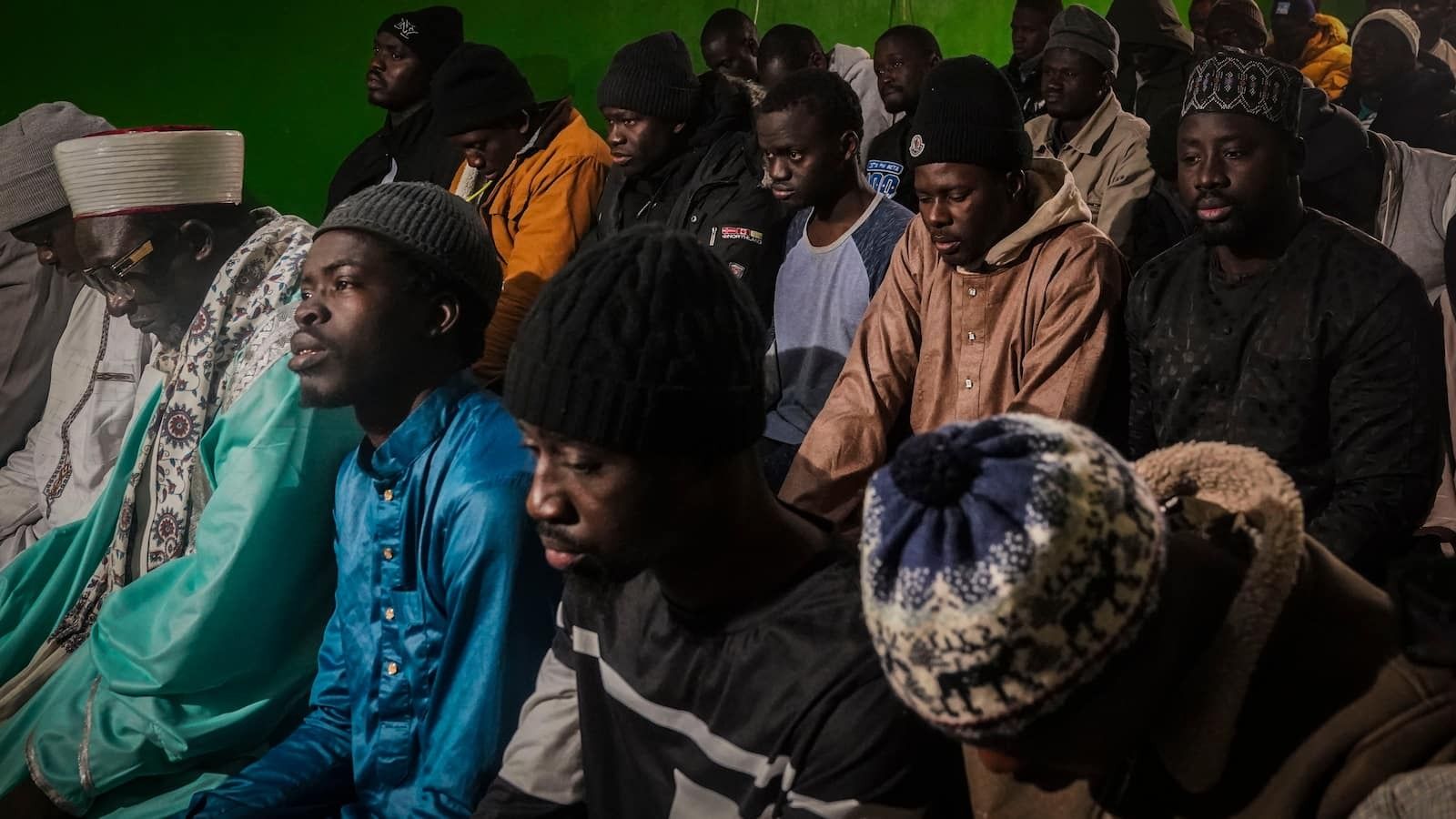
In a transformative wave for New York City, Muslims and immigrants played a pivotal role in Zohran Mamdani’s mayoral election win, marking a significant shift in the city's political landscape. As vibrant communities rally at local mosques, like the Bronx Muslim Center, the demographic influence of these groups becomes increasingly evident.
Imam Omar Niass, leading prayers for Senegalese migrants, encapsulates the strong sense of community and unity that underpins this movement. The election heralds a new era for New York, illustrating how the diverse voices and aspirations of its Muslim population are not just shaping local governance but also enhancing the rich, multicultural tapestry of the city.
Mamdani's victory signals an empowering moment where these voices, previously underrepresented, are ready to wield their political clout and reshape the future of New York.

The article delves into the profound yet often overlooked impact of the Black Press on American history. Since the launch of Freedom’s Journal in 1827, Black newspapers have courageously challenged systemic racism and amplified marginalized voices in a landscape often dominated by mainstream narratives.
From Ida B. Wells’ anti-lynching investigations to the Chicago Defender’s coverage of Emmett Till’s murder, these outlets have played a pivotal role in documenting critical events that shaped racial discourse.
By highlighting landmark stories like the Tulsa Race Massacre and the Scottsboro Boys case, the article illustrates how the Black Press not only preserved historical truths but also mobilized communities for justice. Today, as it continues to address issues like police violence and voter suppression, the legacy of the Black Press reminds us of the vital role journalism plays in ensuring every voice is heard and every story is told.
Without it, countless significant moments in history could have remained hidden.