- BlackVoter.Org
- Posts
- BlackVoter.Org
BlackVoter.Org

BlackVoter.org
January 22, 2026

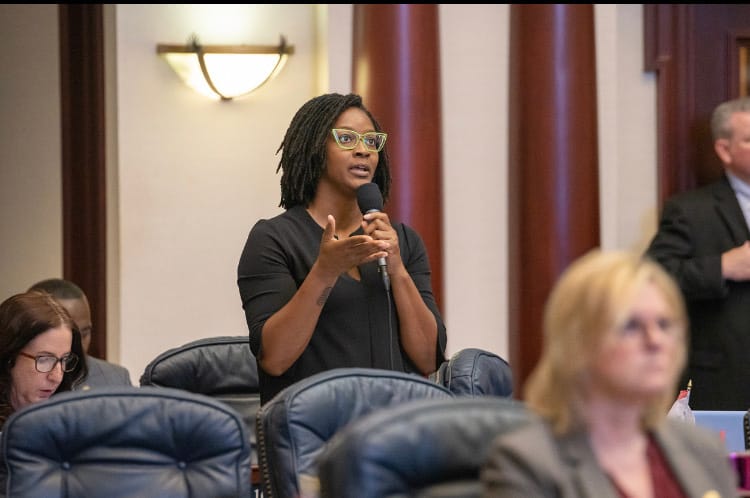
In a bold move, state Rep. Angie Nixon has announced her candidacy for the U.
S. Senate, stirring excitement ahead of the 2026 elections.
With a strong history of victories in the Democratic primaries, Nixon aims to challenge incumbent Sen. Ashley Moody, despite the formidable obstacles posed by Florida's Republican stronghold and Moody’s substantial campaign war chest.
During her recent statewide listening tour, Nixon has heard from voters across party lines expressing frustration over rising costs and what they perceive as a disconnect from established politicians like Moody. Accusing her opponent of prioritizing culture wars over constituents' needs, Nixon is set to shake things up in this competitive race.
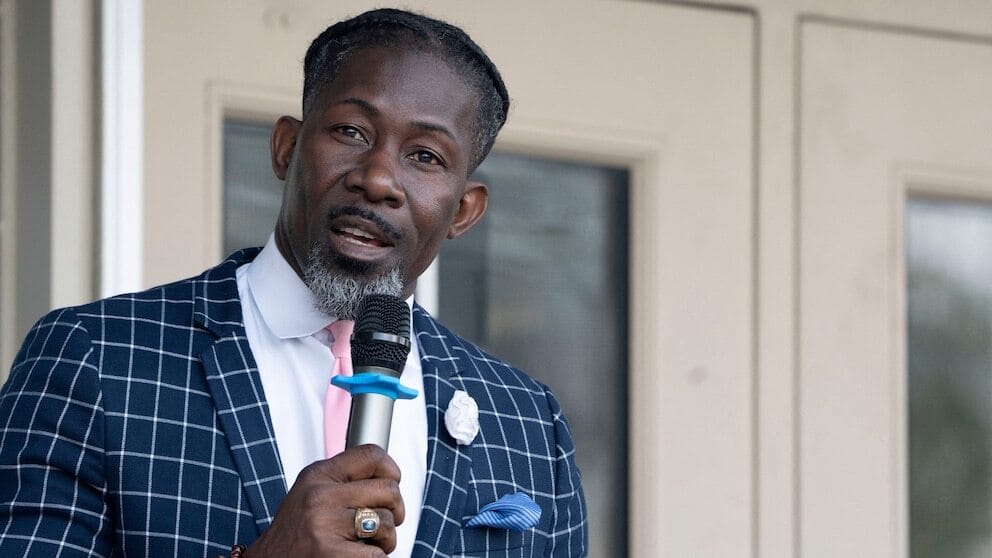
The saga of Ian Roberts, former superintendent of Des Moines Public Schools, took a dramatic turn when he was arrested by ICE in September 2025. Accused of being an undocumented alien and illegally possessing firearms, Roberts' case has unraveled a complex web of legal troubles and questionable credentials.
First entering the U.S.
on a tourist visa in 1994, his troubled history includes multiple drug charges and unsuccessful attempts at gaining residency. After being appointed superintendent in July 2023, Roberts faced scrutiny over alleged misrepresentations regarding his educational qualifications.
Following his arrest, he resigned amid mounting pressures from both the Des Moines School Board and lawsuits from previous employers claiming deceit during the hiring process. As federal charges loom, and investigations into his hiring deepen, Roberts' story ignites discussions about oversight in educational leadership, leaving community members stunned by this unexpected fall from grace.

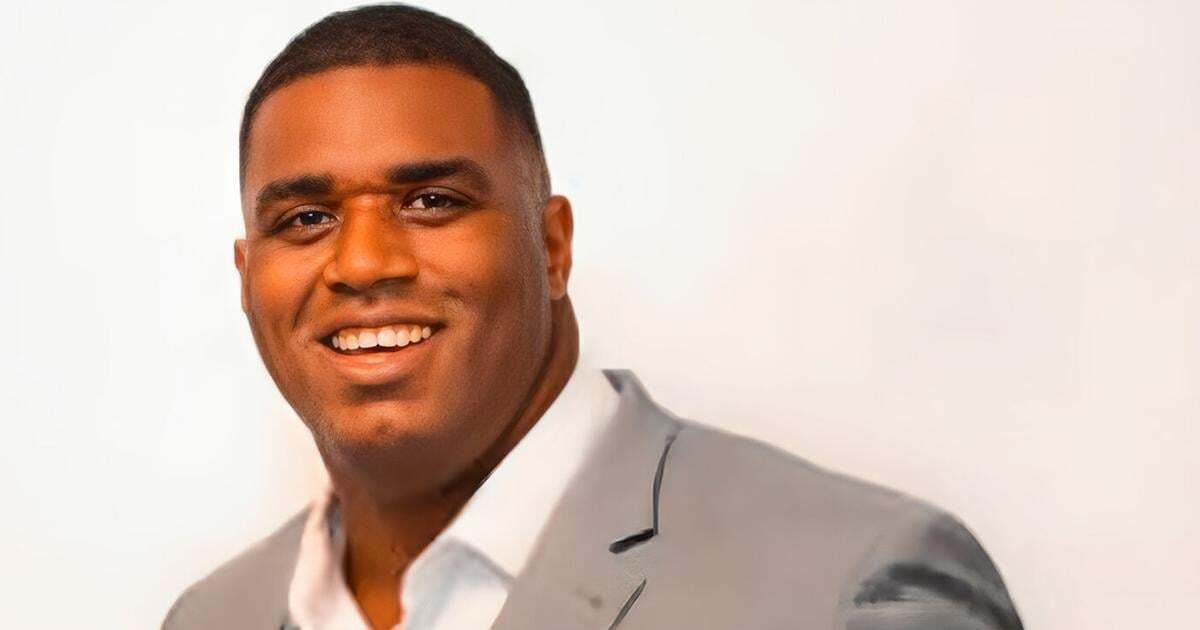
In a striking turn of events at Harvard University, Gregory Davis, a Black resident dean and scholar of African American studies, was abruptly removed from his position amid a political landscape shaped by Donald Trump’s renewed assault on equity initiatives. This action follows the resurfacing of social media posts Davis made during the 2020 protests against racial violence, which criticized policing and Trump himself.
Despite his subsequent regret and clarification that those views no longer reflect his current stance, Harvard acted swiftly to terminate him, coinciding with Trump's executive orders targeting diversity and inclusion programs across various sectors. Civil rights groups warn that such actions contribute to a chilling environment for Black voices, perpetuating a cycle of institutional bias.
Davis's removal marks a poignant moment in the broader conversation around race and equity in America, illustrating the intersections of politics, academia, and systemic discrimination.
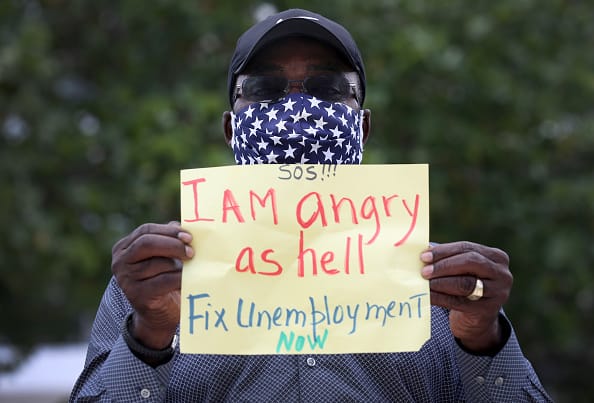
A year into President Trump's chaotic second term, a troubling report highlights the deepening economic struggles faced by Black Americans. According to the Joint Center for Political and Economic Studies, Black unemployment has surged to alarming rates—7.
5% overall and more than 18% among Black youth, significantly worse than the national average. This decline is attributed to drastic policy shifts, including the impact of the Department of Government Efficiency, which led to the loss of over 271,000 federal jobs where Black workers are heavily represented.
The report warns that Trump's economic agenda not only exacerbates inequality but also dismantles vital support systems for Black households. As economic regression appears imminent, the call for organized resistance and strategic action echoes the dreams of civil rights leaders like Martin Luther King Jr.
The report emphasizes that while challenges loom large, the pursuit of justice and equality remains possible through united advocacy.
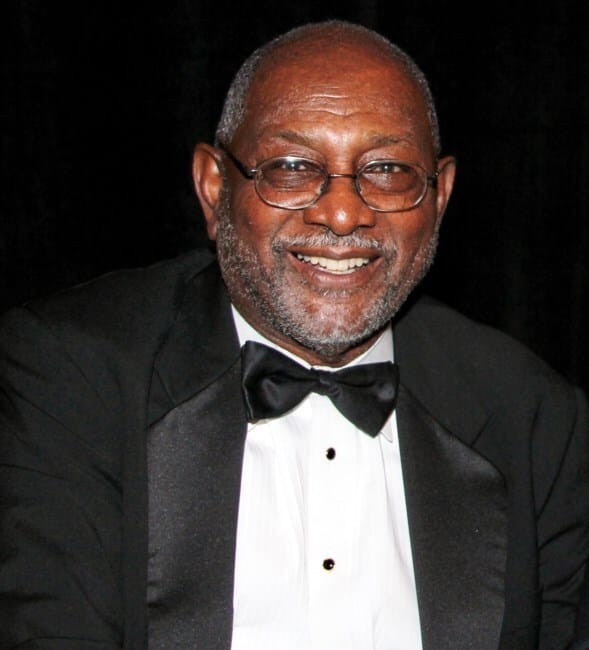
Tommie Lee Wyatt, a beloved figure in East Austin and the publisher of The Villager, passed away on January 10 at the age of 88 after a prolonged illness. Wyatt dedicated over 50 years to journalism, transforming The Villager into a vital source of news and positivity for Austin's African American community since its inception in 1973.
Initially launching the Black Registry to promote minority-owned businesses, Wyatt’s work nurtured civic engagement and cultural pride in East Austin. Celebrated for his advocacy, Wyatt empowered countless voices and supported local businesses, believing fiercely in community storytelling.
As technology evolved, he remained devoted to print journalism, seeing it as a way to preserve community history and accessibility. Tributes poured in after his death, highlighting Wyatt as a pillar of support and encouragement for many.
His legacy of resilience and commitment lives on in the hearts of those he uplifted through his work and contributions.
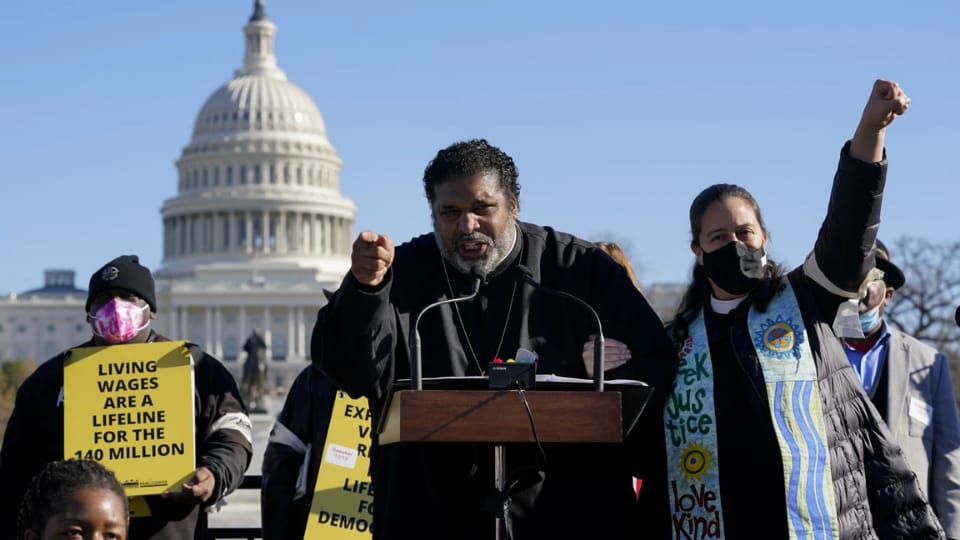
At the AFL-CIO’s MLK commemoration in Baltimore, a powerful discussion unfolded on how African Americans can bridge the gap between labor and religious groups, sparked by their rich history of activism and faith. Panelists, including prominent religious leaders and scholars, highlighted the vital role that faith can play in advocating for workers' rights and dignity.
They drew parallels to the legacy of Martin Luther King Jr., who intertwined civil rights and economic justice.
While progressive movements are gaining traction, the challenge remains deep-rooted in the influence of conservative religious groups that oppose labor rights. Yet, hope shines through younger generations eager for collaborative action that transforms faith into activism.
With figures like Rev. William Barber leading the charge, the potential for uniting these movements to combat social and economic injustice is palpable.
The dialogue urges faith communities to foster mutual understanding, emphasizing that collective action is essential for real change in today’s world.
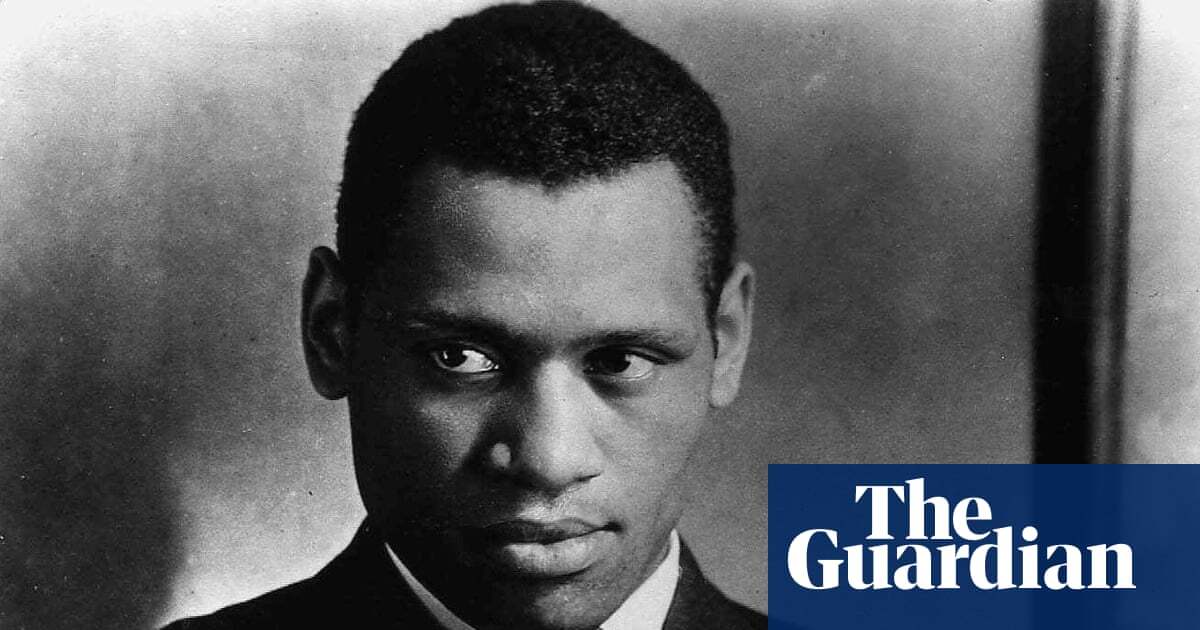
In "The Most Dangerous Man in America," Howard Bryant delves into the life of Paul Robeson, a towering figure in American history whose legacy was marred by political persecution. Once celebrated as a groundbreaking singer, actor, and athlete, Robeson became a target during the McCarthy era for his political beliefs and refusal to denounce the Soviet Union.
Despite his monumental achievements—like being the first Black man to play Othello on Broadway and excelling in sports—Robeson faced ostracism, enduring state-sanctioned isolation and erasure from cultural narratives. His story resonates deeply today amid rising political tensions and questions of loyalty among marginalized communities.
As Robeson remains a symbolic figure of suppressed dissent, the article argues that history has withheld due recognition, calling for a long-overdue reevaluation of his contributions to American culture and civil rights. Fifty years after his death, Robeson’s legacy, shrouded in silence, still yearns for the acknowledgment it deserves.
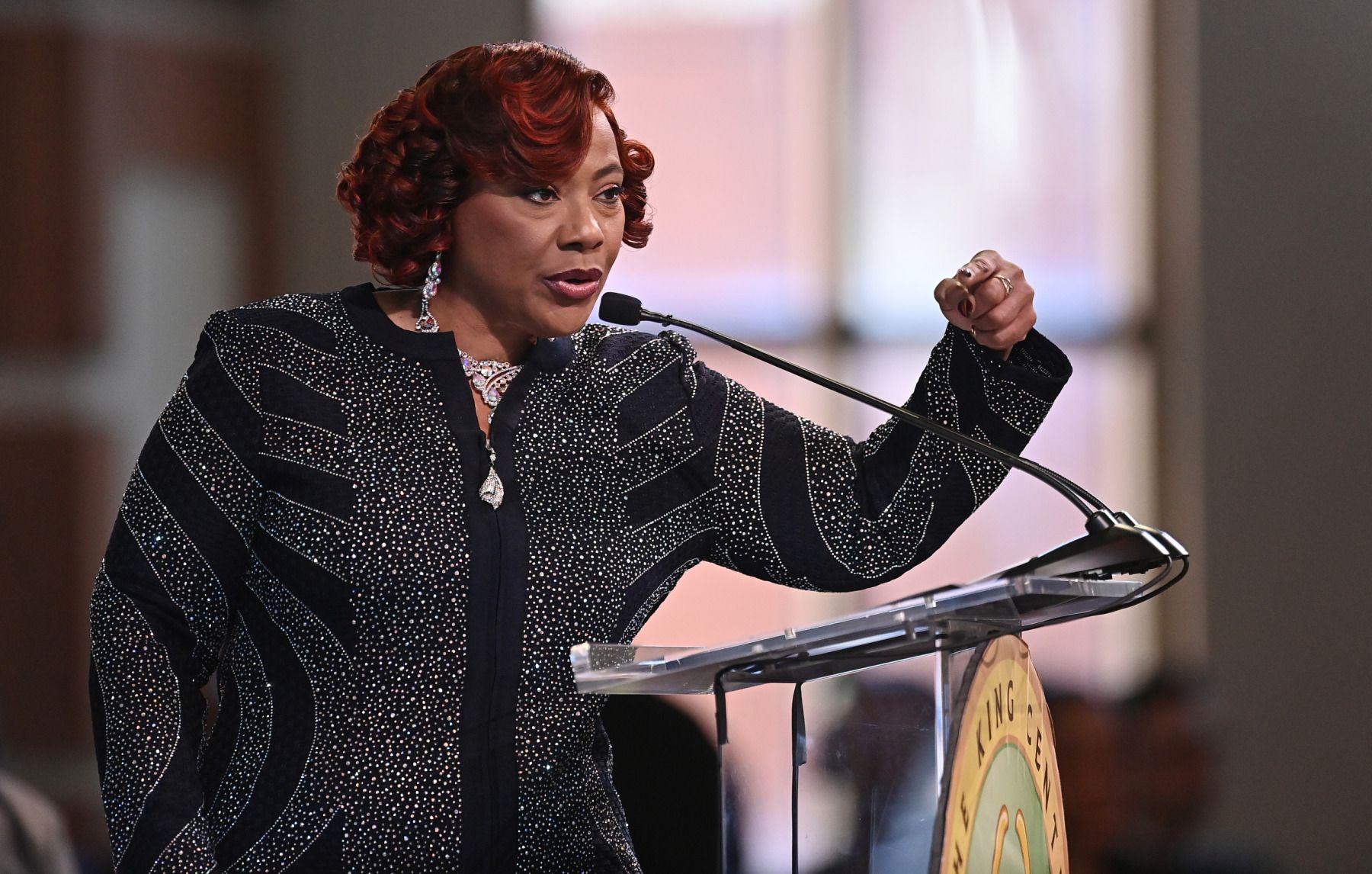
This week’s "The State of US" dives into pressing issues surrounding morality and leadership within the Black community, featuring poignant remarks from Dr. Bernice A.
King. During a Martin Luther King Jr.
Day service, she characterized America as facing a moral crisis and urged a return to justice and nonviolence, while criticizing Trump-era policies as threats to equality. Meanwhile, tensions flared as CNN's Don Lemon faced backlash from Nicki Minaj over his reporting of protests, highlighting the complex interplay of media and protest.
In political developments, Kenyan McDuffie announced his candidacy for D.C.
mayor, aiming to tackle economic inequality, while Morris Brown College saw a dramatic leadership reversal with Dr. Kevin E.
James's reinstatement. Georgia also joined a federal school voucher program, sparking debate on educational equity.
This week underscores both the challenges and transformations within Black leadership and institutions.