- BlackVoter.Org
- Posts
- BlackVoter.Org
BlackVoter.Org

BlackVoter.org
March 05, 2026

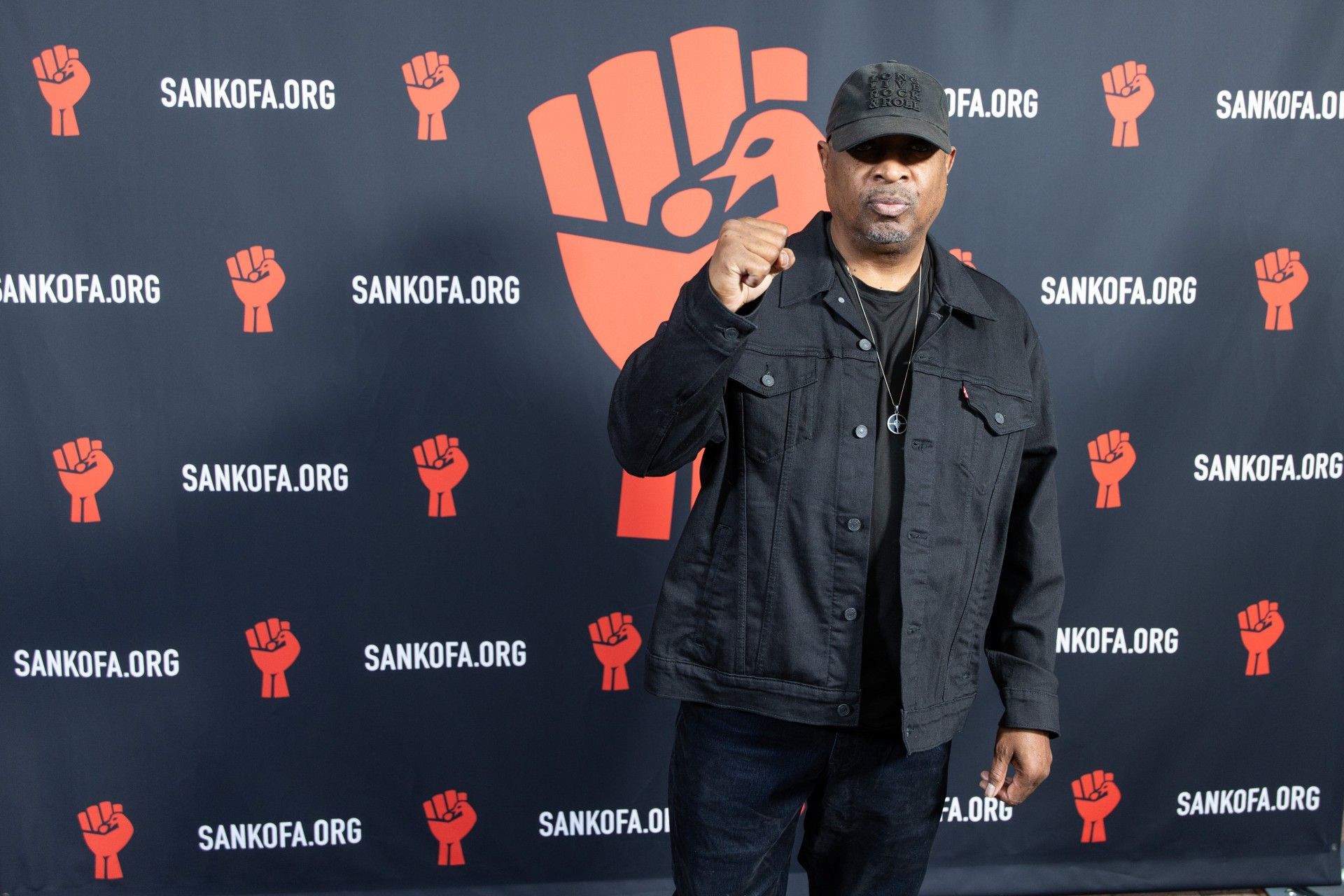
The inaugural Sankofa.org Social Justice Awards, held at Chaplin Studios in Los Angeles, honored legendary activists Chuck D and Danny Glover, among others, on what would have been Harry Belafonte's 99th birthday.
This heartfelt event celebrated Belafonte's enduring legacy and the impact of contemporary leaders dedicated to social justice. Co-founder Gina Belafonte emphasized the importance of artists as "gatekeepers of truth," inspiring guests to unite against injustice.
The night featured moving performances, including a collaboration between Aloe Blacc and the Fernando Pullum Children’s Choir, and crucial tributes to icons like Dolores Huerta. Recognizing change-makers across various fields, the event aimed to galvanize support for Sankofa.
org's mission to dismantle systemic violence and promote restorative justice. With a powerful gathering of artists and activists, the awards set a tone of solidarity, reminding everyone of their role in shaping a brighter future together.
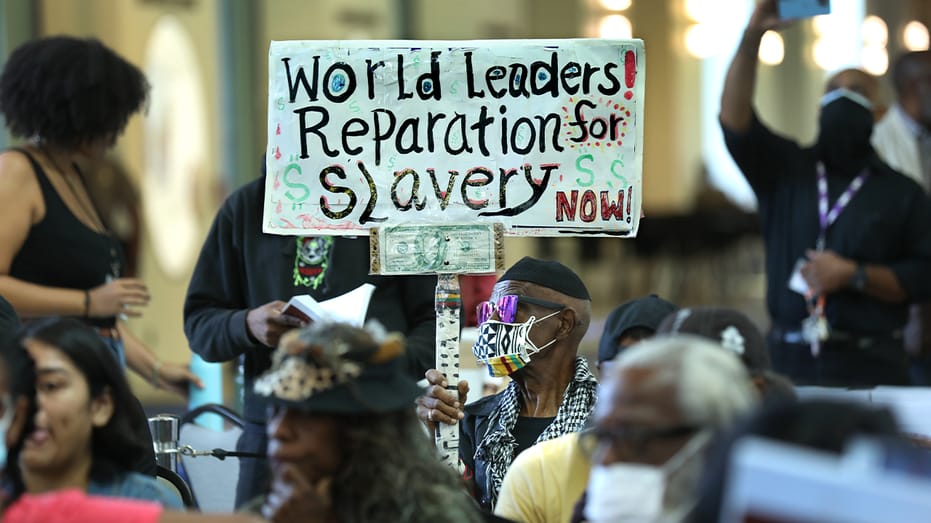
As the race for California's gubernatorial election heats up, a clear advocate for cash payment reparations among Democratic candidates remains elusive. At a recent forum, Superintendent of Public Instruction Tony Thurmond was the only candidate to mention reparations, proposing loan support for Black residents rather than cash payments—his approach endorsed by fellow candidate Barbara Lee.
Governor Gavin Newsom has already dismissed cash reparations, opting instead to explore funding for research into the descendants of enslaved individuals. Other candidates, including Antonio Villaraigosa and Katie Porter, have avoided making definitive statements about reparations, focusing instead on representation and systemic reforms.
Civil rights attorney Lisa Holder highlights the complexity of addressing historical injustices, emphasizing that legislative changes across multiple sectors are crucial for genuine repair. With the election approaching, the future of reparations in California hangs in the balance, leaving many advocates and voters eager for a definitive stance.
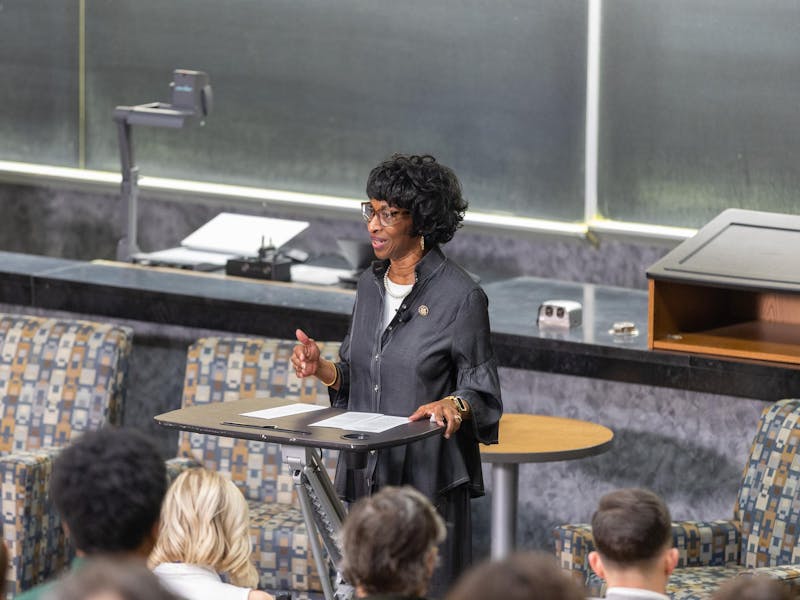
In a closely contested Democratic primary for North Carolina's 4th Congressional District, Nida Allam has officially conceded defeat to incumbent Rep. Valerie Foushee.
With the race too tight to officially call, Foushee edged out Allam by just one point—49.2% to 48.
2%. Despite the razor-thin margin and the potential for a recount, Allam has decided not to pursue further action.
This fierce battle highlighted significant funding disparities, with Foushee benefiting from robust support in the final weeks. The primary was notable for its intense focus on progressive versus establishment values, with Allam positioning herself as a leftist challenger, backed by national figures like Bernie Sanders.
Foushee, a historic figure as the first African-American woman to represent her district, is now poised for a likely victory in the upcoming general election against Republican Mahesh Ganorkar and Libertarian Guy Meilleur.
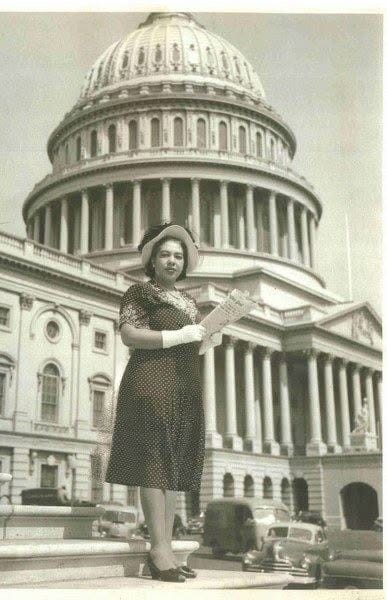
Celebrate Women’s History Month with First Lady Britainy Beshear: Inspiring Stories and Empowerment!
In celebration of #WomensHistoryMonth, First Lady Britainy Beshear reflects on the incredible achievements and contributions of women throughout history. She highlights inspiring stories of strong, determined women who have paved the way for future generations, and shares her own personal journey, acknowledging the challenges and triumphs faced along the way.
By emphasizing the importance of supporting one another and advocating for equality, Britainy encourages everyone to join in honoring the remarkable impact women have made in various fields. As she champions the next generation of female leaders and visionaries, she invites the community to actively participate in recognizing and uplifting women's voices.
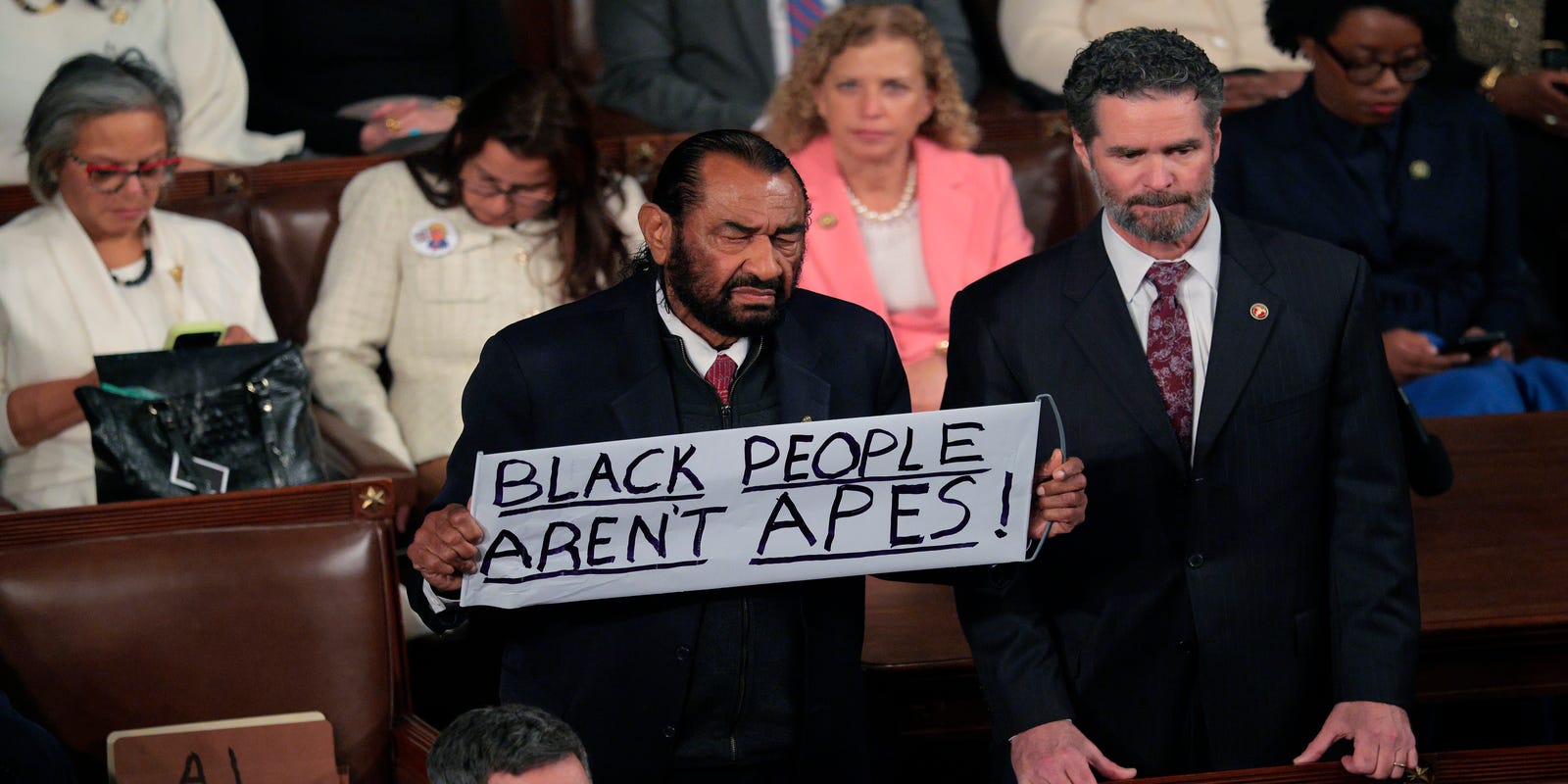
In a scathing op-ed, James E. Causey highlights Rep.
Al Green’s courageous stand against racism, spotlighting a controversial video shared by President Trump that depicted Barack and Michelle Obama as apes. While many would see such an outrageous act as a pivotal moment in a presidency, for Trump, it was just another day.
Green's bold protest in Congress—holding a sign that read, “Black people aren’t apes”—was swiftly met with dismissal by fellow lawmakers, pointing to the troubling normalization of racist rhetoric in politics. Obama later condemned the incident as emblematic of the erosion of decorum in public discourse.
Causey emphasizes the urgent need for Americans to reject such toxicity and hold their leaders accountable. As political division deepens, it’s vital that citizens raise their voices against injustice, ensuring that the values we uphold reflect a more respectful and unified society.
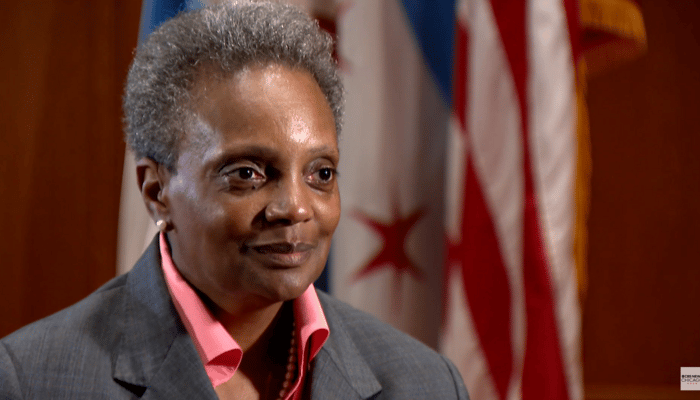
DePaul University has stirred controversy by launching its new Institute for Journalism and Racial Justice, in collaboration with former Chicago Mayor Lori Lightfoot. The initiative aims to advocate for "racial justice" in media and counter federal immigration enforcement through a lens of activism rather than traditional journalism.
Despite the institution's Catholic roots and a substantial $1.15 billion endowment, critics are questioning the alignment with Lightfoot, whose time in office was marred by rising crime rates and a perceived softness towards crime.
This partnership also includes connections with the liberal nonprofit Public Narrative, drawing significant funding from left-leaning sources. Detractors argue that this move reflects a disturbing shift towards using educational resources for radical indoctrination instead of fostering unbiased journalism.
As DePaul navigates its new endeavor, the implications for student journalists and the integrity of their reporting remain hotly debated.
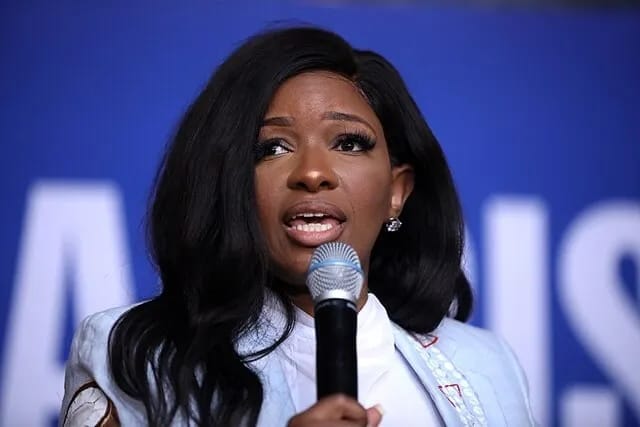
Jasmine Crockett, a formidable presence in politics, is reshaping the narrative around Black political power in America—much to the dismay of many in the white power structure. Known for her unyielding stance against oppression, Crockett boldly declared, "I’m not here to make friends; I’m here to make change," upon entering Congress.
Her candidacy for the U.S.
Senate ignited a wave of pushback from both Republicans and hesitant Democrats, revealing a troubling trend of undermining Black candidates' potential. Despite her strong name recognition and favorable polling against her opponents, systemic obstacles—like sudden voting rule changes in Texas—hampered her campaign.
As mainstream Democrats rallied behind a less known opponent, Crockett's experience and tenacity were overshadowed. However, her story is just beginning, and it’s a powerful reminder of the fight for visibility and respect within the political arena.
Jasmine's journey may incite real change as she continues to challenge the status quo.