- BlackVoter.Org
- Posts
- BlackVoter.Org
BlackVoter.Org

BlackVoter.org
March 18, 2026

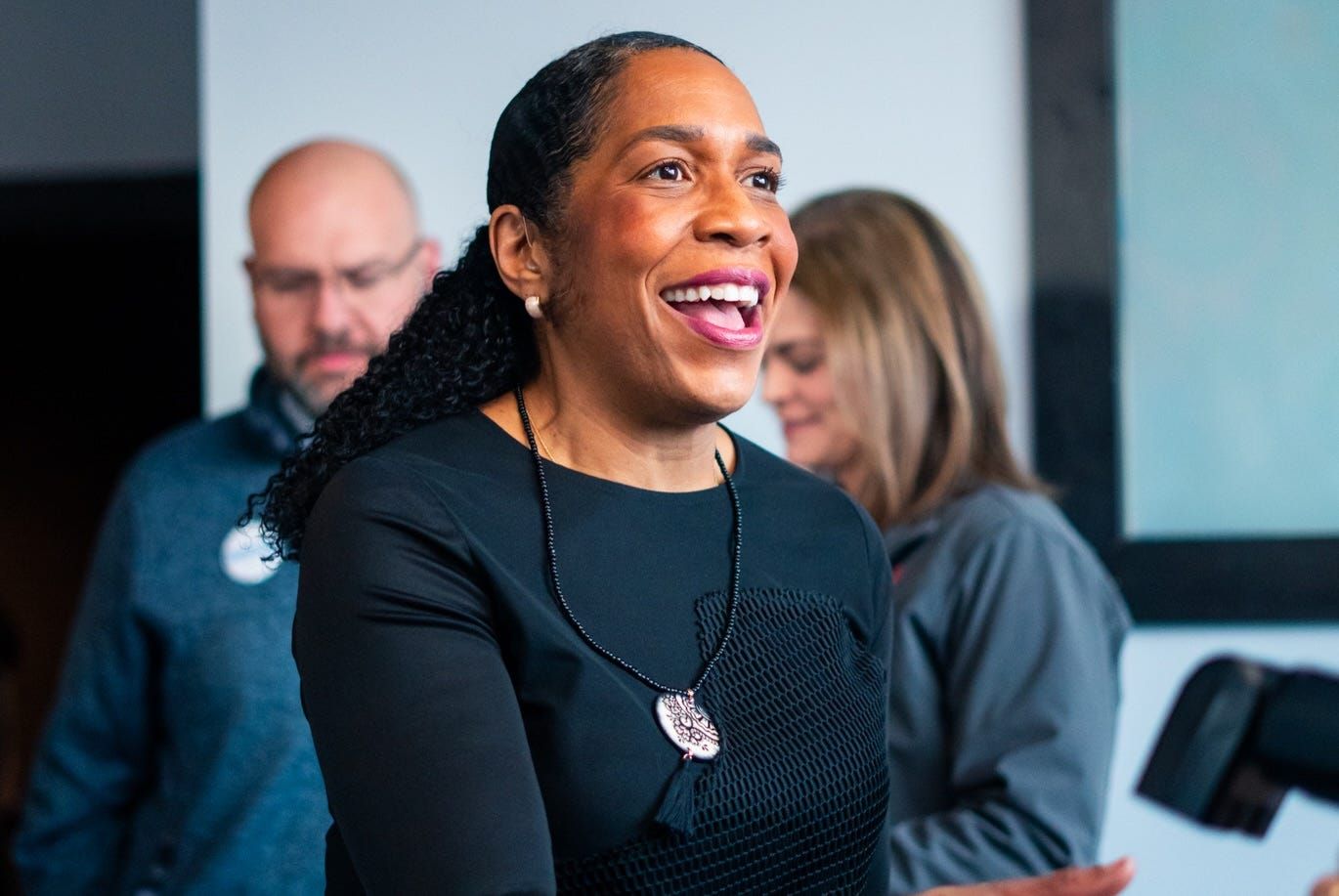
In a dramatic twist, Illinois Lt. Gov.
Juliana Stratton pulled off an impressive come-from-behind victory in the Democratic primary for U.S.
Senate, narrowly defeating Rep. Raja Krishnamoorthi with 40% to 33%.
With nearly all votes counted, Stratton is poised to become Illinois' second Black woman senator, following the historic Carol Moseley Braun. Supported by prominent politicians like Gov.
JB Pritzker, Stratton overcame a significant funding disadvantage, gaining momentum as voters learned more about her. The race featured intense rivalries, including negative campaigning as both candidates accused each other of ties to controversial donations.
Stratton's win sets the stage for a promising general election, highlighting a growing representation of Black women in the Senate, with three potentially serving simultaneously after the 2024 elections. Her triumph signals a pivotal moment for both Illinois and the broader national conversation on diversity and representation in politics.
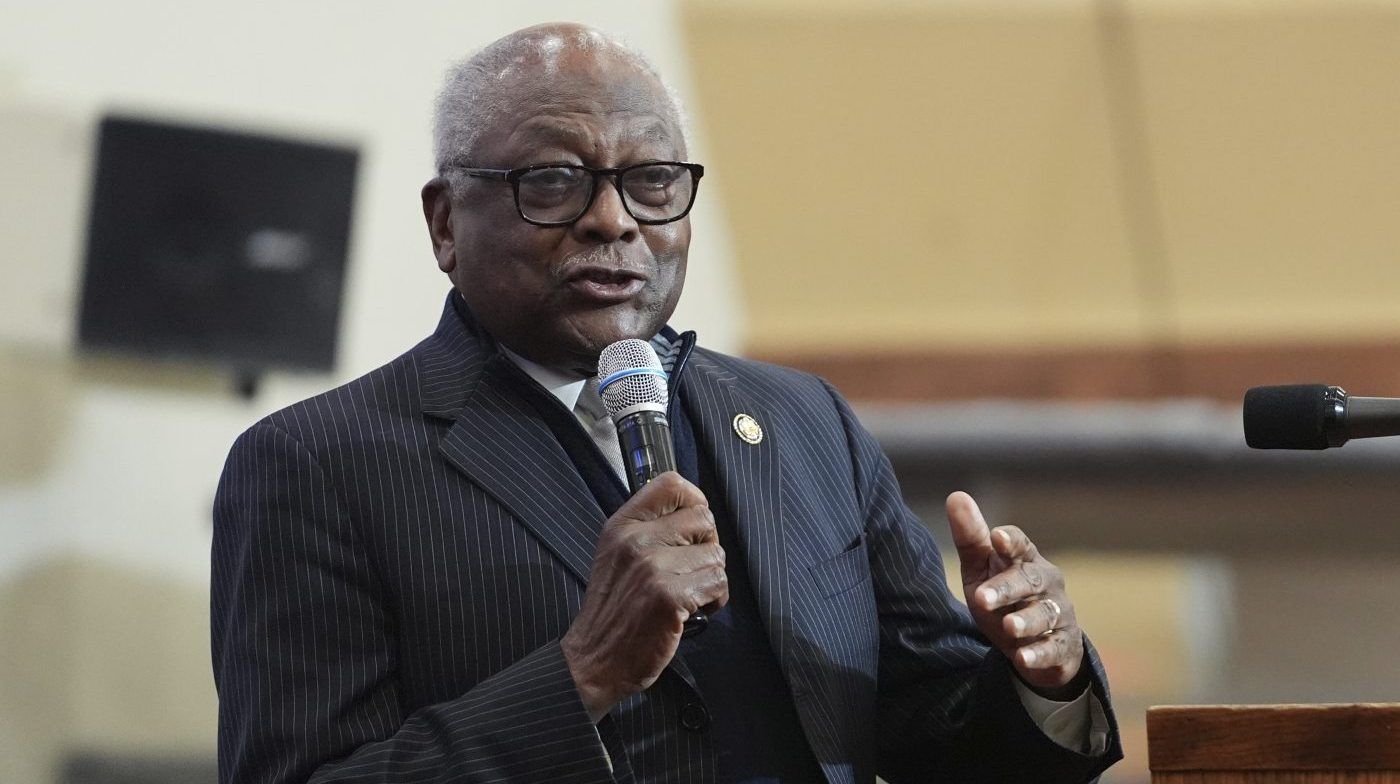
Rep. James Clyburn is raising alarms about the SAVE America Act, characterizing it as a regressive measure reminiscent of Jim Crow laws aimed at voter suppression.
Speaking to CNN, the veteran South Carolina Democrat asserted that this GOP-backed legislation, which mandates proof of citizenship and ID to vote, threatens to drastically reduce African American representation in Congress. He emphasized the urgency of defending democracy against such restrictive policies, echoing concerns from Senate Minority Leader Chuck Schumer, who labeled the Act “Jim Crow 2.
0.” As the bill faced a rocky path in the Senate, with Trump’s allies pushing for its passage, Clyburn and his fellow Democrats are committed to opposing this controversial legislation, viewing it as an attack on voting rights at a critical moment for American democracy.
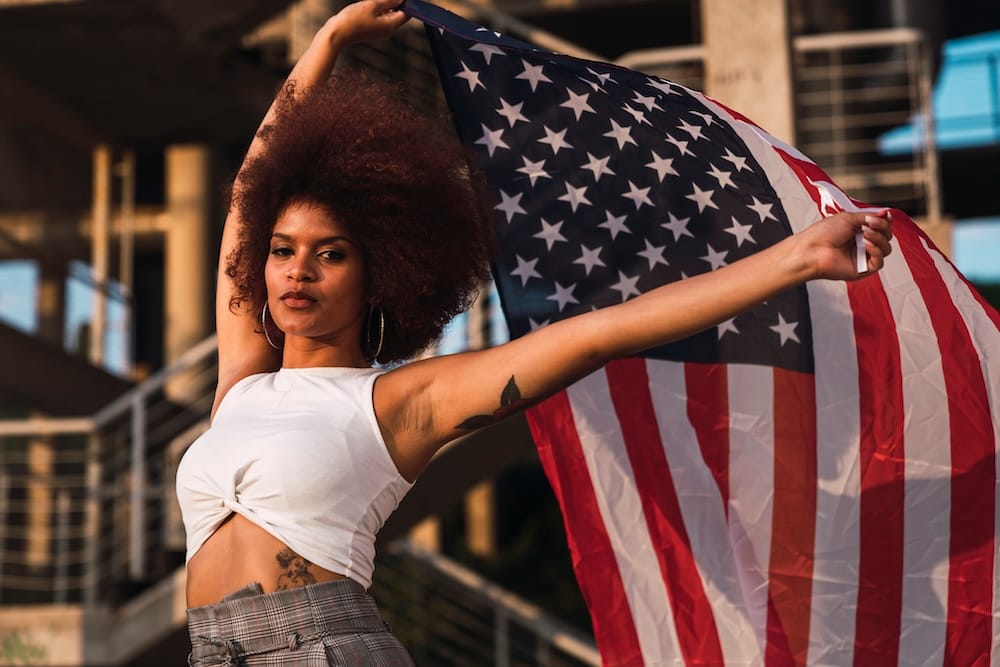
The conversation around Black identity in America is evolving, sparking a national debate: Are Black Americans defined racially, ethnically, or as a distinct cultural group? As cultural icons like Ryan Coogler and Dave Chappelle gain prominence, their success challenges traditional narratives, emphasizing the unique heritage of Black Americans formed through historical struggles and triumphs. The exploration of identity includes the evolution of terminology — from "Negro" to "African American" — reflecting societal changes and political necessities.
Central to this discourse is the question of who genuinely belongs to Black America amid varied migration stories and blended lineages. While celebrating significant achievements, the article argues for a collective understanding that honors the distinct history of Black Americans on U.
S. soil, nurturing a modern unity in identity that paves the way for future generations.
Ultimately, this dialogue seeks to affirm that Black identity is not mere categorization; it's a rich, living legacy.
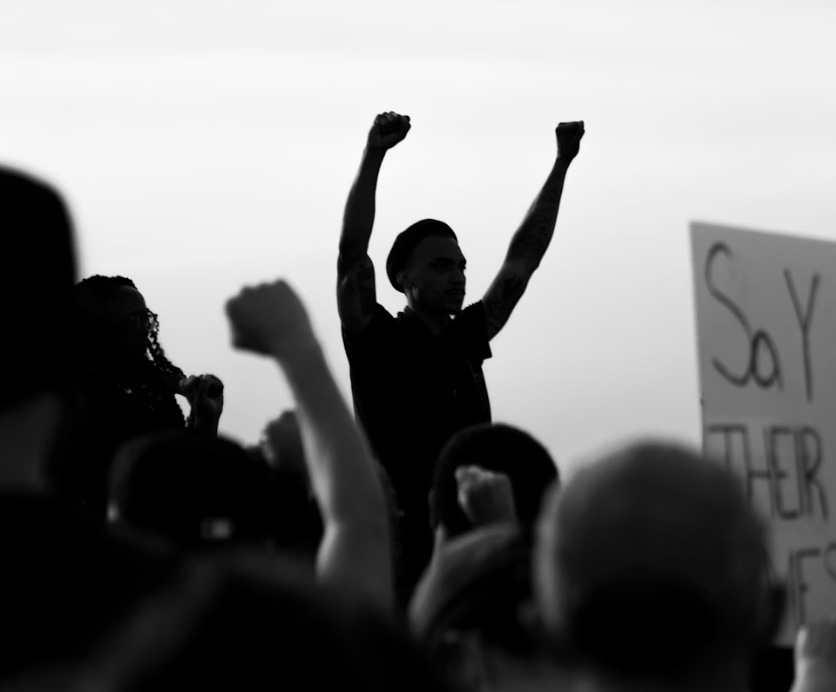
In a stirring article, "We Can’t Win a War We Ignore," the author warns against the complacency permeating Black communities in the face of escalating assaults on civil rights. Within just a year, decades of progress have been threatened, from mass voter purges to systemic barriers hindering Black advancement in education and employment.
The piece highlights a coordinated effort to erase Black history and voices, emphasizing that this is not merely a political season to ride out but a full-scale war on Black identity and rights. The author calls for urgent action, stressing that acknowledging the fight is essential for survival.
A collective response—rooted in unity, self-determination, and resilience—is required to confront these challenges head-on. Ignoring this crisis offers no safety; only organized resistance can pave the way for the brighter future our ancestors envisioned and our children deserve.
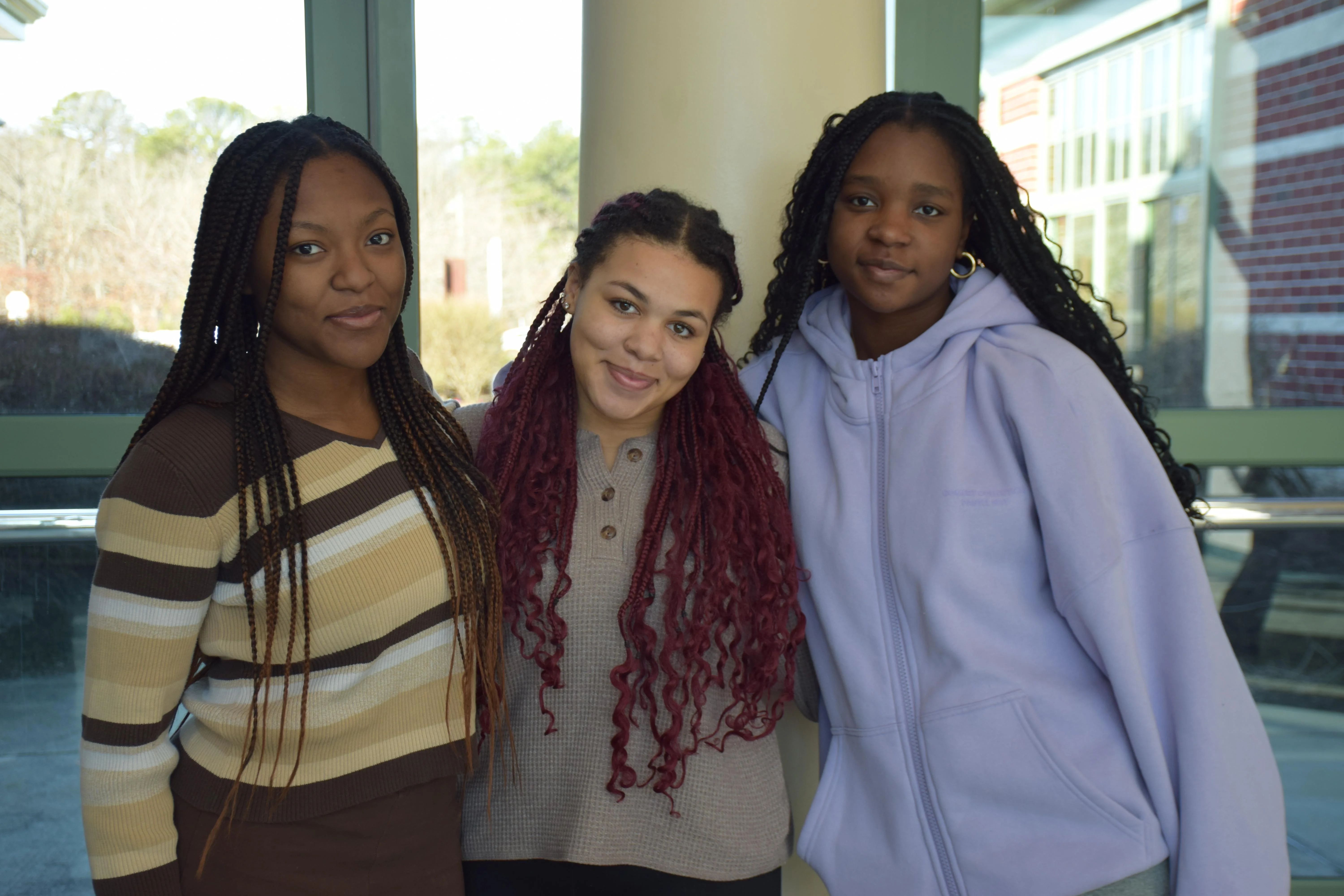
During the Town of Brookhaven’s 35th annual Black History Night, four exceptional students from the Eastport-South Manor Central School District received accolades for their academic excellence and leadership. Jaylin Pentzel, Oreoluwa Somosu, William Thomas, and Pasha Wray—each boasting a GPA of 3.
5 or higher—were honored by the Brookhaven Town Board for their dedication to learning and positive influence in their school community. This year’s event, themed “African Americans and Labor,” celebrated the historical and ongoing contributions of Black Americans through cultural performances and educational displays.
The evening brought together students, families, educators, and community leaders, emphasizing the vital roles of education and community engagement. The Eastport-South Manor district, serving over 2,700 students, is committed to fostering academic achievement and student leadership through various programs, including advanced placement courses, athletics, and performing arts, ensuring a well-rounded educational experience.
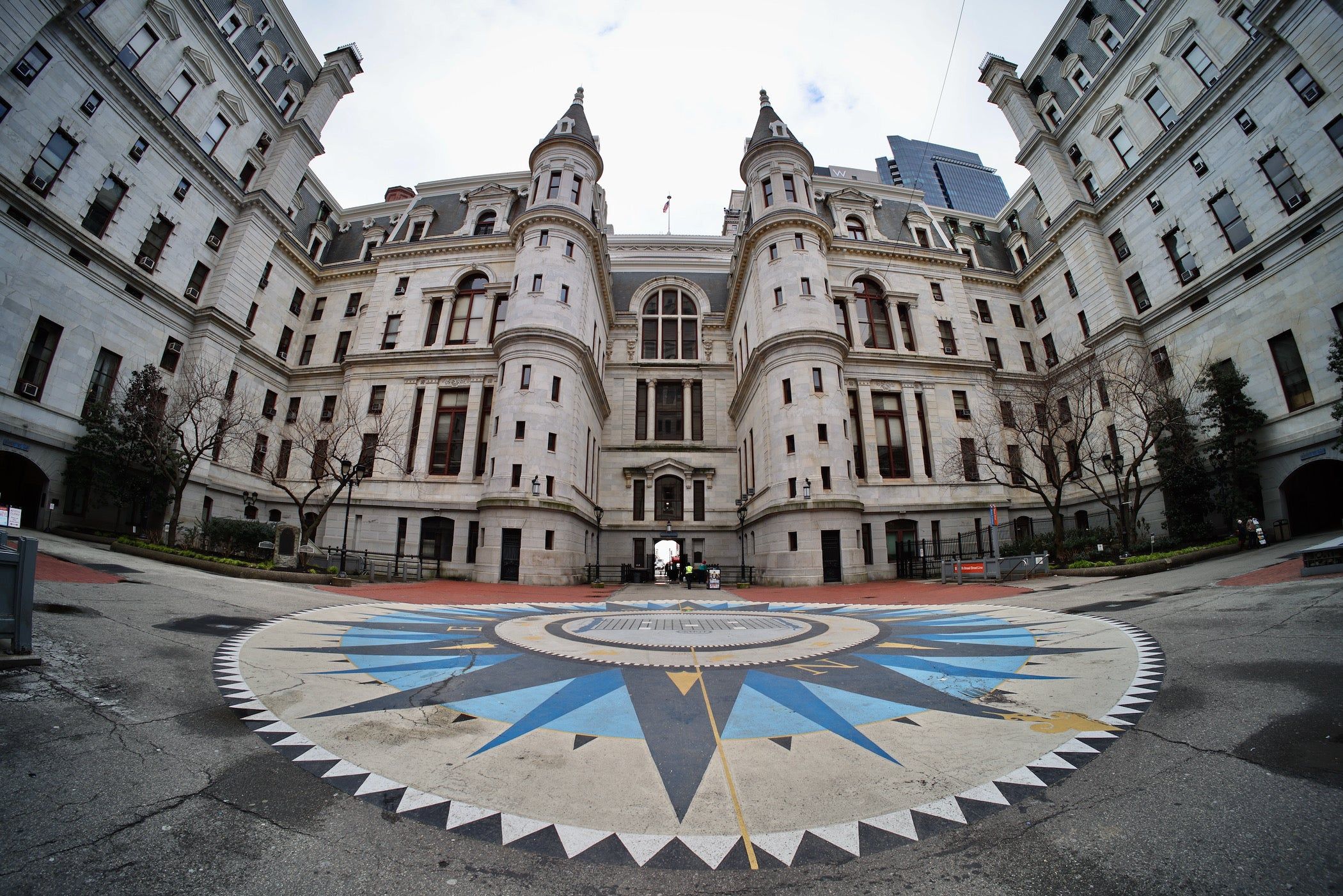
Philadelphia City Council is making strides towards addressing historical injustices by considering the creation of the Office of Freedmen Affairs, dedicated to guiding reparations efforts for descendants of enslaved people. During a recent meeting, council members discussed potential reparations, which may take the form of scholarships, tax relief, and more.
The initiative, inspired by similar efforts in other states like California, seeks to rectify long-standing disparities stemming from slavery and systemic discrimination. Advocates stress the importance of not just talking about reparations but implementing practical measures to address documented harms.
Councilmember Curtis Jones emphasized that this isn't just about historical reflection; it's a commitment to actionable reform. As discussions continue, the hope is that Philadelphia can pave the way for meaningful reparative policies, ensuring that the past is acknowledged and present needs are met for impacted communities.
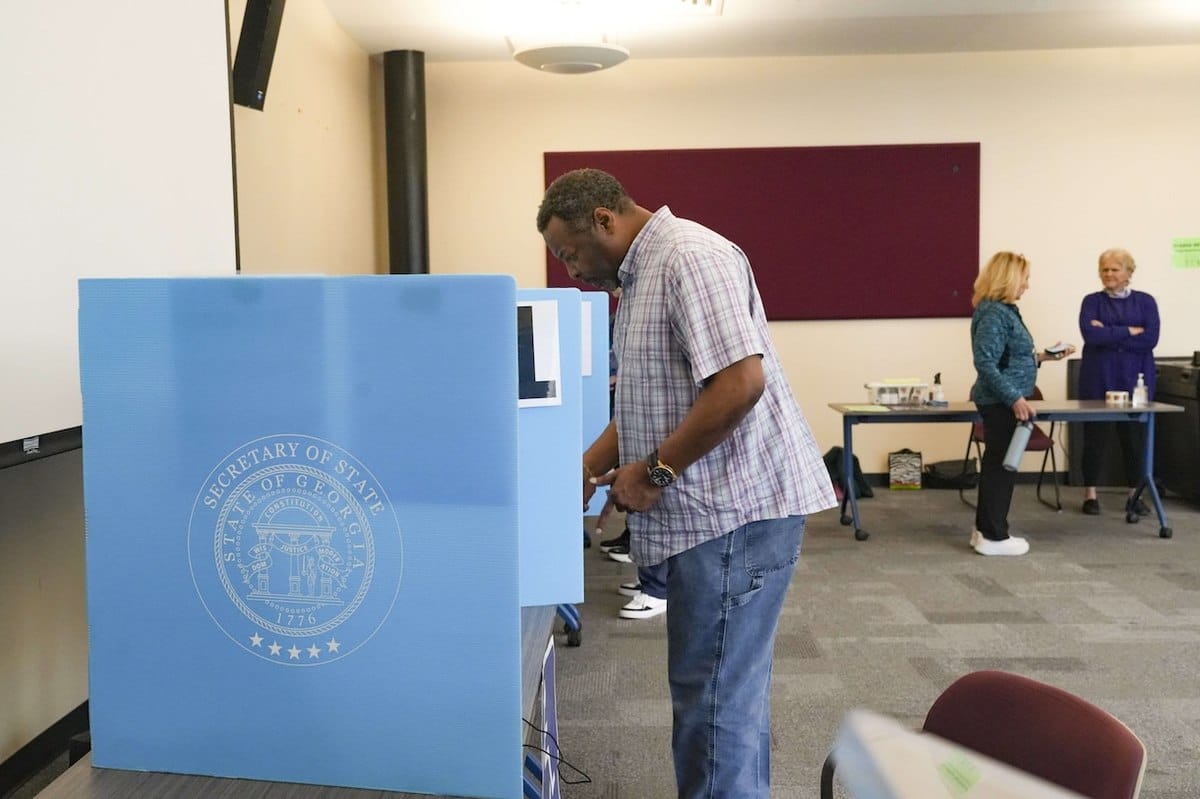
A recent Economist/YouGov poll reveals that a majority of Americans support requiring proof of citizenship to register to vote, with 59% backing this measure. While Republicans overwhelmingly endorse it, opinions among Democrats are mixed—only 35% support the requirement.
Interestingly, views on non-citizen voting also vary; 29% of respondents see it as a serious issue, with a stark divide between political lines. Conversely, when it comes to limiting mail-in ballots, Americans are more divided: 41% favor restrictions, while 44% oppose them.
Most Democrats reject these limits, whereas a significant majority of Republicans are in favor. Support for such measures seems to correlate with age, as younger voters are less inclined to support limiting mail-in ballots compared to their senior counterparts.
The debate reflects wider political tensions as issues of voter access and election integrity continue to dominate American discourse.