- BlackVoter.Org
- Posts
- BlackVoter.Org
BlackVoter.Org

BlackVoter.org
April 02, 2026

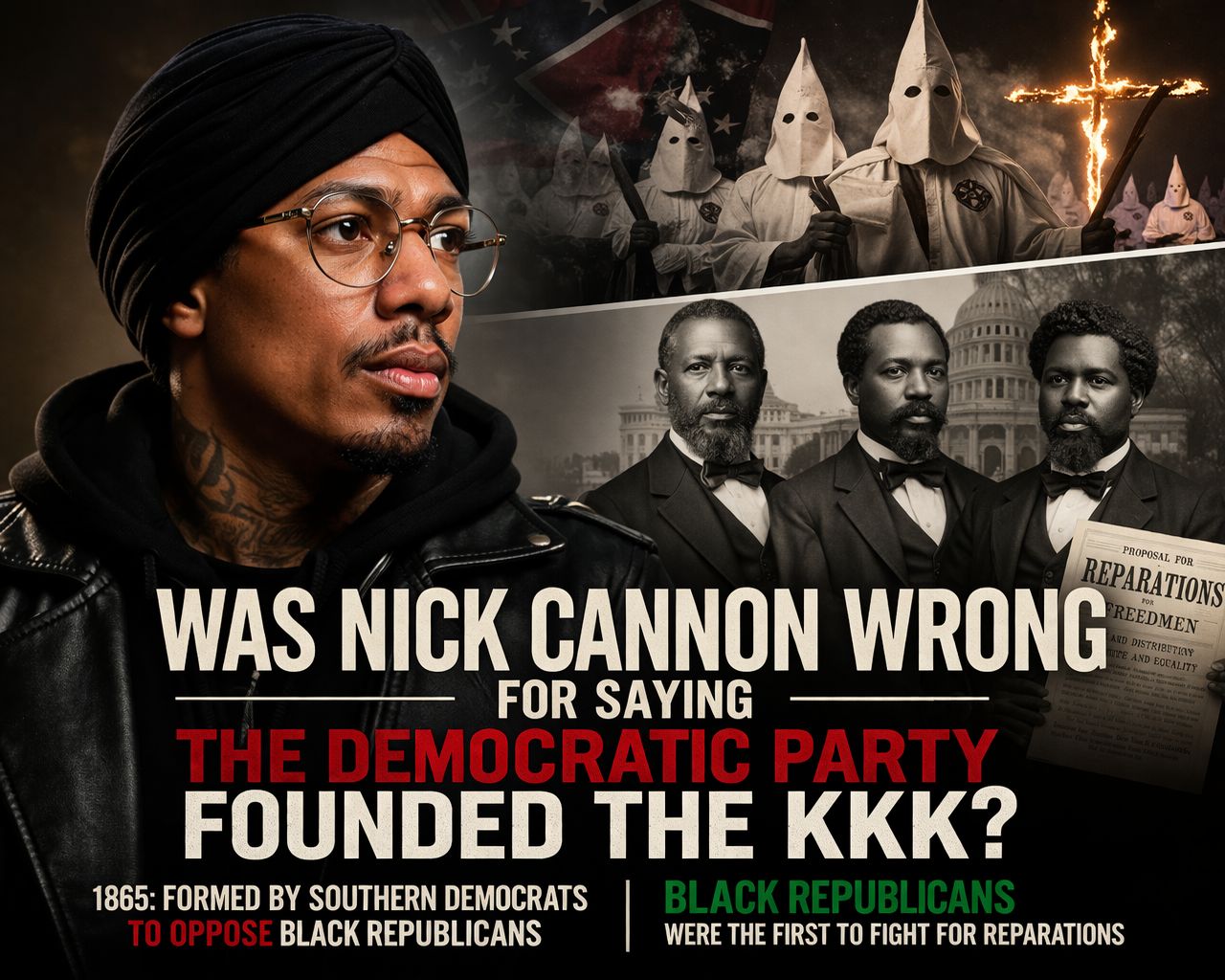
In an engaging exploration of Nick Cannon's controversial statement linking the Democratic Party to the founding of the Ku Klux Klan, Damon K. Jones delves into the historical nuances surrounding this claim.
He argues that the KKK, established in 1865 by former Confederate soldiers, was indeed formed within a Southern political landscape dominated by Democrats, who opposed Black empowerment during Reconstruction. However, Jones emphasizes that focusing solely on this connection oversimplifies a complex history of Black political activism.
Figures like Hiram Revels and Robert Smalls pushed for economic justice and land ownership, challenging the Klan’s terror tactics. The article advocates for an honest reckoning with history, recognizing the evolution of political parties while not ignoring their origins.
As modern interpretations often distort historical facts to serve narratives, Jones calls for a broader dialogue that embraces the complete truths of the past to inform present and future discussions.
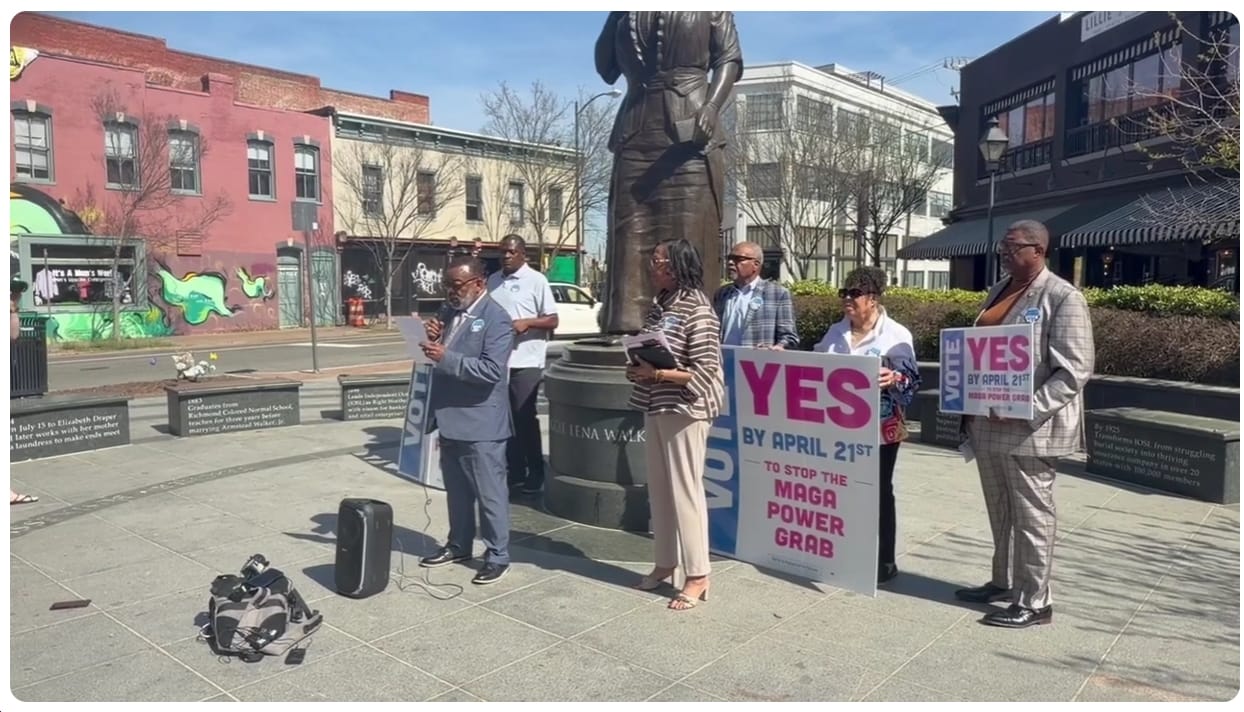
On April 1, 2026, the NAACP Virginia State Conference took a stand against disinformation and voter suppression efforts aimed at Black voters in the critical upcoming redistricting referendum. Highlighting the significance of the referendum, Rev.
Cozy Bailey, President of the NAACP Virginia, urged voters to be cautious of misleading mailers and quotes taken out of context, particularly from high-profile figures. Emphasizing the historical echoes of Jim Crow, he called for unity in the fight for fair representation and voter rights, declaring that democracy is at stake.
With early voting now open, the NAACP encourages Virginians to vote "yes" on the referendum, reinforcing the message that voting is not just a privilege but a constitutional necessity. As they rally against misinformation, the organization inspires voters to reclaim their voices and safeguard a fair electoral process that represents all communities.
"Don’t guess. Vote yes," they urge, amplifying the call for justice and equity.

Tragedy struck Coral Springs as Vice Mayor Nancy Metayer Bowen was shot and killed in an apparent domestic violence incident, with her husband, Stephen Bowen, now in custody facing murder charges. A trailblazer as the first Black and Haitian American woman on the Coral Springs City Commission, Metayer Bowen was a dedicated advocate for affordable housing and environmental issues.
Her unexpected death has shocked the community and prompted heartfelt tributes, highlighting her commitment to public service and the deep loss felt by those who knew her. Colleagues and community leaders lamented the senselessness of her passing, celebrating her legacy as a fierce advocate for social justice and empowerment.
Just days ago, she was actively engaged in political efforts and poised to run for Congress. Her memory will resonate deeply with those she inspired, as Coral Springs faces this heartbreaking loss together.
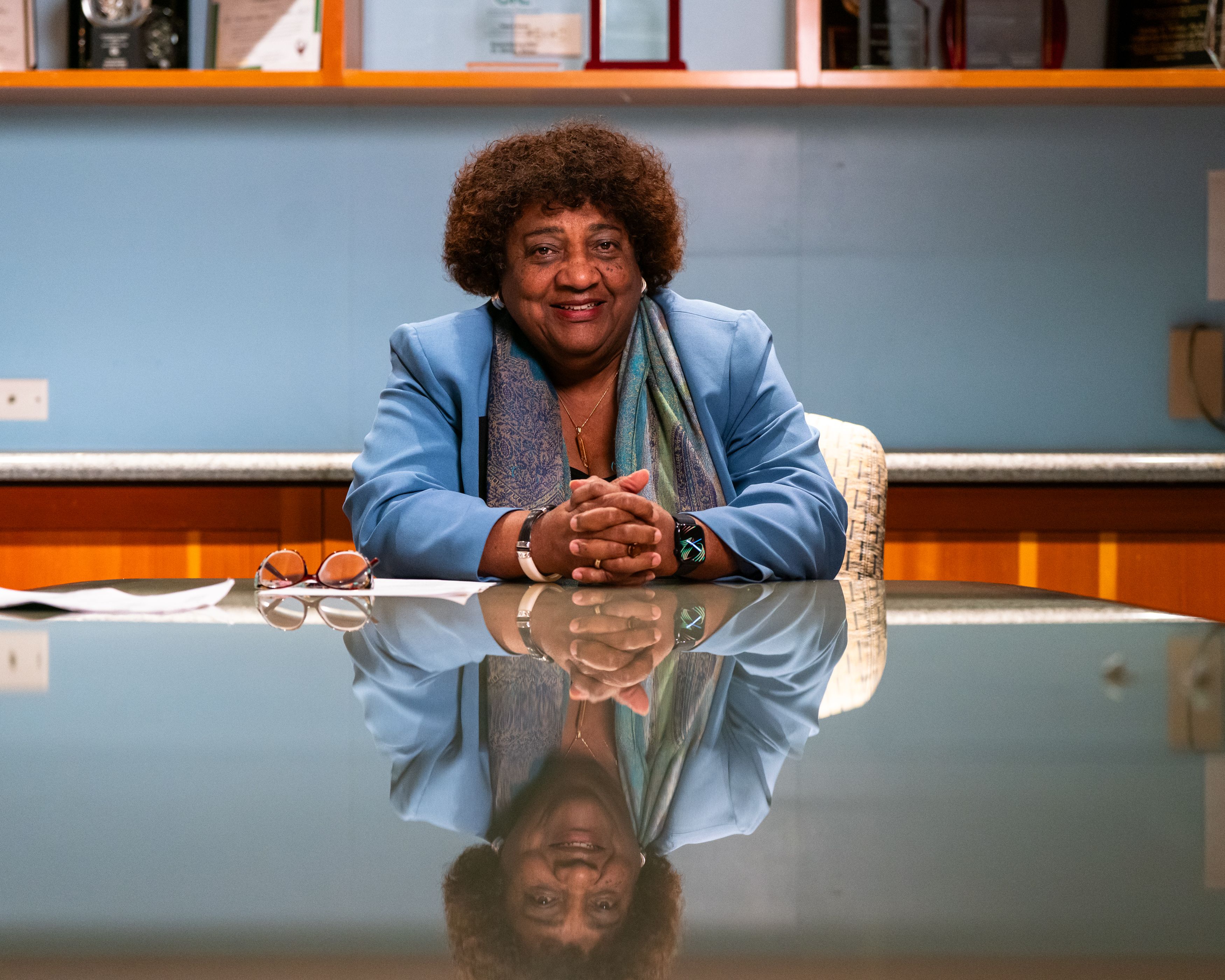
In an insightful conversation with The Observer, Dr. Shirley N.
Weber, California's first African American Secretary of State, shares her journey and dedication to safeguarding democracy. Highlighting the importance of accurate information amidst rampant misinformation, Weber emphasizes her role in ensuring election integrity and empowering voters.
She reflects on her upbringing, shaped by her father’s resilience and a belief in education, which inspired her path into public service. While addressing voter suppression, she advocates for expanded access to voting, including mail-in ballots and same-day registration.
As California prepares for the 2026 election, Weber urges citizens to engage actively, stressing that a thriving democracy relies on informed participation. With strong convictions, she encourages young women and girls to challenge limitations and assert their voices in shaping the future.
Ultimately, Weber champions a democratic process that is inclusive, trustworthy, and reflective of all citizens' needs.

The opening of a new Black-owned hifi lounge in Kansas City has been abruptly canceled due to backlash over its controversial name, "Sundown HiFi." Owner Casio McCombs aimed to reclaim the term, which references "sundown towns" that historically banned Black people from being outside after dark.
However, the KC Blue Crew, an official supporters group, deemed the name racist and insensitive, urging the lounge to change it and calling on local leaders to acknowledge the city's African American history. McCombs expressed disappointment over the quick backlash and stood by his original intention of sparking important conversations.
While he envisions a future for Sundown, the current climate has put those plans on hold as he reassesses the way forward.
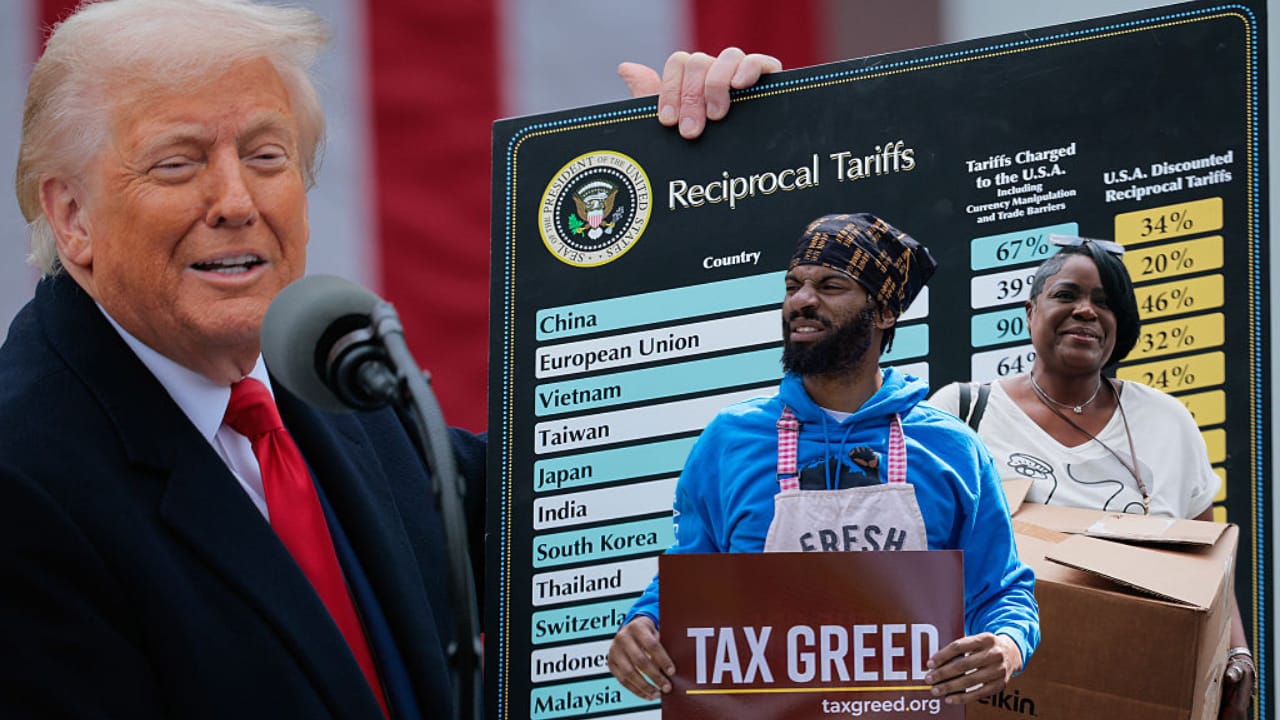
The article explores the detrimental impact of former President Donald Trump's tariff policies on Black Americans, coining the term "Black recession." As tariffs initiated under Trump's presidency have led to soaring prices and significant job losses, Black unemployment has surged to 7.
7%, with Black-owned businesses particularly suffering. The Joint Center for Political and Economic Studies reports that these tariffs disrupted industries where African Americans predominantly work, such as retail and transportation.
Notably, the Supreme Court deemed Trump's tariffs unlawful, yet the economic damage lingers. Democratic leaders, including Rep.
Hakeem Jeffries, emphasize the need for legislative action to address these injustices if they regain congressional control. While the Trump administration's policies have reversed many gains made under President Biden—who previously achieved the lowest Black unemployment rate in history—advocates argue it’s imperative to restore economic equity and opportunity for Black communities.
The article underscores a call for change and accountability as the 2024 elections loom.
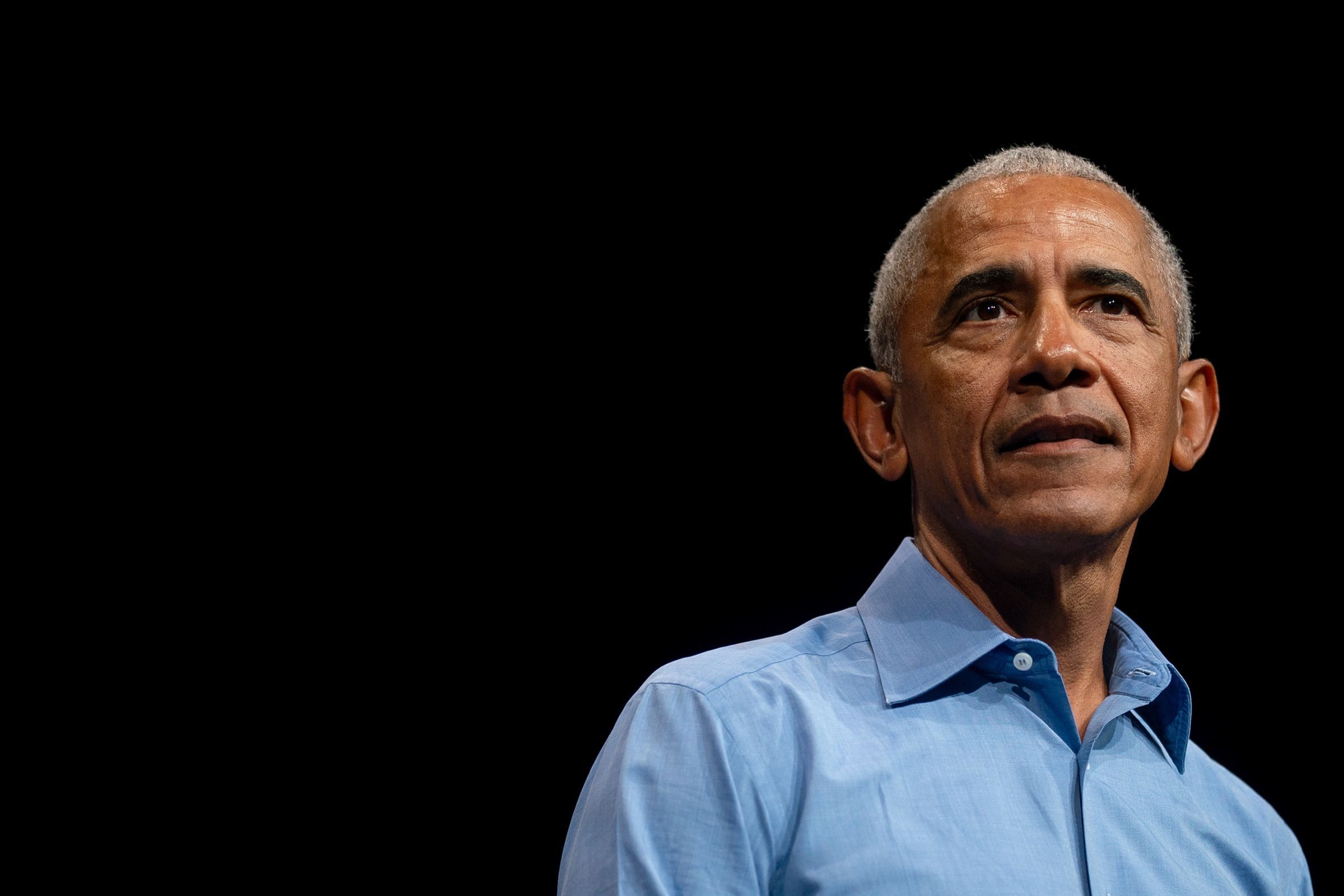
Virginia Democrats are facing significant challenges in their gerrymandering efforts, with former President Barack Obama’s past remarks on redistricting complicating their strategy. Obama's endorsement of a referendum aimed at reshaping districts to benefit Democrats is undercut by his earlier critiques of gerrymandering as harmful to bipartisan cooperation.
Opponents, including the group Virginians For Fair Maps, are using his own words in ads to rally support against the initiative. Despite this setback, Democrats remain hopeful, backed by substantial funding and positive early voting trends.
As the April 21 referendum approaches, the battle intensifies, with both sides gearing up for a pivotal showdown that could reshape Virginia's political landscape and impact the upcoming midterms. With crucial resources mobilized, the stakes are high as Democrats strive to overcome the hurdles posed by past statements and maximize voter turnout.
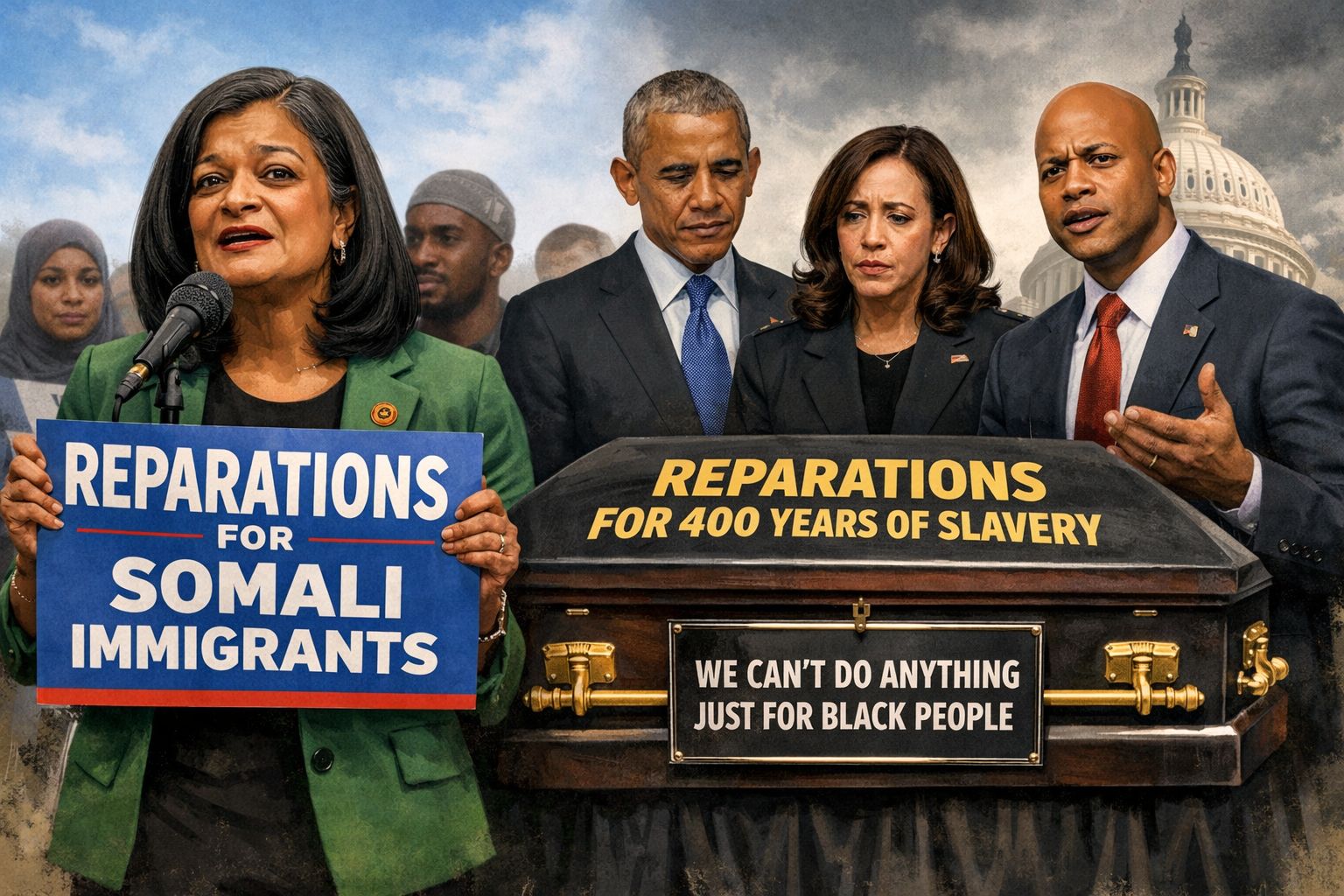
In "Reparations, Representation, and Results," Damon K. Jones delves into the frustrating inconsistency of political support for reparations for Black Americans.
While advocates like Pramila Jayapal argue for compensation related to immigration injustices, support for H.R.
40—aimed at studying the effects of slavery—lacks both urgency and action. Despite decades of consistent electoral loyalty from Black voters to the Democratic Party, meaningful policy outcomes are stalled by systemic barriers, including the Senate's filibuster.
Previous reparations examples for other marginalized groups highlight the possibility of targeted compensation, raising critical questions about why Black Americans face prolonged delays. Jones calls for a re-evaluation of strategies to ensure that political support translates into concrete actions, emphasizing that waiting for the right moment without a plan risks further deferring essential reparative measures.
It's a compelling reminder that awareness must evolve into action for true justice.