- BlackVoter.Org
- Posts
- BlackVoter.Org
BlackVoter.Org

BlackVoter.org
February 26, 2026

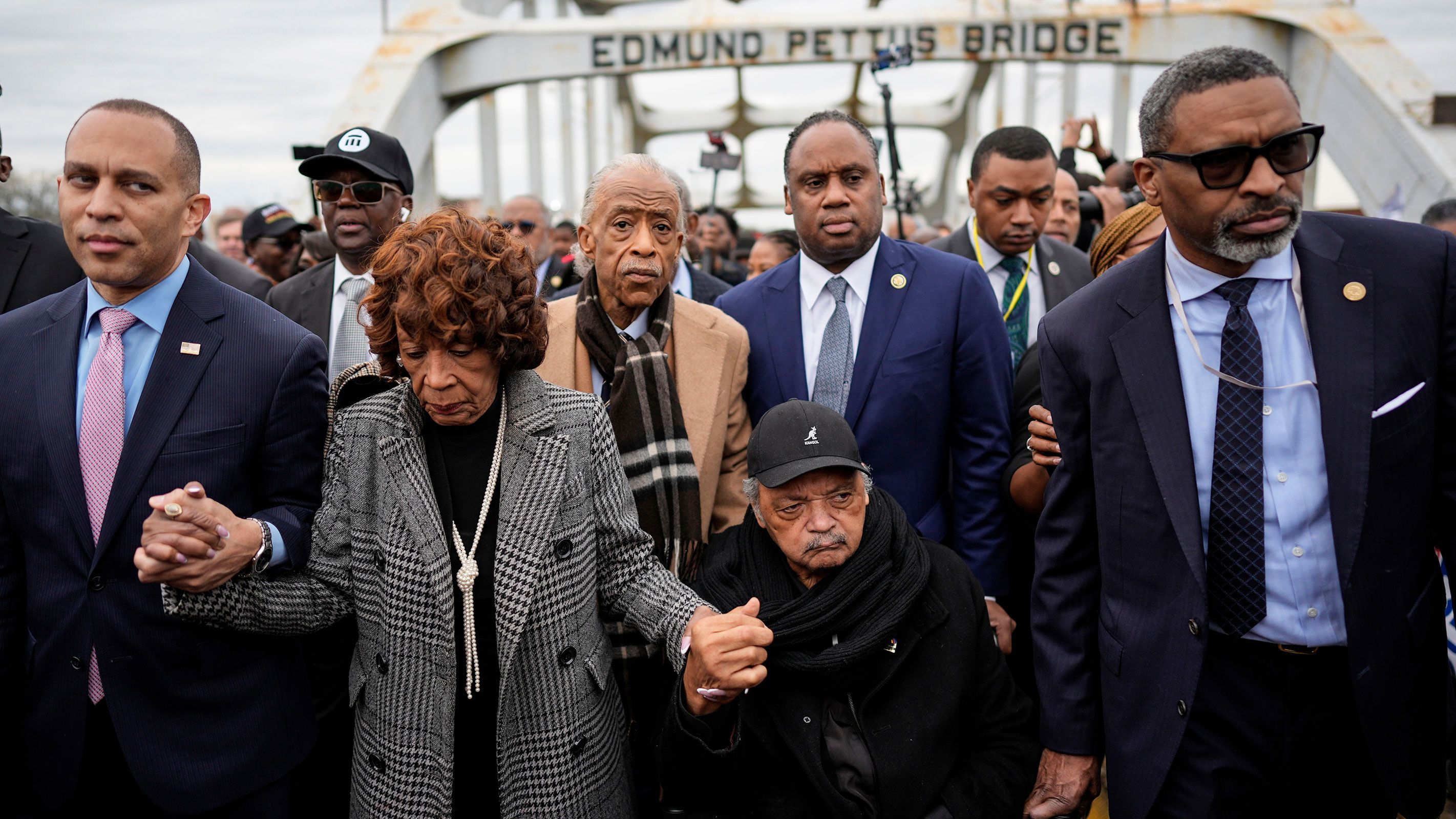
The passing of Rev. Jesse Jackson marks the end of a profound chapter in American history, symbolizing the dwindling generation of civil rights leaders who fought valiantly against systemic racism.
Born amidst the harsh realities of Jim Crow laws, Jackson rose from humble beginnings to become a key figure in the civil rights movement, serving as one of Dr. Martin Luther King Jr.
's closest aides and founding the impactful organization Operation PUSH. Over his illustrious six-decade career, Jackson championed not only the basic human rights of African Americans but also their economic empowerment, opening doors for countless Black individuals in America.
His candidacies for the presidency in the 1980s were groundbreaking moments that reshaped the political landscape, advocating for unity and socio-economic justice. As Jackson's legacy resonates, it reminds us all of the battles fought for equity that uplifted not just a community but the entire nation.
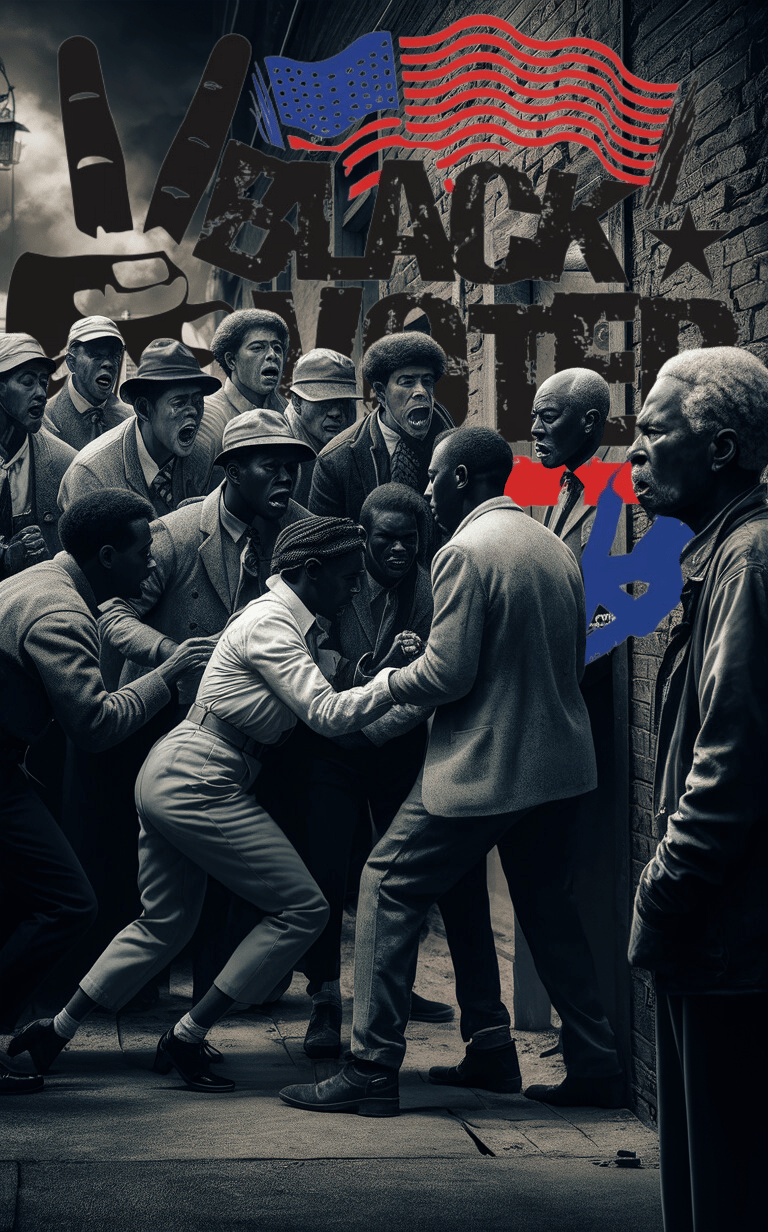

As we celebrate the 100th anniversary of Black History Month this year, we invite you to dive into ten impactful works that honor the contributions and experiences of African Americans. From Carter G.
Woodson’s classic "The Mis-Education of the Negro," which critiques educational systems, to Chanda Prescod-Weinstein’s "The Disordered Cosmos," intertwining science with historical narratives of racism, these selections offer rich perspectives. James Baldwin’s "The Fire Next Time" eloquently captures the struggles of identity amid systemic segregation, while Frantz Fanon’s "Black Skin, White Masks" examines the psychological toll of colonialism.
Other must-reads include Bettye Kearse’s "The Other Madisons" and Barack Obama’s inspirational "The Audacity of Hope." For a contemporary touch, Kara Walker’s sculpture "Unmanned Drone" recontextualizes Confederate imagery.
Celebrate and reflect on this pivotal moment in history with these powerful artworks and literature.
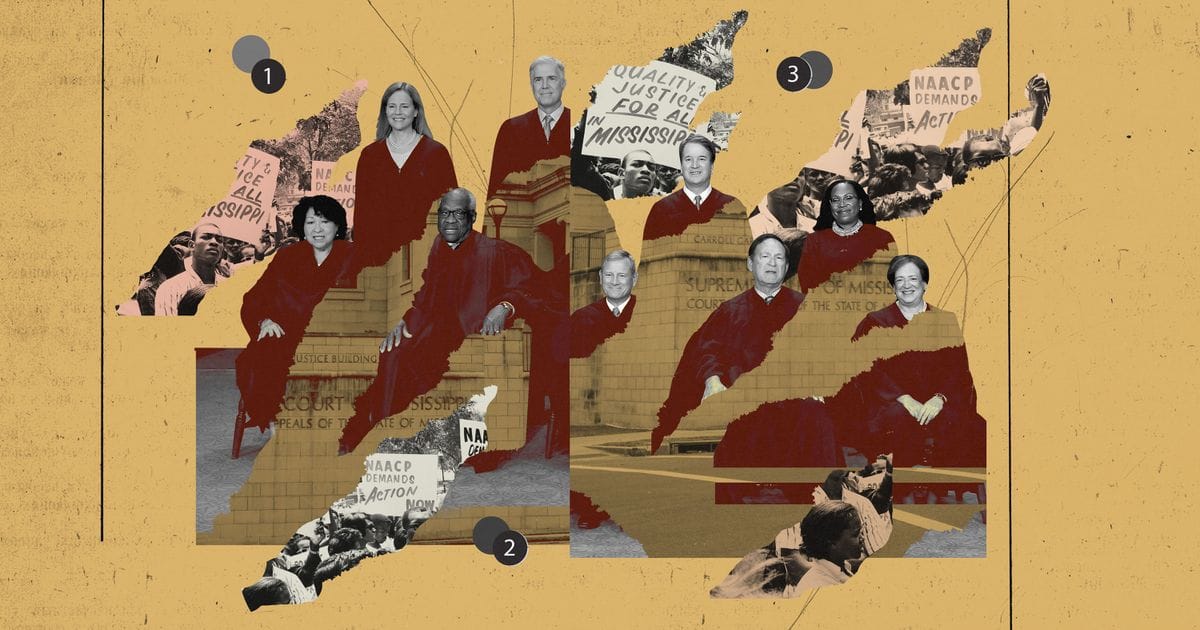
In Mississippi, Black voters are gearing up for a potentially transformative election season, thanks to a recent legal victory that challenged the voting maps for the state’s Supreme Court. However, that progress hangs in the balance as the U.
S. Supreme Court prepares to rule on a case that could weaken the Voting Rights Act, a critical safeguard for minority electoral power.
Mississippi, with its high Black population but historically limited representation on the Supreme Court, could see a dramatic shift if the Court undermines Section 2 of the Act. This ruling would not only affect Mississippi but could ripple across the nation, unraveling decades of gains in minority representation.
As state lawmakers slowly begin to respond to a federal judge's order to redraw voting districts, tension brews over the intertwining fate of Mississippi’s Black voters and the broader legal landscape of voting rights. Activists warn that a setback here could mean devastation for Black political power in the state.
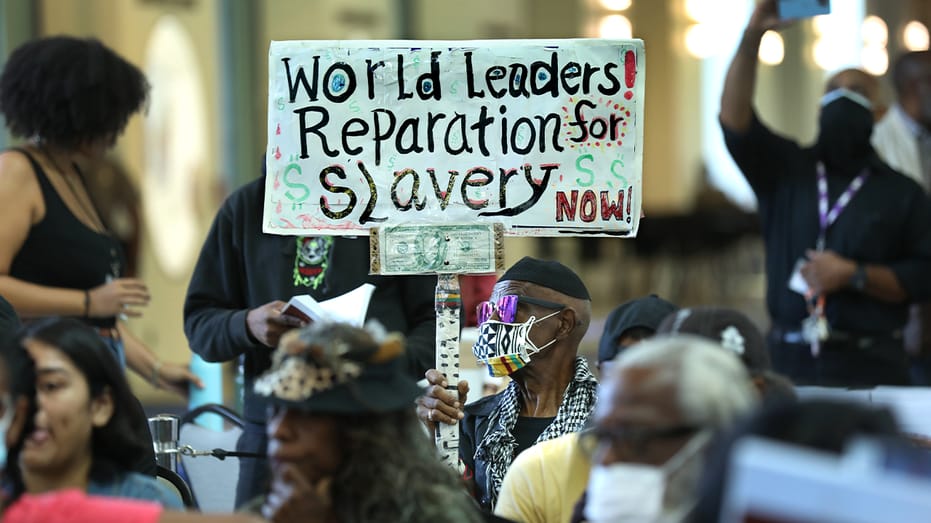
In the race for California's gubernatorial seat in 2026, candidates are shying away from supporting cash payment reparations for Black Californians. During a recent forum hosted by the Urban League, only Tony Thurmond, the Superintendent of Public Instruction, mentioned reparations, proposing instead loans for education and business ventures.
Incumbent Governor Gavin Newsom previously dismissed direct cash payments, which could amount to $1.2 million per individual, while also declining multiple reparation bills aimed at addressing historical injustices.
Other Democratic contenders, like Oakland Mayor Barbara Lee and former Los Angeles Mayor Antonio Villaraigosa, avoided definitive stances on reparations, with some promising to focus on systemic changes to advance racial equity. Critics, including civil rights attorney Lisa Holder, highlight the complexity of addressing centuries of inequality, suggesting a comprehensive reformation of laws to foster long-term positive impacts.
As candidates vie for the position, the future of reparations remains uncertain, leaving many questions about real commitments to reparative justice.
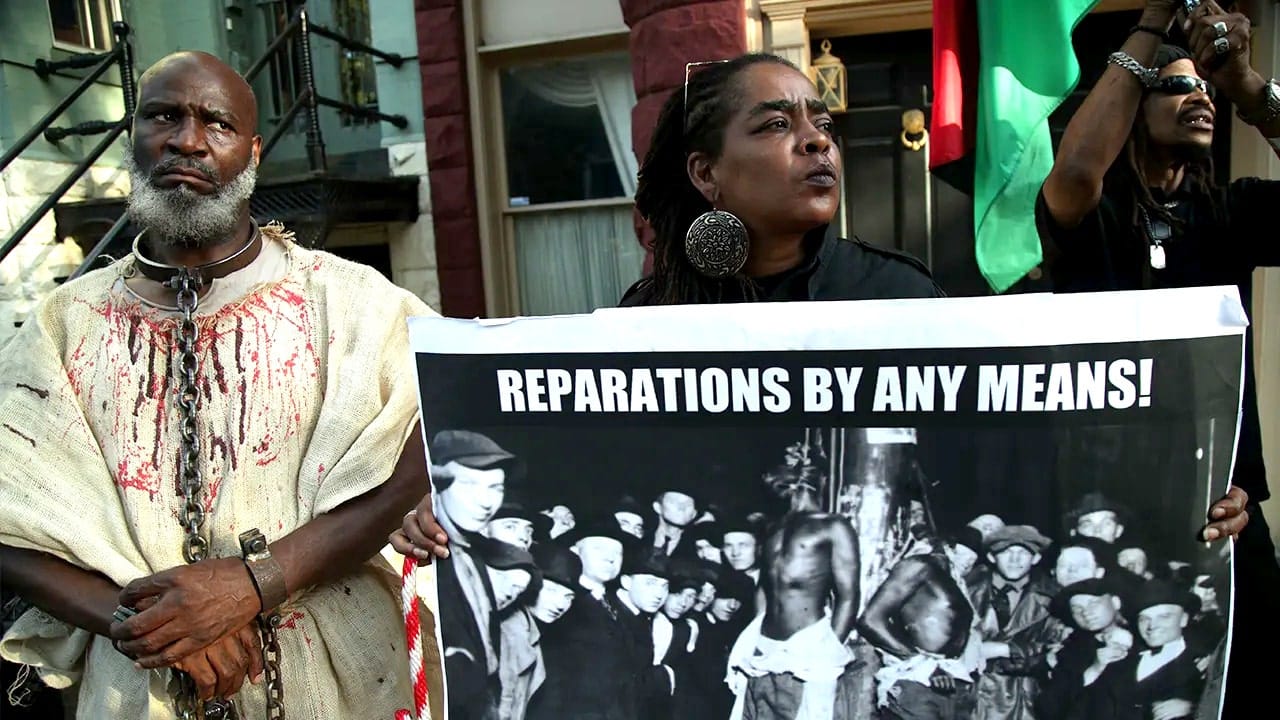
Judicial Watch, a conservative watchdog group, has launched a lawsuit against Evanston, Illinois, challenging its race-based reparations program that offers $25,000 payments to Black residents. The group argues that this practice violates the Equal Protection Clause of the Fourteenth Amendment by discriminating based on race.
The lawsuit represents five plaintiffs who assert that they would qualify for reparations if not for their skin color. Evanston made history as the first U.
S. city to implement such a reparations plan, allocating $10 million over ten years to assist Black residents who lived there between 1919 and 1969.
Thus far, $3.47 million has been distributed, with more payments planned.
Judicial Watch contends that reparations should address historical injustices rather than provide funds based on racial identity, viewing the current program as unfair and unconstitutional.
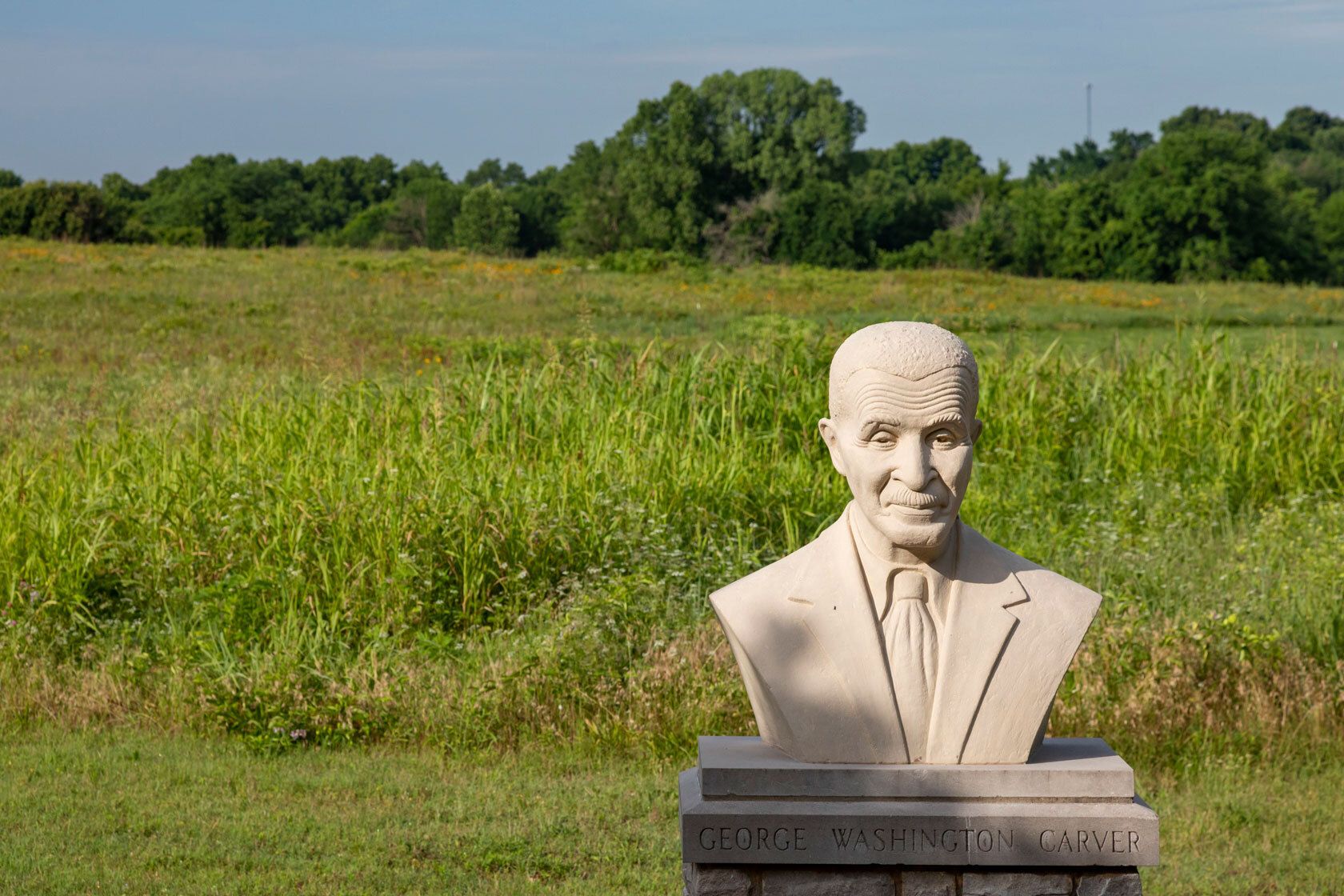
The article reveals a concerning trend during the Trump administration: the systematic erasure of Black history from America's public lands and waters. These sites, from historic monuments to national parks, encapsulate the rich narratives of Black resilience, struggle, and achievement.
However, recent policies have sought to minimize and censor this representation, limiting public access and distorting the national memory. For instance, the removal of interpretive panels related to slavery and the Civil Rights Movement compromises our understanding of fundamental historical truths.
The administration’s actions reflect a profound disregard for the integral role Black Americans have played in shaping the nation’s identity. As the U.
S. approaches its 250th anniversary, the call to honor the complexities of history becomes more urgent than ever.
True patriotism lies in preserving and sharing these stories, ensuring that all Americans can appreciate the full spectrum of their national heritage.
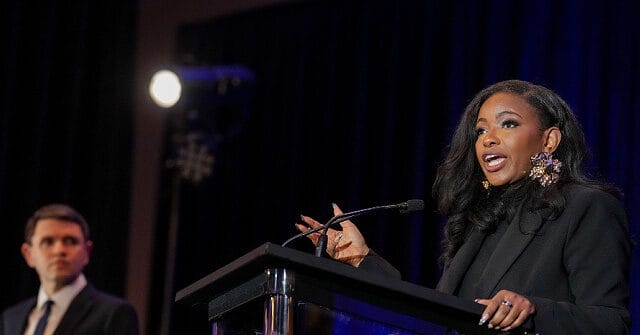
A recent University of Texas poll reveals that Rep. Jasmine Crockett (D-TX) has a commanding 12-point lead over fellow Democrat James Talarico in the race for the U.
S. Senate nomination.
With 56% of likely primary voters supporting her, Crockett is gaining momentum, up from previous polls that showed her leading by smaller margins. During a recent appearance on MSNBC, she highlighted Texas's demographic shifts, asserting that growing communities of color are crucial for Democratic victories in the state.
Crockett also declared her appeal to Independents and Republicans while addressing the significant outside financial influences at play in the contest. Meanwhile, the FCC is investigating potential violations of equal-time rules relating to media coverage of the candidates, adding an additional layer of intrigue to this heated race.