- BlackVoter.Org
- Posts
- BlackVoter.Org
BlackVoter.Org

BlackVoter.org
April 09, 2026


In a candid conversation with comedian Hasan Minhaj, former First Lady Michelle Obama described America's current state as "janky," highlighting the nation's struggles while maintaining an optimistic outlook. During an episode of her show "IMO with Michelle Obama and Craig Robinson," she emphasized that every iteration of the country, no matter how rough, provides valuable lessons for growth.
Obama acknowledged that while the U.S.
faces significant challenges—citing recent federal actions in Minnesota—the resilience of communities showcases the potential for positive change. With her characteristic warmth and wit, Obama reassured listeners that understanding and confronting our truths is crucial, encouraging a hopeful perspective on the future.
As she put it, “We’re in just a janky version, right?” but the lessons learned today can lead to a stronger tomorrow.

In the wake of tragedy, a Maryland family is using their grief as fuel for legislative change. Bolon Xi-Amaru has emerged as the voice of his family, advocating for bills in honor of his cousin NyKayla Strawder, who was shot and killed in 2022 by a 9-year-old with access to a gun.
Despite their heartfelt mission to prevent similar incidents through tougher gun security laws and mental health treatments for children, the family's journey has been fraught with political challenges and frustrations in Annapolis. Year after year, they’ve faced legislative hurdles and political disputes, with their bills becoming pawns in a contentious political landscape.
As Xi-Amaru perseveres through this emotional and taxing battle, he remains determined to ensure NyKayla's legacy leads to meaningful change and healing in their community.

Gif by IntoAction on Giphy

In a recent inflammatory comparison, Paula White-Cain, Donald Trump's spiritual advisor, likened the former president to Jesus Christ during an Easter luncheon at the White House. Citing Trump's struggles, including criminal indictments and an alleged assassination attempt, she claimed he embodies the sacrifices of Christ.
This assertion has ignited fierce backlash among Black theologians, who argue the comparison is not only theologically absurd but also morally dangerous. Bishop Joseph Tolton emphasized that Trump's policies often contradict the compassionate message of Jesus, who stood with the marginalized.
Critics like Dr. Brad R.
Braxton noted that such rhetoric reflects a troubling trend in American Christianity, where political power often distorts the true Gospel. As Easter approaches, voices of liberationist theology ring clear: the true teachings of Jesus oppose authoritarianism and prioritize solidarity with the oppressed, not empire-building cloaked in piety.

In a powerful display of moral clarity, the UN General Assembly adopted Ghana’s resolution recognizing the transatlantic slave trade as "the gravest crime against humanity," with 123 votes in favor and 52 abstentions, notably from the UK and EU. This vote reflects a deep divide between those acknowledging the historical atrocities and those who prefer to gloss over them.
Ghanaian President John Dramani Mahama emphasized the resolution's importance as a step toward healing, restorative justice, and the return of cultural property that was looted. The backlash from abstaining nations, framed in legal nuances, exposes a reluctance to confront the enduring legacies of slavery and their role in shaping modern wealth dynamics.
While critics dismiss reparations as mere demands for wealth, the resolution argues for addressing ongoing inequities. This moment not only challenges historical amnesia but also raises critical questions about accountability and reparative justice, pushing the conversation firmly into the spotlight.

In a recent celebration of Dr. W.
E.B.
Du Bois's profound impact on Harlem, literary luminaries gathered for "Two Voices: One Harlem" at the renowned Schomburg Center. The event featured riveting discussions led by Pulitzer Prize winner Dr.
David Levering Lewis, bestselling author Victoria Christopher Murray, and Sylvia L. White from the Harlem Writers Guild.
As spring breezes filled the air, the atmosphere buzzed with insights into Du Bois’s life, including his romantic escapades, particularly with writer Jessie Fauset. Dr.
Lewis, nearing 90, not only shared his extensive knowledge but also announced a generous $1 million gift for a prize promoting African Diaspora literature. Honoring his lifelong contributions, Save Harlem Now! presented him with a lifetime achievement award, reinforcing the message that Black history is essential to American history.
As attendees celebrated, they were reminded of the ongoing mission to preserve and elevate Black voices and heritage in Harlem and beyond.
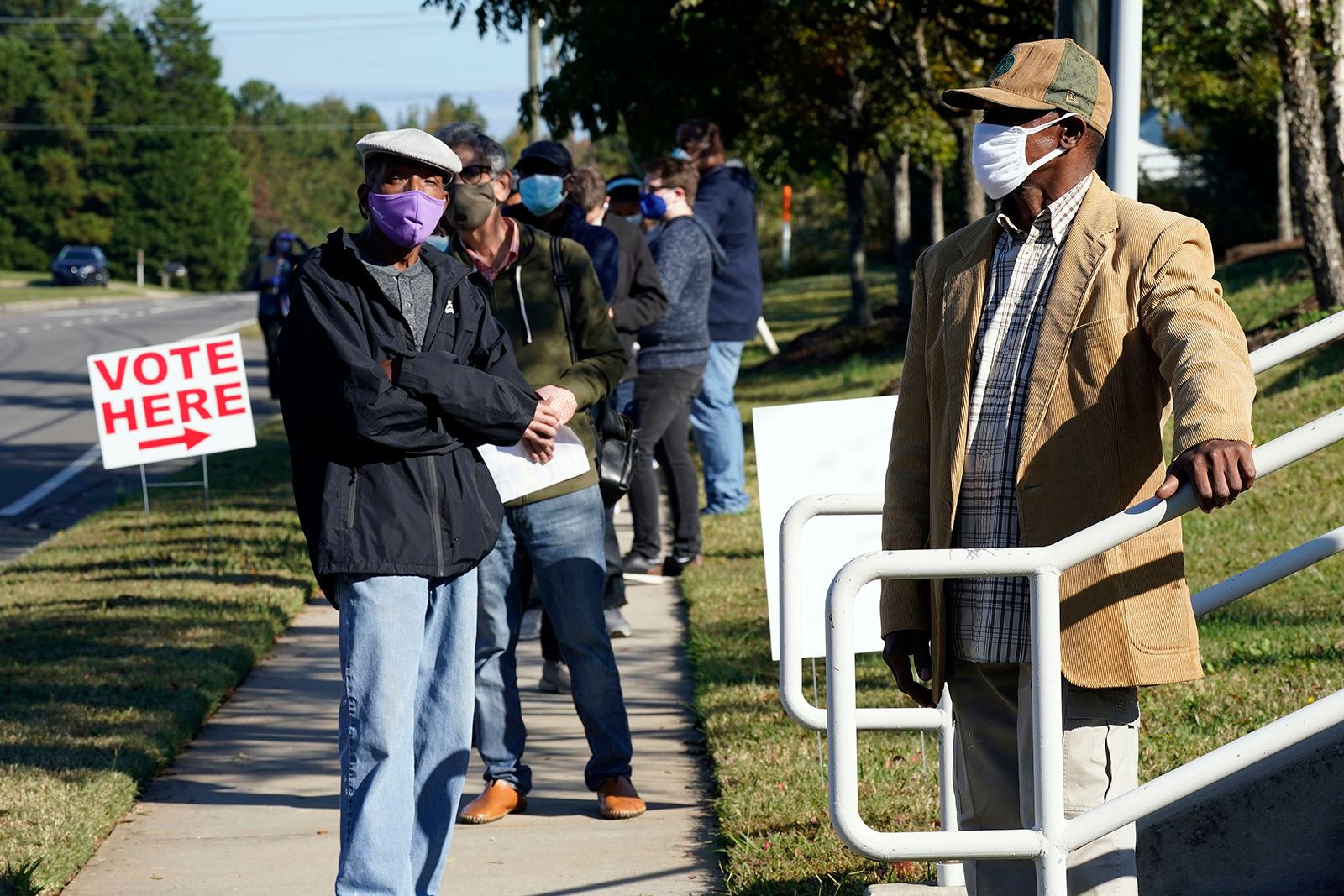
As the midterm elections loom, Black church leaders are tapping into the rich legacy of the Civil Rights Movement to energize and mobilize voters. Led by Pastor Mike McBride, initiatives like community dinner gatherings are fostering dialogue among congregations from various cities, addressing issues from immigration to social justice.
Efforts like the "Love Free" pledge aim to bolster community solidarity and voter engagement, while groups like "Just People on a Zoom" create safe spaces for conversations that bridge political divides. Rev.
Traci Blackmon's project, Faith Out Loud, emphasizes community involvement beyond church walls, pushing congregations to embody their faith through activism. These grassroots movements showcase a determination not only to protect voting rights amid legislative threats but also to reignite a collective spirit reminiscent of civil rights heroes, reminding us that faith and action often go hand in hand.
The message is clear: it's time to transform beliefs into bold, collective action as the election approaches.
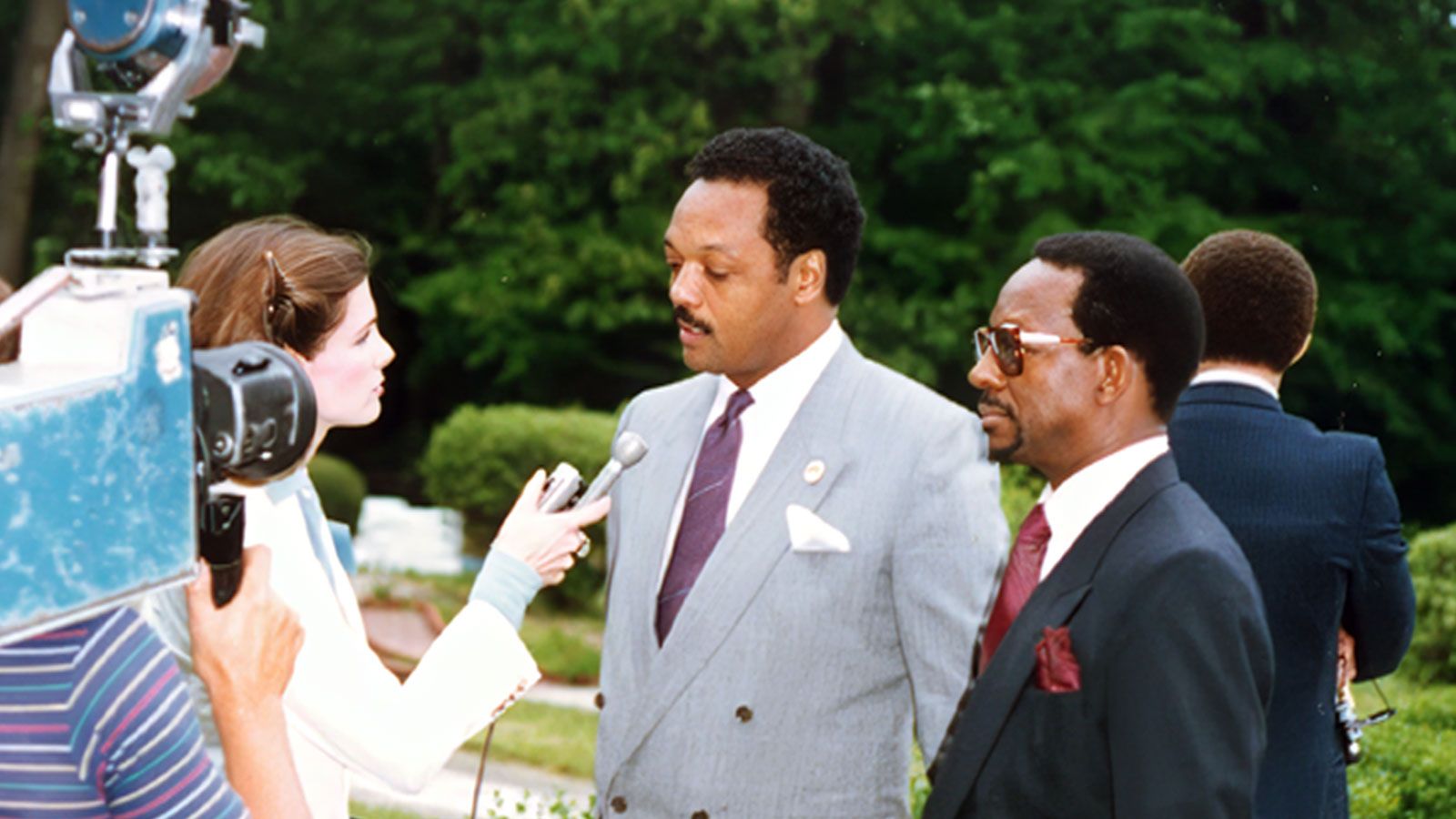
Dr. Ron Daniels' heartfelt tribute to Rev.
Jesse L. Jackson reflects on a life dedicated to justice, empowerment, and the relentless pursuit of equality.
A towering figure in American history, Rev. Jackson's campaigns in 1984 and 1988 transformed political discourse, pushing for a Rainbow Coalition that united marginalized communities.
His unique ability to distill complex socio-economic issues into relatable narratives made him a champion for the oppressed. Through initiatives advocating for education, voter registration, and economic justice, Jackson left an indelible mark on American politics.
The tribute crescendos with emotional memories from his homegoing service, celebrating his legacy as an "authentic genius." Daniels emphasizes that Jackson's spirit and teachings, encapsulated in the call to "Rise, Jesse, Rise," will continue to inspire generations striving for justice and equality.
As an extraordinary leader whose impact resonates far beyond his lifetime, Rev. Jackson remains a beacon of hope in the ongoing struggle for social change.