- BlackVoter.Org
- Posts
- BlackVoter.Org
BlackVoter.Org

BlackVoter.org
February 03, 2026

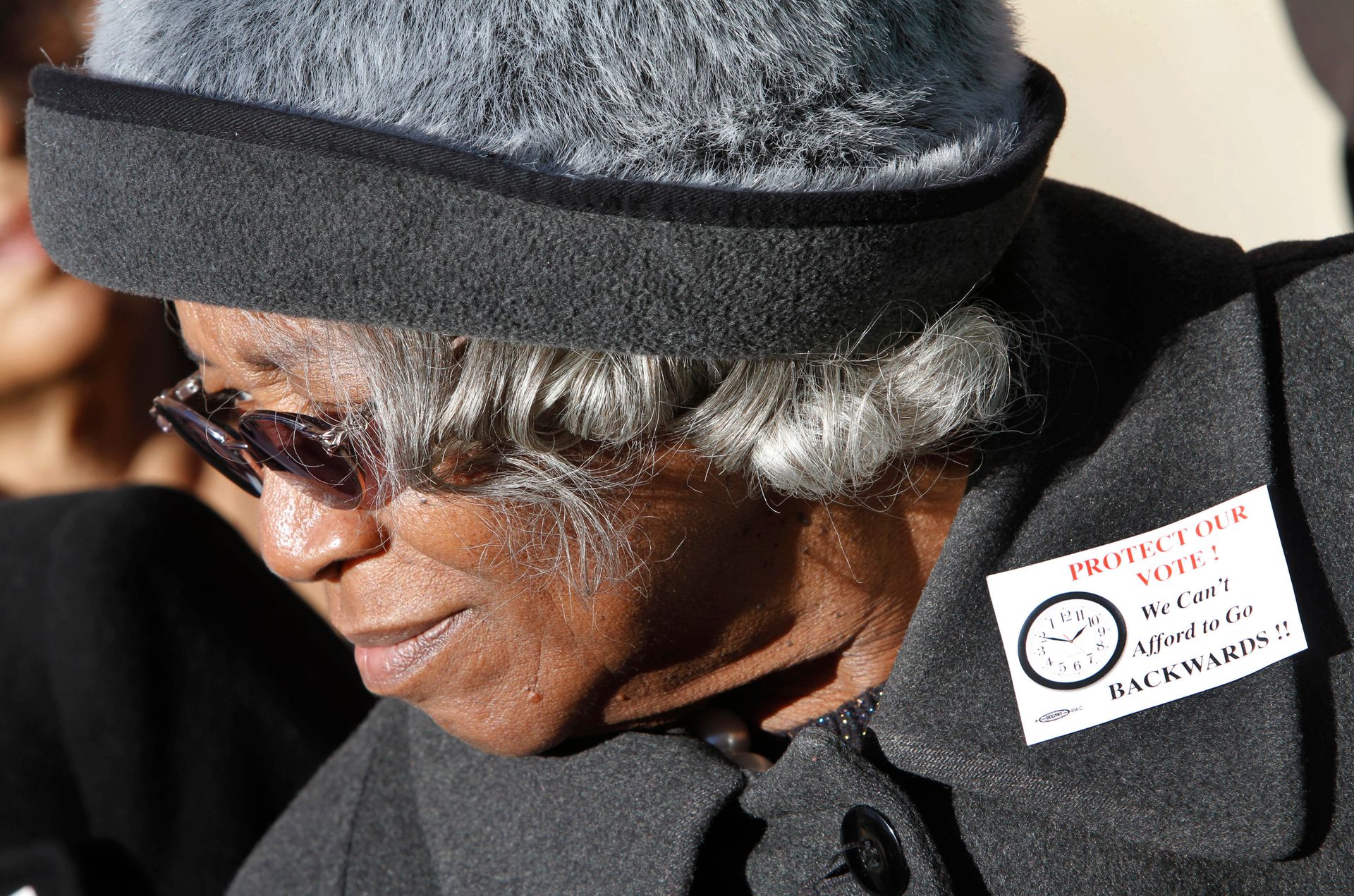
A trailblazer in voting rights, the late Senator Yvonne Miller made history as the first African American woman elected to Virginia’s state legislature. Known for her relentless pursuit of justice, she championed constitutional amendments to expand voting rights for individuals with felony records during her tenure.
Though her proposals faced defeat, her legacy is coming to fruition with a recent push in the Senate to put these amendments before Virginia voters. Current Senator Angelia Williams Graves poignantly remarked on Miller's impact, highlighting how Miller "planted the seed" for future change.
Senator Mamie Locke also honored Miller’s contributions, emphasizing that the current initiative is a continuation of Miller's passion. Dark clouds of past injustices are beginning to lift, thanks to Miller's pioneering spirit.
As Virginia prepares for this pivotal vote, discussions are underway to commission a new portrait of Miller, ensuring her legacy shines in the Capitol.

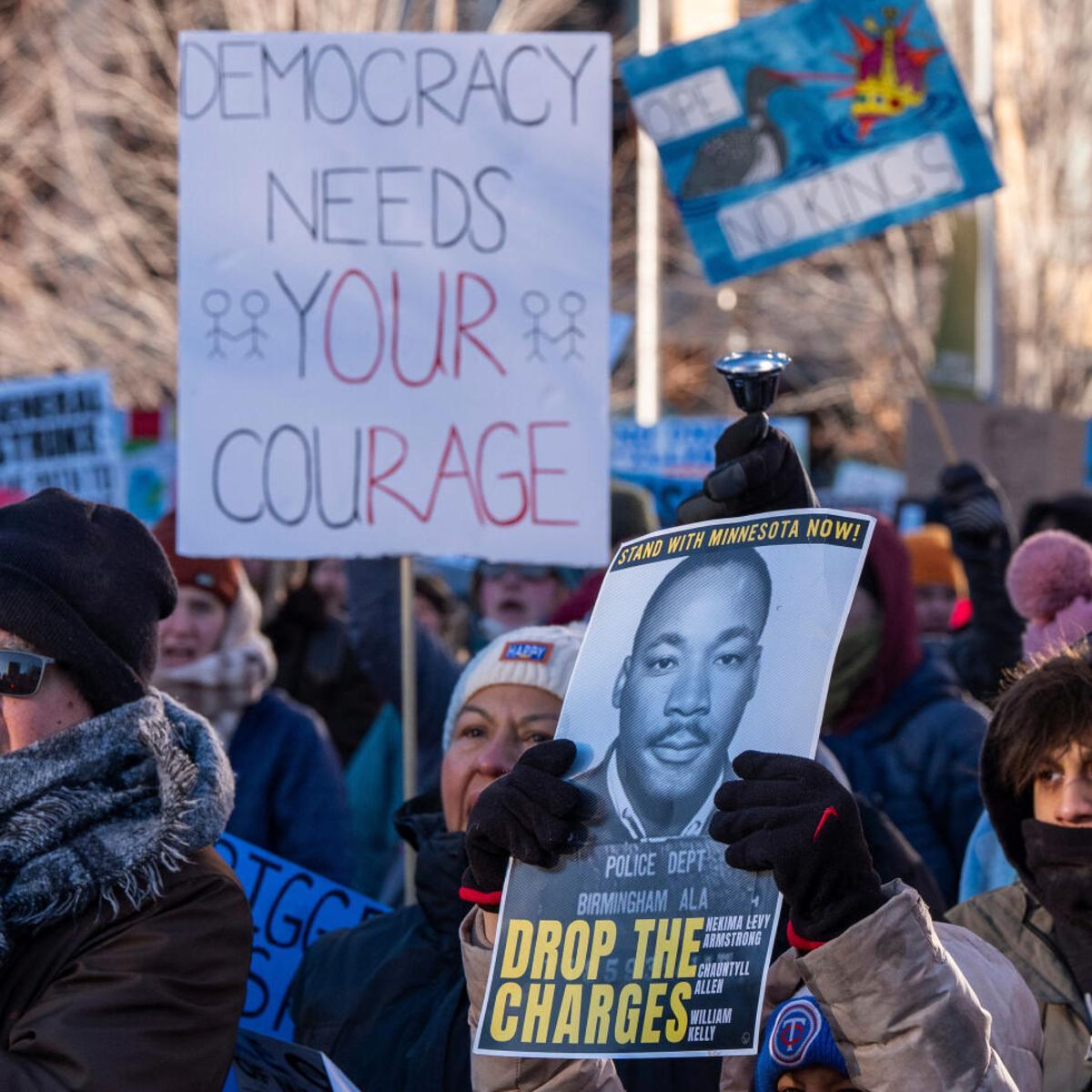
In a poignant narrative from the Associated Press, families of Black individuals killed by police reflect on their ongoing struggles for justice, triggered by the recent deaths of white protesters Alex Pretti and Renée Good in Minneapolis. As new evidence emerges, the swift disparagement of these victims by authorities evokes memories of their own tragic losses.
Timothy Welbeck, an expert in anti-racism, emphasizes the longstanding critiques from Black communities about law enforcement's treatment of such cases. The article highlights the unsettling parallels between the narratives surrounding Pretti and Good's deaths and those of high-profile Black individuals like George Floyd.
Activists argue that while outrage over the recent killings is valid, it invites reflection on the systemic racism that often sidelines Black victims. Tiffany Crutcher, sister of Terence Crutcher, expresses that this moment can catalyze awareness around the unequal justice faced by marginalized communities.
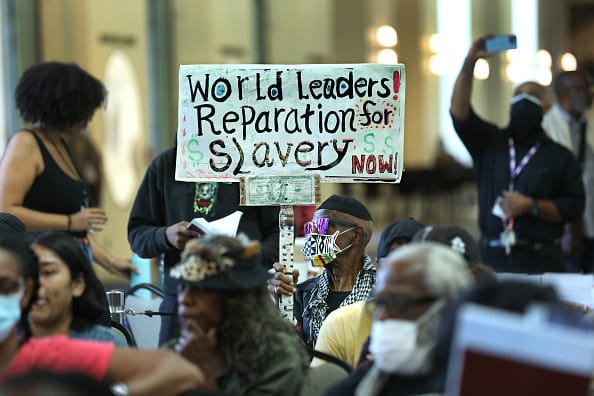
The Caribbean and Africa are joining forces to champion the transatlantic slave trade as “the greatest crime against humanity.” Spearheaded by CARICOM and the African Union (AU), this bold initiative aims to present a resolution to the United Nations on March 25, 2026.
Ghana’s Foreign Minister, Samuel Okudzeto Ablakwa, emphasized the resolution's undeniable facts, marking a significant step towards reparatory justice. The recent Africa-CARICOM summit in Addis Ababa solidified this partnership, focusing on honoring ancestors and uplifting future generations.
Both regions are committed to a decade-long agenda prioritizing reparations, which includes a formal apology, funding for repatriation, and the return of cultural artifacts. With African and Caribbean nations rallying together, this initiative seeks to bridge the oceans that once divided them, driving a collective movement for justice and unity.

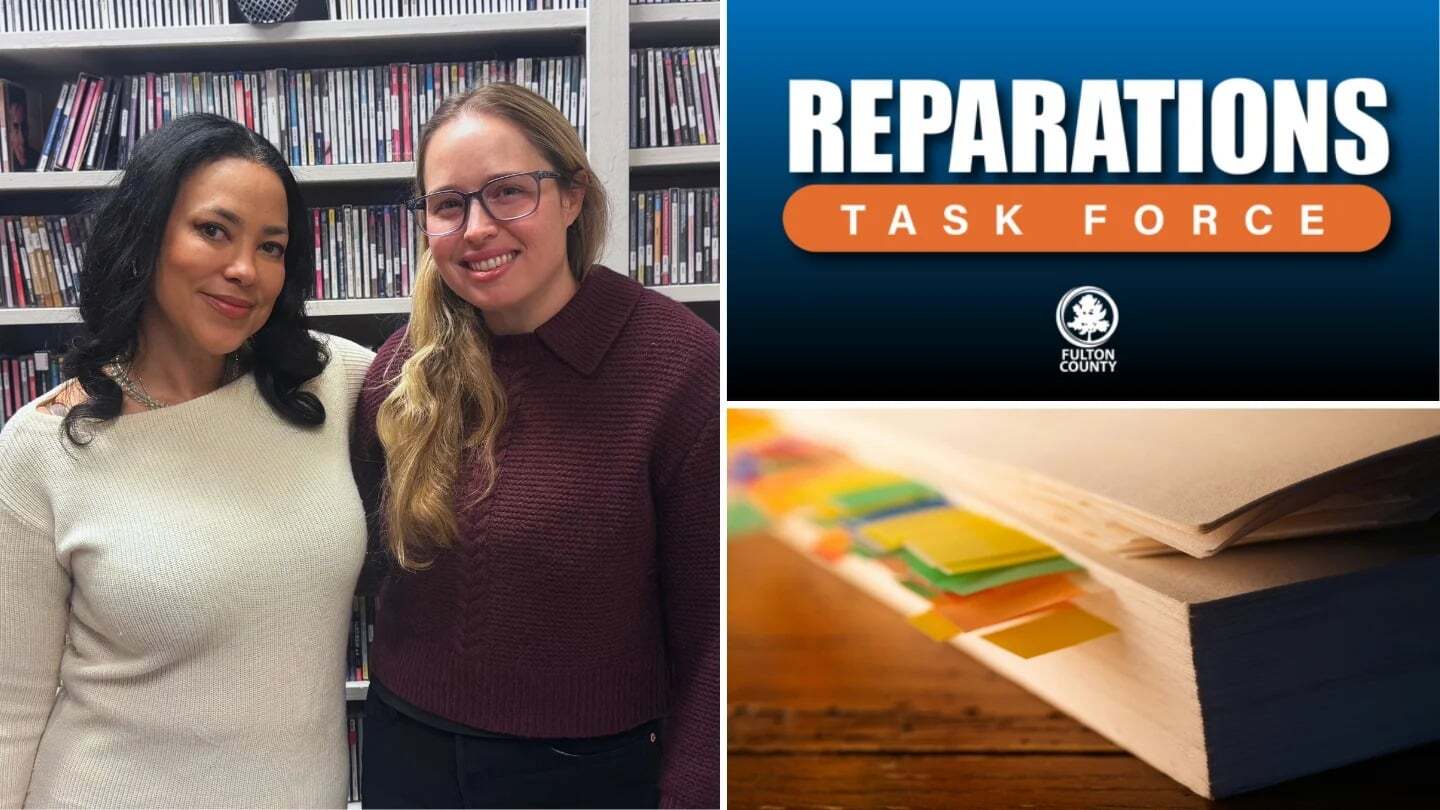
Fulton County is facing a significant reckoning with the release of a groundbreaking $375 million Harm Report, spearheaded by the Fulton County Reparations Task Force. Led by historian Dr.
Karcheik Sims-Alvarado and Dr. Amanda Meng, the report quantifies the economic impact of slavery from 1853 to 1865, translating the value of stolen labor into today’s dollars.
This extensive 650-page document, soon to be made public, reveals the deep historical connections to slavery in the area, including names of local enslavers like the notorious Col. George Washington Adair.
The detailed analysis not only highlights the injustices endured but raises crucial questions about accountability and reparations. This initiative is a vital step towards addressing the historical harms connected to slavery and Jim Crow laws, paving the way for a broader dialogue on justice and equity in the community.
The findings promise to spark discussions about historical reparations and the responsibilities of local entities.
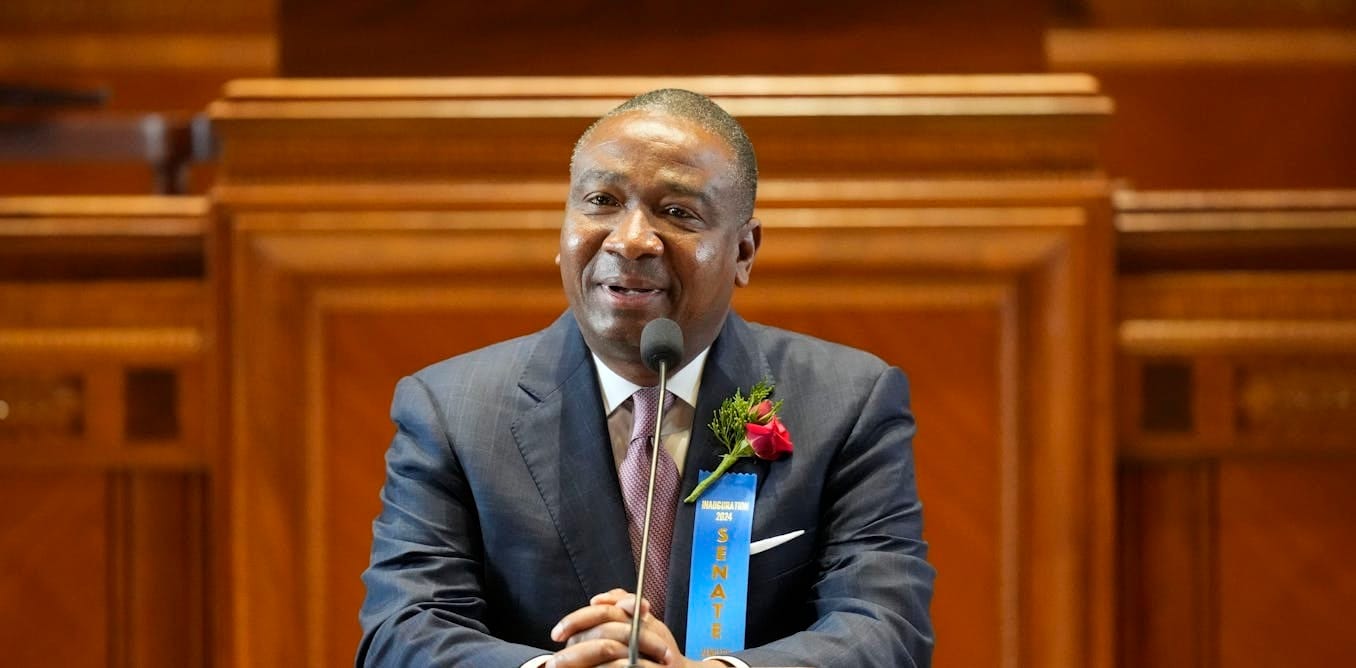
The Supreme Court may be on the brink of significantly weakening Black political power in the U.S.
, jeopardizing decades of progress. In the upcoming case of Louisiana v.
Callais, the court is expected to challenge Section 2 of the Voting Rights Act, which protects against discriminatory voting practices that dilute minority representation. Historically, this provision enabled the establishment of majority-Black districts, countering previous gerrymandering efforts aimed at suppressing Black voters.
If overturned, states, particularly in the South, could redraw district maps, further marginalizing Black political influence, drawing stark parallels to the Jim Crow era. This potential ruling not only threatens to unravel civil rights advancements but also highlights how the 14th Amendment, initially crafted to safeguard the rights of freed slaves, could ironically facilitate a reversal of Black political empowerment.
As the court's decision looms, the stakes for Black communities remain alarmingly high.
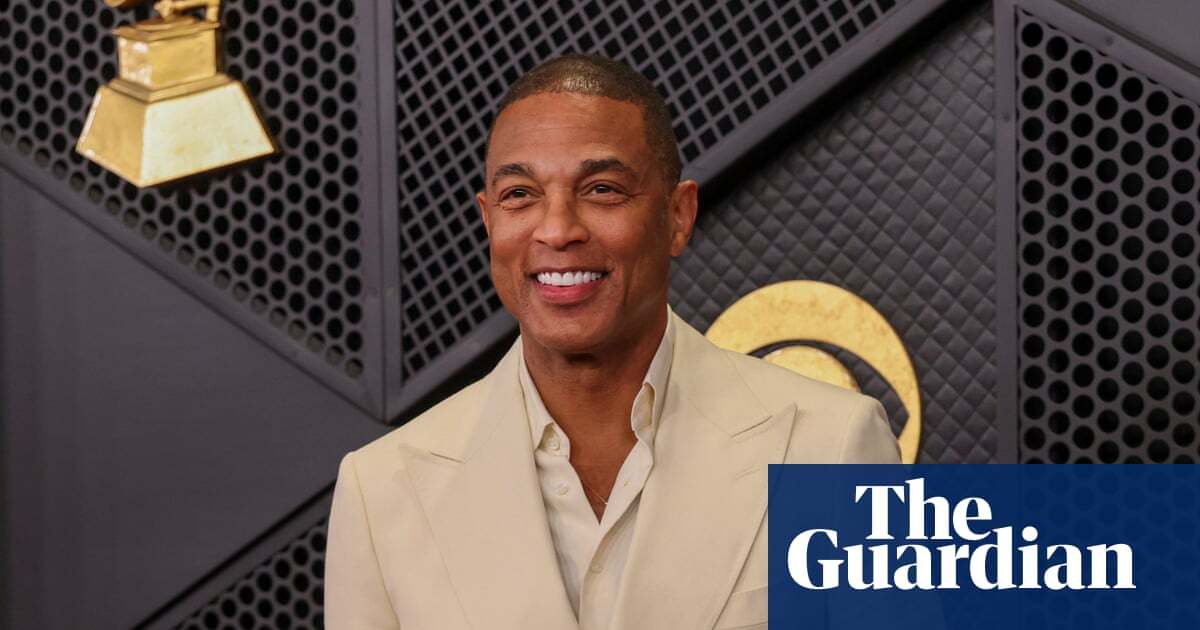
In a dramatic turn of events, Don Lemon, former CNN anchor, found himself at the center of an arrest saga that showcased an unusual clash between law enforcement and journalism. Despite his attorney's offer for him to voluntarily surrender regarding federal civil rights charges tied to his coverage of an anti-ICE protest at a Minnesota church, about a dozen agents stormed his Los Angeles hotel room on January 30.
In a candid appearance on "Jimmy Kimmel Live!", Lemon recounted how he was unexpectedly accosted by the agents and questioned them about the lack of a warrant before his release later that day. Lemon, who plans to plead not guilty, emphasized his role as a journalist, asserting, “I went there to chronicle and document.
” This incident has sparked conversations about the boundaries of journalism and law enforcement in a politically charged environment.
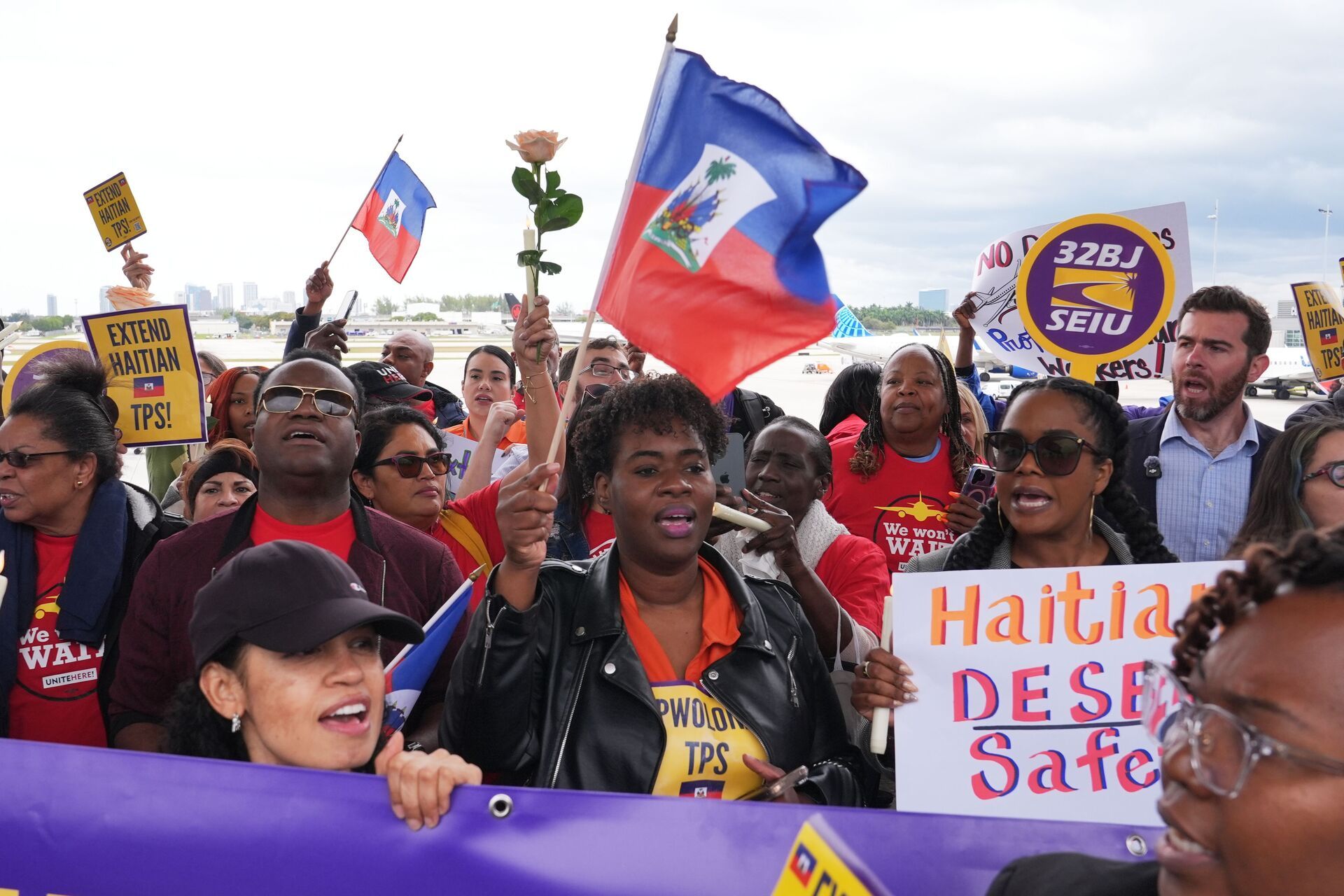
In a significant legal development, a federal judge has stepped in to pause the Trump administration's plan to end Temporary Protected Status (TPS) for over 350,000 Haitian immigrants. This protection, established after Haiti's devastating 2010 earthquake, allows Haitians to live and work in the U.
S. amidst ongoing turmoil in their homeland.
U.S.
District Court Judge Ana Reyes slammed the Department of Homeland Security's lack of a proper review regarding conditions in Haiti and criticized Secretary Kristi Noem's derogatory remarks about immigrants. The plaintiffs asserted the termination decision was influenced by Trump's negative comments about Haiti and its people.
Advocates hailed the ruling, emphasizing that TPS holders are integral to the U.S.
economy, caring for families and contributing to various industries. This ruling offers a temporary sigh of relief for those affected as the legal battle continues.
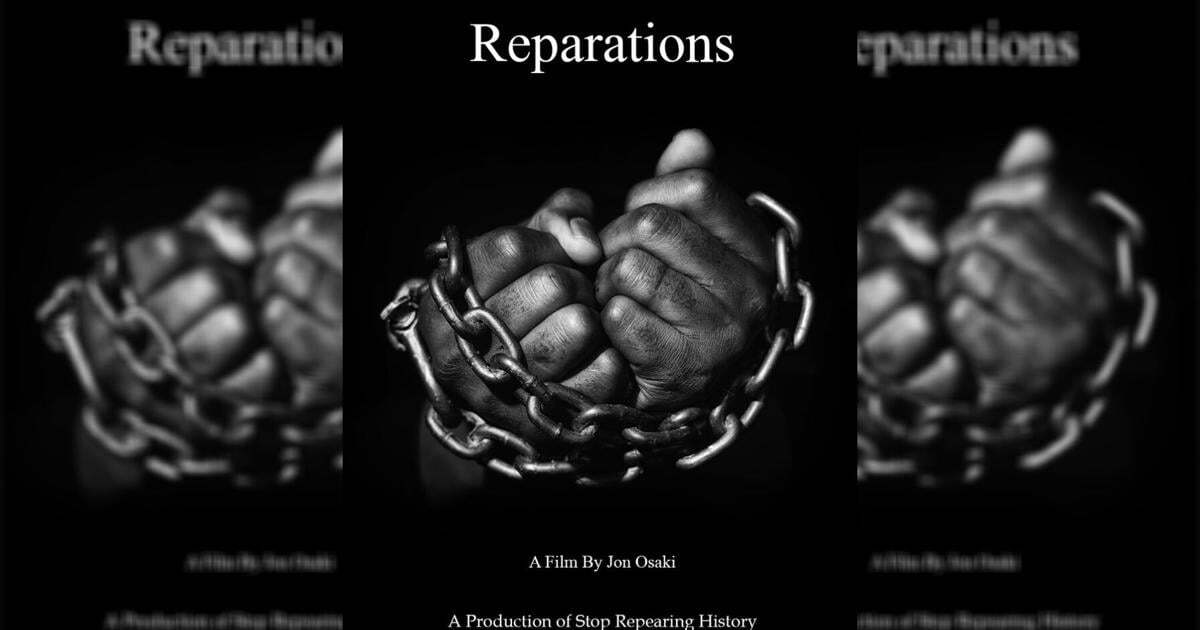
On January 25, the Oakland Asian Cultural Center buzzed with energy as a diverse audience gathered for the screening of Jon Osaki's powerful documentary "Reparations." This eye-opening film chronicles the compelling fight for reparations for African Americans, intertwining historical struggles from slavery to contemporary movements for justice.
Following the screening, a no-nonsense panel discussion highlighted the ongoing efforts for reparations, featuring task force member Don Tamaki and advocate Michael McBride, who urged attendees to support H.R.
40—a bill aimed at establishing a commission to study reparations proposals. The event underscored the urgency of justice, with voices like Debra Gore-Mann from the Alameda County Reparations Commission emphasizing policies that foster healing.
Amidst the community's shared resolve, Osaki’s documentary and the panelists reminded everyone that the quest for reparations is crucial, resonating with themes of intercommunal support and the demand for systemic change in the face of historical injustices.