- BlackVoter.Org
- Posts
- BlackVoter.Org
BlackVoter.Org

BlackVoter.org
February 20, 2026

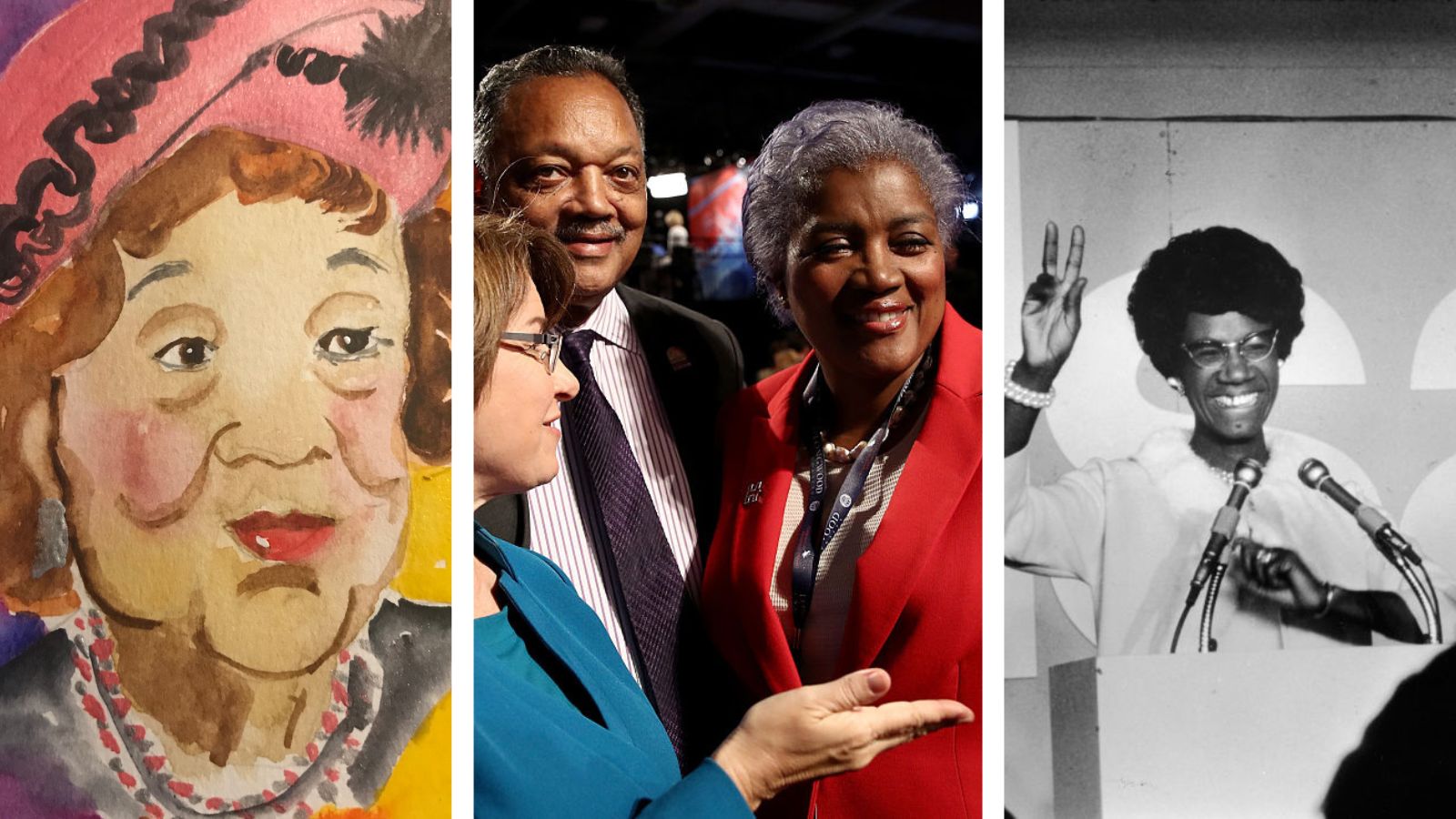
This article celebrates Black History Month by highlighting the significant contributions of Black Americans, especially women, to democracy in the U.S.
From historic politicians like Shirley Chisholm and Dorothy Height to contemporary leaders like Kamala Harris, these figures epitomize resilience against systemic exclusion. Black women have played pivotal roles in civil rights, voter mobilization, and governance, leading movements that redefine representation.
Yet, the article poses a critical question: why do so many "firsts" still exist? It calls attention to the structural barriers in politics that hinder equitable representation. As progress in leadership continues, it emphasizes the importance of reforming institutions to ensure a democracy that reflects the diversity of its people, rather than relying solely on extraordinary individuals to break through existing ceilings.
The ongoing journey for representation demands that systems change to embrace the full spectrum of talent and leadership.
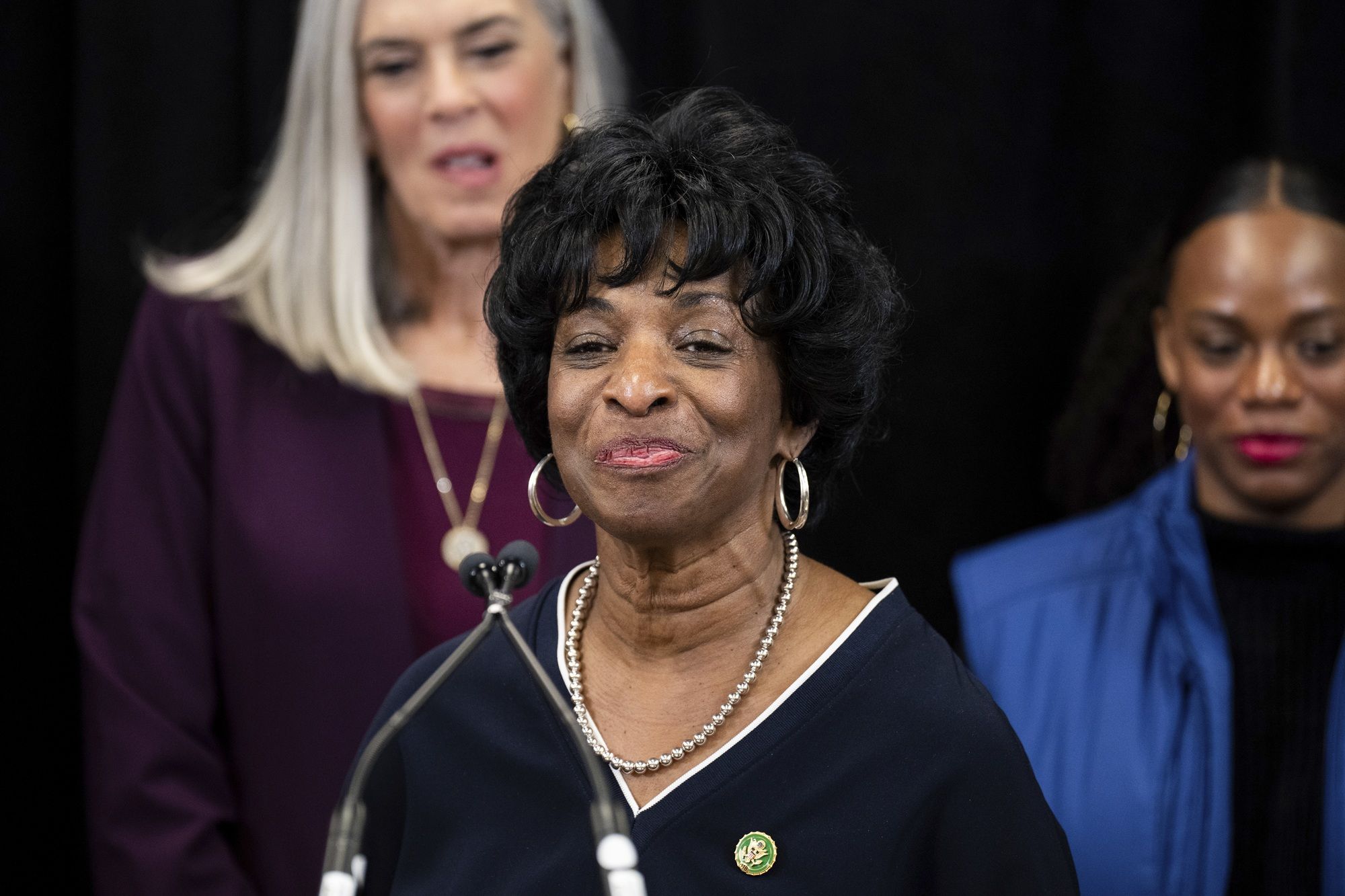
The North Carolina congressional race highlights the risks of big-money support as Rep. Valerie Foushee, once buoyed by millions from AIPAC, now faces a formidable progressive challenger, Nida Allam.
With the primary just around the corner, Allam has gained significant traction, outspending Foushee by over 10-to-1 thanks to grassroots backing from progressive PACs like Justice Democrats. Foushee, now distancing herself from AIPAC, is facing mounting pressure from constituents who demand transparency and accountability in campaign funding, particularly concerning new AI data centers proposed in the area.
Allam, fueled by local support and a commitment to reject corporate influence, is standing firm against these projects. The dynamic between grassroots activism and corporate PAC money is reshaping the campaign landscape, showcasing the power of community engagement in a heavily funded political environment.
As the March 3 primary approaches, this contest could redefine how candidates navigate the murky waters of campaign finance.


The Black press has played a crucial role in American history, advocating for African American rights and shedding light on injustices when mainstream media often remained silent. From its inception with Freedom’s Journal in 1827 to iconic publications like the Chicago Defender, the Black press has been a fearless voice against white supremacy, highlighting the struggles and achievements of Black communities.
Despite facing violence and censorship, journalists such as Ida B. Wells and Martin Luther King Jr.
recognized the profound impact of the Black press in championing civil rights and expressing collective anger. While many traditional newspapers face decline, the digital transformation has allowed Black publications to continue serving and empowering their communities, providing vital local news and nurturing future generations of Black journalists.
As Rev. Benjamin Chavis notes, the Black press remains irreplaceable in documenting the African American experience and fostering a more equitable society.
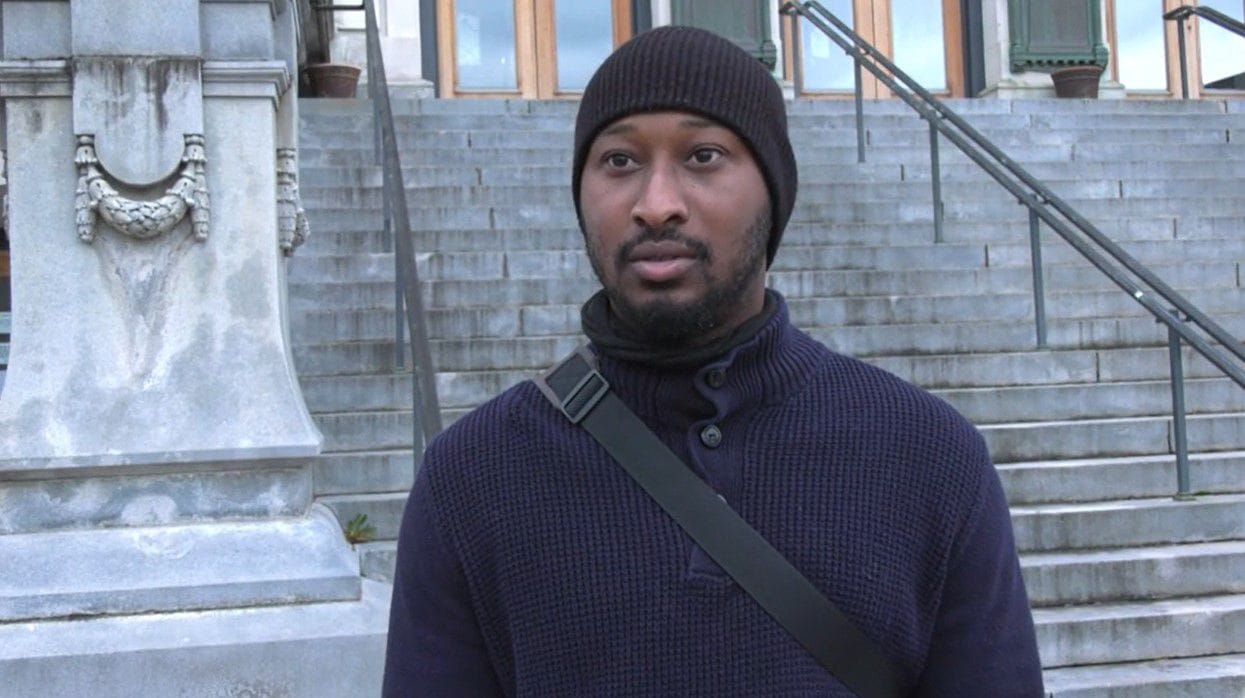
Onondaga County Legislator Maurice Brown is shaking things up in Central New York politics by announcing his primary challenge against veteran Assemblyman Bill Magnarelli for the 129th District seat. With a fervent message of change, Brown emphasizes that Syracuse deserves "stronger results from Albany," criticizing the incumbent’s near 30-year tenure for failing to deliver on pressing issues like public safety, reliable transit, and affordable housing.
As chair of the county’s Ways and Means Committee and a founder of the progressive Uplift Syracuse group, Brown aims to focus on tax fairness and advocate for policies like universal childcare and comprehensive healthcare for all. He believes it’s time for leadership that champions real outcomes rather than just efforts, gearing up to engage the community and challenge the status quo.
With the stage set for an exciting Democratic primary, Brown’s campaign promises to bring fresh perspectives to the issues that matter most to working families.
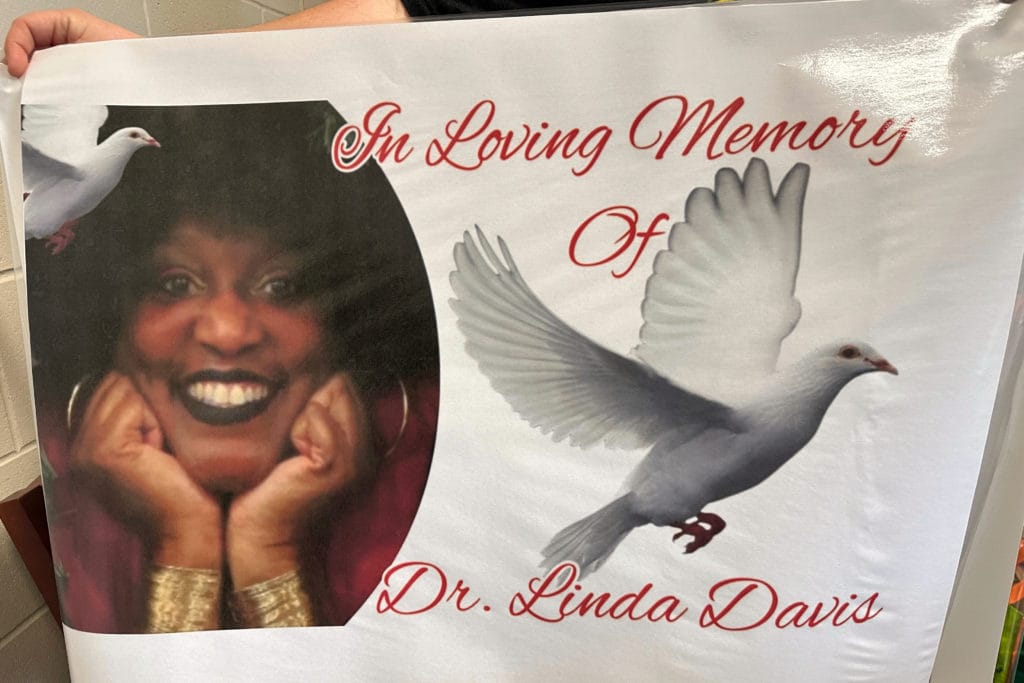
Linda Davis, a beloved kindergarten teacher in Savannah, Georgia, tragically lost her life in a car crash stemming from a high-speed chase involving immigration officers. The 52-year-old educator, known for her infectious smile and dedication to students with special needs, was struck while commuting to work – a heart-wrenching reality for her young pupils who were left grief-stricken after learning she wouldn’t return.
The incident involved a Guatemalan man fleeing a traffic stop by ICE, currently under scrutiny for aggressive tactics. Local officials are questioning the necessity of the pursuit that led to Davis's death.
Community members, mourning her loss, have gathered at the crash site, leaving flowers and heartfelt messages. Described by her sister as vibrant and full of life, Davis’s sudden passing has left a profound void felt throughout the school and beyond, encapsulating a heartbreaking intersection of personal loss and broader immigration discussions.
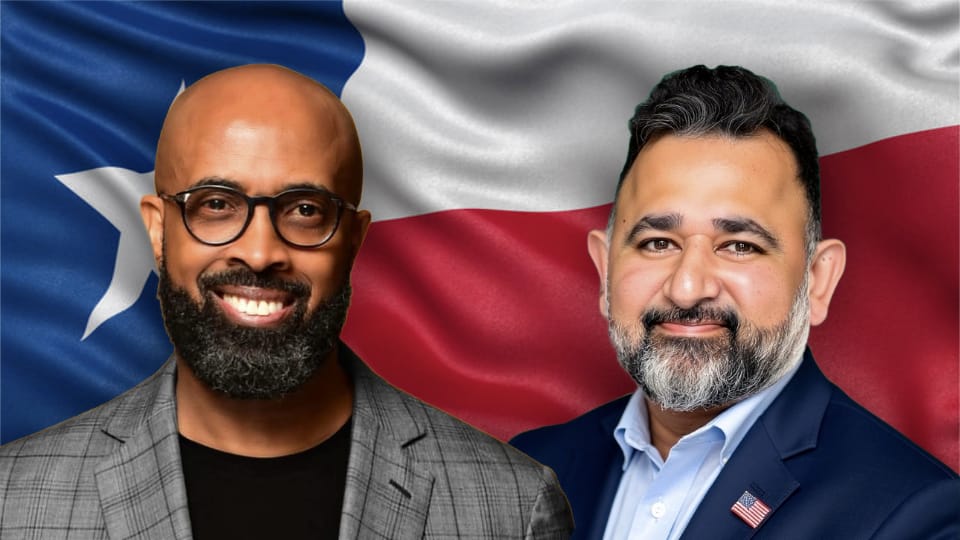
In an exciting political alliance, Texas congressional candidates Frederick Haynes and Zeeshan Hafeez are teaming up to advocate for progressive change in their respective Dallas-area districts. Rev.
Dr. Haynes, a renowned anti-racism advocate and pastor, is vying for District 30, while Hafeez aims to disrupt the status quo in District 33.
Both candidates, who label themselves as “radical progressives,” share bold visions for universal healthcare, affordable education, and addressing systemic racism. They’ve united against the backdrop of heavy gerrymandering and a push from the GOP to secure more seats in Texas.
Haynes highlights the troubling nature of U.S.
foreign policy and the need for economic justice, while Hafeez champions grassroots movements and calls for corporate accountability in politics.
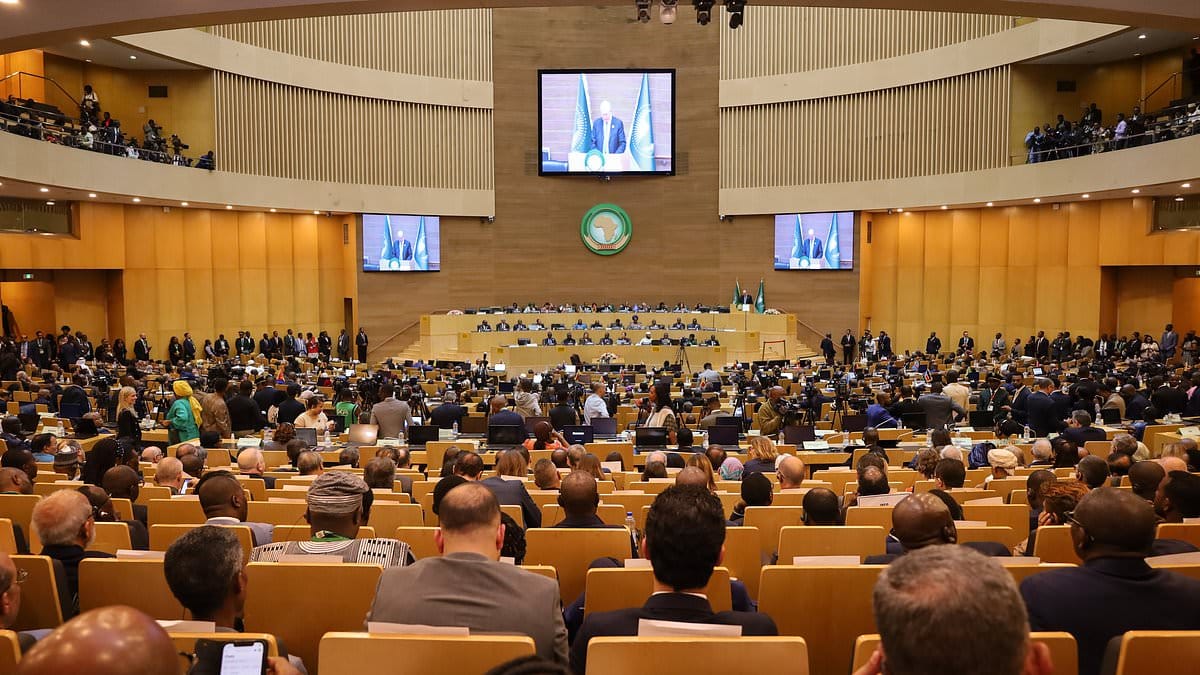
Labour MP Bell Ribeiro-Addy has ramped up calls for Britain to pay reparations for its role in the transatlantic slave trade, echoing demands from the African Union (AU). Highlighting an upcoming UN resolution that will classify the slave trade as a "crime against humanity," Ribeiro-Addy emphasized the need for the UK government to confront the "enduring legacies of slavery and colonialism.
" The AU, representing 55 African nations, is advocating for "meaningful reparations," not just financial compensation but also the return of looted artifacts and alterations to global economic systems that continue to exacerbate inequality. With Ghana leading the charge, this movement signals a collective stand against historical injustices, and it poses new challenges for UK leadership.
As discussions on reparations gain momentum, the potential ramifications could reshape diplomatic relations and how former colonial powers address their past.