- BlackVoter.Org
- Posts
- BlackVoter.Org
BlackVoter.Org

BlackVoter.org
January 27, 2026

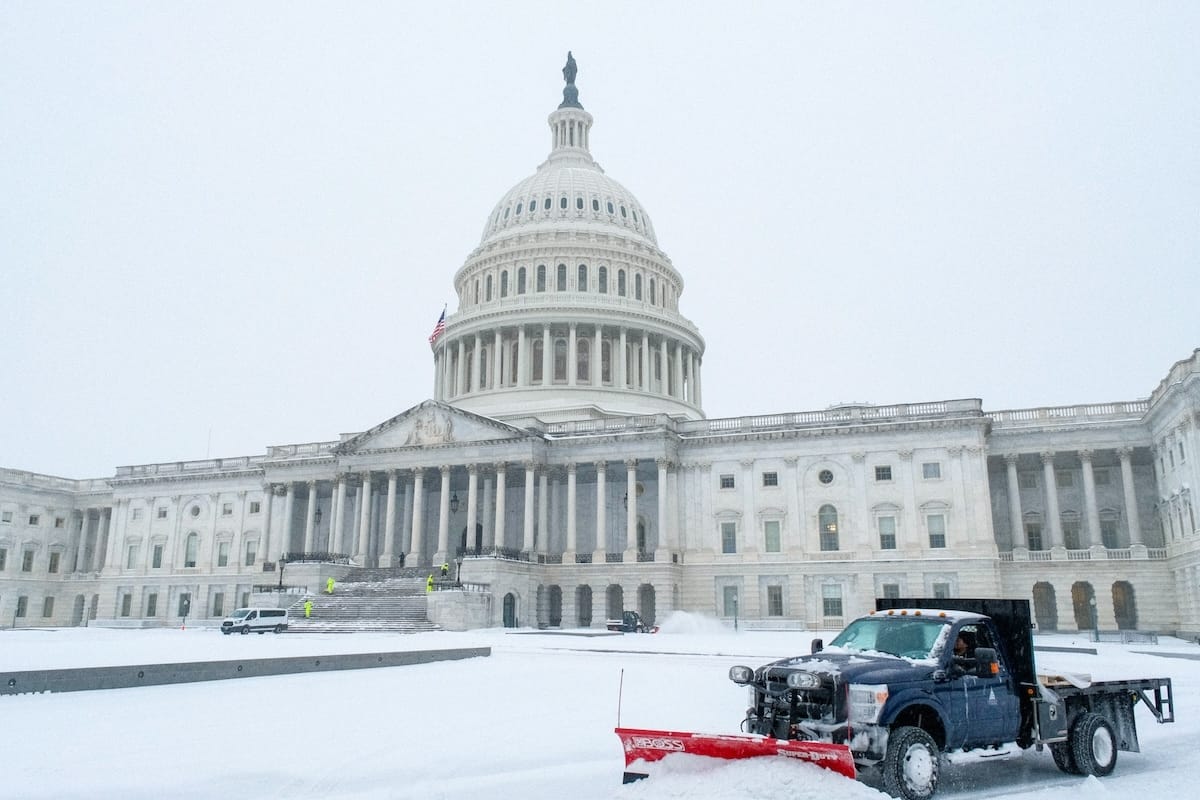
As tension rises with another potential federal government shutdown, Washington, D.C.
stands resilient. While challenges are ahead, especially for Black workers who are disproportionately affected, local leaders like Mayor Muriel Bowser assure that the city will continue to thrive.
D.C.
schools will remain open, public safety will be prioritized, and community services will persist, highlighting the strength and determination of its citizens. The local economy may face hurdles, but together, the community can forge ahead, reinforcing the importance of support networks and resilience.
Past experiences have shown that while shutdowns create uncertainty, they also ignite a collective spirit of perseverance. With unity and determination, D.
C.'s rich history of overcoming adversity will prevail.
Together, the community has the power to navigate these challenges and emerge even stronger, ensuring a brighter future for everyone.
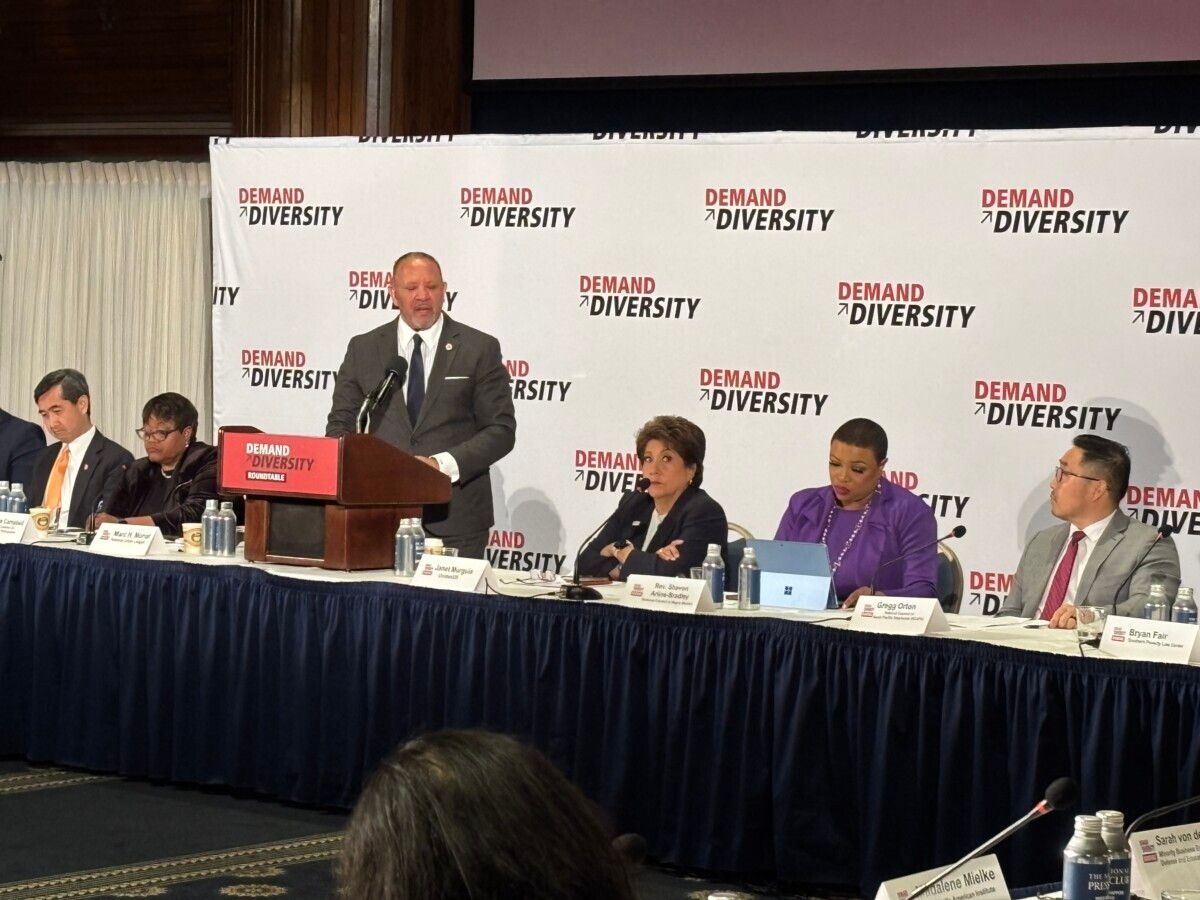
In a challenging climate for the Black press, recent reports highlight an alarming 80% decline in revenue linked to a backlash against Diversity, Equity, and Inclusion (DEI) initiatives. Despite this setback, leaders like Benjamin Chavis Jr.
from the National Newspaper Publishers Association remain resilient, rallying support for unity and action. At a recent "Demand Diversity Roundtable," participants emphasized the critical need for diverse voices in journalism, asserting that these narratives are essential for an honest representation of society.
While the road ahead may seem daunting, there's a strong, collective determination brewing within the community. Advocates call for strategic mobilization and collaboration as they prepare for impactful elections in 2026, aiming to reclaim influence and drive positive change.
This moment is a call to action, harnessing the power of journalism to uplift marginalized voices and ensure their stories continue to be told. Together, they are fueled by hope and a steadfast commitment to progress.
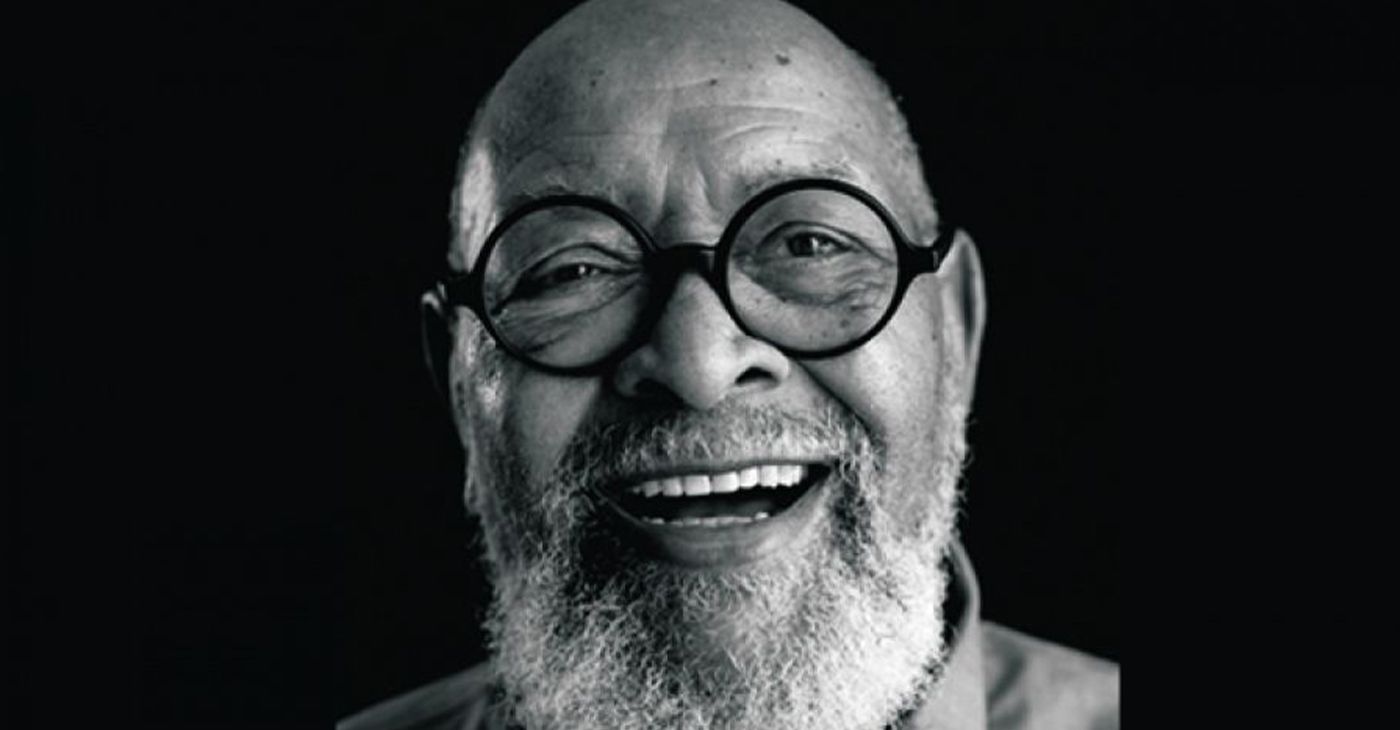
The Rev. Cecil Williams, a beloved social justice leader and civil rights activist, passed away at 94 in San Francisco on April 22.
As the head pastor of the GLIDE Memorial United Methodist Church, he was a beacon of hope for marginalized communities, advocating for the rights of LGBTQIA individuals and the less fortunate. Williams' remarkable journey attracted the support of iconic figures such as Oprah Winfrey and Maya Angelou, demonstrating the far-reaching impact of his mission.
Esteemed leaders, including Governor Gavin Newsom and Congressmember Barbara Lee, celebrated his legacy of inclusivity and compassionate service. Rev.
Williams' work not only transformed lives in the Bay Area but inspired countless individuals to champion love and acceptance. His spirit endures in the ongoing pursuit of social justice, reminding us that one person can make a profound difference.
Let us honor his legacy by continuing to spread kindness and advocate for equality in our communities.
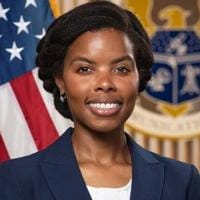
Olivia Trusty of the FCC defends the agency's broadcast rules, emphasizing that they are based on legal precedent rather than political motivations. In her insights, she articulates the unique nature of broadcasting within the landscape of First Amendment rights, likening it to walking on a frozen lake—stable at first, yet requiring careful navigation.
Trusty underscores the importance of the public interest and advocates for market-driven solutions over stringent regulations, believing that broadcasters genuinely value their responsibilities. She also highlights the role of technology in enhancing free speech, stating that innovation not only provides new communication channels but also reinforces the foundations of expression.
Ultimately, Trusty encourages a balanced approach where free speech and innovation go hand in hand, fostering a more engaged and connected society. Her commitment to these principles underscores a hopeful future for broadcasting and freedom of expression in America.
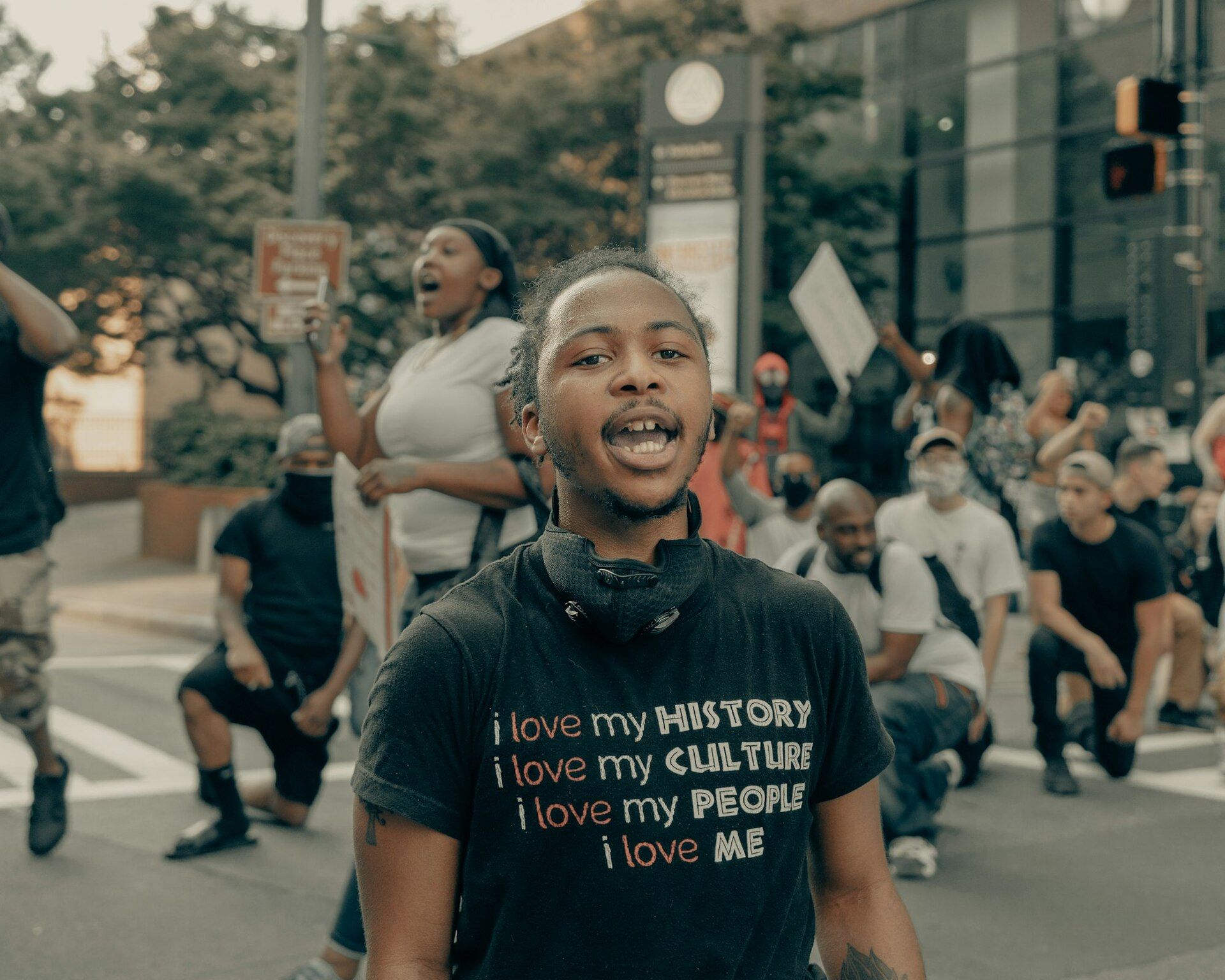
In "The Politics of Hiding Black History," Dr. Allison Wiltz highlights the grave injustice of erasing Black narratives from American history.
By removing significant exhibits and references that showcase the experiences of enslaved individuals, we not only silence their voices once more but also rob our society of valuable lessons from the past. Wiltz draws a powerful parallel between the efforts to obscure these histories and a community's struggle to maintain artistic expression.
Despite current attempts to sanitize the truth, it’s essential we recognize and celebrate the richness of Black history. As we approach Black History Month, let’s commit to confronting our past honestly.
Embracing the full story—both its beauty and its pain—can ultimately lead to growth, understanding, and healing. Together, we can ensure that the legacies of those who were enslaved are acknowledged and honored, fostering a more inclusive future for all.
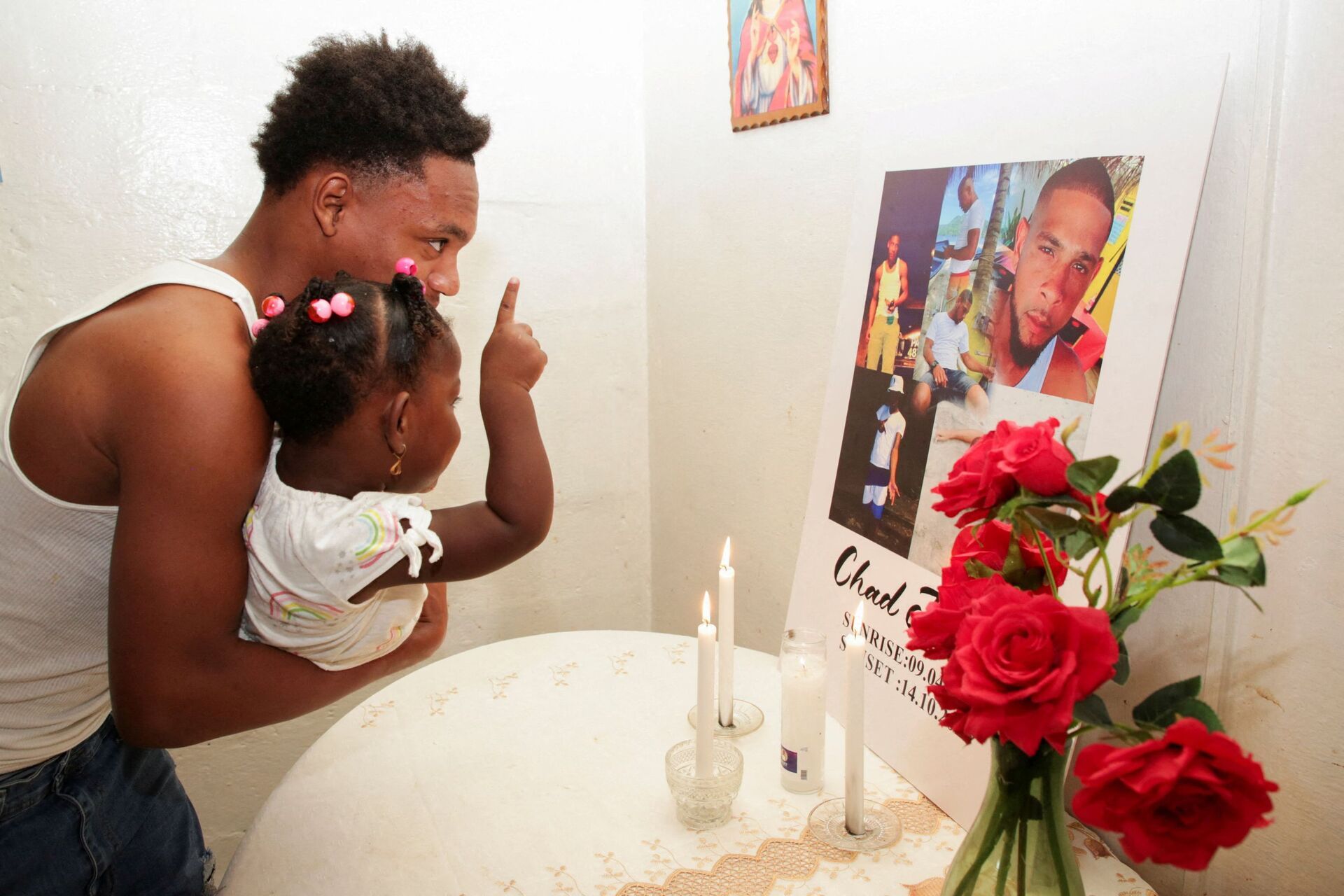
The families of two men, Chad Joseph and Rishi Samaroo, who were tragically killed in a U.S.
military strike, have taken a courageous stand by suing the government for unlawful actions. Joseph and Samaroo were seeking a way home from Venezuela when they became victims of a military operation targeting drug trafficking.
Their families assert that neither was involved in illegal activities and are contesting the legality of the strikes, which they argue lack justification and due process. This lawsuit not only highlights their pain but also offers a chance for accountability and a legal examination of military actions that have caused immense suffering.
Represented by the ACLU and other advocates, the families are determined to seek justice. Their resilience is a beacon of hope, reminding us of the need for compassion and fairness in the face of tragedy.
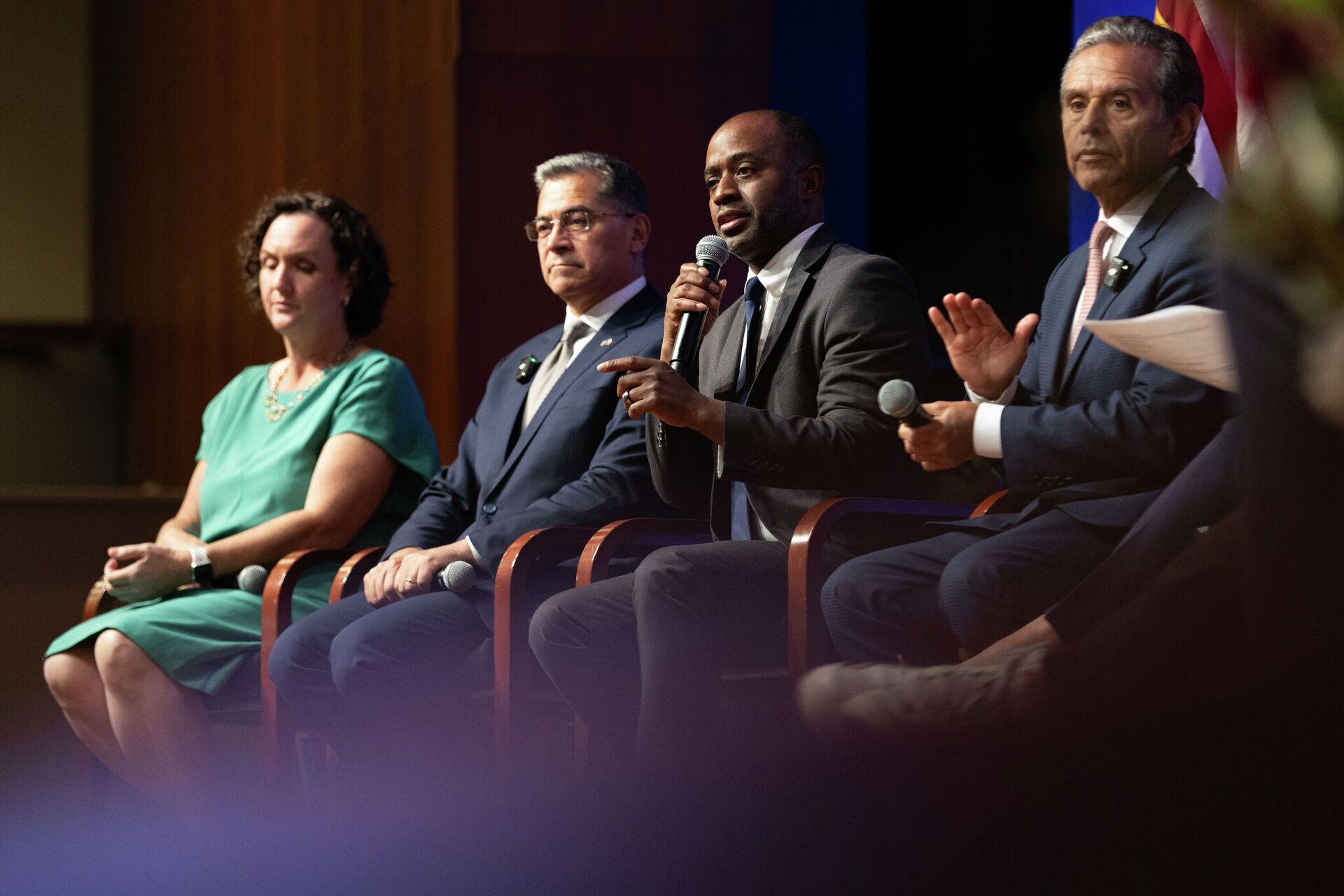
In the lead-up to California's gubernatorial election, candidates are navigating the topic of reparations with varying degrees of enthusiasm. While only Tony Thurmond, the sole Black candidate, mentioned reparations directly by proposing loans for Black Californians, other candidates focused on broader diversity, equity, and inclusion strategies.
This indicates a cautious approach toward a sensitive and complex issue. Despite the challenges, the discussions foster a constructive dialogue about economic empowerment and addressing systemic inequities.
The conversations sparked by these candidates show a commitment to supporting community development and encourage ongoing advocacy for meaningful reparations initiatives. With California's history of pioneering social policies, there remains hope that future leaders will embrace this important conversation with the seriousness it deserves, paving the way for a more equitable future for all residents.
Your participation in this discussion matters—advocate for strong, compassionate solutions that can lead to real change.
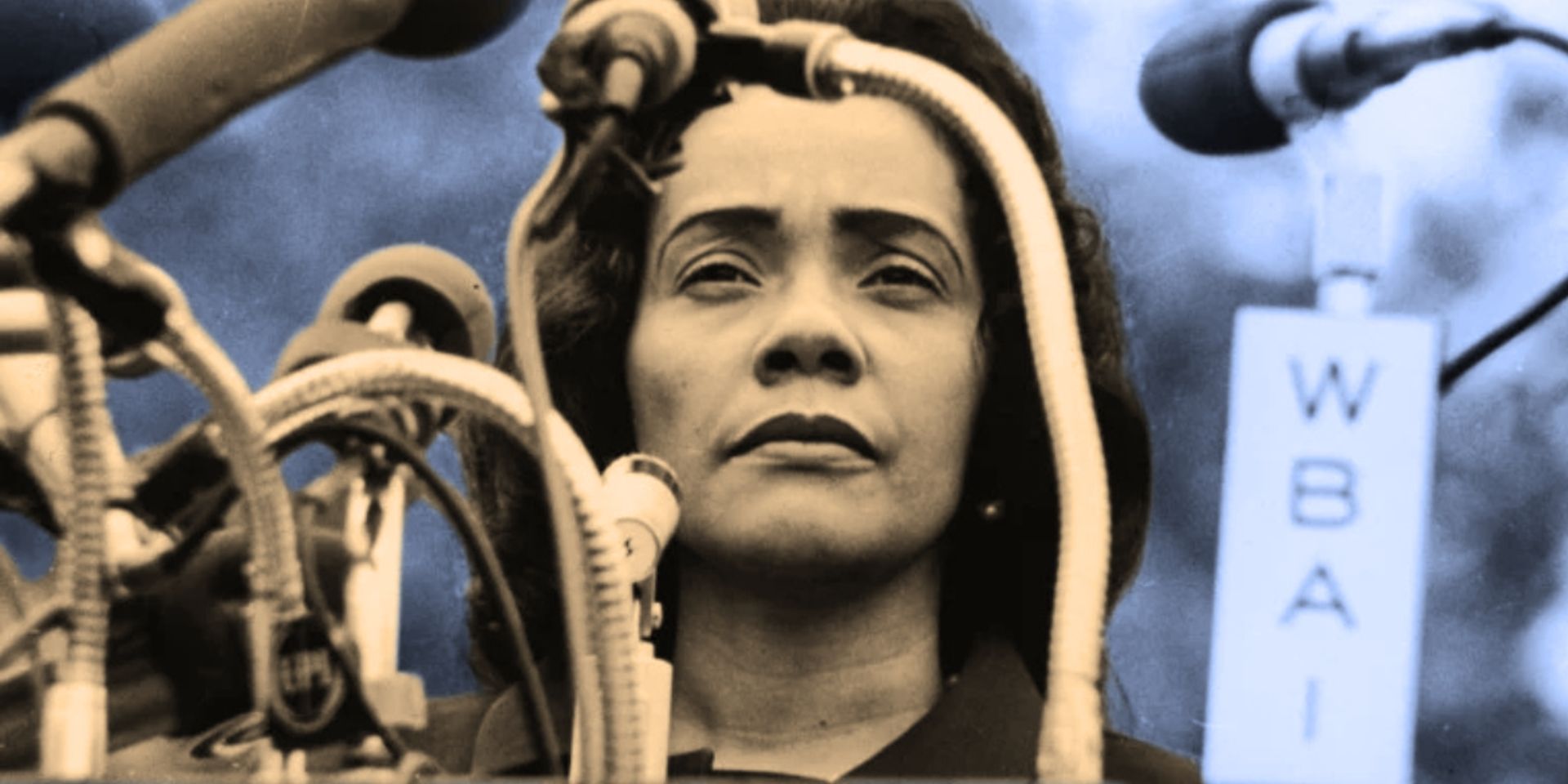
Coretta Scott King's remarkable journey into civil rights activism is a testament to her courage and fierce dedication to justice. As she stood before 18,000 people at Madison Square Garden in 1965, addressing the escalating Vietnam War, Coretta transformed from "Mrs.
Martin Luther King" into a powerful voice for peace. Her bold questioning of President Johnson’s policies illustrated her unwavering commitment to intersectional activism—where civil rights and peace go hand in hand.
In her stirring speech, Coretta argued that human suffering in war directly contradicts the fight for justice and equality. With the encouragement of fellow activists like Bayard Rustin, she rallied the crowd to envision a world where peace could be achieved through collective action.
Coretta's journey, rooted in her own experiences and shaped by her family’s struggles against racism, continues to inspire us today. Her legacy reminds us that courageous voices can spark profound change for a better future.