- BlackVoter.Org
- Posts
- BlackVoter.Org
BlackVoter.Org

BlackVoter.org
December 19, 2025


The BBC recently retracted its claim regarding the "first black Briton," originally attributed to the Beachy Head woman, whose skeleton was showcased in a 2016 documentary. Initially celebrated as evidence of early African presence in Britain, new DNA analysis debunked this narrative, revealing she was likely a white Briton with Mediterranean origins instead.
The BBC’s assertion—and the subsequent honor of a commemorative plaque—has now been scrapped. This shift spotlights a broader concern regarding the scientific integrity and motivations behind historical narratives, often influenced by contemporary ideologies.
Critics argue that such missteps illustrate how fact and theory can be manipulated, hindering genuine understanding of history. The case serves as a potent reminder of the importance of evidence-based conclusions in research, urging us to critically assess claims before accepting them as truth.
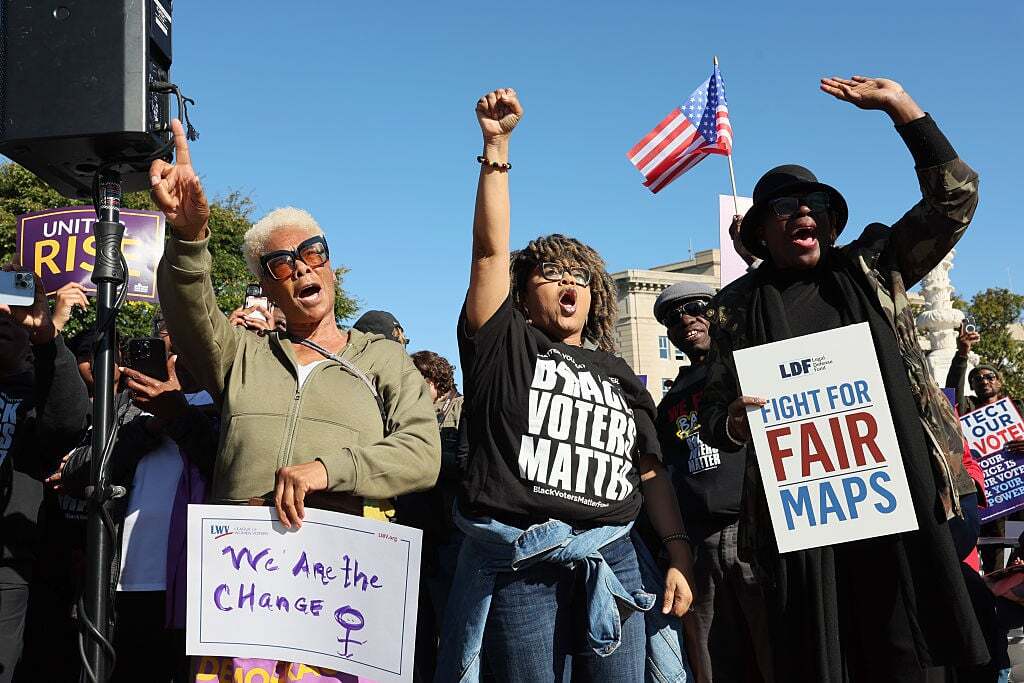
In a recent analysis of President Donald Trump's controversial remarks about Black Americans and "scams," the article highlights three key takeaways. Trump claimed to have significant support among Black voters, but this overlooks a modest 15% backing in the 2024 election, primarily from Black men.
His comments also reflect an alarming trend of using immigration issues to divide Black communities from immigrants, as he has attempted to attribute economic struggles faced by Black Americans to immigrant workers. Ironically, while Trump touts his connection to this community, Black unemployment rates have risen under his administration, hitting 7.
5%, nearly double the national average. Critics argue that his policies have disproportionately impacted Black Americans, undermining their economic wellbeing.
The article emphasizes the need for a deeper dialogue about these issues, revealing how power dynamics and economic policies can marginalize vulnerable communities.

The Black Liberation Army (BLA) ignited a fierce underground struggle against the American state during the 1970s, emerging from the remnants of the Black Panther Party. As Assata Shakur—one of the BLA's most iconic figures—passes away in 2025, her death rekindles interest in this secretive organization that advocated for armed resistance against systemic racism and oppression.
Born from the community self-defense ethos of the Panthers, the BLA transformed into an insurgent group championing revolutionary violence against not only local injustices but also imperialism globally. With a decentralized structure, its actions included bombings, thefts framed as "expropriations," and international maneuvers, such as a hijacking to Algeria.
Despite a swift fall after brutal government crackdowns, the BLA left an indelible mark on Black activism, challenging narratives around racial freedom and highlighting the enduring struggle against oppression—reminding us that the battle for justice remains deeply intertwined with America’s past and present.
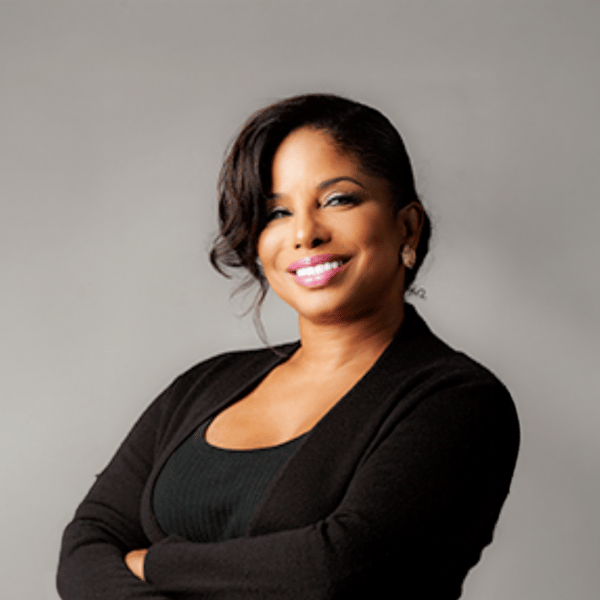
In a historic achievement, Dr. Alicia Moore has become the first African American woman to be promoted to full professor at Southwestern University after 24 transformative years on campus.
As a Professor of Education, her journey reflects her deep-rooted passion for teaching and commitment to inclusivity in education. Dr.
Moore has enriched the academic landscape by teaching diverse courses and mentoring countless students, while also advocating for educational equity. Inspired by previous trailblazers at Southwestern, she views her promotion not merely as a personal milestone but as a collective testament to Black excellence in academia.
With numerous accolades and a focus on enhancing diverse pedagogical practices, Dr. Moore continues to shape future generations, channeling her legacy into a framework of support for faculty and students of color.
Her unwavering dedication to social justice through education highlights the vital intersection of scholarship and advocacy.
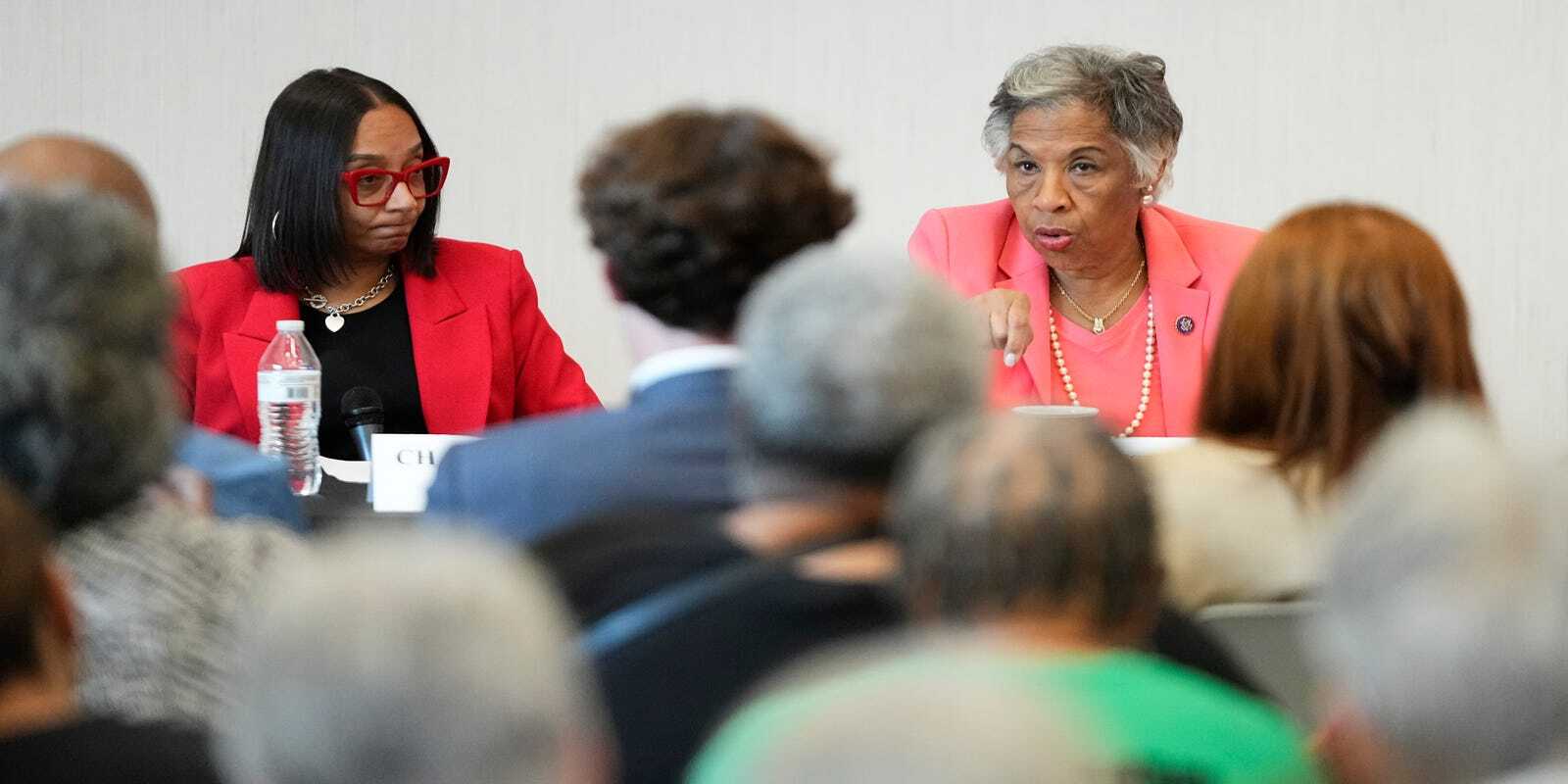
In a controversial move, the Kennedy Center’s board voted to rename the iconic institution the "Trump-Kennedy Center," a decision that has sparked significant backlash. Ohio Rep.
Joyce Beatty, an ex officio board member, claims she was muted during the virtual meeting and unable to voice her objections, contradicting the board's claim of a unanimous vote. In a passionate video posted on social media, Beatty expressed frustration over the lack of transparency and participation from virtual attendees, highlighting that members like herself were denied the chance to raise concerns before the vote.
Fellow lawmakers, including Senate Democrats, echoed her sentiments, asserting that federal law prohibits such a name change without congressional approval. Supporters argue the rename reflects Trump’s impact on cultural life, but critics warn it undermines the memorial significance of the center.
With legal and procedural questions swirling, the Kennedy Center’s decision is set against a backdrop of political turmoil and debates over governance.

In a controversial move, the Trump administration is urging white men to file workplace discrimination claims, stoking discussions around racial bias in the workplace. Andrea Lucas, the acting chair of the Equal Employment Opportunity Commission (EEOC), made headlines by inviting white males to seek compensation under federal civil rights laws if they believe they've faced discrimination.
She argues that systemic bias exists against white men, a claim echoed by Vice President JD Vance. This shift comes as the administration seeks to eliminate diversity programs it deems discriminatory and threatens organizations practicing inclusive policies.
In a society where studies show African American workers file complaints at significantly higher rates than their white counterparts, the EEOC's new focus sparks a heated debate about fairness and equity in employment practices. As the narrative unfolds, the implications for workplace diversity and inclusivity remain at the forefront of American political discourse.
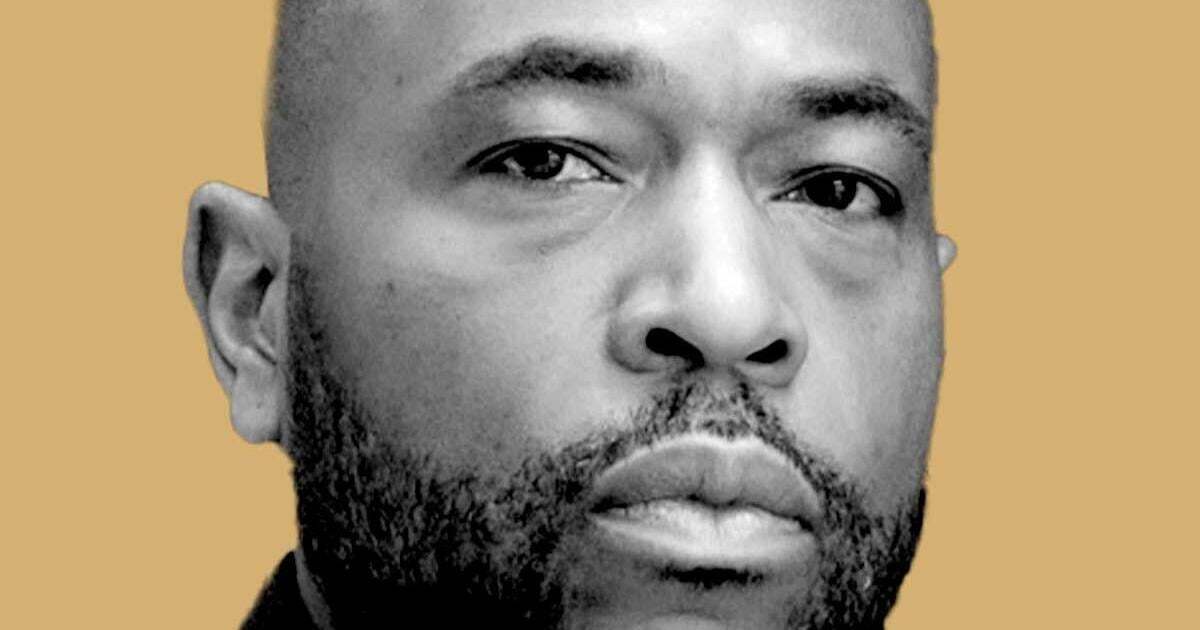
In his thought-provoking commentary, Theodore Johnson tackles the enduring myth of a monolithic Black America. He highlights how, despite shared experiences of racism, the Black community is not a singular entity.
The article notes that over 20% of Black Americans are now immigrants or children of immigrants, creating a rich tapestry of backgrounds and experiences that challenge outdated stereotypes. Johnson illustrates that while racism affects all, differences in education, income, and political identity are emerging between long-established Black Americans and newer immigrant populations.
He warns against the risks of lumping diverse histories into one narrative, which could exacerbate existing tensions. The changing landscape calls for greater understanding and solidarity among Black Americans, as well as an acknowledgment of the complexities within the community.
Only by embracing this diversity can we hope to foster true unity and progress in the fight against racial inequality.