- BlackVoter.Org
- Posts
- BlackVoter.Org
BlackVoter.Org

BlackVoter.org
December 09, 2025


In a shocking revelation, Pharrell Williams delivered a jarring critique of politics during the 5th Annual Black Ambition Demo Day, labeling it as a "magic trick" designed to sow division. His dismissive stance, stating "I hate politics," rattled attendees and ignited a fierce debate online, revealing a rift among fans.
Many expressed alarm at the implication that political engagement is unnecessary, with one warning, "If you don’t do politics, then politics will do YOU." Pharrell's insistence that merit, rather than race, should dictate opportunities sparked further controversy, with critics emphasizing the disconnection of wealthy figures from the struggles of the working class.
This bold stance, though celebrated by some, raises unsettling questions about the future of political discourse in America and the peril of ignoring the deeper societal issues at play.

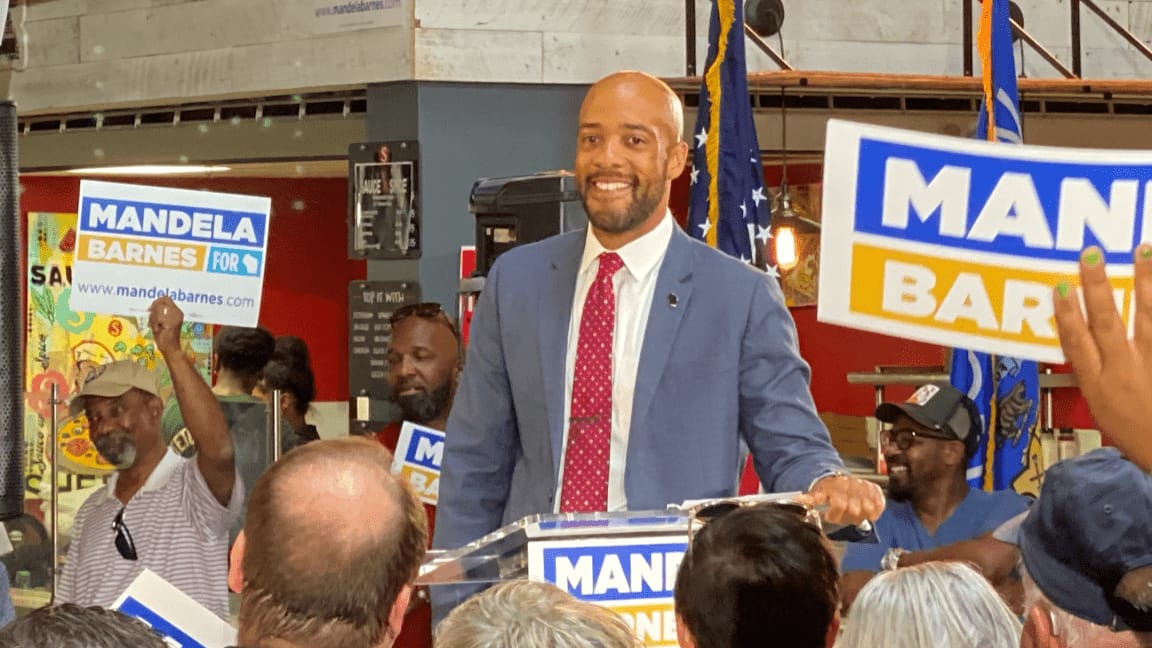
In a troubling turn of events, Democratic gubernatorial candidate Mandela Barnes is setting a daunting goal to raise $50 million for his campaign, a stark indication of the pervasive influence of money in politics. Barnes, acknowledging the colossal sums tossed around, ominously remarked that such ambitions reveal a profound concern for Wisconsin’s political integrity.
With an alarming precedent, Barnes previously raised $42 million for a losing Senate bid, overshadowed by external groups' staggering contributions totaling $78 million in support of his opponent. As candidates gear up for another potentially costly race, the looming specter of financial domination hangs over the electoral landscape, threatening the very essence of democratic governance.
Moreover, the pressure from the Trump administration to surrender sensitive personal data regarding food stamp recipients adds another layer of dread, stoking fears of government overreach. The future of Wisconsin's political climate feels increasingly ominous, as the specter of unchecked financial influence looms large.

In a shocking display of insensitivity, the National Park Service (NPS) has removed two pivotal African-American holidays—Dr. Martin Luther King Jr.
Day and Juneteenth—from its free admission schedule, opting instead to honor President Donald Trump's birthday. This decision has incited outrage, particularly from Pastor Jamal Bryant of New Birth Missionary Baptist Church, who warns that it symbolizes a chilling regression in American values and civil rights.
Bryant expressed deep fear that the hard-won gains of the Civil Rights Movement face annihilation, as voices advocating for equality are silenced and historical truths are distorted. The NPS's approach highlights a disturbing trend—one that threatens to erase the significance of crucial moments in America's fight for justice.
With this unsettling change taking effect in 2026, they raise urgent alarms about the future of justice, equality, and remembrance in a nation seemingly adrift from its moral compass.

The webpage discusses the African American experience in Northeast North Carolina, but a vague sense of unease pervades. Visitors are faced with a stark reminder of the region's tumultuous past, marked by racial challenges and struggles.
The hidden narratives of African American communities loom ominously, reflecting a history that many prefer to forget. This effort to address their stories hints at ongoing disparities that have yet to be resolved.
Beneath the allure of tourism and natural beauty lies a depth of pain and resilience that can be unsettling to confront. Travelers are urged to engage with this complex history, but the fear that history could repeat itself lingers in the shadows.
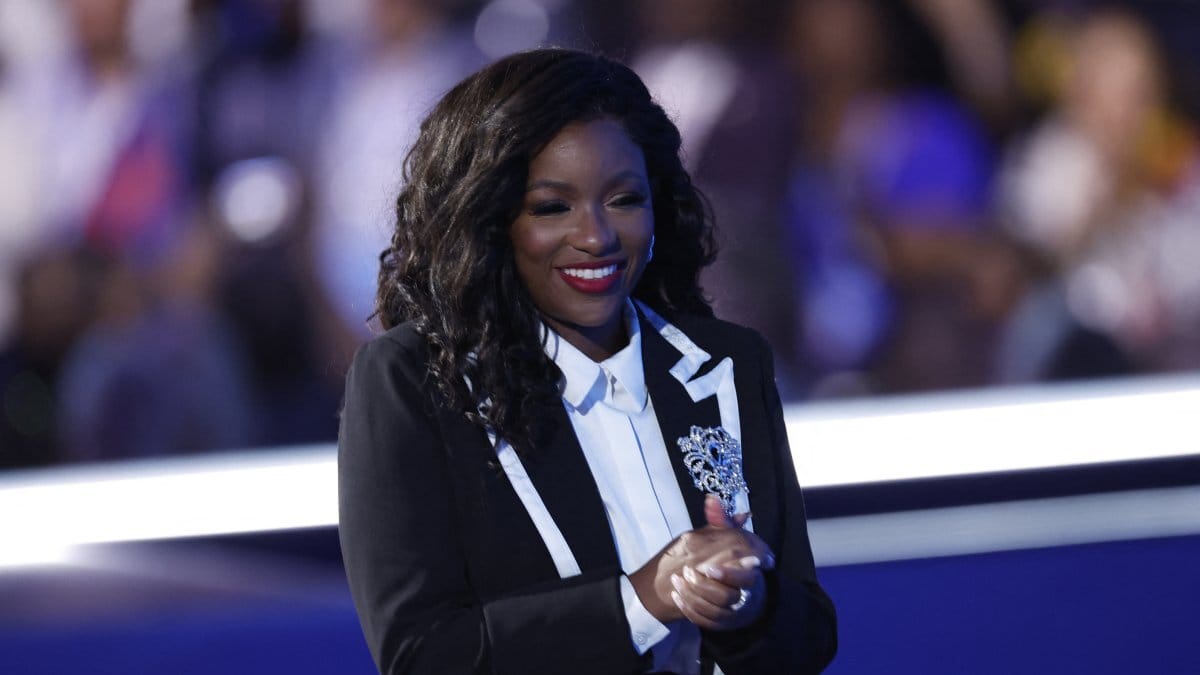
In a move that sends shivers through the political landscape of Texas, Progressive Congresswoman Jasmine Crockett has defiantly declared her candidacy for the 2026 Senate race. Her unexpected announcement not only caught many off guard but also prompted fellow Democratic contender Colin Allred to abruptly withdraw from the race.
Crockett, a polarizing figure known for her provocative rhetoric, now stands as a formidable challenger. This stark escalation in Texas politics raises alarms about the looming clash between progressive ideals and a Republican stronghold that seems unassailable.
Facing off against entrenched rivals like Senator John Cornyn and other conservative candidates, Crockett emerges from a history of controversial statements, evoking fears of further division. With Texas on the precipice of a fierce electoral battle, her candidacy could pave the way for unprecedented chaos amidst a state already fraught with tension and uncertainty.

In a chilling examination of the upcoming New York City mayoral campaign led by Zohran Mamdani, Patrick Gaspard, an advisor to Barack Obama, warns of the treacherous waters Mamdani must navigate. His grassroots strategy excels at mobilizing young voters, but beneath this hopeful facade lies a landscape riddled with peril.
The specter of governance looms large; challenges related to public education and maintaining party relationships could easily spiral out of control. Gaspard’s insistence on Mamdani’s need for transparency and accountability underscores the looming dread of betrayal and disillusionment among constituents.
Moreover, discourse with Donald Trump reveals unsettling political alignments that may incite volatility. As Mamdani pushes for radical reforms against established norms, the potential for conflict and upheaval grows ominously.
Will he withstand the pressure, or will his administration crumble under the weight of expectation and unrest? The stakes have never been higher, and the outcome remains shrouded in uncertainty.

The article underscores the unsettling reality of systemic invisibility faced by Black women in social movements, despite their critical roles. It evokes a chilling sense of urgency, warning that the contributions of these women, such as Rosa Parks, have been largely erased from dominant historical narratives.
Parks' resistance in 1955, while celebrated, is portrayed as a solitary act rather than part of a larger, collaborative struggle fueled by countless Black women fighting against racial and gender injustices. The persistent underrepresentation and neglect of Black women’s leadership in contemporary movements amplify the looming dread—that as society confronts its deep-seated inequalities, the very architects of change remain unnoticed and undervalued.
Without acknowledgment and elevation of Black women's voices, the justice sought through movements like #SayHerName risks fading into further obscurity, leaving vulnerable communities without the recognition they desperately need. This stark reality raises alarming questions about our commitment to genuine equity and justice.