- BlackVoter.Org
- Posts
- BlackVoter.Org
BlackVoter.Org

BlackVoter.org
May 05, 2026
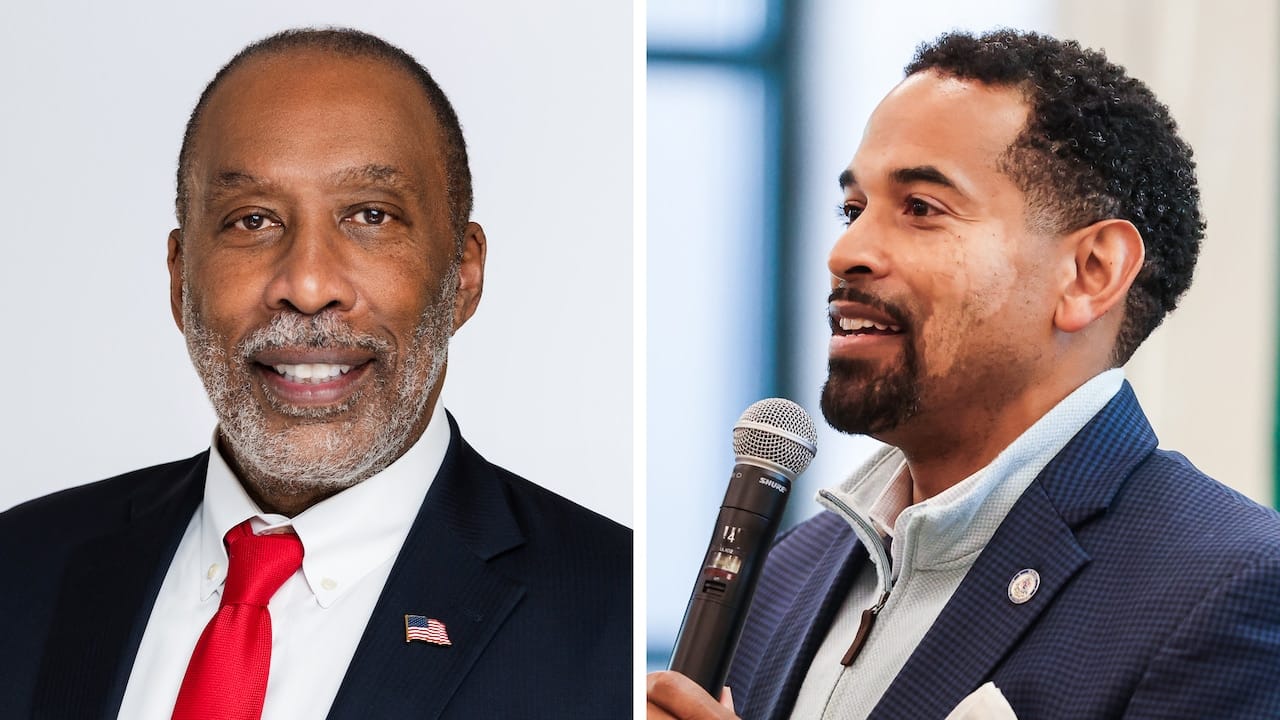
Montgomery County Council member Will Jawando has called a political ad featuring him "racist," arguing that it invokes derogatory minstrel-era stereotypes. The ad, which depicts him as taking cookies from a jar labeled “Taxpayers Pockets,” was commissioned by Reardon Sullivan, the first vice chair of the county Republican Party and a District 1 Council candidate.
Sullivan defended the ad as humor rather than racism, expressing frustration with Jawando’s fiscal policies. The controversy escalated as Jawando linked the ad to larger issues of racial representation, coinciding with a recent U.
S. Supreme Court decision weakening the Voting Rights Act.
This incident sheds light on the increasing role of AI-generated imagery in political campaigning and the ethical questions surrounding its use. As Jawando and Sullivan clash, the debate highlights the delicate intersection of race and politics in Montgomery County.
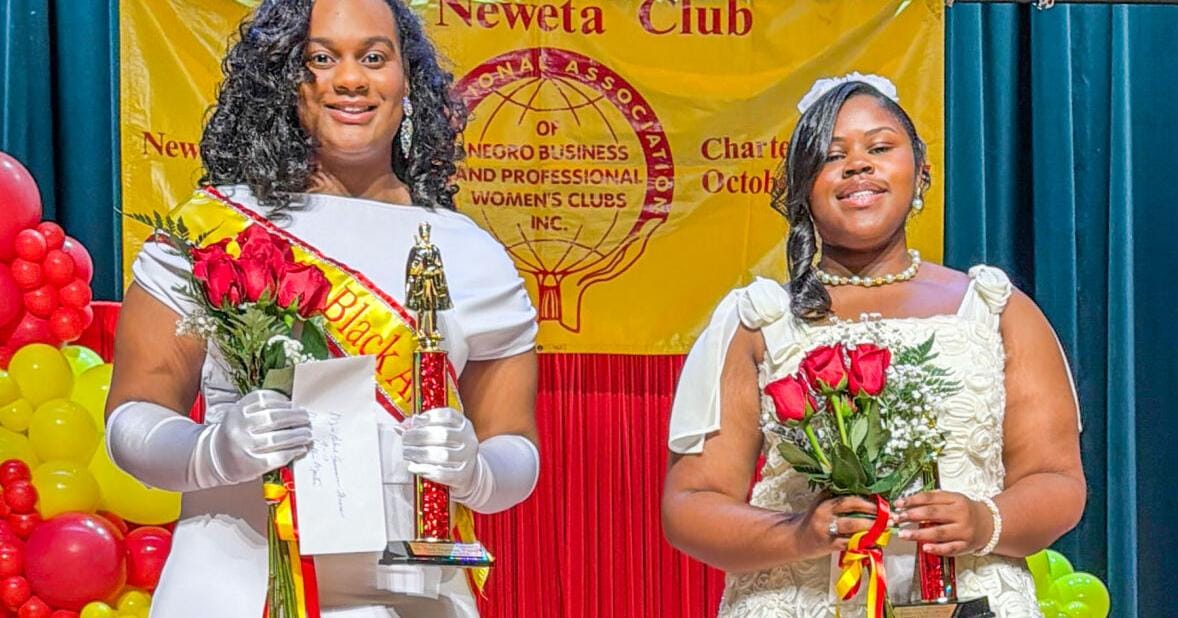
The Neweta Club recently celebrated the 50th anniversary of its Black Awareness Pageant, held at the Charles Wadsworth Auditorium. This vibrant event showcased the talents of youth from the Coweta community, emphasizing African American culture and history.
Participants, ranging from grades 1 to 12, not only competed for awards but also engaged in a youth enrichment program designed to enhance communication skills, boost confidence, and develop leadership abilities. This year's theme, "African Americans and Politics," provided a nonpartisan platform to honor local African American leaders.
Contestants received trophies, and winners were awarded medals, sashes, and cash prizes from their fundraising efforts. The pageant not only served as a celebration but also as a crucial educational experience.
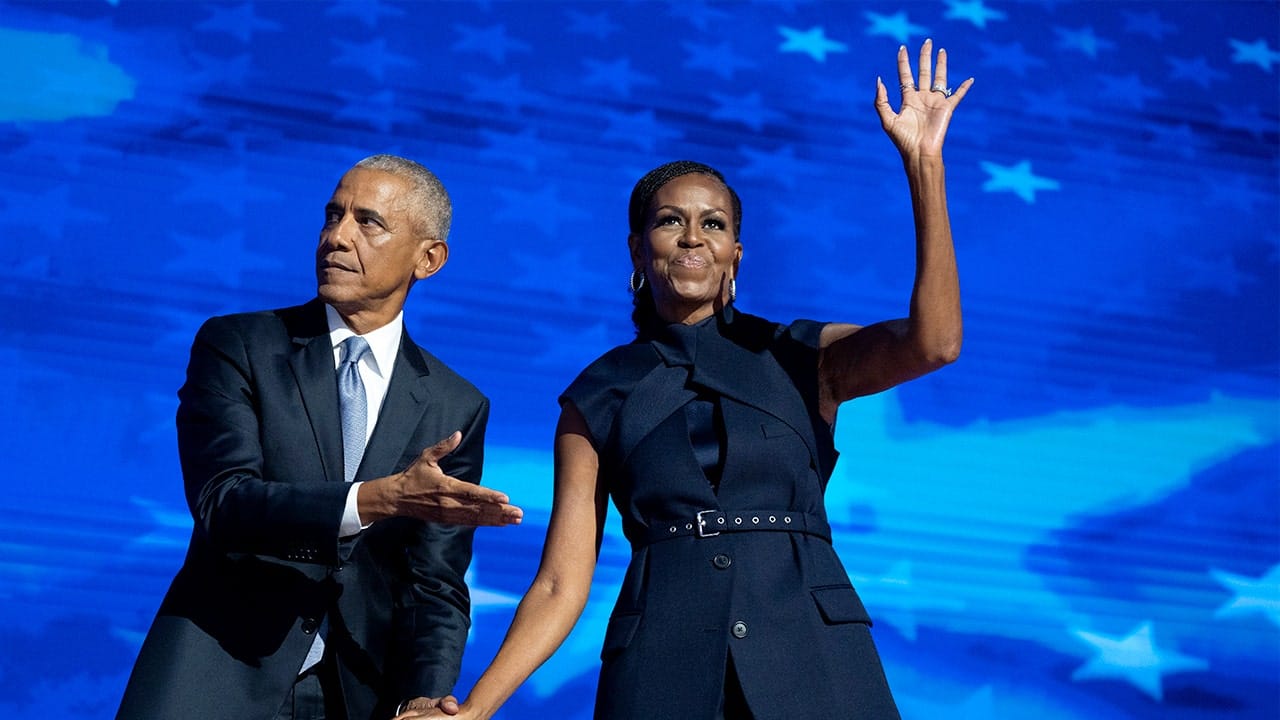
Barack Obama recently opened up about the strain his heightened political activism has placed on his marriage to Michelle Obama. In an interview with The New Yorker, he candidly shared that while he feels compelled to engage in the political arena—especially in response to Donald Trump's actions—Michelle yearns for him to take a step back and enjoy their time together.
Describing the situation as a source of "genuine tension," Obama acknowledged that his increased involvement in politics has frustrated his wife. Over the years, he has become a vocal defender of Democratic ideals, particularly during Trump's presidency, which has pulled him back into the spotlight more than he initially desired.
Despite the challenges, both he and Michelle have remained a united front, playfully addressing rumors about their marriage as they navigate this new chapter of their lives together.

The political landscape in the House of Representatives is shifting, with all four Black Republicans set to exit Congress in 2026. Texas Rep.
Wesley Hunt has garnered attention after a viral exchange where he dismissed concerns about the lack of Black GOP representation, insisting that he is there for his qualifications, not his race. Hunt’s comments have sparked debate on the relevance of racial representation in politics.
Ironically, while the GOP has made strides in gaining support from Black voters, it has not translated into successful Black Republican candidates. With GOP-controlled redistricting efforts aimed at diminishing majority-Black districts, the outlook for Black representation in Congress is increasingly bleak.
As we approach 2027, the prominence of Black voices within the Republican Party hangs in the balance, challenging the notion of diversity in political representation.

In a passionate call to action, Marc Morial implores Congress to step up and fund the United States Postal Service (USPS), a vital institution founded before America itself. As the USPS grapples with an impending financial crisis, it faces severe threats that could dismantle its decades-long legacy of connecting communities and ensuring reliable mail delivery for all, particularly marginalized groups and rural residents.
With mounting losses totaling approximately $109 billion since 2007, much of the crisis stems from harsh legislative requirements that have stymied its financial health. As we approach a pivotal election year, the reliability of mail-in voting hangs in the balance, particularly for those who rely on it as their primary method to participate in democracy.
Morial urges immediate Congressional action to stabilize USPS finances, restore its workforce, and protect this cornerstone of American infrastructure before it's too late.

At a recent event at Kennedy King College in Chicago, reparations advocates passionately argued that the federal government owes Black Americans a staggering $7 quadrillion for the injustices of slavery. During a panel discussion titled "Developing an Agenda: A Conversation on Reparations," speakers emphasized the need for moral acknowledgment and financial restitution for the systemic harms caused by slavery and its lingering effects.
Dr. Rev.
Jonathan Brooks highlighted that true reparations require both a financial commitment and an admission of the historical wrongs inflicted. Advocates pointed to a comprehensive report from the Illinois African Descent-Citizens Reparations Commission, detailing the long-lasting impacts of racial injustice.
With students eager to engage in this vital conversation, the event aimed to educate and empower the community around reparations and their significance moving forward. The call for reparations isn't just about money; it's about recognizing and repairing historical injustices.
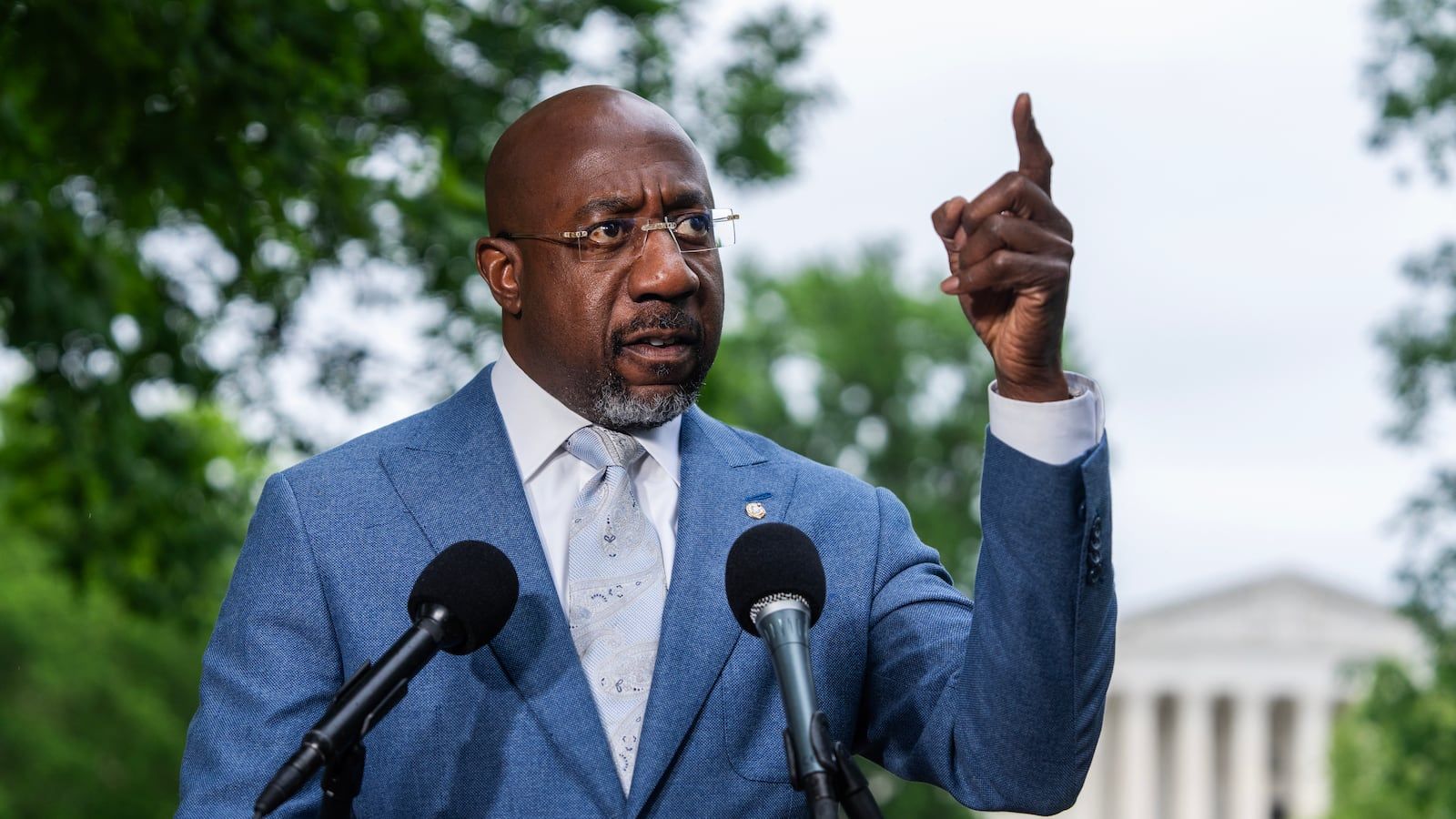
In the wake of a controversial U.S.
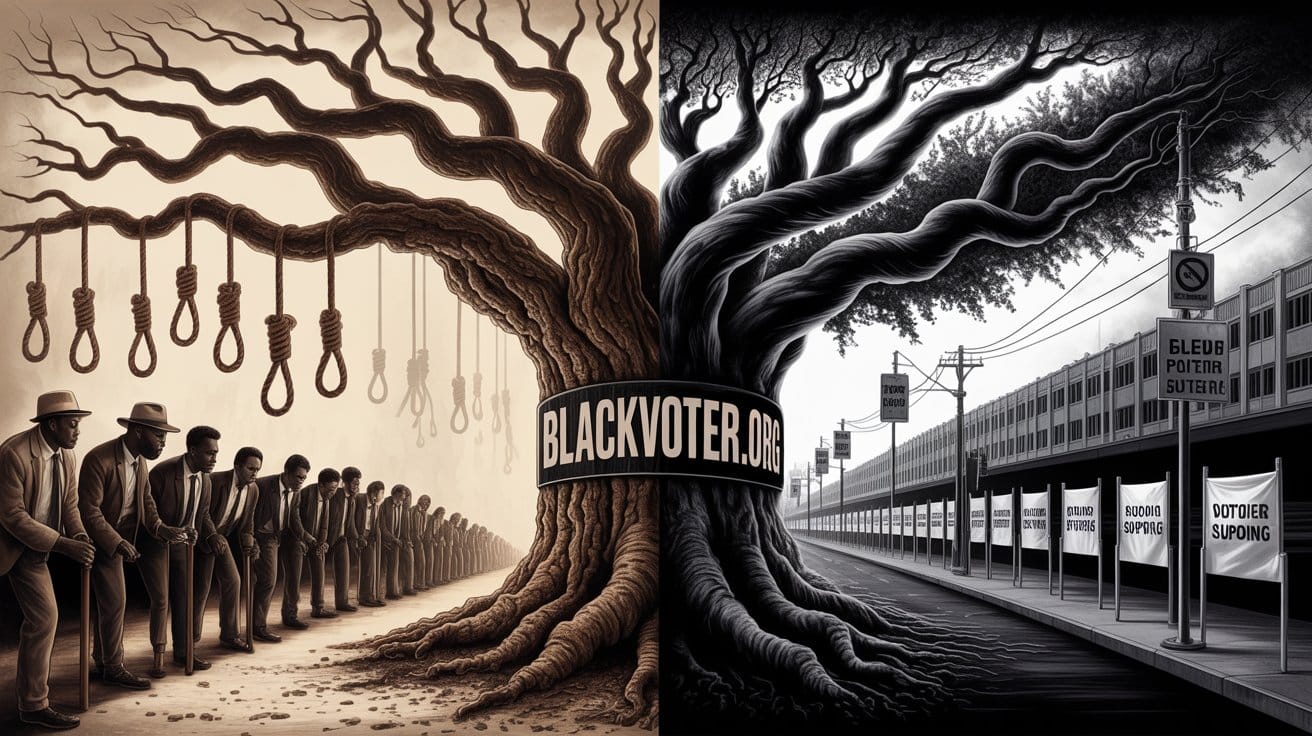
Supreme Court ruling that strikes down a black-majority congressional district in Louisiana, fears are mounting over a potential resurgence of voter suppression tactics reminiscent of Jim Crow laws. Senator Raphael Warnock called the decision a "colossal step backwards" for democracy, arguing it opens the door for deliberate racial gerrymandering aimed at diluting black voting power.
This ruling is already igniting a legislative frenzy in southern states as they scramble to redistrict ahead of the November midterms. Critics warn that these moves echo historical voter suppression methods designed to disenfranchise marginalized communities, with the detrimental effects reaching beyond just black voters to also impact poorer white voters who lean Democrat.
As the political landscape shifts, figures like journalist Nikole Hannah-Jones highlight the critical need to protect voting rights as America stands on the brink of a troubling new chapter in its democratic journey.