- BlackVoter.Org
- Posts
- BlackVoter.Org
BlackVoter.Org

BlackVoter.org
May 14, 2026


In "Exclusion, Dispossession, and Alienation in Black Diversity," Ibrahim Rahman tackles the complex and often contentious relationships within the global Black community. He highlights the misunderstandings and rivalries that arise between Black Americans and Africans, fueled by cultural miseducation, media portrayals, and identity politics.
From controversies over artists like Tyla and Rema to the deeper implications of cultural appropriation, Rahman emphasizes the need for greater understanding and empathy on both sides. He argues that our shared histories of exclusion and dispossession should unite us rather than divide us.
To address these divisions, Rahman advocates for a comprehensive re-education, fostering dialogue and cooperation among Black communities globally. By celebrating our collective successes and recognizing our unique experiences, we can build a more cohesive identity that enriches rather than undermines our shared heritage.
After all, the true power lies in unity, not rivalry.

In her compelling article, Dr. Allison Wiltz illuminates the insidious trend of deed theft affecting Black New Yorkers today, drawing unsettling parallels to the discriminatory practices of the Jim Crow era.
Despite the illusion of progress, systemic racism remains deeply entrenched, creating barriers for Black homeowners and widening the already stark homeownership gap with their White counterparts. With Black household wealth estimated to be eight times lower than that of White households, the impact of this injustice ripples through generations, limiting opportunities for wealth accumulation and access to resources.
Dr. Wiltz's insightful analysis challenges the notion of a post-racial America, revealing how legal tactics continue to target marginalized communities.
This piece is a poignant reminder that the fight for true equity in housing and wealth remains ongoing, urging readers to confront the realities of systemic prejudice that persist today.

In "How Harvard’s Reparations Plan Flopped," Novi Zhukovsky dives into the unraveling of Harvard University's ambitious $100 million initiative aimed at addressing its historical ties to slavery. Launched in the wake of a growing national conversation on reparations, the plan aimed to support the descendants of enslaved individuals tied to the university.
However, complexities and unresolved questions about its implementation left many questioning the sincerity and effectiveness of the effort. The initiative followed a significant report detailing Harvard's past, including the involvement of its leaders in slavery and the promotion of race science.
Critics argue that the university failed to fully grasp the challenges of such a monumental undertaking. Ultimately, what began as a promising gesture towards accountability struggled to make a meaningful impact, raising doubts about how institutions can genuinely reckon with their historical injustices.

The recent Supreme Court ruling has raised concerns among Nevadans regarding the fair representation of Black voters. By significantly weakening the Voting Rights Act, the court's 6-3 decision allows states like Louisiana to redraw congressional maps in ways that could undermine Black political power.
Advocates worry this could be a slippery slope towards gerrymandering in Nevada, jeopardizing the legislative gains made over the years. U.
S. Rep.
Steven Horsford emphasizes that these changes threaten democracy itself, affecting not just Black voters, but all Americans. Although Nevada's current maps are considered equitable, the legal and political ramifications of this ruling could reshape electoral dynamics, especially with upcoming midterm elections.
Community leaders urge vigilance and active voter participation to safeguard rights. As the conversation unfolds, the focus remains on mobilizing for the future—a critical push against further erosion of democracy and voting rights.


As the political landscape shifts, a notable trend of voter’s remorse is emerging among some 2024 Trump supporters, particularly moderate, African American, and younger voters. High-profile ex-supporters like Tucker Carlson and Marjorie Taylor Greene are publicly voicing their dissatisfaction, citing Trump’s handling of critical issues like the economy and foreign relations.
Recent polling reveals that while a significant majority of Trump’s base remains loyal, about one-third of political moderates and African Americans express a desire to reconsider their votes. Issues like inflation and Trump's controversial ties to figures like Jeffrey Epstein are contributing to this growing discontent.
As the GOP gears up for crucial midterm elections, the party faces an urgent challenge: reconnecting with these regretful voters to safeguard their chances in future elections. The road ahead may test the resilience of Trump’s coalition as Americans grapple with their voting choices.
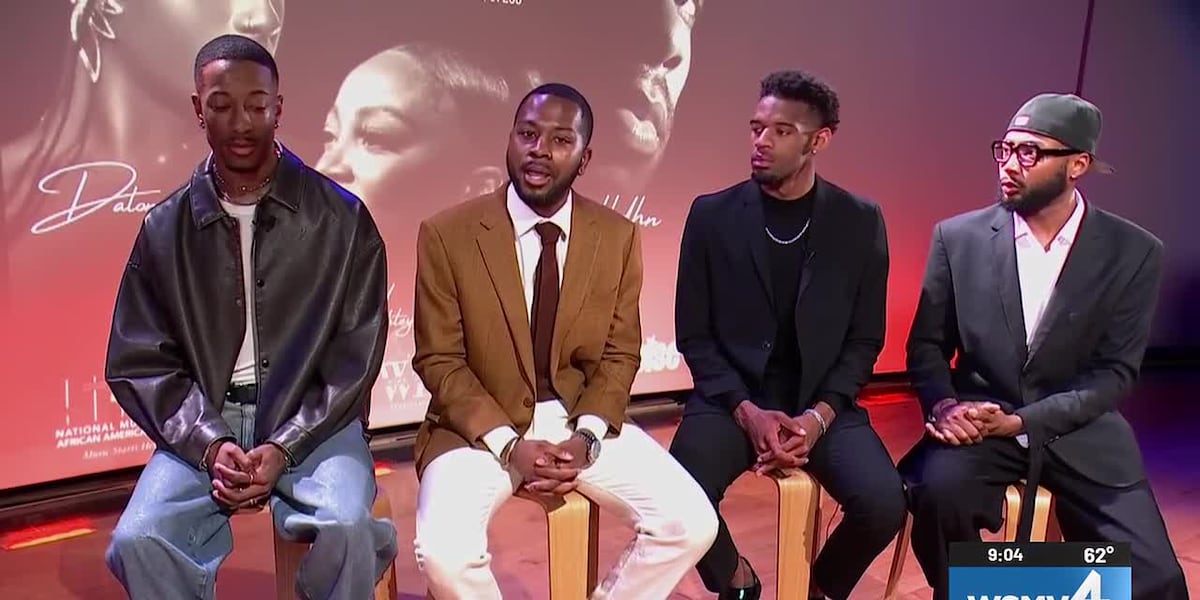
The National Museum of African-American Music (NMAAM) recently hosted an exciting event called "First Note," aimed at supporting emerging artists and fostering community connections. This vibrant concert brought together diverse talent, providing a platform for new musicians to showcase their skills while celebrating the rich cultural heritage of African-American music.
The event not only highlighted rising stars but also created an inviting atmosphere for music lovers to connect and engage. By prioritizing both artistic growth and community building, NMAAM's "First Note" truly embodies the spirit of creativity and collaboration within the Nashville music scene.
Whether you’re a local resident or a visitor, this event underscores the importance of uplifting new voices in the industry.

The Roots 101 African-American Museum in Louisville is making waves, preparing to receive a hefty $1 million grant from the city to anchor its permanent home. Known for its audacious approach to history, the museum recently went viral for a controversial “shackling” experience that aims to educate visitors on the brutal reality of slavery.
CEO Lamont Collins drops 400-year-old shackles onto participating guests, who then experience an emotional reaction reminiscent of two historically painful narratives colliding. One elderly patron, visibly shaken, shared her commitment to studying Black culture amid a tearful expression of “white guilt.
” The museum's bold methods, however, have sparked an ongoing debate about whether they educate or manipulate emotions. As they prepare to expand, the museum continues to champion the resilience and contributions of African Americans while prompting society to reflect deeply on its past.