- BlackVoter.Org
- Posts
- BlackVoter.Org
BlackVoter.Org

BlackVoter.org
April 27, 2026
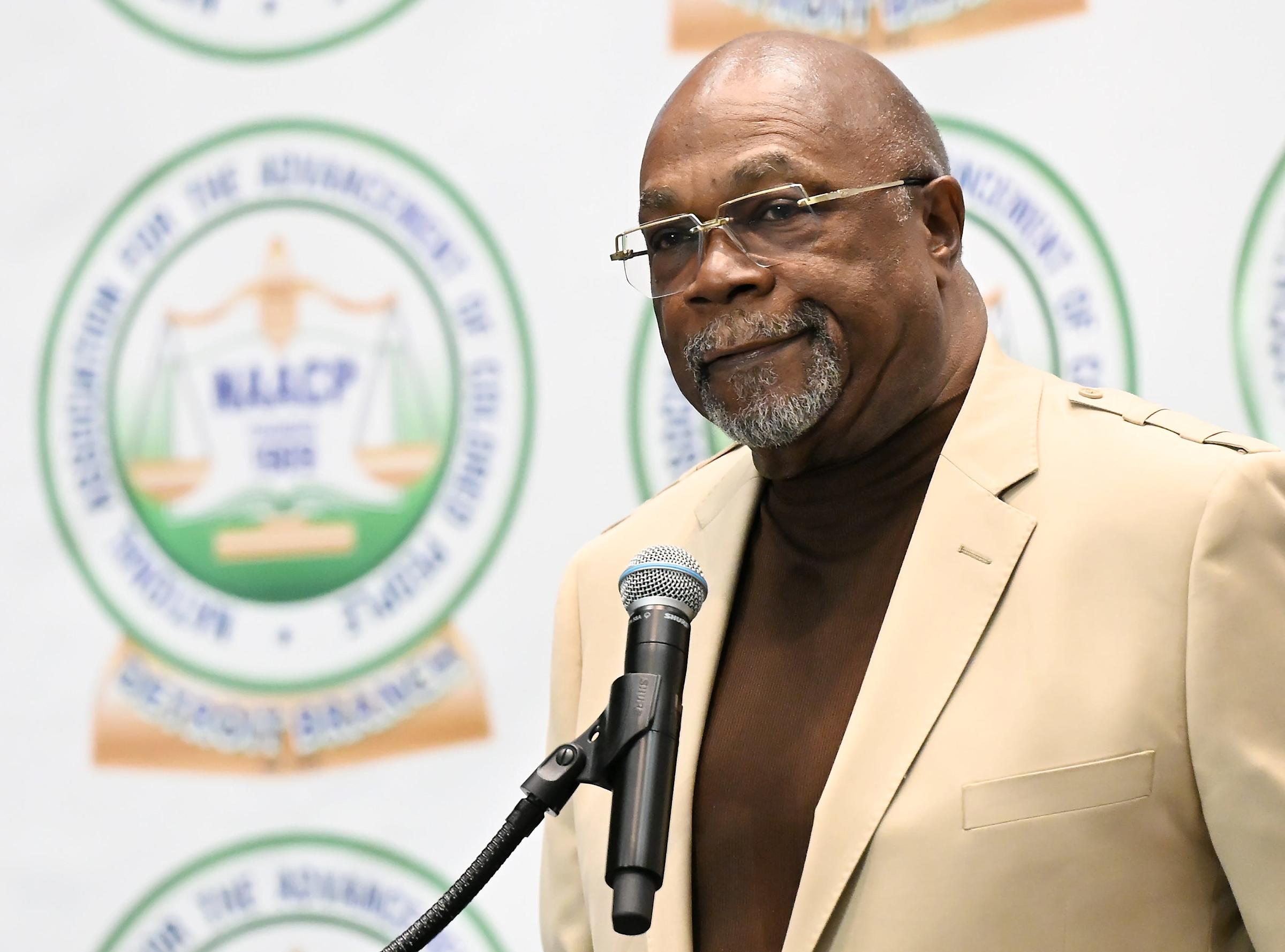
At the NAACP's 71st annual Fight for Freedom Fund Dinner in Detroit, Rev. Wendell Anthony spoke passionately about the organization’s challenges.
He asserted that the federal government is attempting to whitewash Black history and restrict voting rights. The dinner, which raised essential funds for the NAACP, featured impactful speeches from U.
S. Rep.
Hakeem Jeffries, NY Attorney General Letitia James, and civil rights icon Ruby Bridges. They emphasized the importance of imagination and courage in the ongoing civil rights struggle, urging the audience to persevere amidst adversity.
Jeffries encouraged attendees, asserting that historical setbacks are just setups for comebacks, while James warned against the normalization of current injustices. Bridges, honored with a lifetime achievement award, reminded everyone of their responsibility to honor the sacrifices of past generations.
As the NAACP continues to advocate for equality, Rev. Anthony declared, “We ain’t going back,” rallying support for the fight ahead.
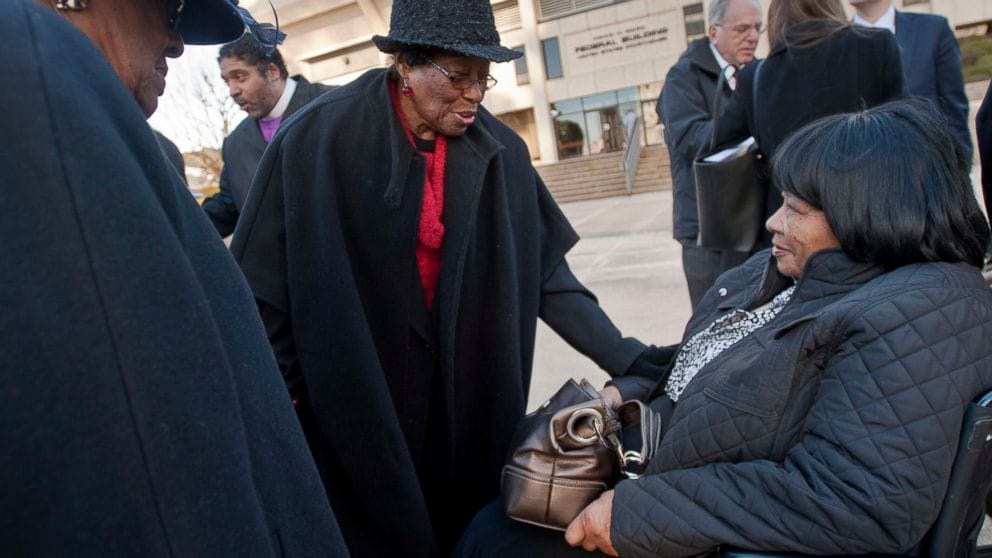
Rosanell Eaton, a trailblazing civil rights activist, passed away at the age of 97, leaving behind a legacy of courage and resilience. Known as one of the first African Americans to vote in North Carolina, Eaton's journey began in 1942, where she bravely navigated literacy tests and other barriers meant to keep minorities from the polls.
Celebrated by former President Barack Obama as an "unsung hero," Eaton fought tirelessly against racial inequality throughout her life. Even in her 90s, she was a leading figure in challenging discriminatory voting laws.
Her family and civil rights organizations like the NAACP honored her commitment to justice, recognizing her as a matriarch of the movement. Eaton's indomitable spirit continues to inspire those who believe in equality and the fight for voting rights.
Her legacy reminds us that the struggle for justice must carry on.
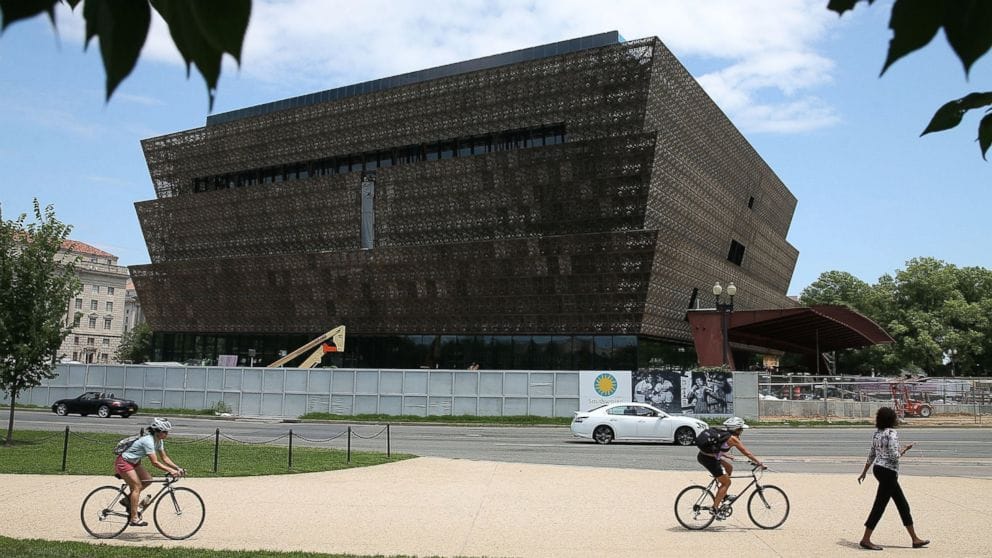
The National Museum of African American History and Culture, part of the Smithsonian Institution, is a powerful tribute to African American history and culture, attracting over a million visitors since its opening. A century in the making, the museum showcases a staggering collection of over 3,000 artifacts, including Rosa Parks' dress and Michael Jackson’s fedora, within its stunning bronze-clad structure on the National Mall.
Visitors typically spend six hours exploring its 12 inaugural exhibitions focused on the African American experience, a narrative meant for everyone to appreciate, according to founding director Lonnie Bunch. The museum features a theater, educational center, and a contemplative court, offering a rich tapestry of history, community, and culture.
With free timed passes available, planning a visit to this enlightening destination ensures a memorable encounter with America's deep and diverse heritage.
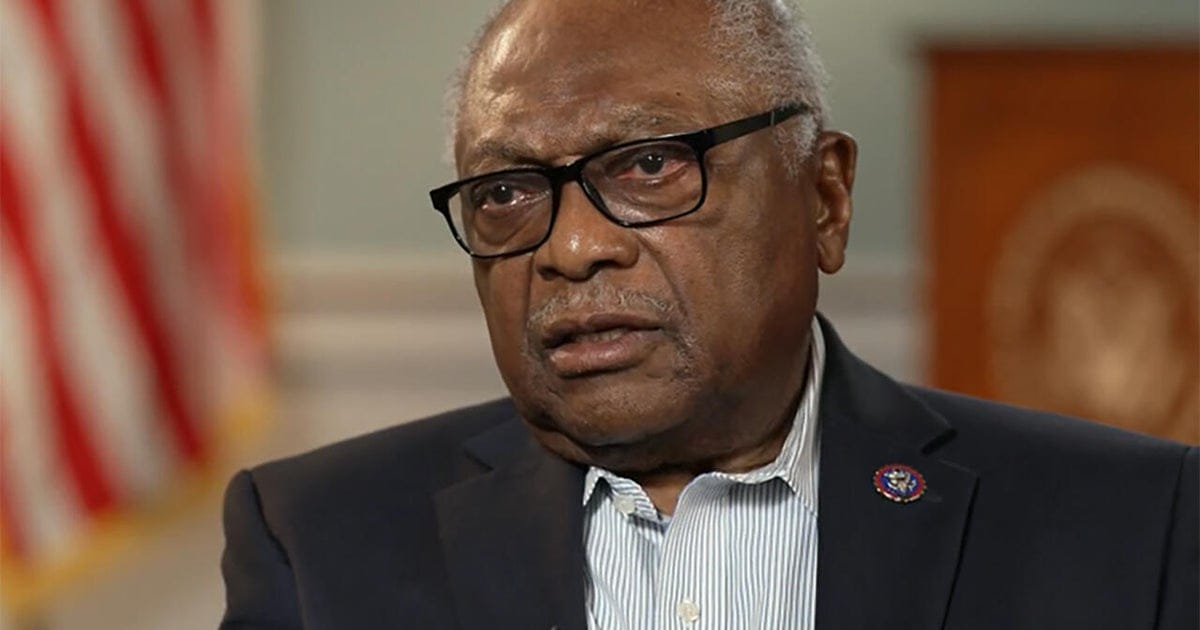
At 86, Representative Jim Clyburn isn't slowing down! The influential figure in South Carolina’s political landscape reflects on his remarkable journey, having spent over three decades as a civil rights activist and strategist. As the only Black Democratic representative in Congress, his endorsement has the power to shape presidential campaigns, proven by his pivotal role in Joe Biden's successful 2020 bid.
While Clyburn champions the importance of grassroots mobilization and voter rights, he voices concerns about the current Democratic engagement and the looming threat of electoral discord. With an eye on his 18th term and a deep commitment to his constituents, he encourages younger leaders to focus on genuine contributions over publicity.
Clyburn’s rich legacy, founded on the principles instilled by his parents, drives his determination to continue fighting for civil rights and carrying the torch for future generations.
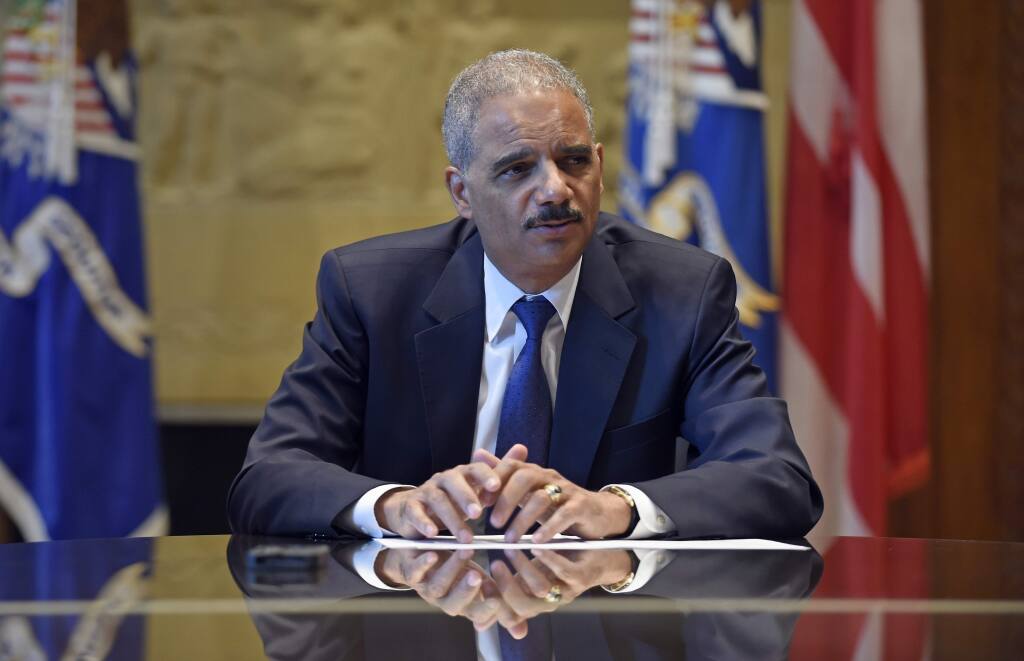
Former U.S.
Attorney General Eric Holder is rallying Floridians to take a stand against Governor Ron DeSantis’ controversial congressional redistricting plan, set to unfold soon. In a recent Zoom call, Holder criticized DeSantis for attempting to redraw maps that would benefit Donald Trump and further entrench GOP power, potentially allowing them to seize up to five additional seats.
He called this move a blatant attack on the voting rights of Black Floridians, likening it to layering gerrymandering on top of existing, unfair maps. As lawmakers prepare for a special session, Holder is urging citizens to flood the Capitol with their concerns, stressing that ignoring public discontent could have dire consequences come election time.
The message is clear: it's time for Floridians to voice their disapproval of this power grab and demand fair representation for all.
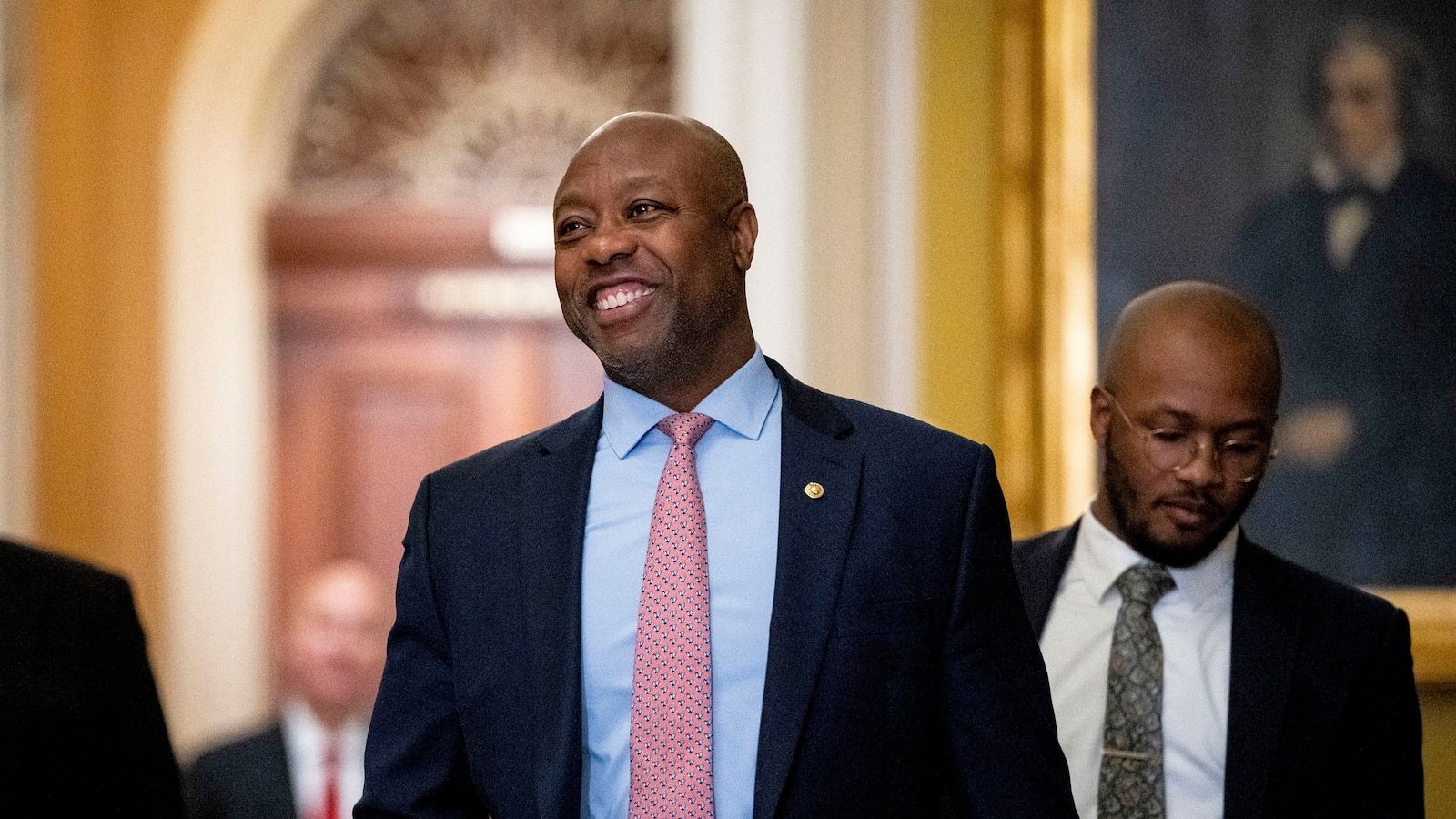
In a groundbreaking moment for American history, Senator Tim Scott of South Carolina has made headlines by becoming the longest-serving Black senator in U.S.
history. On January 3, 2025, he surpassed the record previously held by the late Edward Brooke.
Representing a significant milestone, Scott is part of an unprecedented lineup of five Black senators serving concurrently, highlighting diversity in a chamber once built by enslaved individuals. Hailing from humble beginnings, Scott's journey from a challenging upbringing to the Senate encapsulates the American dream.
As he chairs the Banking, Housing, and Urban Affairs Committee, he aims to ensure that "America works for Americans." His leadership comes at a crucial time, seeking to empower all citizens with the tools needed to achieve their aspirations.
With his inspiring story, Scott embodies resilience and the promise of progress in American politics.
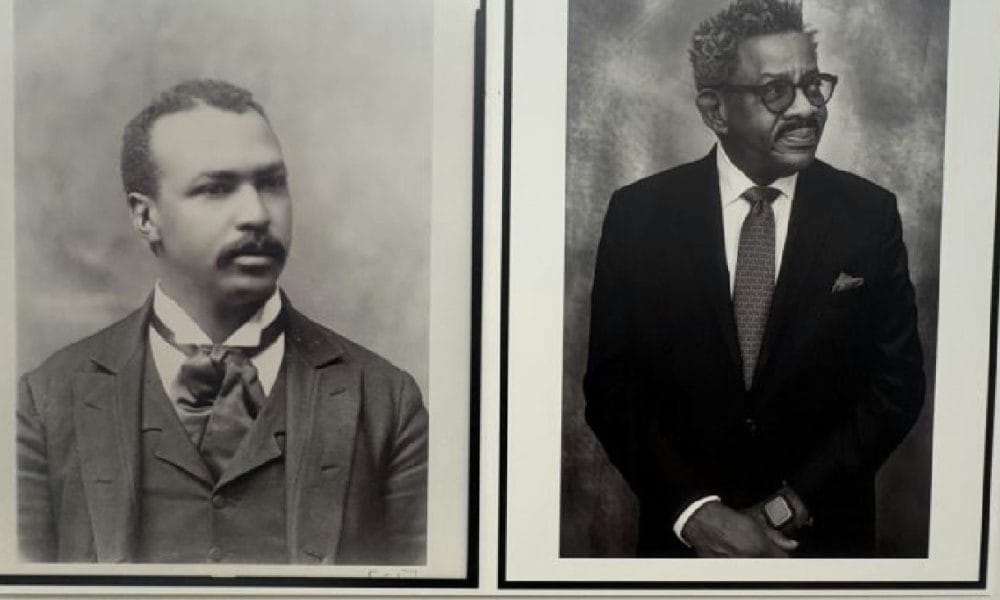
The W.E.
B. Du Bois Exhibit has arrived at the African Diaspora Art Museum of Atlanta (ADAMA), reviving a timeless vision from 125 years ago.
Titled “W.E.
B. Du Bois Revisited: Reimagining Du Bois’ Exhibit of American Negroes,” the exhibit showcases a fascinating blend of historical photographs by Thomas E.
Askew alongside contemporary portraits and data, reflecting the essence of Black American life. Originally launched at Clark Atlanta University, this exhibition highlights the significant yet often overlooked Atlanta-centric themes in Du Bois’ work.
Visitors can witness a striking juxtaposition of the past and present, capturing the enduring spirit of the Black community. Curator Natrice Miller aims for attendees to reflect on the historical journey and recognize the intricate connections between generations.
Running for just two weeks, this pop-up exhibit serves as a poignant reminder of the legacy of Black excellence and identity in Atlanta and beyond.

In an eye-opening exploration of the transatlantic slave trade and reparations, Jules Nartey-Tokoli challenges common historical narratives. This latest installment uncovers the active role European powers played in enslaving Africans, disputing the notion that they merely colluded from the coast.
By delving into the dehumanizing systems that normalized exploitation, the article reveals a troubling legacy entwined with both economic gain and cultural erasure. It highlights the shifts in ethical standards regarding human remains held in museums, prompting critical discussions about accountability and repatriation.
Nartey-Tokoli emphasizes the importance of recognizing the systemic nature of slavery, wherein governments and institutions were deeply complicit, rather than relegating responsibility to individuals. By examining historical injustices, the piece advocates for reparative justice as a path toward restoring dignity and rebalancing narratives about Africa's rich civilizations, long overshadowed by the narratives of enslavement.
This timely discourse invites us to rethink history and acknowledge its profound impact on contemporary society.