- BlackVoter.Org
- Posts
- BlackVoter.Org
BlackVoter.Org

BlackVoter.org
February 09, 2026

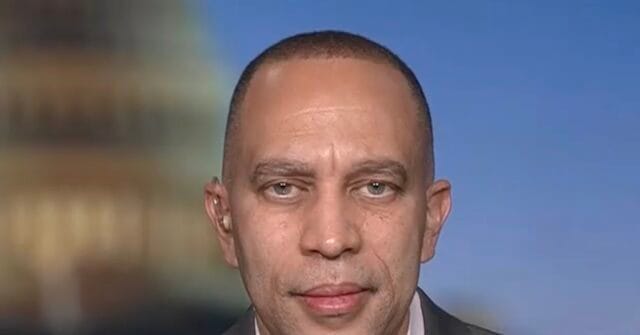
During a recent appearance on CNN’s “State of the Union,” House Minority Leader Hakeem Jeffries (D-NY) denounced the Republicans' Safeguard American Voter Eligibility (SAVE) Act as another attempt by Donald Trump and the GOP to "steal" elections. Jeffries emphasized that while states should decide their own voting processes, the GOP’s push for strict voter ID laws targets voter suppression, aiming to tilt the electoral landscape in their favor.
He noted that a fair election in November would likely lead to Republican losses, dismissing suggestions that the SAVE Act is a legitimate measure. Instead, Jeffries warned that Trump is trying to nationalize elections in a bid for control, reinforcing that Democrats will counter any attempts to undermine the electoral process.
As the political tension heightens, Jeffries asserts the commitment to uphold fair democratic practices and reject efforts that threaten voter rights.
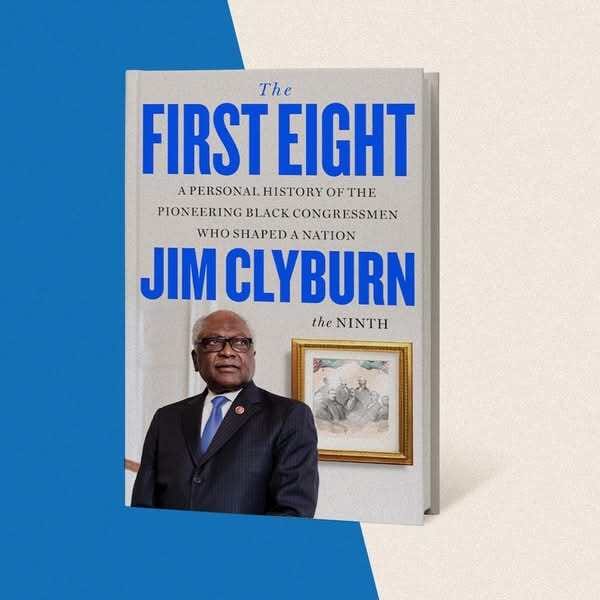
In a compelling column from the Washington Post, Rep. James E.
Clyburn's remarkable journey is highlighted, showcasing his impact on American politics and civil rights. Clyburn, a seasoned figure in the Democratic Party, has played a pivotal role in shaping legislation and representing his constituents in South Carolina for decades.
His advocacy for marginalized communities and his strategic insights have made him a respected leader, particularly during crucial moments like the 2020 elections. The article delves into Clyburn's roots, his rise through the ranks, and his unwavering commitment to equality, illustrating how his experiences have informed his approach to governance.
With a blend of personal anecdotes and historical context, the column paints a vivid portrait of a man whose legacy continues to inspire future generations of leaders. Clyburn’s story is not just about politics; it’s a testament to resilience, dedication, and the ongoing fight for justice.
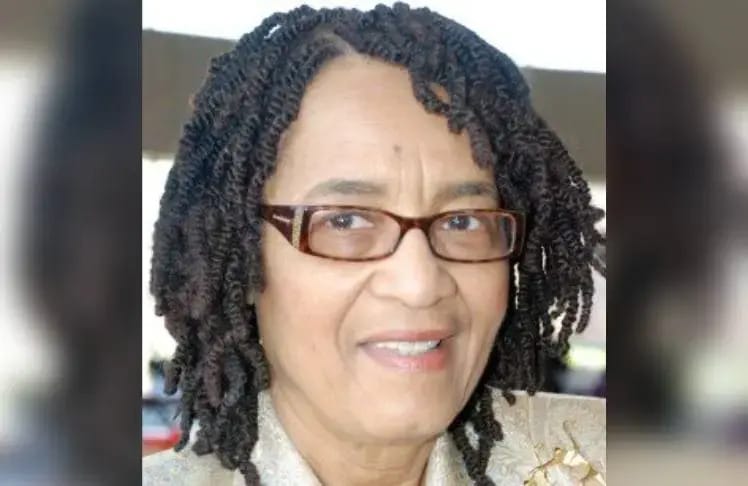
In a powerful critique, Barbara Reynolds exposes the chilling implications of a president's silence over a video depicting Barack and Michelle Obama as monkeys. This dehumanizing imagery feeds into a long-standing, toxic tradition of racism in America, where Black individuals have historically been portrayed as less than human to justify harm and discrimination.
The refusal to condemn such actions raises profound concerns about the normalization of hate in political discourse. Reynolds emphasizes that words and images have real-world consequences, impacting not only societal norms but the lives of young Black Americans who face bullying and exclusion.
The article calls for collective refusal—from media, corporations, and citizens—to accept this pervasive hate and to uphold dignity and humanity. As history demonstrates, silence can be complicit in the violence that follows dehumanization, pushing us to reckon with where this path may lead.
The moment demands action over complacency.
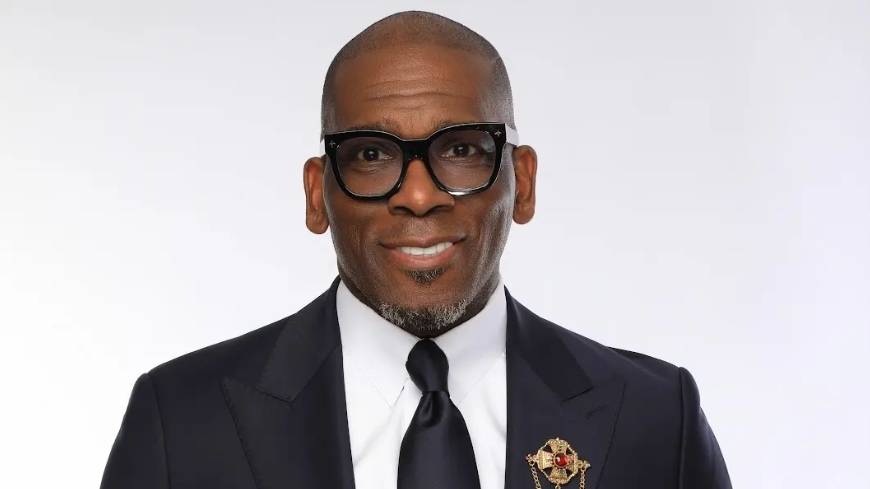
Rev. Dr.
Jamal-Harrison Bryant, a prominent faith leader and civil rights strategist, is set to receive the Mildred Bond Roxborough Social Justice Impact Award at the 57th NAACP Image Awards on February 26 in Los Angeles. This prestigious honor recognizes outstanding advocates dedicated to advancing civil rights and social justice.
Known for his tireless activism and commitment to community engagement, Dr. Bryant has led significant movements, including Target FAST, which emphasizes economic accountability and equitable practices within the Black community.
As the Senior Pastor of New Birth Missionary Baptist Church, he and his wife have revitalized congregational outreach and impact. With a rich background in leadership roles, including his tenure as the National Youth and College Director for the NAACP, Dr.
Bryant continues to inspire change through faith and advocacy, making him a deserving recipient of this celebrated award.
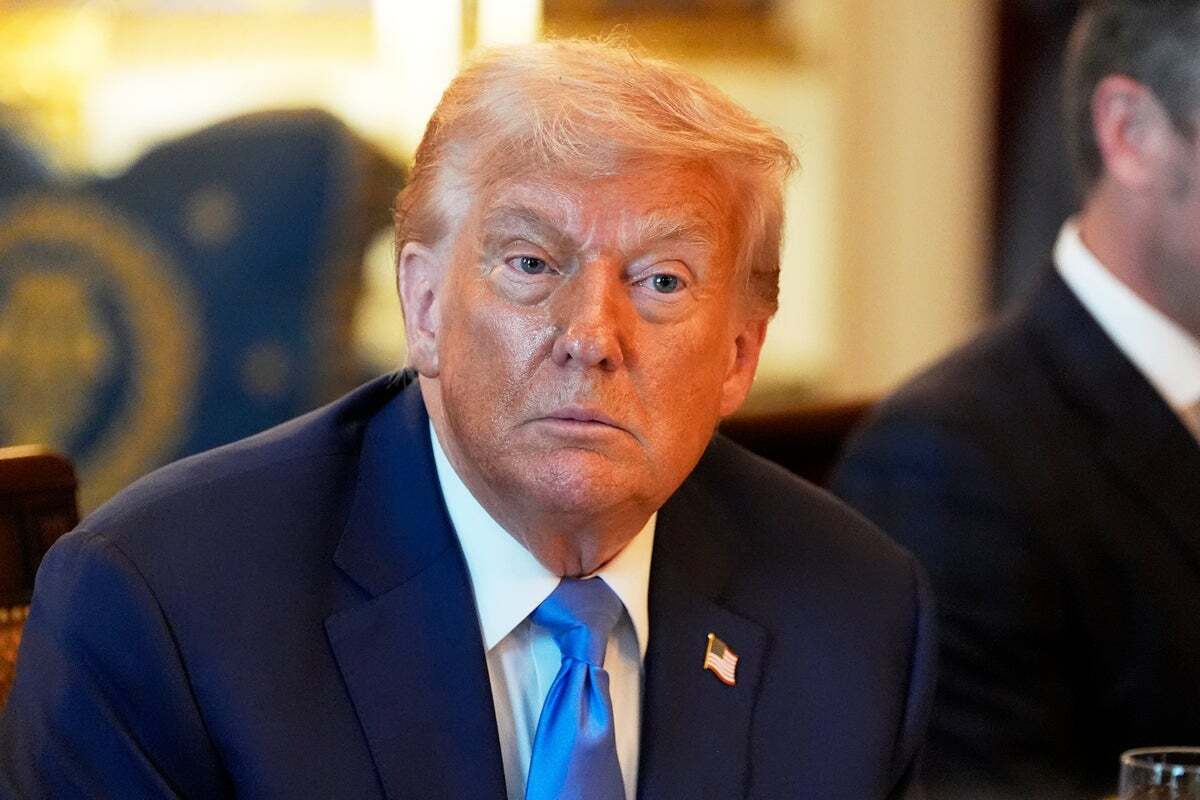
In a significant shift, a recent poll indicates that over 70% of Black voters now disapprove of President Trump, a sharp increase from his previous support during the 2024 race. This disapproval marks a stark turnaround, as he had enjoyed a brief boost among Black voters, winning 15% of their support compared to just 8% in 2020.
Economic uncertainty, rising inflation, and controversial policies—including cuts to diversity funding and an end to race-conscious affirmative action—appear to be contributing to this decline. Experts suggest that Trump's efforts to appeal to this critical demographic may be unraveling as dissatisfaction grows, potentially threatening his support base as he progresses through his presidency.
With Trump's approval among Black voters at just 24.1%, this erosion of goodwill could have lasting implications for his political future.
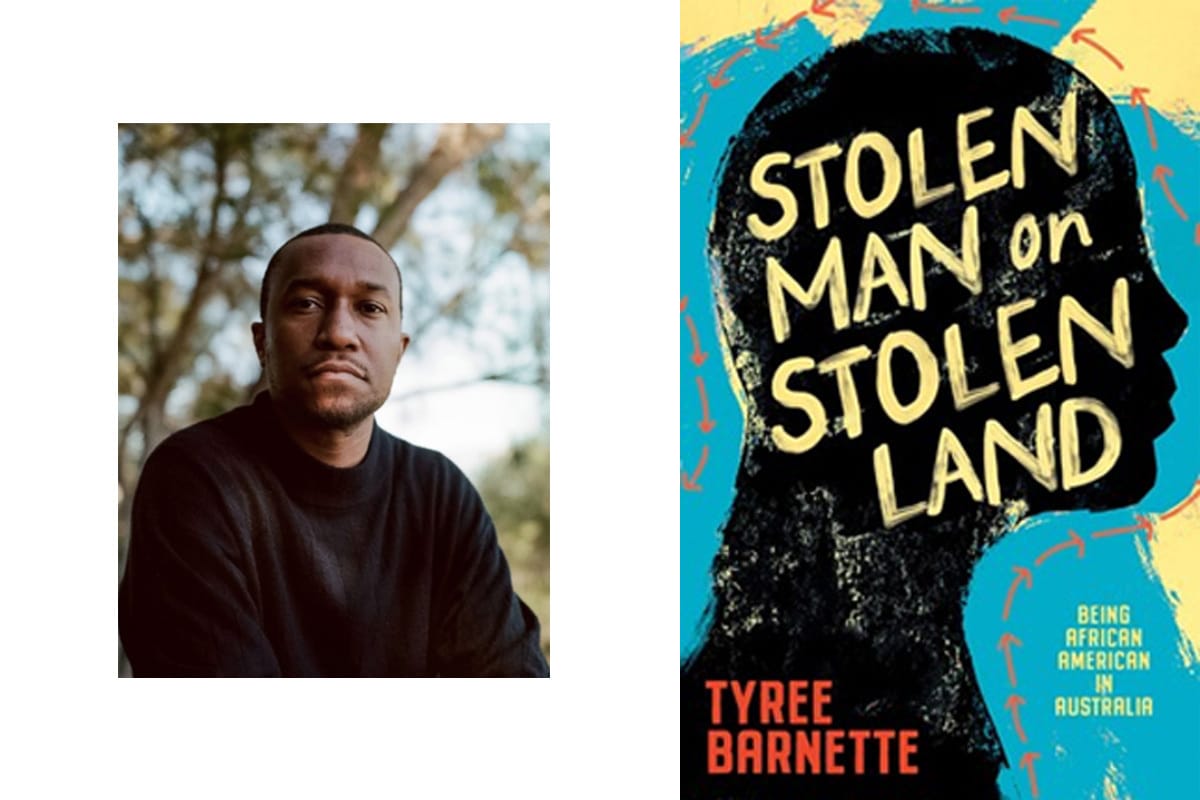
Tyree Barnette’s thought-provoking book, Stolen Man on Stolen Land, released in January, intricately navigates the complexities of race, privilege, and belonging through the eyes of a Black American family in Sydney. With a narrative that blends affection and accountability, Barnette invites readers to confront uncomfortable truths about Indigenous sovereignty and the appreciation versus appropriation of Black culture.
He reflects on how living on stolen land shapes his family’s experience, highlighting the necessity of acknowledging Australia's colonial past while fostering multicultural connections. With gentle yet profound insights, Barnette illustrates the joys and challenges of parenting in an environment often rife with inequity.
His narrative champions hope, urging readers to reflect on their role in shaping a more inclusive society. This compelling exploration encourages an honest dialogue about love, cultural exchange, and the ongoing pursuit of justice in a land marked by its complex history.
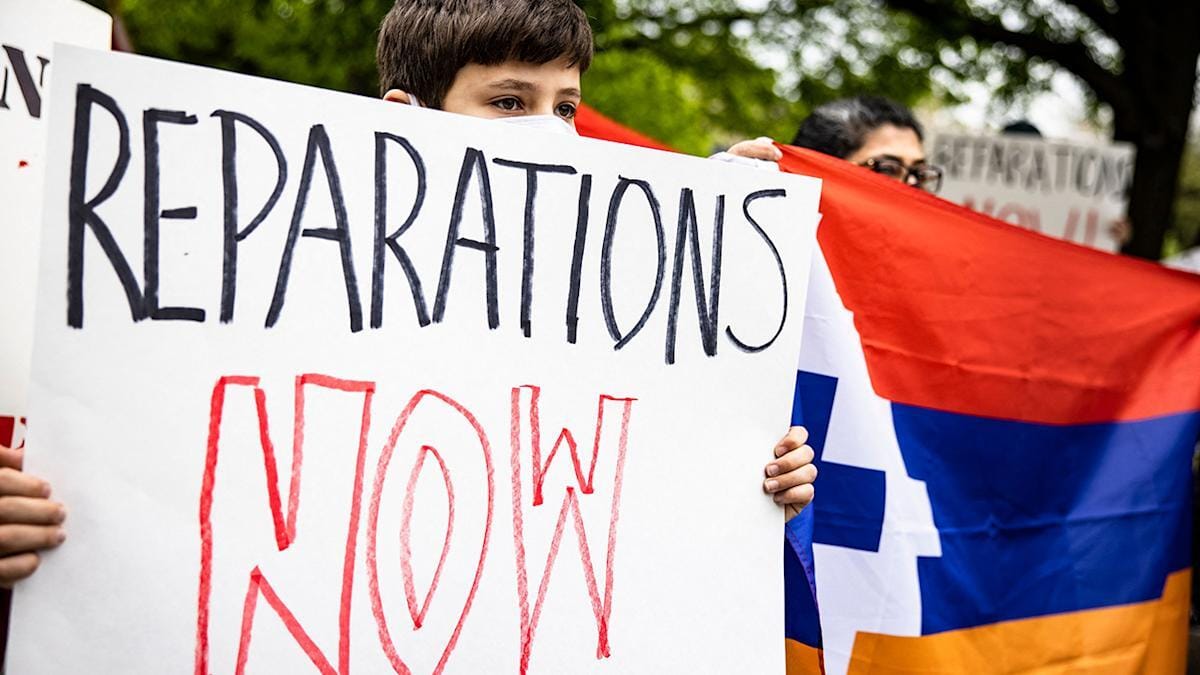
In the race for California's governorship, no candidate has emerged as a true advocate for cash payment reparations to Black residents. The recent "State of Black Bay Area Report & 2026 CA Gubernatorial Forum" highlighted this absence, where candidates articulated their plans for supporting the Black community.
Tony Thurmond was the only one to mention reparations, opting for business loans instead of direct cash payments. Governor Gavin Newsom has previously rejected cash payments, calling them excessive and unnecessary, while approving funding for research on identifying descendants of enslaved individuals.
Other candidates, like Antonio Villaraigosa, focused on systemic reforms like education rather than reparations. Advocates for reparations argue that significant legislative changes are essential for addressing centuries of inequality.
As the election draws near, the path forward for reparations remains uncertain amid a lack of clear champions.
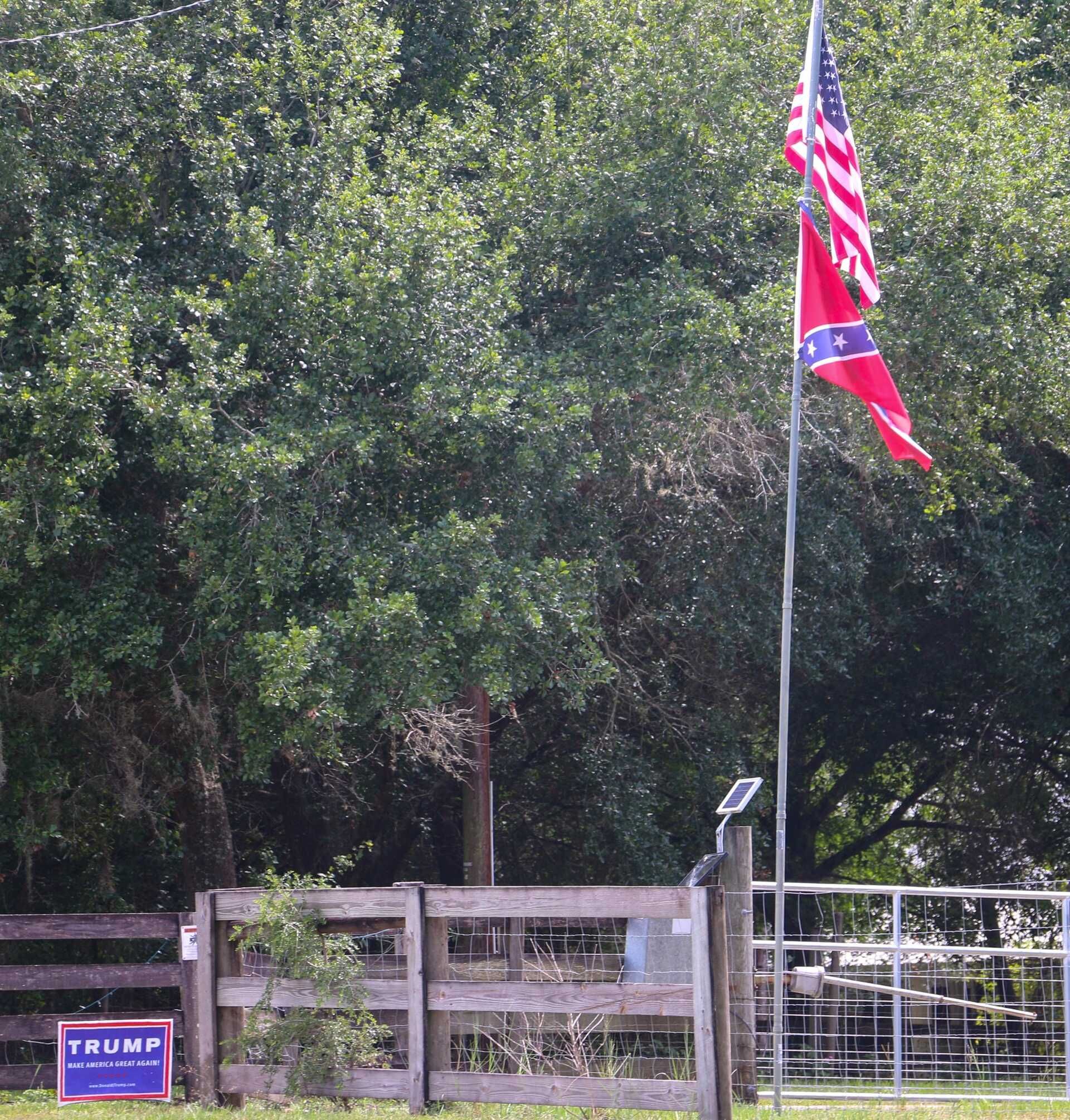
In this provocative piece, Jennifer Rubin critiques the longstanding denial surrounding Donald Trump’s blatant racism. Highlighting recent events—including Trump’s posting of a racist video of the Obamas—Rubin questions why it took until now for figures like Senator Tim Scott to openly condemn Trump’s bigotry.
She argues that the legacy media and political elite have failed to confront Trump’s history of racist remarks and policies from the outset, allowing normalization of his extremist views. From attacking representation in the federal bench to his unabashed support of white nationalist ideologies, Trump’s presidency is framed as a campaign rooted in racial animus.
Rubin insists that the time for polite rhetoric is over, demanding that citizens and leaders alike recognize, confront, and actively reject the racism permeating Trump's agenda and the larger MAGA movement. Ultimately, she calls for a unified stand against these divisive tactics to preserve America’s democratic ideals.