- BlackVoter.Org
- Posts
- BlackVoter.Org
BlackVoter.Org

BlackVoter.org
March 24, 2026

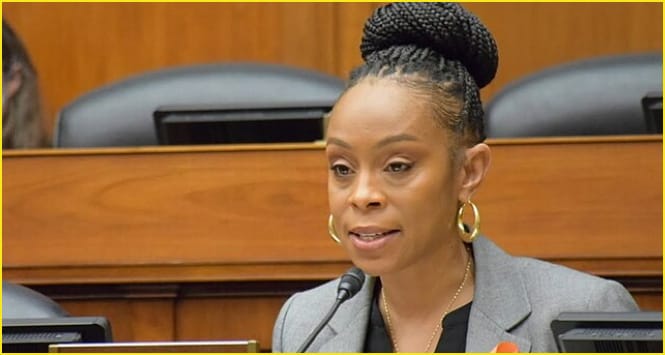
In a passionate plea, U.S.
Rep. Shontel Brown has raised concerns about the SAVE Act, a proposed bill she argues poses a significant threat to voting rights, particularly for women.
Labeling it the "new-age poll tax," Brown warns that the legislation, backed by Donald Trump, would require Americans to provide documentary proof of citizenship to register to vote, potentially disenfranchising millions. She highlights risks for married women whose name changes may lead to registration issues and fears that the act could eliminate online and mail-in registration options.
Drawing historical parallels to discriminatory practices from the Jim Crow era, Brown emphasizes the need for vigilance as the bill advances in Congress. As partisan tensions rise, the fate of the SAVE Act could reshape voter registration practices and access to the ballot box across the country, making this an issue of utmost importance for advocates of voting rights.

In an engaging op-ed, Dr. Benjamin F.
Chavis Jr. confronts the pressing urban challenges faced by Black Americans as highlighted by Mayor Zohran Mamdani's administration in New York City.
Despite significant backing from Black and Latino communities, Mamdani's early governance raises concerns about neglecting their needs, particularly in housing, public safety, and representation. The lack of Black deputy mayors and public apologies for historical oversights signal potential disregard for the community's contributions and ongoing struggles.
Chavis emphasizes the need for accountability from elected officials and encourages voters to remain vigilant beyond the polls. As the landscape of urban politics evolves, the challenge remains: will Mamdani fulfill his promises of racial equity and justice, or will the voices of marginalized communities continue to be ignored? The future is uncertain, but continued activism and engagement are vital to ensure that Black New Yorkers are recognized and addressed in the city’s narrative.

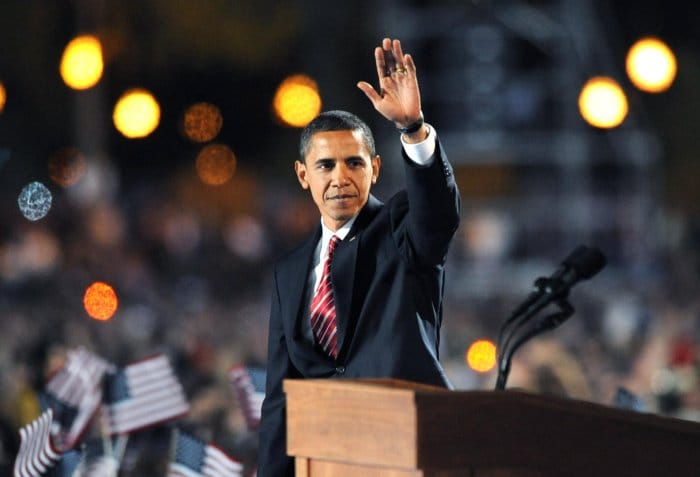
Could Barack Obama win a Democratic primary today? This thought-provoking article explores the shifting landscape of the Democratic Party, highlighting how far left the party has moved since Obama’s first presidential run in 2008. Once a candidate with moderate views on issues like marriage and immigration, Obama now seems out of sync with today’s more progressive electorate, where 59% self-identify as “liberal.
” The piece discusses potential future candidates, such as Pennsylvania Governor Josh Shapiro and Congressman Seth Moulton, who may grapple with their centrist stances in a party that increasingly resists ideological diversity. With the Democratic base becoming less tolerant of dissent, the article questions whether a candidate who strays from party orthodoxy can secure the nomination.
Ultimately, it calls for a return to Obama's vision of compromise in politics, suggesting that the party might benefit from embracing a more nuanced approach to build a broader coalition.

In a poignant reader letter, Khotso KD Moleko challenges the prevailing narrative around black men's roles in shaping "the new South Africa." As Human Rights Month concludes, he highlights a troubling truth: systemic marginalization continues to undermine the contributions of black men, historically the leaders within their families and communities.
Moleko argues that while society celebrates gender equality, the empowerment efforts often disproportionately favor individuals with generational wealth, sidelining black men. He warns that dismantling traditional structures, under the guise of equality, has left a leadership vacuum, and without addressing land and economic empowerment, the rights we tout amount to little more than empty gestures.
His message serves as a call to action—demanding a deeper reckoning with historical injustices to forge a truly inclusive society.
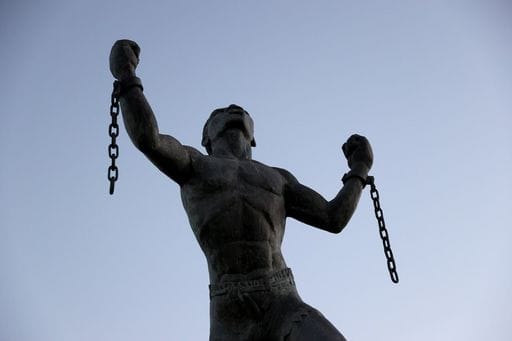
In 2026, the conversation around reparations for slavery and colonialism is gaining crucial momentum in Africa. Following a landmark resolution from the African Union (AU) that designated these historical injustices as crimes against humanity, Africans are now calling for reparations as a means of financial restitution and power correction—not merely charity.
The AU has dedicated the decade from 2026 to 2036 to this cause, highlighting the systemic inequities in global finance, trade, and governance that continue to disadvantage Africa. As leaders convene and establish frameworks to quantify past injustices, the call for serious economic and political reform is louder than ever.
By insisting on agency and demanding change, African nations are forging a path toward true reparatory justice—one that includes a more equitable global order and meaningful progress in international partnerships. The push for reparations promises to reshape diplomatic relations and elevate Africa’s voice on the world stage.

In a compelling segment on PBS's Amanpour & Company, Princeton Professor Keeanga-Yamahtta Taylor delves into the alarming embrace of white supremacy within the Trump administration. With the recent signing of executive orders targeting Diversity, Equity, and Inclusion (DEI) policies, Taylor argues that these actions are part of a broader rollback of civil rights that undermine the nation’s melting pot identity.
The ramifications are stark, particularly for Black women, who disproportionately faced job losses during budget cuts mandated by the administration. Taylor connects this erosion of rights and opportunities to a narrative that exacerbates the idea of white victimization, suggesting that Trump’s rhetoric redirects economic grievances away from merit-based critiques to scapegoating upwardly mobile Black professionals.
As Taylor asserts, this political climate challenges public discourse and highlights a desperate need for new political movements that address systemic inequalities and the urgent call for justice and fairness in America.
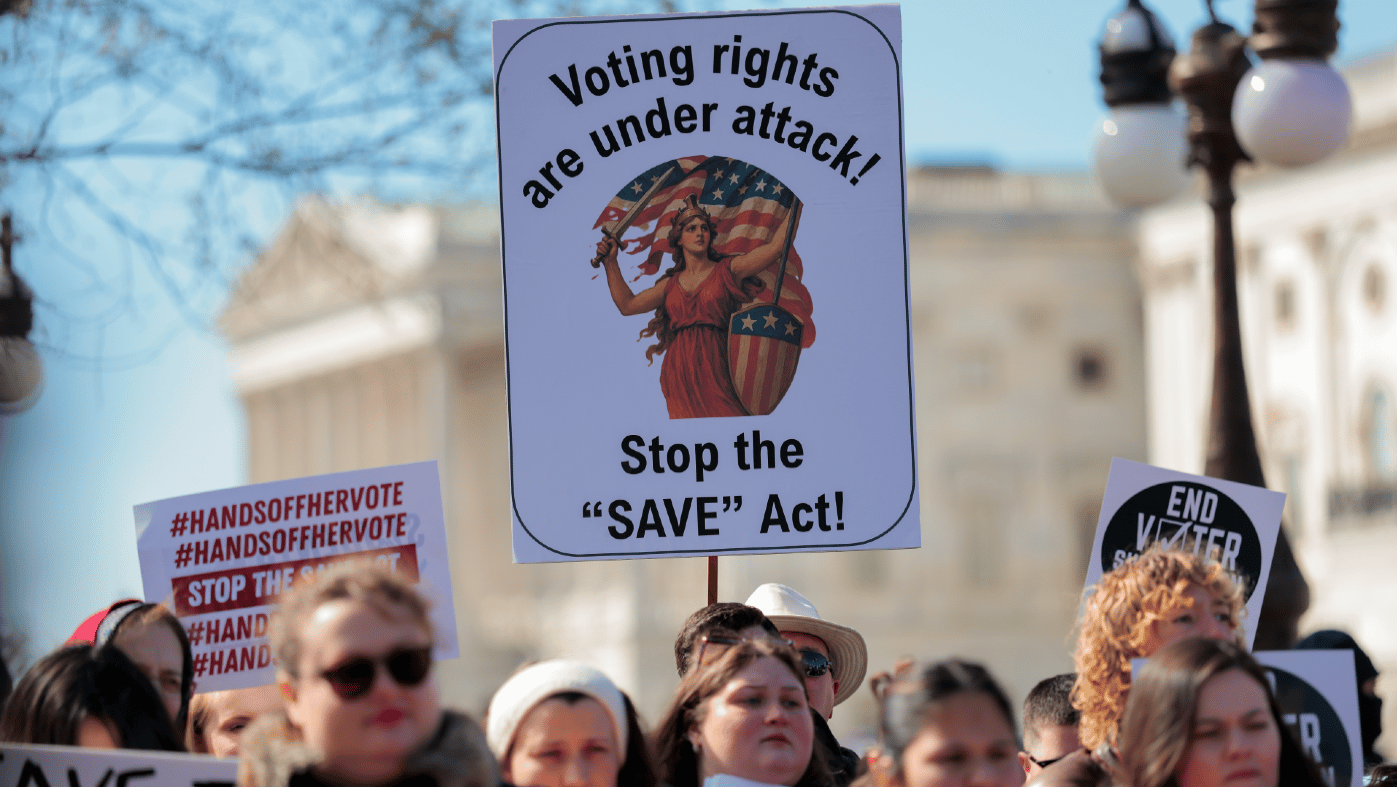
In an engaging critique, James D. Zirin argues that the SAVE America Act, championed by Donald Trump, recalls the oppressive tactics of Jim Crow laws aimed at disenfranchising Black voters.
The Act's requirements for proof of citizenship and strict voter ID measures threaten to undermine the electoral participation of millions, particularly women and marginalized communities. Zirin highlights that many married women may lack matching identification, while the act aims to eliminate mail-in voting—a significant access point for many voters.
With claims of widespread election fraud underpinning the legislation, Zirin asserts that Trump's motivations are rooted in bolstering the MAGA agenda rather than protecting democratic values. Despite its passage in the House, the bill faces hurdles in the Senate, with a lack of bipartisan support suggesting that this controversial legislation might not stand the test of time, risking further alienation of the Republican base.