- BlackVoter.Org
- Posts
- BlackVoter.Org
BlackVoter.Org

BlackVoter.org
December 08, 2025

A recent Supreme Court decision supporting Texas's controversial redistricting map could spell trouble for voter representation in Indiana. With the Indiana House passing a proposal that could potentially erase Democratic representation, the focus now shifts to the Senate.
Critics, including advocacy groups, argue that the new map intentionally disenfranchises voters of color by diluting their influence—especially in cities like Indianapolis, which now finds its districts divided among predominantly rural areas. As the political climate heats up, Indiana’s Attorney General has vowed to defend the map against any legal challenges, claiming legislative redistricting is constitutional.
However, experts warn that the Supreme Court's narrowing interpretation of the Voting Rights Act might complicate efforts to fight perceived racial gerrymandering. As the Senate prepares to vote, all eyes will be on how this contentious issue unfolds in the coming days.

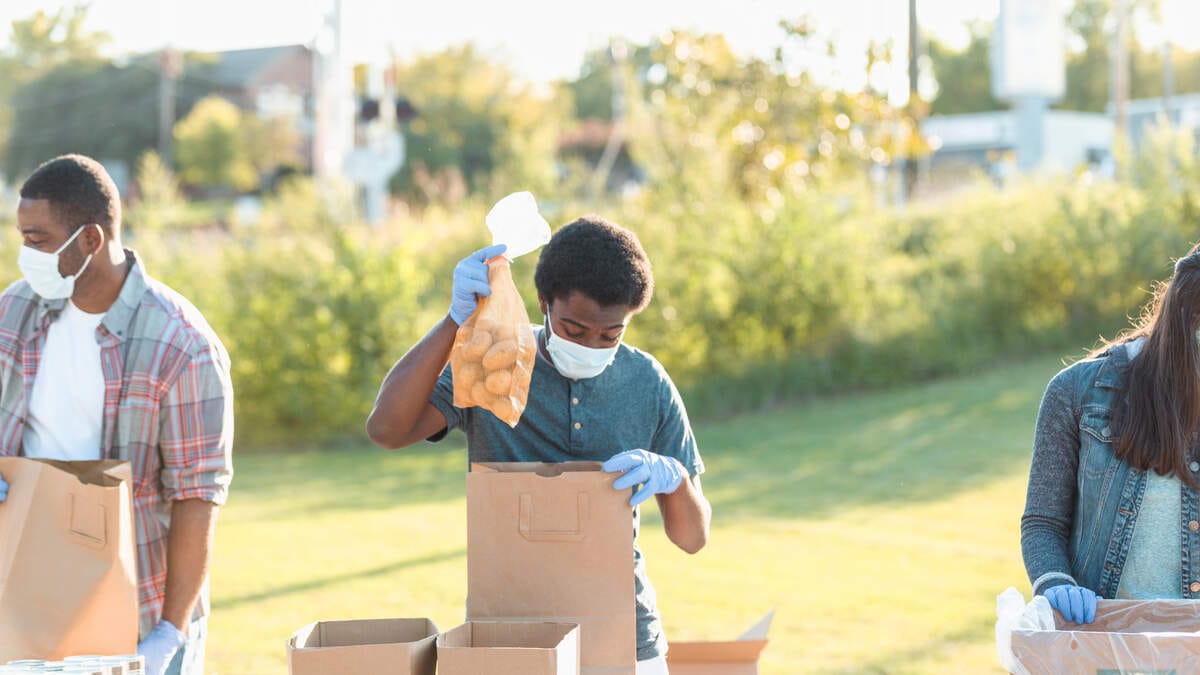
It's Giving Tuesday, a celebration of generosity and community spirit! This year, consider supporting impactful Black-led organizations that uplift and empower the Black community—not just today, but all year round. From the Black Girl Ventures that champions Black and Brown entrepreneurs, to the Center for Black Equity promoting LGBTQ+ rights, each organization makes a meaningful difference.
You can also explore initiatives like the National Congress of Black Women, advocating for equal rights, or the Black Mental Health Alliance, working to enhance mental wellness. Support art and culture with the NBAF or fight for justice with Color of Change.
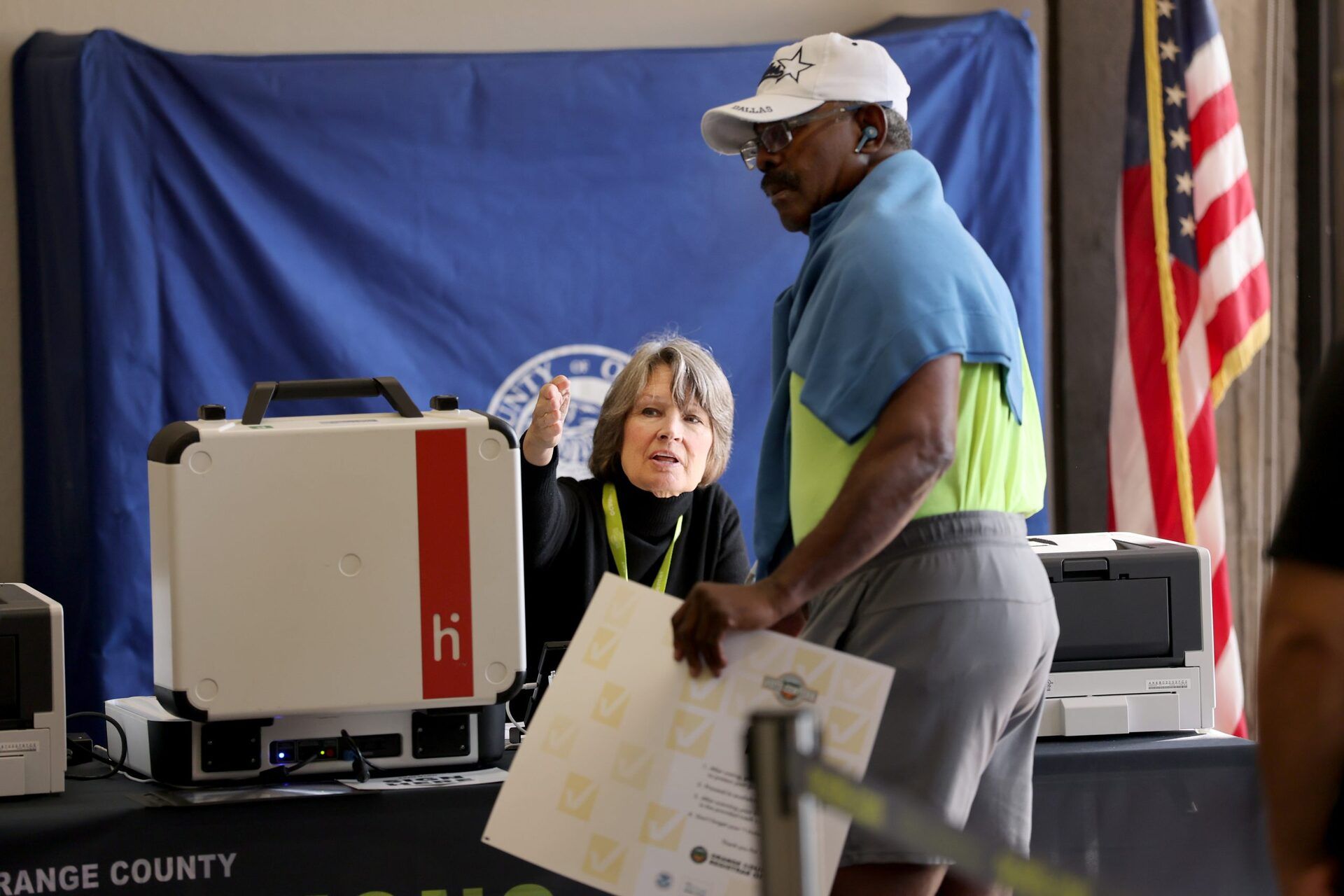
The ongoing redistricting battle across the U.S.
poses a significant risk to Black voting power, igniting concerns from California to Virginia. As states grapple with congressional maps, strategic alterations threaten to dilute the electoral influence of Black Americans, who largely lean Democratic.
With measures like California's Proposition 50 aiming to redraw districts and increase representation, opposing sides gear up for fierce legal and political confrontations. Activists stress the importance of maintaining Black electoral rights, highlighting the historical struggles for suffrage.
Efforts to counteract gerrymandering are underway, but challenges persist—especially in states like Texas and Indiana, where political machinations risk dismantling long-held representation. Urgency mounts as the 2026 midterms approach, with advocates emphasizing the critical role of Black voters in shaping policies that impact health care, education, and more.
As the redistricting arms race heats up, the stakes for democracy and representation couldn't be higher.

In a compelling reflection on the legacy of Fred Hampton Sr., the article examines how the young activist's vision for social justice continues to resonate today.
Hampton, who was only 21 when he was assassinated by Chicago police in 1969, fought tirelessly against systemic racism and economic inequality. He was a brilliant coalition-builder, uniting diverse groups to challenge oppression, leading initiatives like the Free Breakfast Program that fed thousands of children.
Fifty-six years later, as the struggles for equity and justice persist, Hampton's revolutionary spirit remains alive through his son, Chairman Fred Hampton Jr., who carries on the fight.
The piece underscores the urgent need to confront today's inequities, as socio-economic disparities deepen. It serves as a powerful reminder that while Hampton was silenced, his message of resistance, unity, and advocacy for the marginalized lives on, calling us all to action against the systems that divide us.
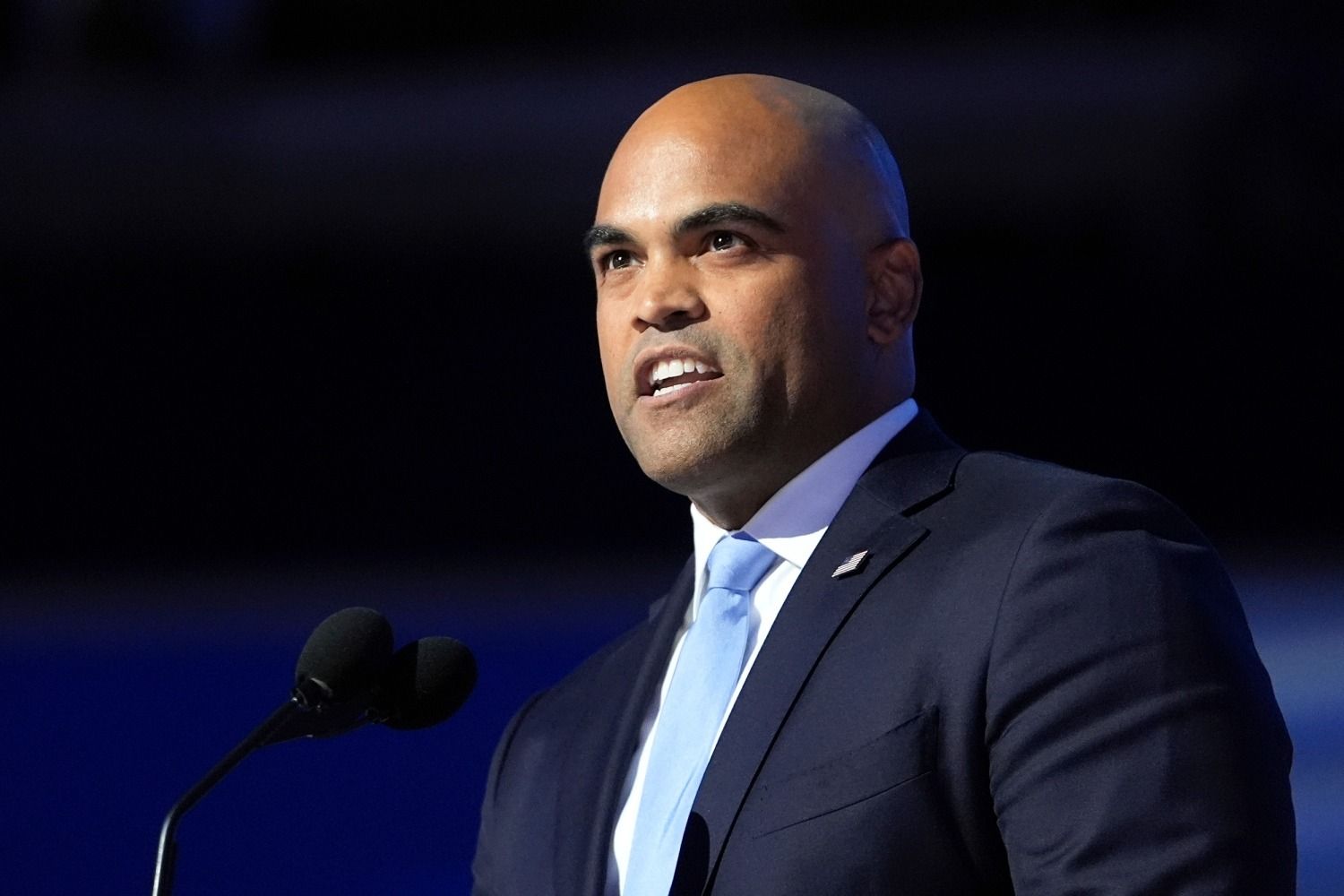
In a surprising turn of events, former Rep. Colin Allred has halted his Texas Senate campaign to pursue a House seat in the newly drawn 33rd Congressional District.
Citing concerns about a "bruising Senate Democratic primary" potentially fracturing party unity against Republican foes, Allred decided to shift gears just hours ahead of the filing deadline. He emphasized his deep connection to the community, noting it as his home and a place crucial to his upbringing.
The 33rd District, now favorable to Democrats, could be a game changer in upcoming elections. Allred’s move not only reshapes the Senate race—where fellow Democrats, including Rep.
Jasmine Crockett, are also considering bids—but also intensifies the competition in North Texas. As he aims to amplify his impact in Congress, Allred remains determined to serve his community amid a challenging political landscape.

Civil rights are fundamental guarantees of equality and protection under the law, pivotal in democratic societies. They include rights such as voting, fair trials, and access to public services.
While civil rights aim to secure equal opportunities for all individuals, they must be established and enforced by governmental action, unlike inherent human rights. The American civil rights movement of the 1950s and '60s, driven by marginalized African Americans, utilized marches and protests to challenge systemic discrimination, leaving a global legacy of similar movements.
The fight for civil rights continues today across many demographics, including women, LGBTQ populations, and various ethnic groups. Landmark legislation, like the Civil Rights Act of 1964, and significant court cases, such as Obergefell v.
Hodges (2015), reflect progress and ongoing struggles. As societies evolve, the quest for civil rights remains crucial, reinforcing the importance of active participation in democracy for all citizens.

In "Using Black Vampire Fiction to Explore America's Horrific Past," Hayley Dennings dives deep into the world of Black vampires to uncover the haunting realities of history and identity. Through her young adult novels, including This Ravenous Fate, Dennings transforms traditional vampire lore into a vehicle for expressing the complexities of Black womanhood.
Focusing on characters like Layla and Elise, she explores themes of girlhood, sexuality, and autonomy within the oppressive contexts of history. By reimagining these mythical creatures as "reapers," Dennings highlights how trauma and resilience shape personal and collective narratives.
Each reaper stands as a testament to the scars left by a legacy of anti-Blackness, making their stories not only chilling but also profoundly relevant. This captivating exploration challenges readers to rethink monstrosity, representation, and the unshakable connections to the past that continue to shape lives today.